The inflation rate slowing to 3.4 percent in July is a move in the right direction but should not reduce the Federal Reserve’s sense of urgency to bring prices under control.
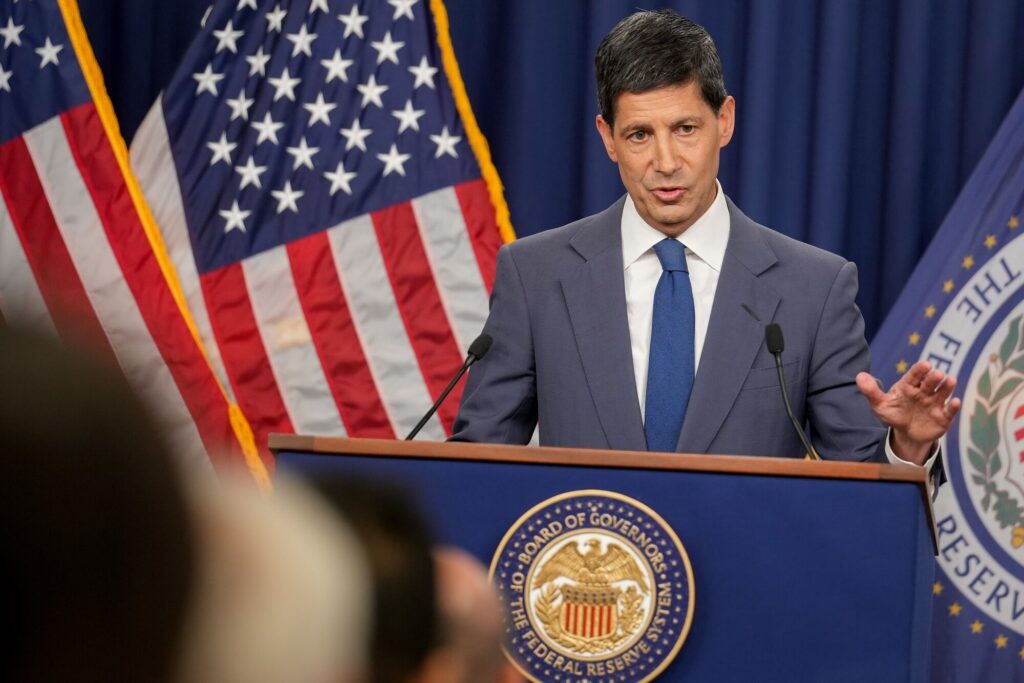
Inflation remains 70 percent above the central bank’s inflation target of 2 percent. The new Fed chair, Kevin Warsh, has conveyed seriousness about what he correctly calls “a tax on the American people and businesses.”
Talk will soon need to turn into action. Warsh got the “family fight” he asked for at last month’s meeting of the Federal Open Market Committee, as three members voted to increase interest rates by a quarter-point. The majority of members voted to hold rates steady.
But inflation has been above the bank’s target for 64 consecutive months.
July’s headline inflation rate of 3.4 percent, announced Wednesday, was down from June’s 3.5 percent. Core inflation, which excludes food and energy prices, rose by 2.5 percent on the year in June, just below 2.6 percent the previous year.
Oil prices fell last month as the result of cautious yet hopeful indicators that the Strait of Hormuz, responsible for 20 percent of the world’s oil flow, will reopen sooner than later. But negotiations with Iran deadlocked.
Even before President Donald Trump started the war in February, inflation was unacceptably above target.
Despite a weaker-than-expected jobs report in July, which saw the economy lose 23,000 jobs, the U.S. economy is still roughly at full employment with an unemployment rate of 4.1 percent. This gives the Fed space to focus on its “number one objective,” as Warsh calls it, “to get monetary policy right.”
Despite phone calls with the president, Warsh insists he will operate independently of the White House. Next month’s FOMC meeting would be a good time to demonstrate that.
The post Inflation is still too high appeared first on Washington Post.