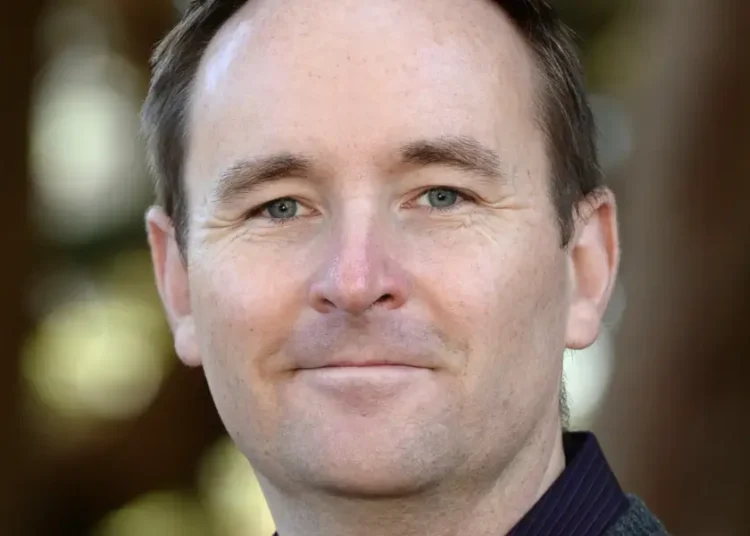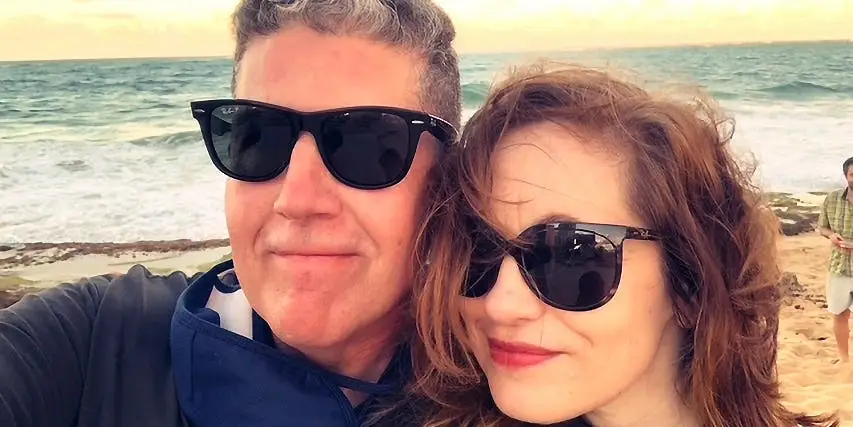
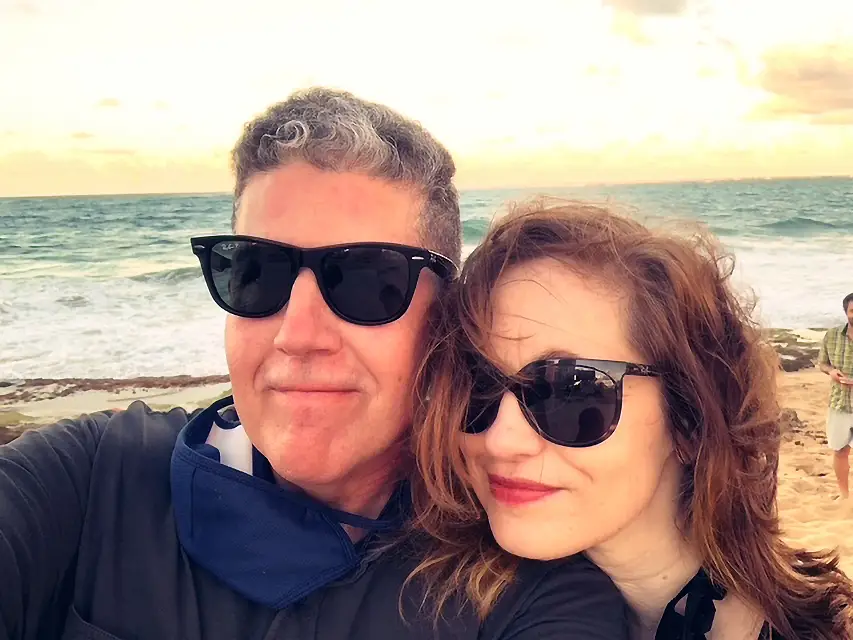
This as-told-to essay is based on a conversation with Brian Majewski and Teresa Green, co-founders of One Final Message. It has been edited for length and clarity.
Back when people still had genuine conversations on X (then, Twitter), I connected with people I’d never met in real life. I knew some of them struggled with mental health, and one day a person I’d become close with just disappeared.
My mind immediately went to the worst-case scenarios, but I had no way to check on them to see if they were OK — we were only connected somewhat anonymously online.
I started thinking, what would happen if I suddenly died? I would want to leave a message for friends and online acquaintances. I had plenty I wanted to say to people in my life. But I treated the messages like the good China plates: things you want to bring out with friends but never do because they never feel quite right.
My father-in-law’s death made me build on the idea
I riffed on this idea for a few years. Then, in 2022, my father-in-law got sick and died. He was 96, so the death was expected, and my wife Teresa and her parents had done a great job planning for his end-of-life.
Still, there were things that fell through the cracks. My mother-in-law couldn’t access a particular email account where, for example, all the bills were sent.
Teresa and I started talking about all the people who didn’t have as much time to plan for death as her parents, and how much must fall through the cracks for them.
Other people found the idea of a message intimidating
Teresa and I started working on an end-of-life planning platform that could help address these problems. We started with my original question: what message would you want to leave behind for loved ones? We created some templates and sent the platform out to testers.
We were surprised when they didn’t take to it. Teresa and I had already spent years talking about this, and we have a fairly practical, non-sentimental approach to death. We were comfortable thinking about the messages we’d like to leave behind. But our testers weren’t ready. We realized we were springing these scary, heavy new questions on them.
So, we pivoted, allowing people to leave logistical messages: things like passwords and PINs, but also details, like “the car that I left you needs to idle for 10 minutes in cold weather.” We aim to provide context for legal documents such as wills. A will tells you who gets the car; our platform tells them everything they need to know about it.
We’ve recorded sentinel messages — and the dog food recipe
We still offer the ability to leave messages, which are sent out after your death. We’ve found that those are right for some people, but not for others. I’m autistic, so getting in touch with my feelings is often hard. Preparing a written message allows me to connect with what I really want to say. I’ve drafted messages to a friend and a mentor.
Teresa and I talk about death openly, and we’ve said everything we need to say to each other. So, our messages to each other are more utilitarian. She’s written down the dog food recipe she uses to feed our two dogs and told me how to do other household tasks she usually handles.
For me, death is about the people left behind. Capturing a bit of my personality for them and making their lives easier as they move through grief is one final gift I can leave. I’m hoping our platform can take the burden off people. Though I’m still waiting for someone to leave behind a message of spite — let’s admit that might be funny.
Read the original article on Business Insider
The post I built an app to send messages after I die. The most popular feature wasn’t what I expected. appeared first on Business Insider.