There is perhaps no greater sign of the waning opposition to nuclear energy than this: Officials in more than two dozen states have volunteered to host facilities that would include storage for nuclear waste. They see such a project as an opportunity, not the toxic political liability it once was.
This week, the Energy Department narrowed the number of potential contenders for the development to five states: Idaho, Louisiana, Oklahoma, Tennessee and Utah.
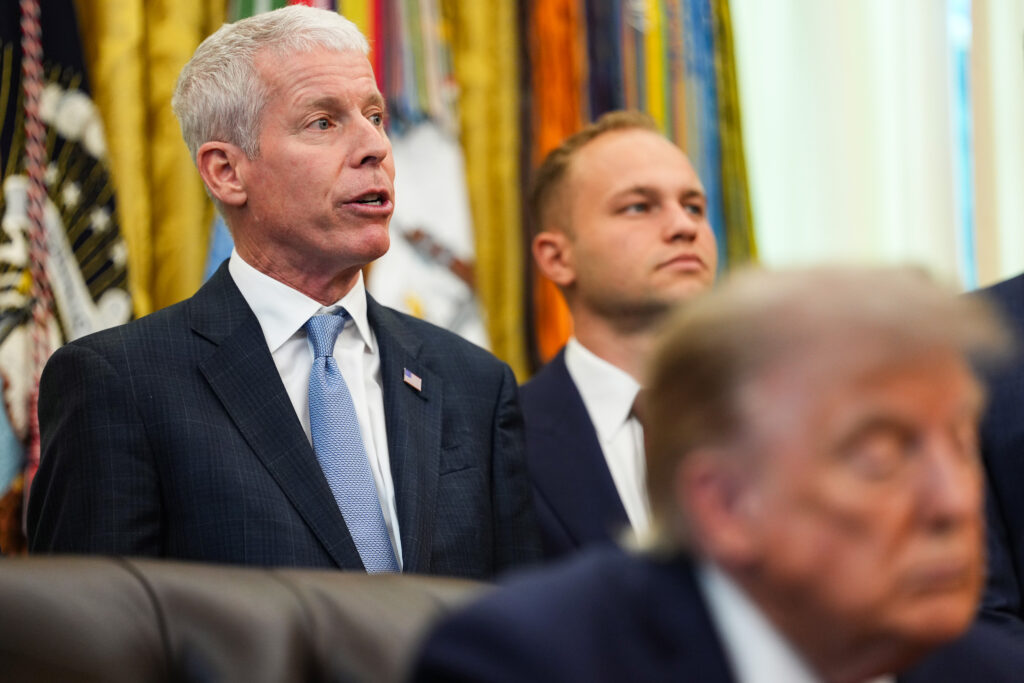
The idea stems from an executive order issued last year by President Donald Trump. The administration wants to build “innovation campuses” that could support each stage of the nuclear fuel life cycle, from the fabrication and enrichment of uranium to the reprocessing of spent fuel and the “disposition of waste.”
That so many states expressed interest is striking given the intense local resistance that stymied federal efforts to build a permanent repository for nuclear waste in previous decades. Congress designated Yucca Mountain in Nevada as the site for such storage in 2002, but President Barack Obama killed the unpopular project in 2009 for political reasons.
Unlike the proposed Yucca Mountain site, the Energy Department’s innovation campuses would not simply serve as dumping ground. Their main purpose would be to help build a stable supply chain of nuclear fuel.
The U.S. once led the world in the production of enriched uranium, but that industry atrophied after the U.S. started importing fuel from other countries.
Rebuilding that domestic supply with new enrichment plants will be essential to meeting intense demand for new nuclear energy, especially after Congress banned uranium imports from Russia in 2024. This includes the development of specialized fuels needed to power smaller advanced reactors that have drawn enormous investments from tech giants, including Amazon, whose executive chairman, Jeff Bezos, owns The Post.
State leaders also hope that these campuses could jump-start an industry that could reprocess spent nuclear fuel so that it can be used again in reactors. The concept isn’t new. France has been doing it for decades. But it hasn’t yet proven commercially viable, since reprocessing is energy-intensive and would produce its own stream of radioactive waste products that need disposal.
Nevertheless, nuclear start-ups such as Curio and Oklo are eager to prove the naysayers wrong. There’s no guarantee they will be successful, but market forces — not ideological hang-ups — should pave the way forward. Given how important nuclear energy will be to expanding clean energy capacity in the coming decades, it is heartening to see so many states competing to become the hub of the nation’s nuclear renaissance.
The post The five states competing to be the center of the nuclear renaissance appeared first on Washington Post.