Outrage over a last-minute move by California’s attorney general to edit the description of a voter ID ballot measure marks the latest in a series of alterations to the language of proposed laws that critics argue are meant to rig elections.
Wile the state lets citizens propose laws that can be put to voters for approval, the state attorney general is responsible for issuing a title and summarized description to help voters understand the proposed measure.
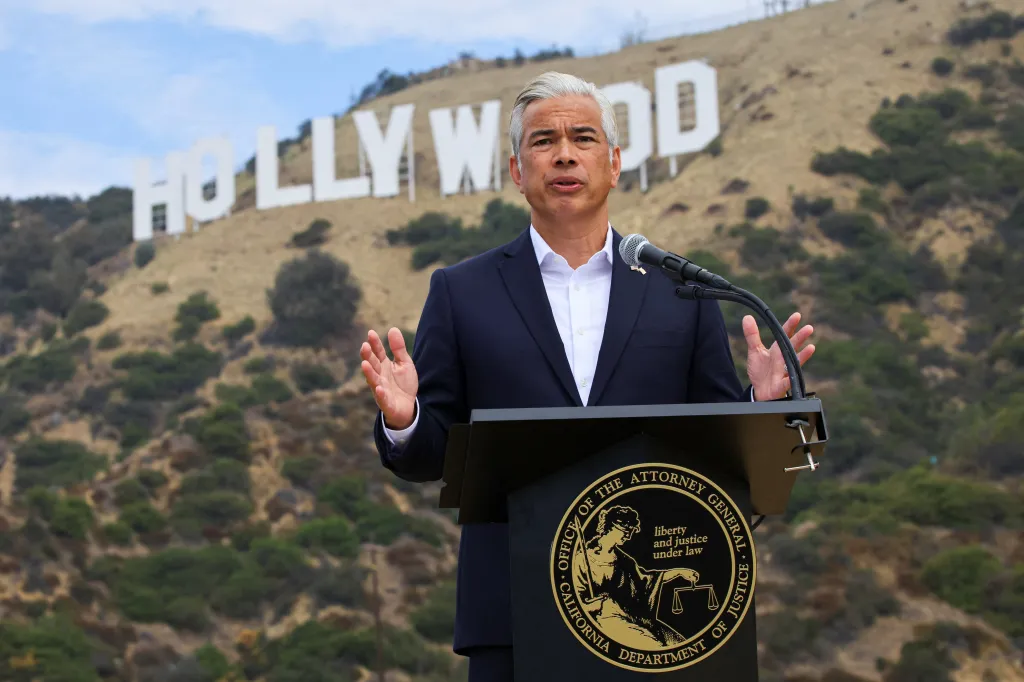
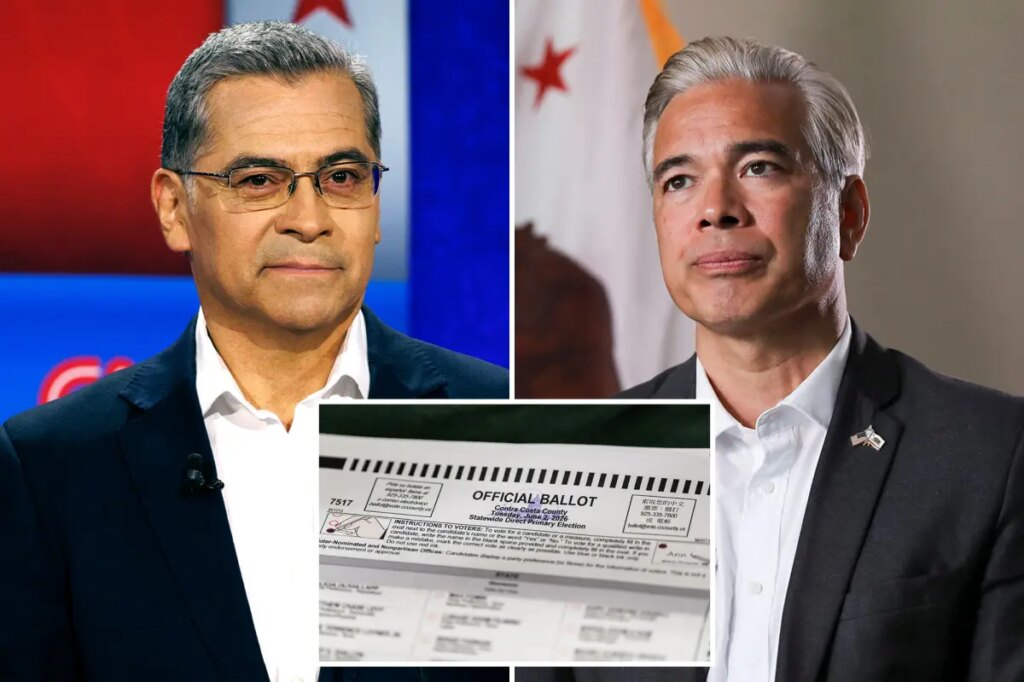
Because the attorney general is an elected, partisan official — currently held by Democrat Rob Bonta — it had led accusations that attorneys general rewrite descriptions to confuse voters and benefit their party.
On Tuesday, Bonta changed the description of the proposed voter ID law, Proposition 39, which would require voters to provide government ID at the polls or the last four digits of a ID number if voting by mail.
The measure is now described as something that “prohibits citizens from voting unless they present government-issued identification,” after originally saying it “establishes additional voter identification and citizenship verification requirements.”
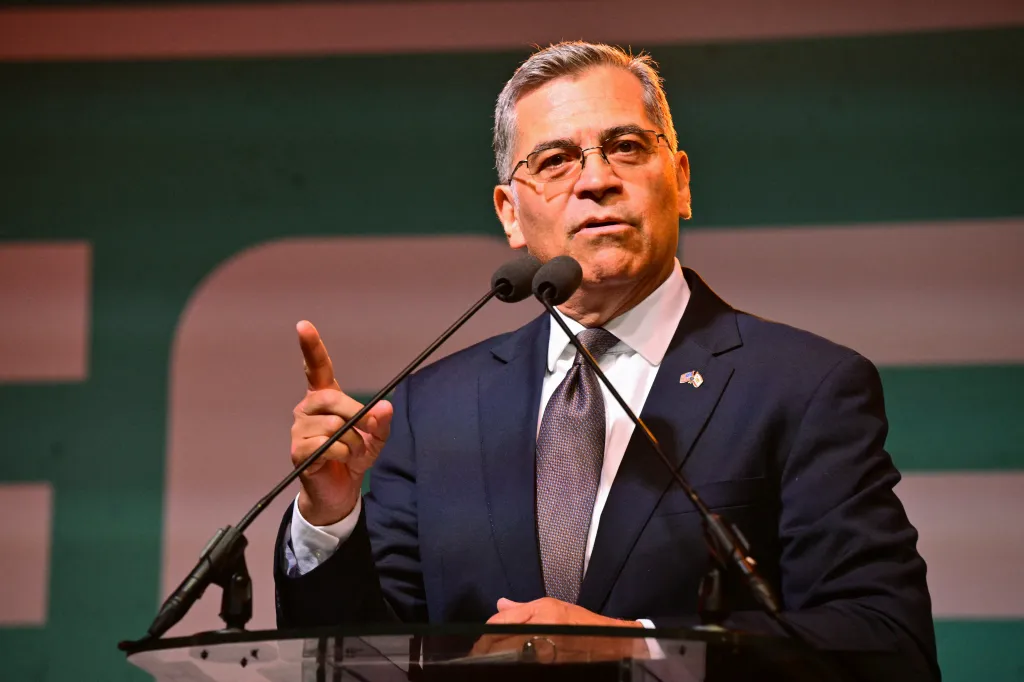
Other past examples highlight changes initiated by former California attorney general and now gubernatorial front-runner Xavier Becerra, who was sued a record six times over language revisions.
Prop 22 (2020) Gig Workers
Proposition 22 was a ballot initiative that classified workers of app-based companies such as Uber and Lyft as independent contractors instead of full-time employees with benefits.
It was described by Becerra as a measure that “exempts app-based transportation and delivery companies from providing employee benefits.”
The original title was “changes employment classification rules for app-based transportation and delivery drivers.”
Proposition supporters blasted that language as aligning with arguments from opposing labor groups, traditional allies of Democrats.
Prop 6 (2018) Gas Tax Repeal
Becerra described the measure to let voters repeal the state’s gas taxes as something that “eliminates certain road repair and transportation funding,” given the gas tax is used for such projects.
Tax opponents cried foul but failed in court to overturn the language. Polling had shown that half of Californians supported repealing the 2017 gas tax increase, but when shown the ballot title it dropped to 39%.
Prop 15 (2020) Property Tax
This measure required commercial and industrial properties, except those zoned as commercial agriculture, to be taxed based on their market value rather than their purchase price. It would raise tax revenue, by as much as $12 billion a year, for funds to go to schools and local governments.
The measure was supported by labor unions and Democrats. Becerra’s title for the measure was: “Increases funding for public schools, community colleges, and local government services by changing tax assessment of commercial and industrial property.”
Business groups blasted the language for not portraying it as a tax increase.
Prop 5 (2024) Housing Bonds
This initiative lowered the voting threshold needed to pass certain general obligation bonds — which are bonds paid for by increased property taxes — for housing and infrastructure projects from two-thirds to 55%. The intent was to help spur more money to address the state’s homelessness crisis.
The Howard Jarvis Taxpayers Association challenged Bonta’s description, arguing the label only showed that the threshold would change to 55%. That would mislead voters into thinking the voting threshold actually increased from a simple majority to 55%.
The attorney general defended the description in court, arguing the office was entitled to presume voters understand existing law.
While a trial court ruled in the association’s favor, an appellate court gave the win to Bonta, ruling that it was within the attorney general’s “discretion” to write the description as he sees fit.
The post Dem leaders’ outrageous history of changing California ballot descriptions revealed appeared first on New York Post.