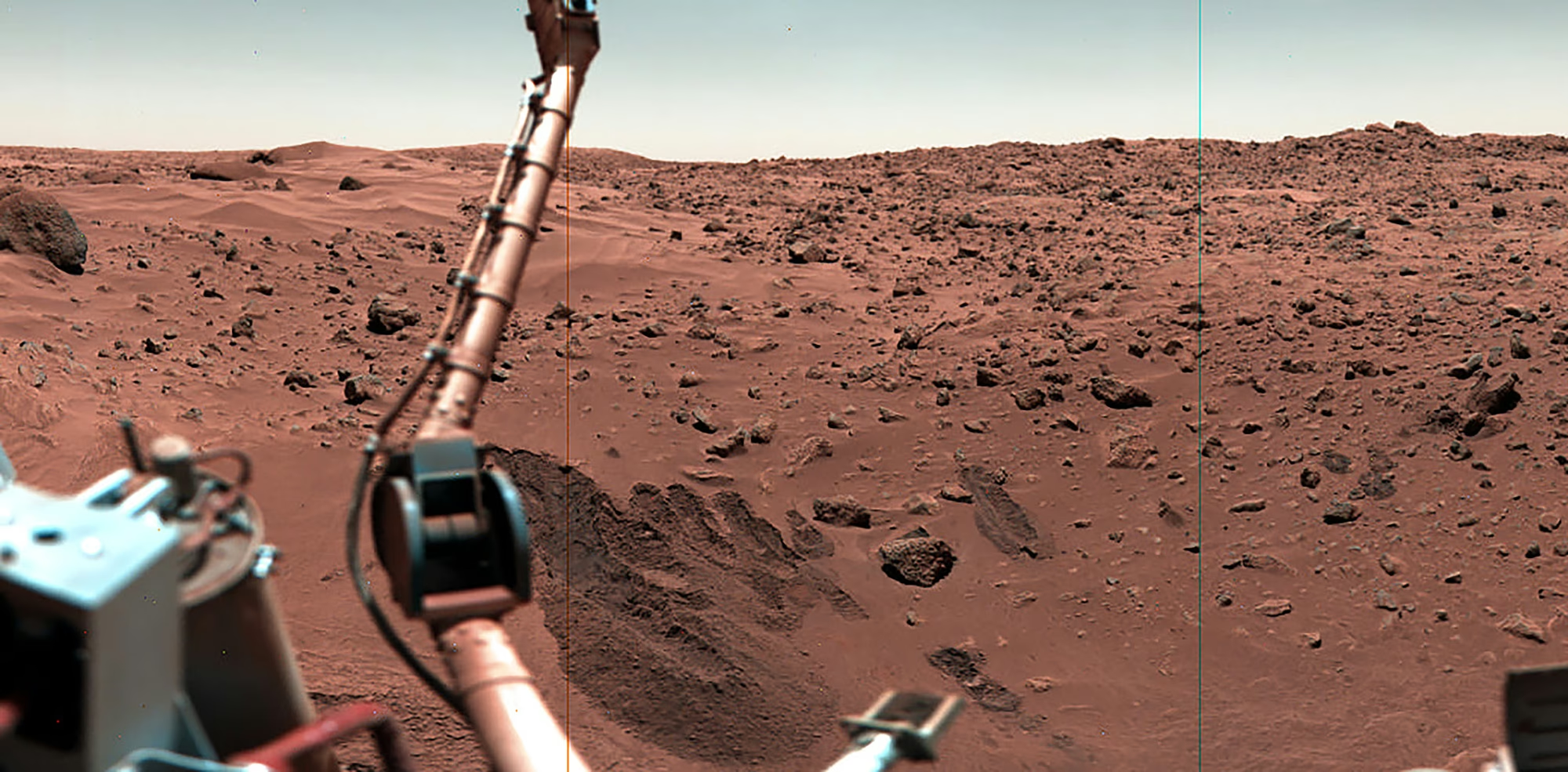
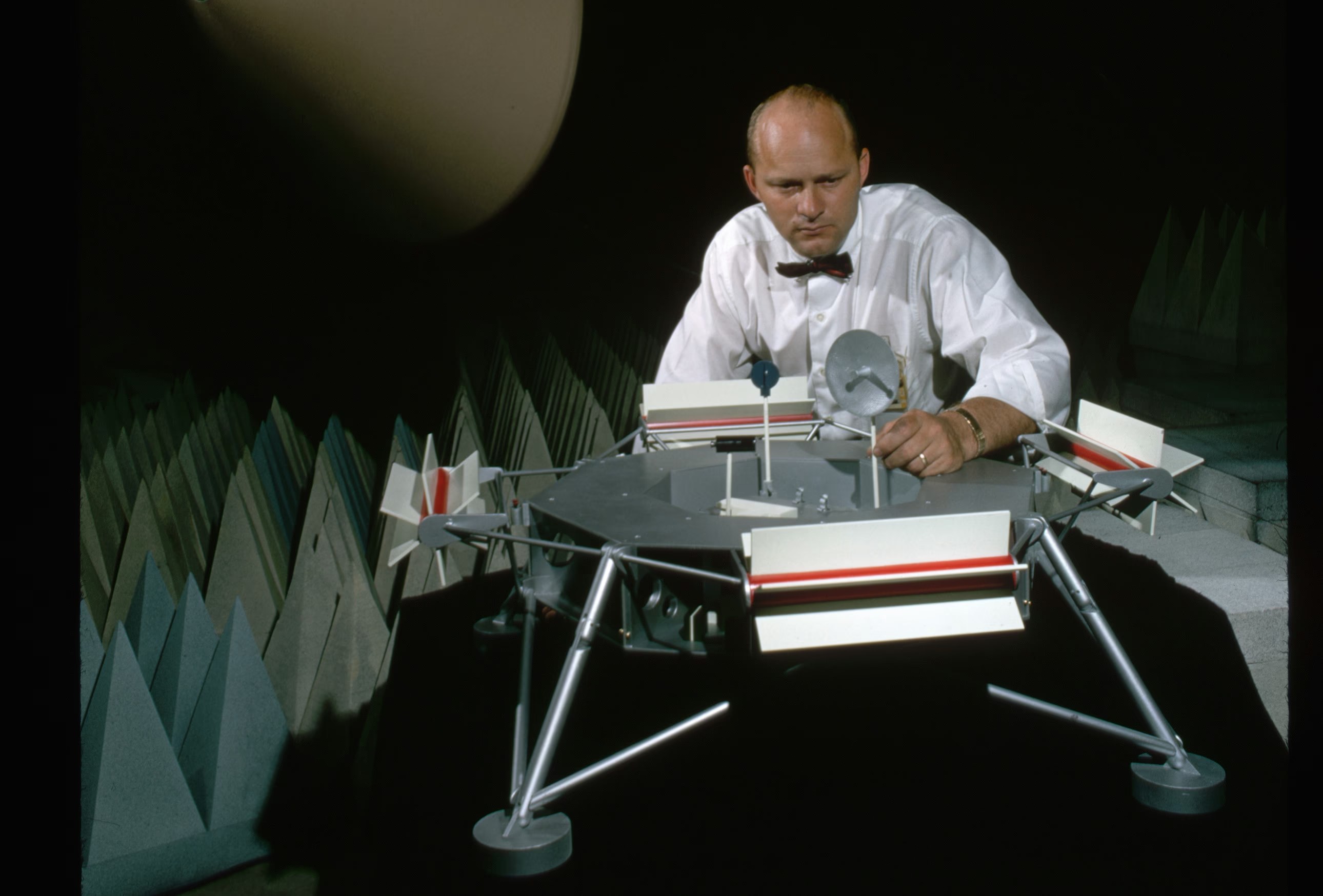
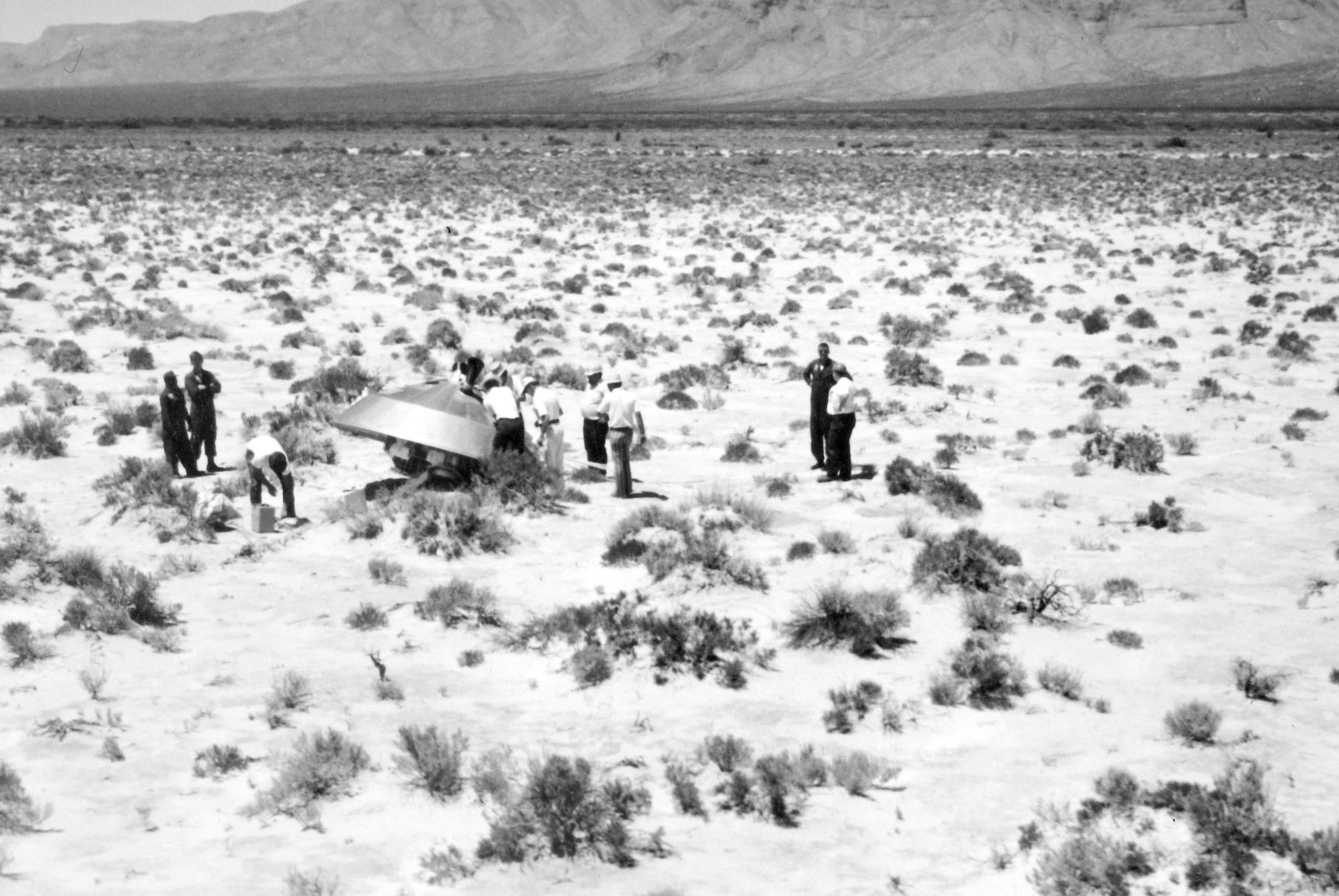
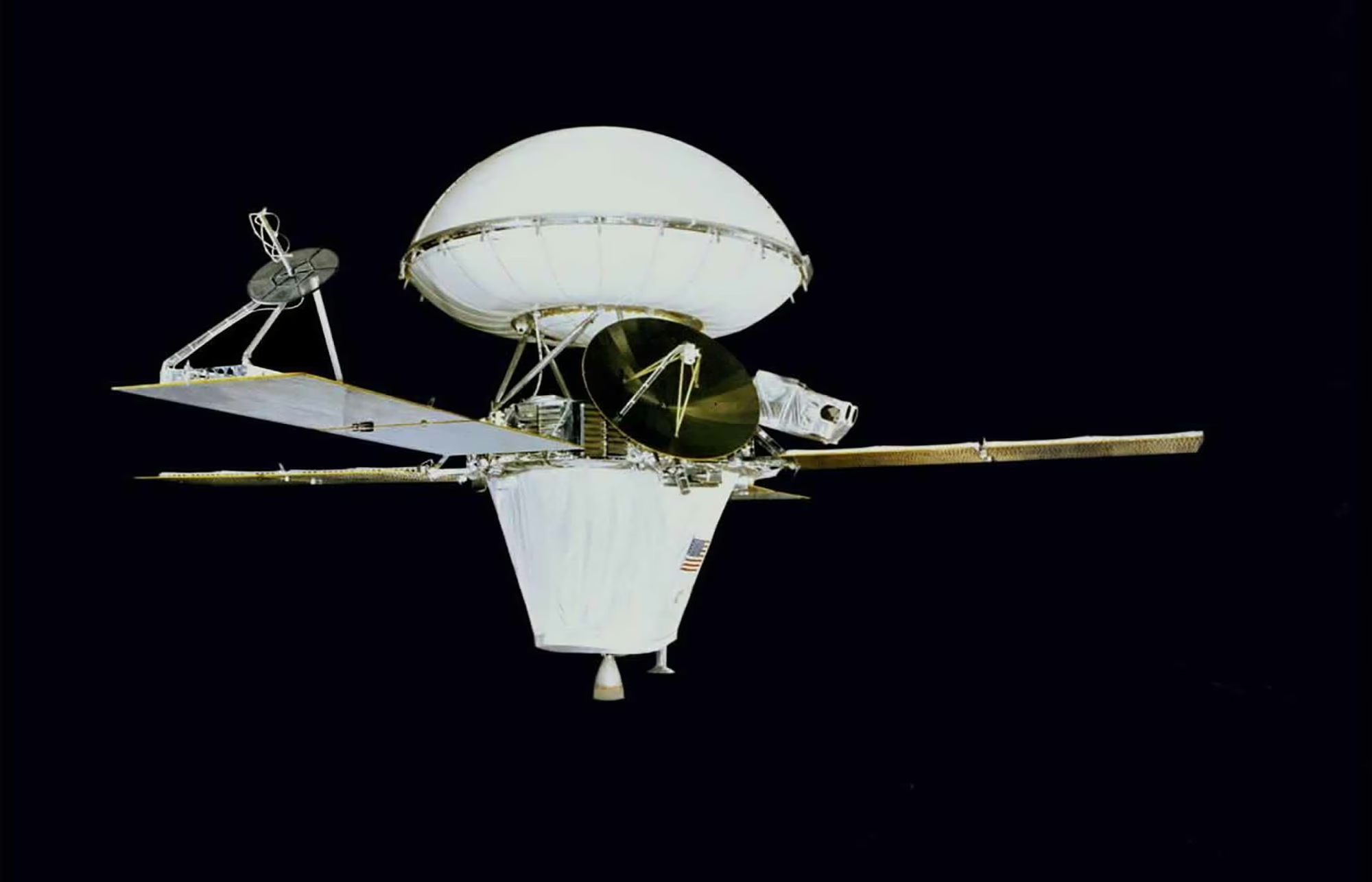
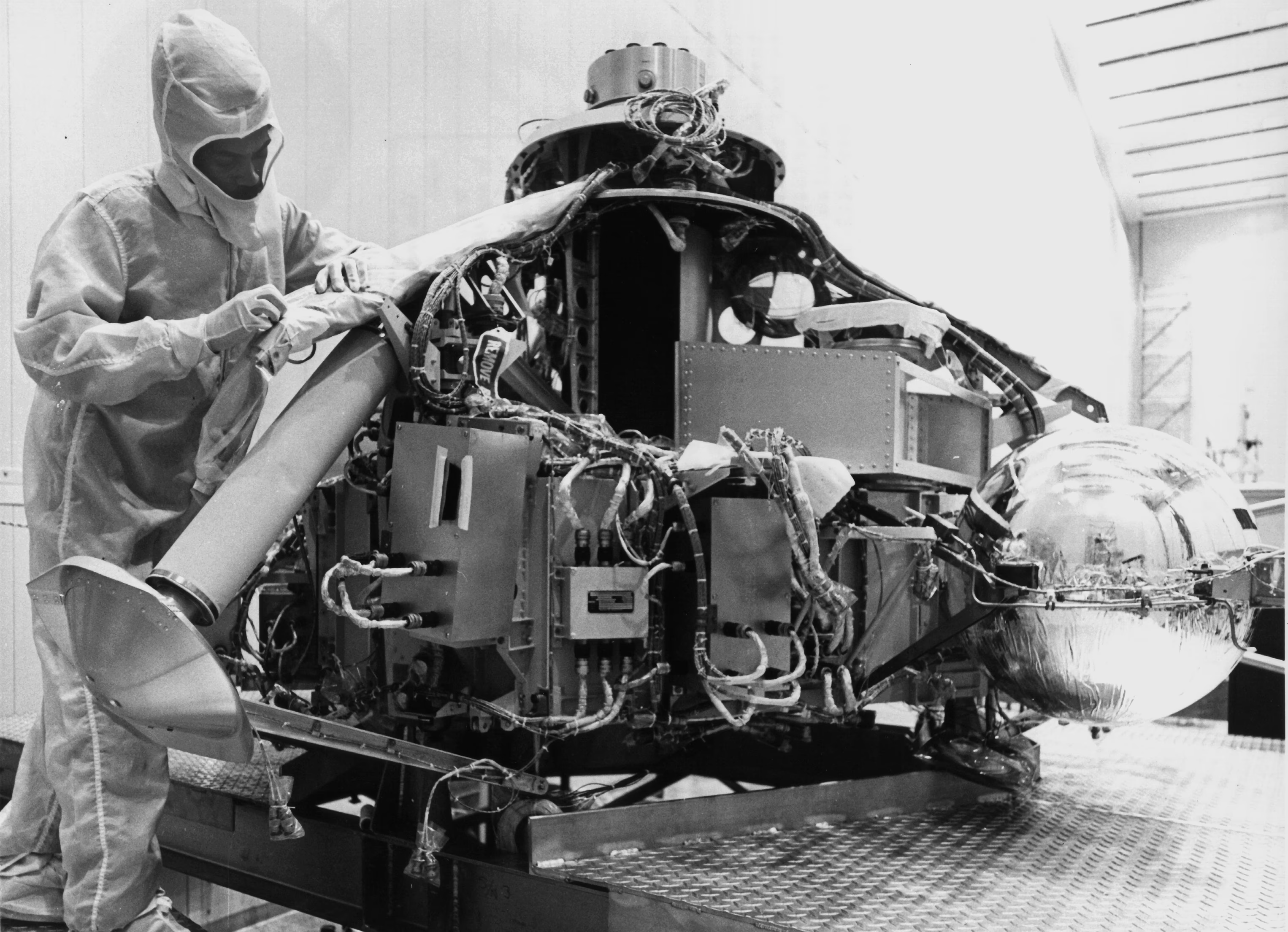
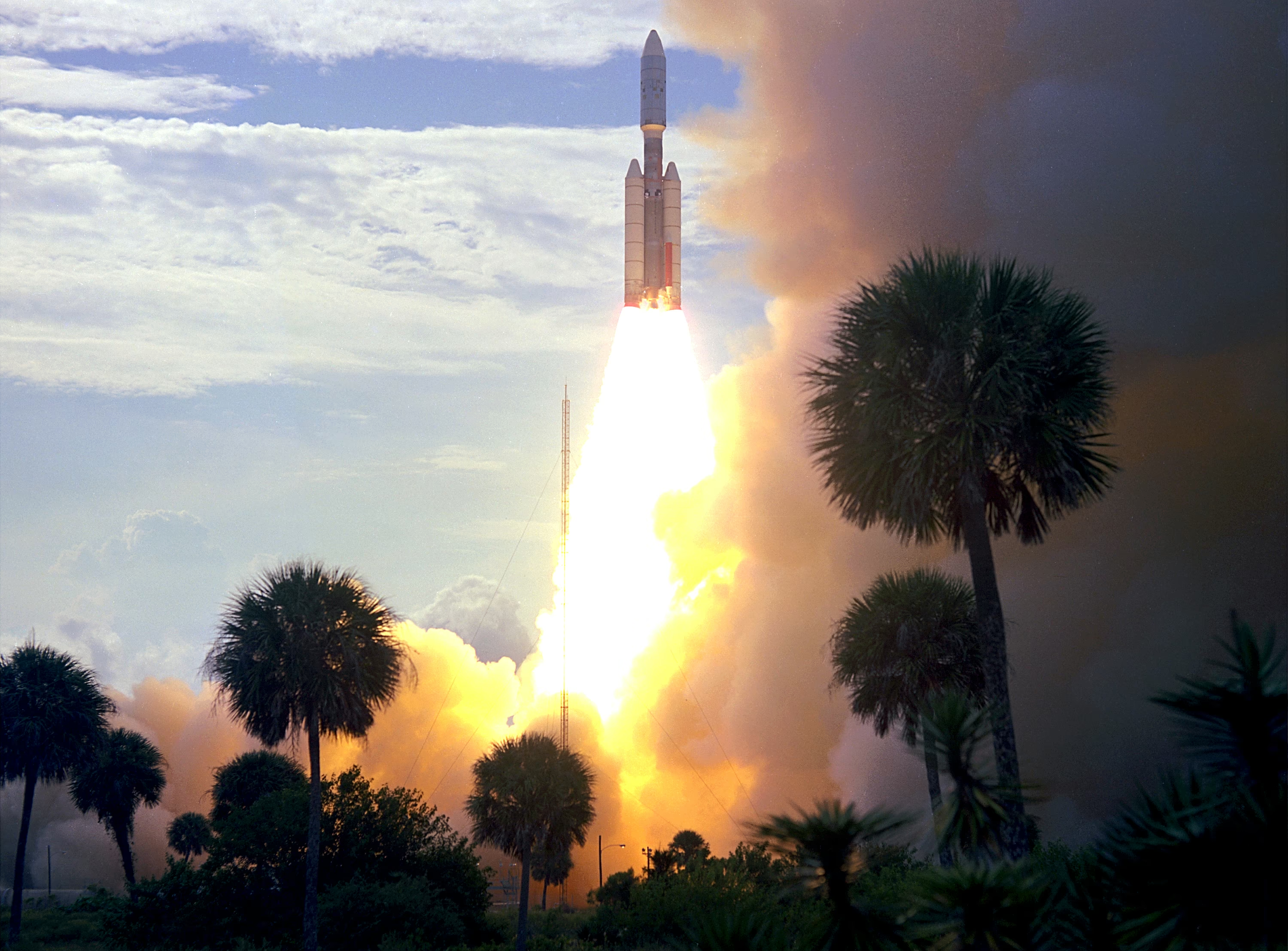
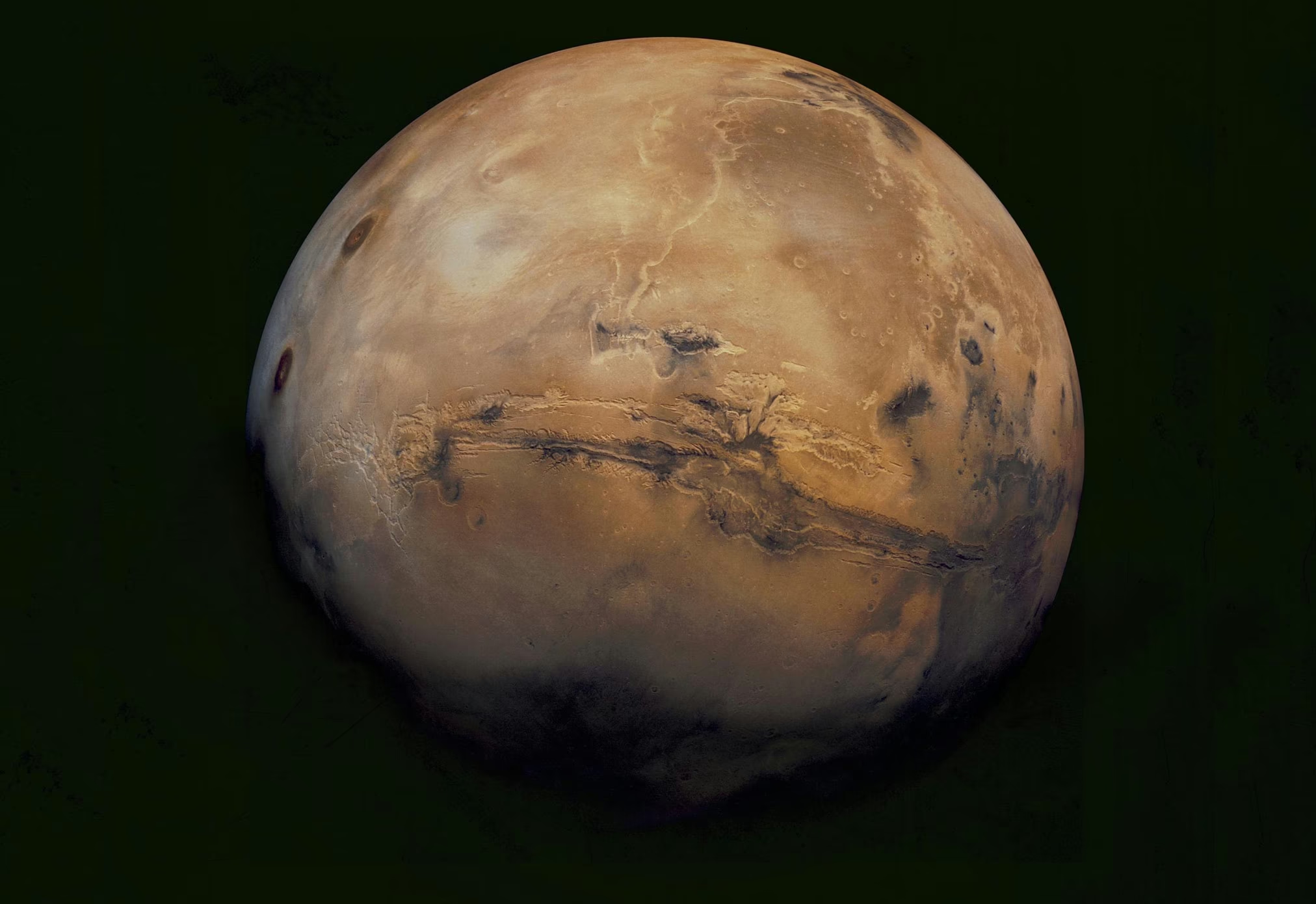
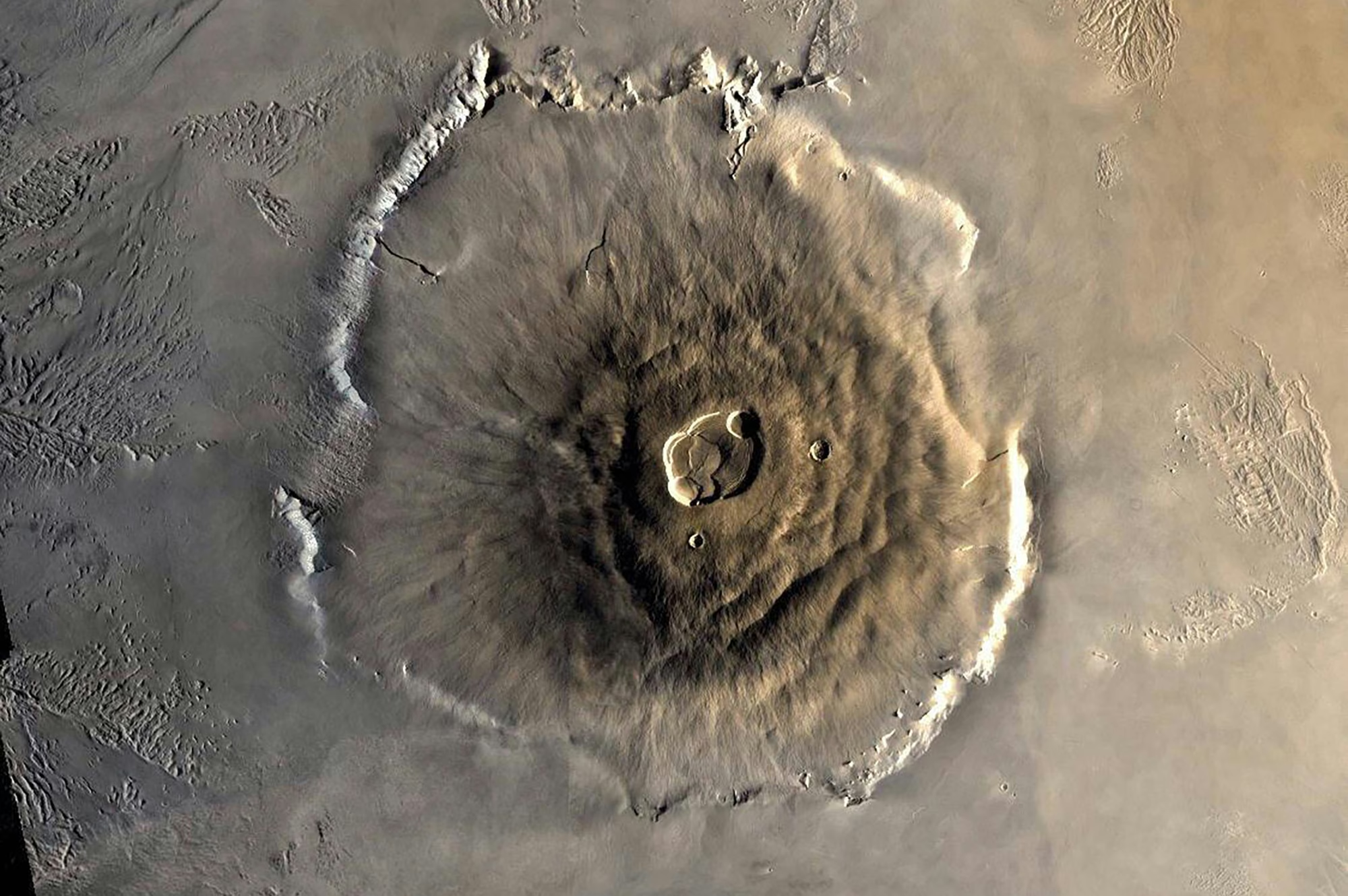
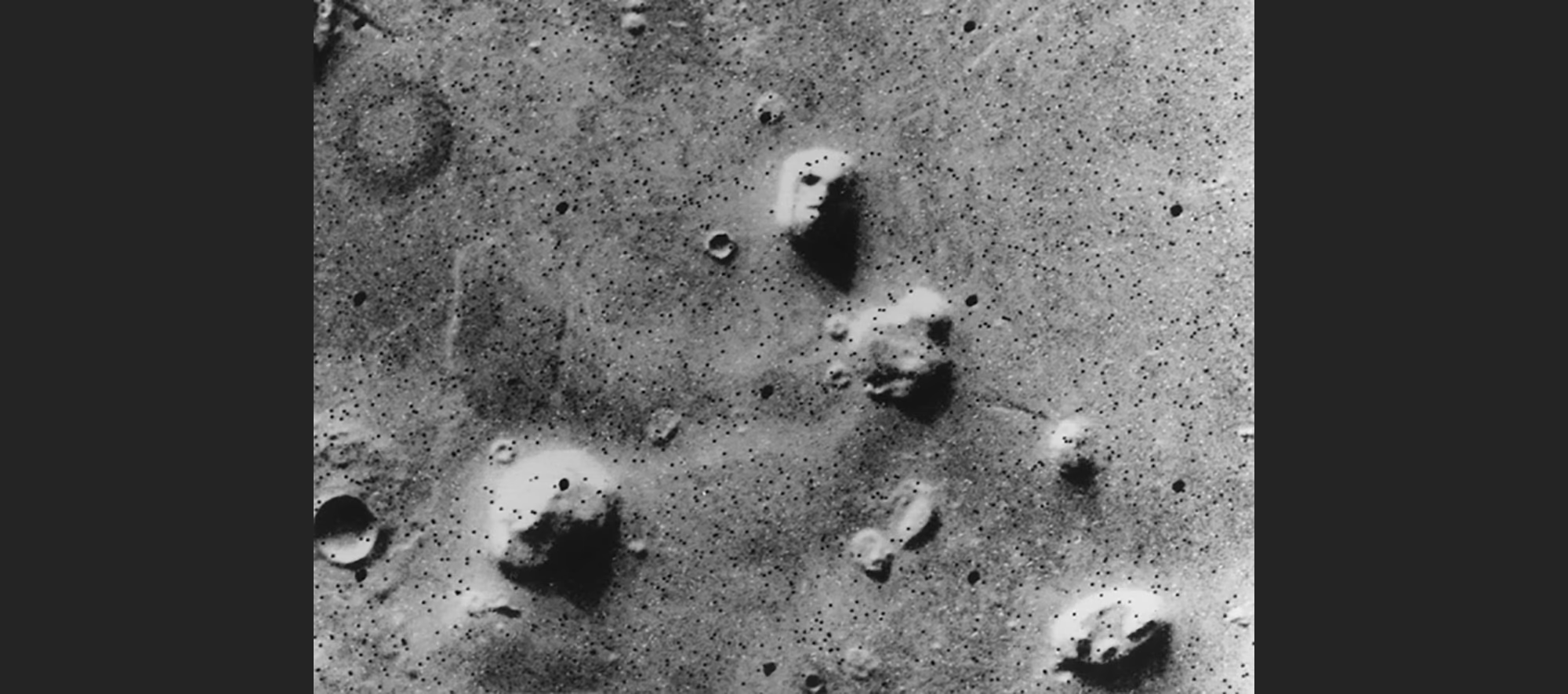
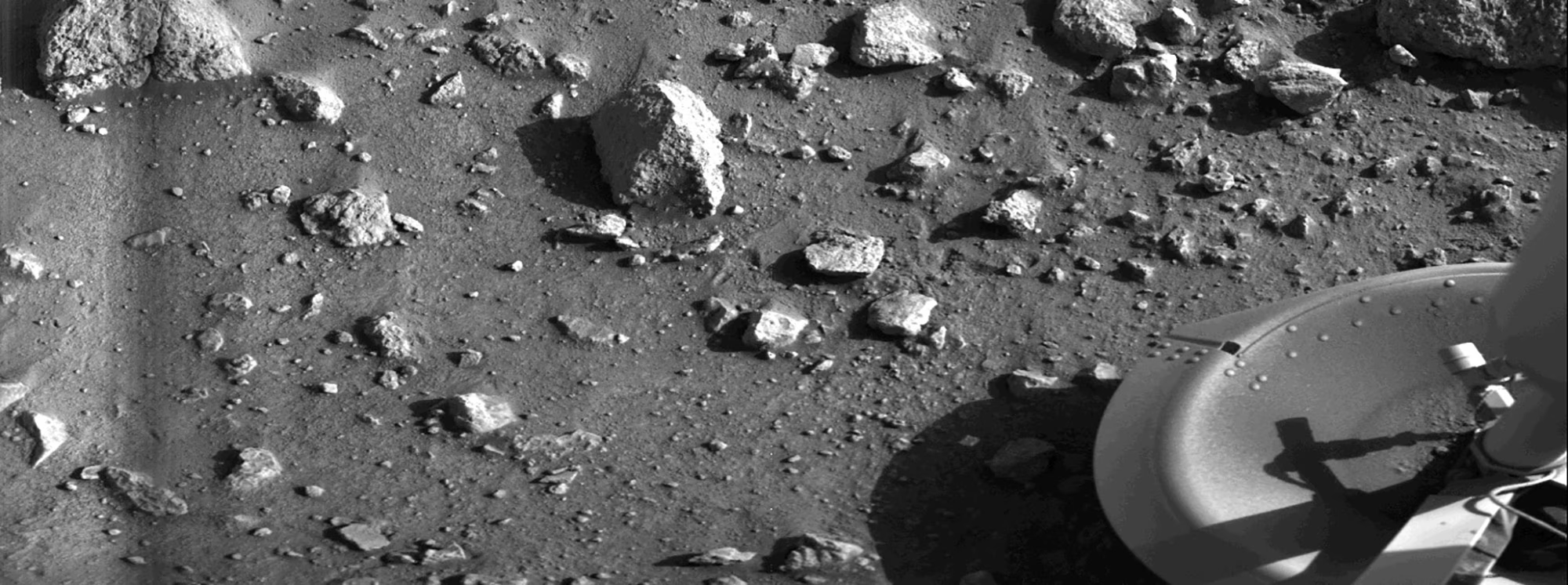
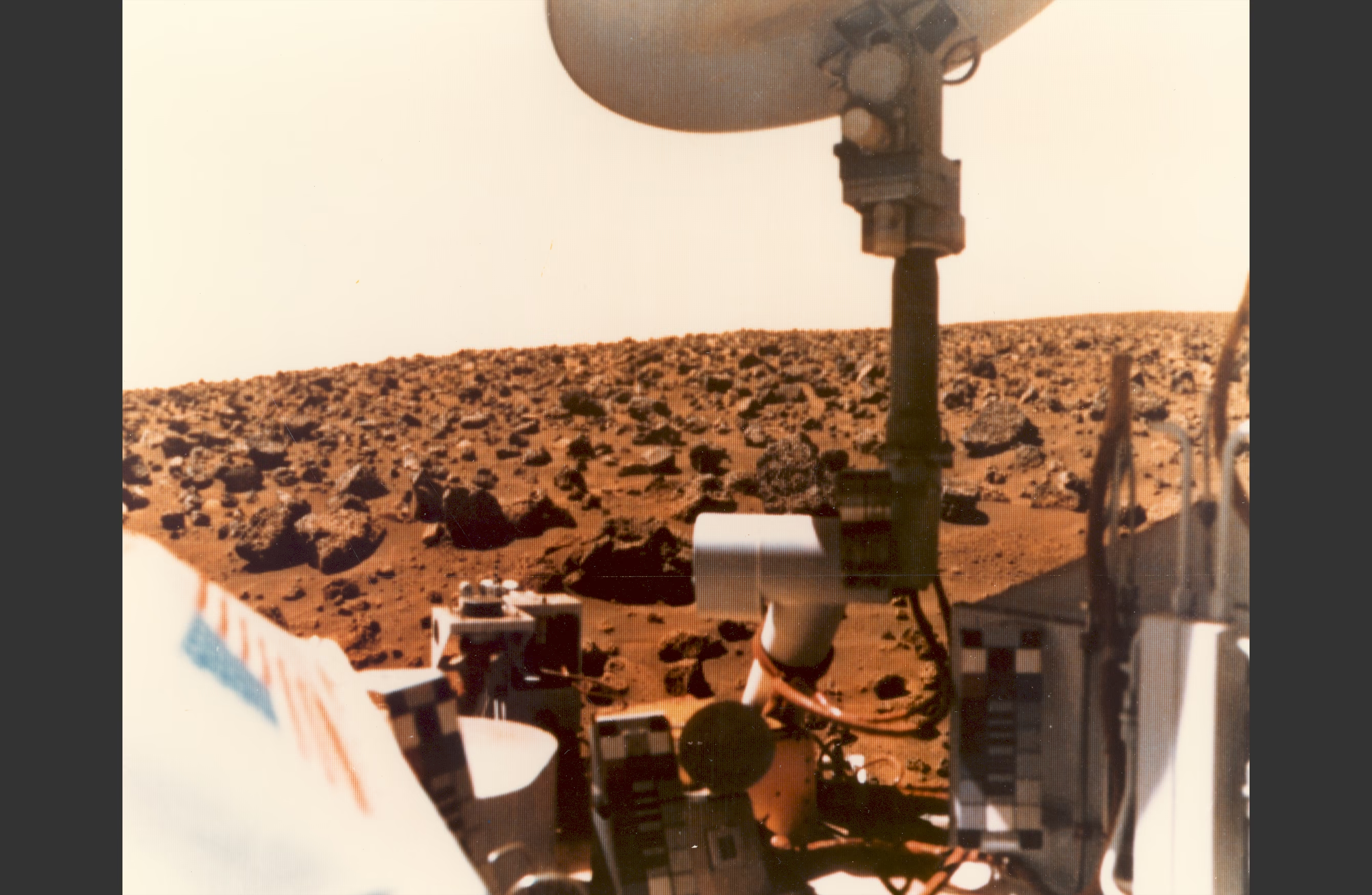
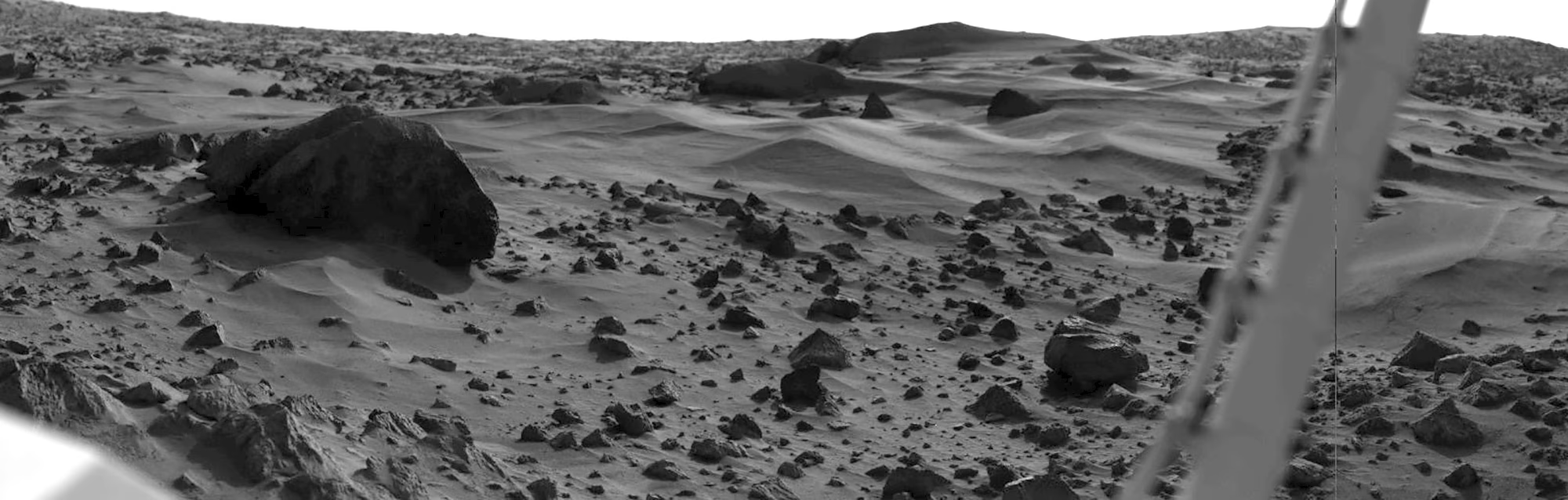
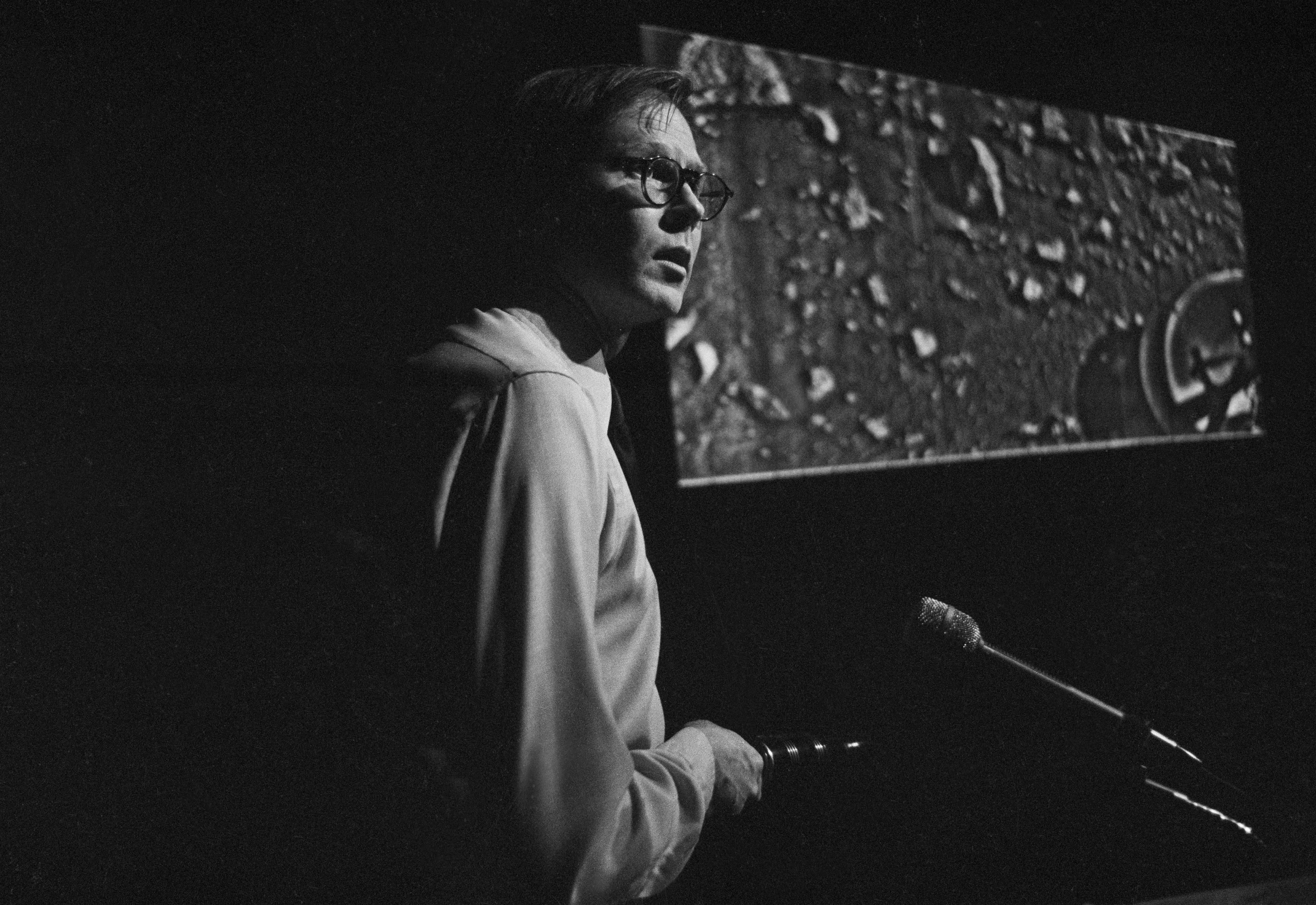
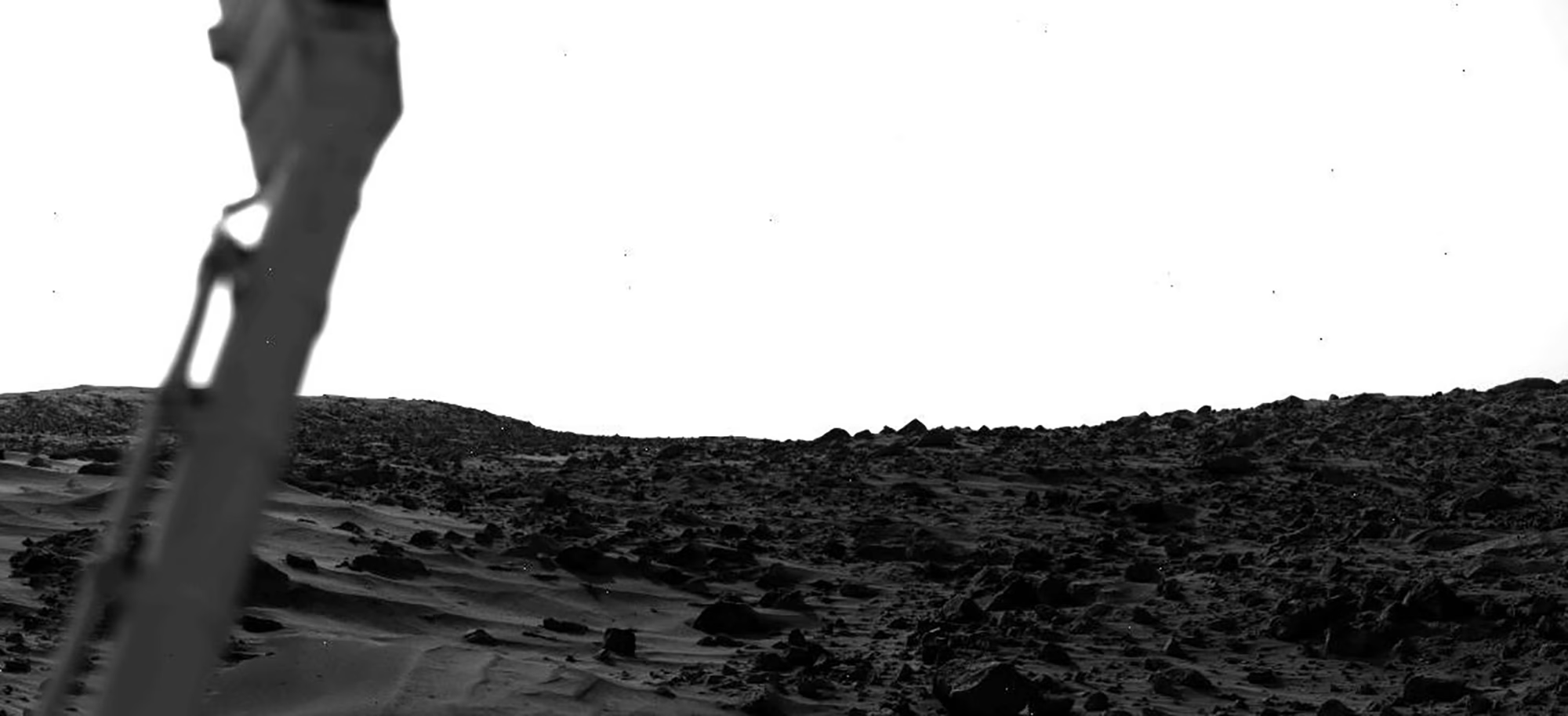
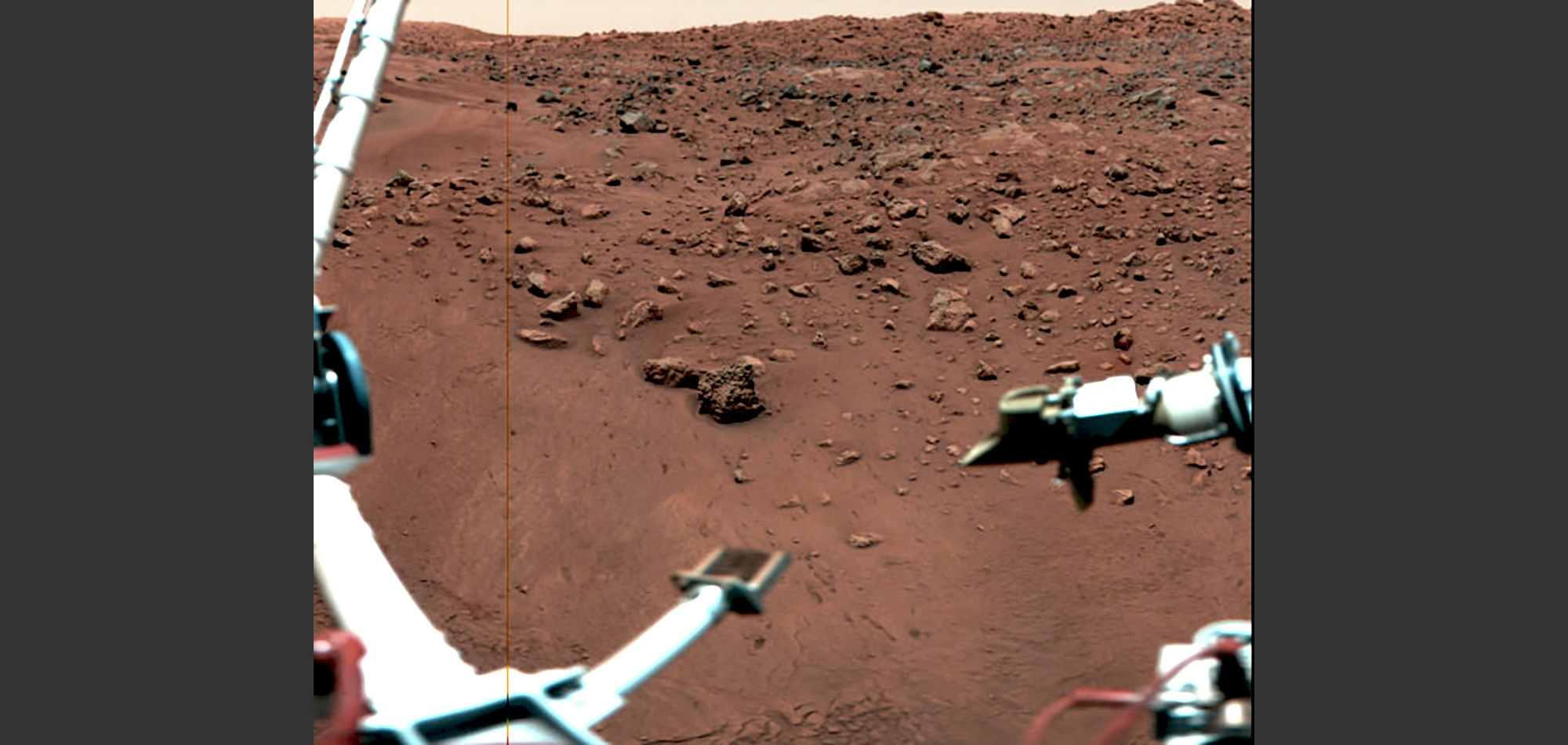
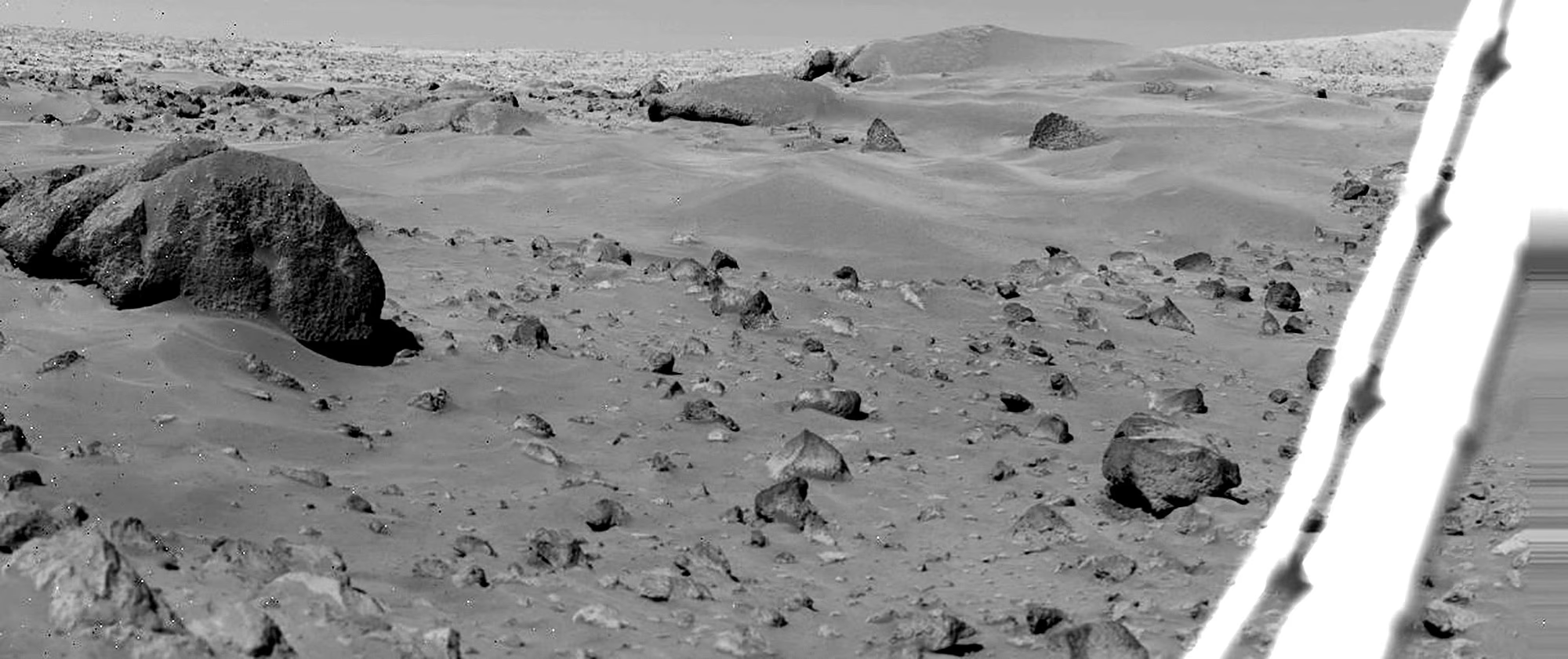
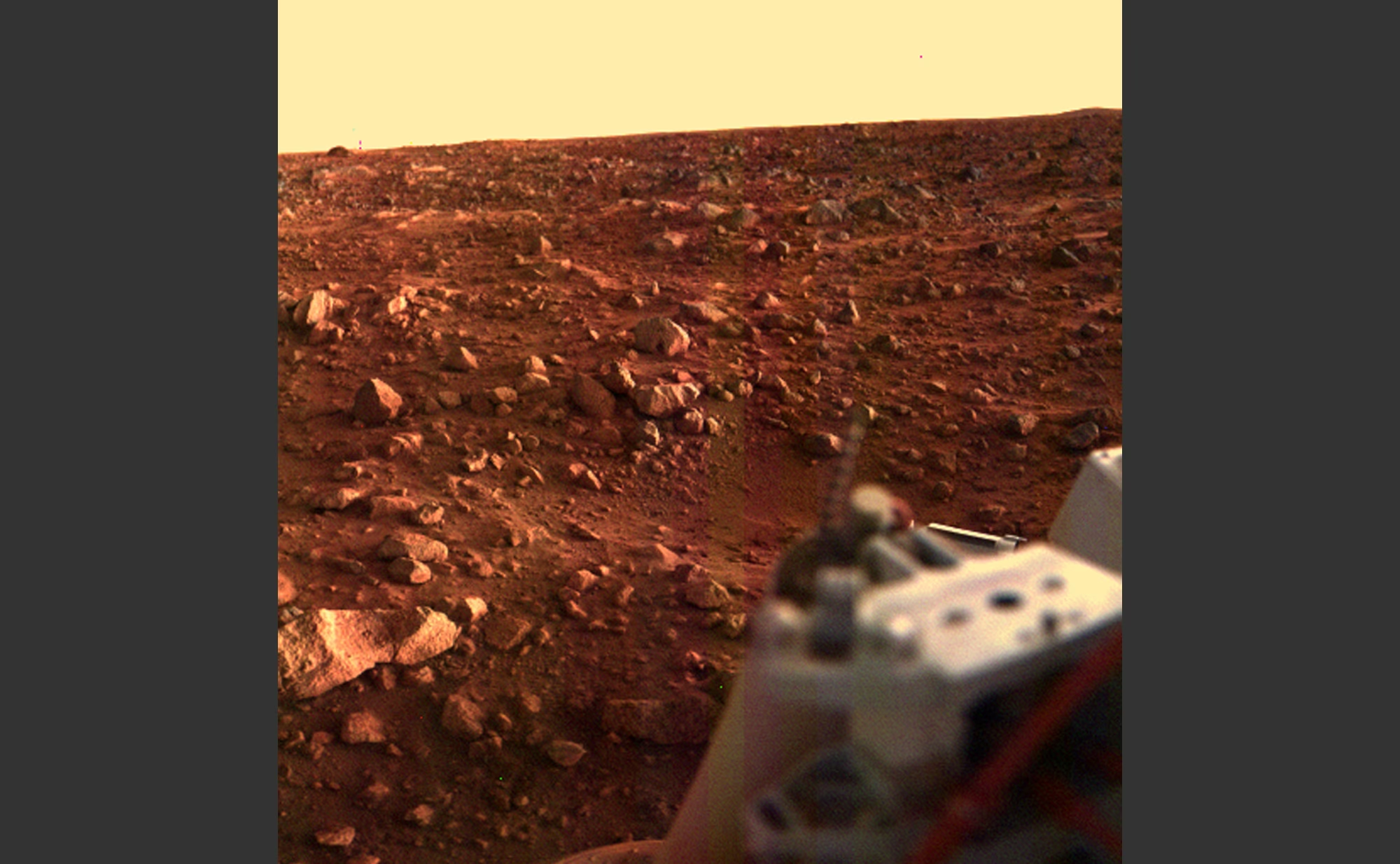
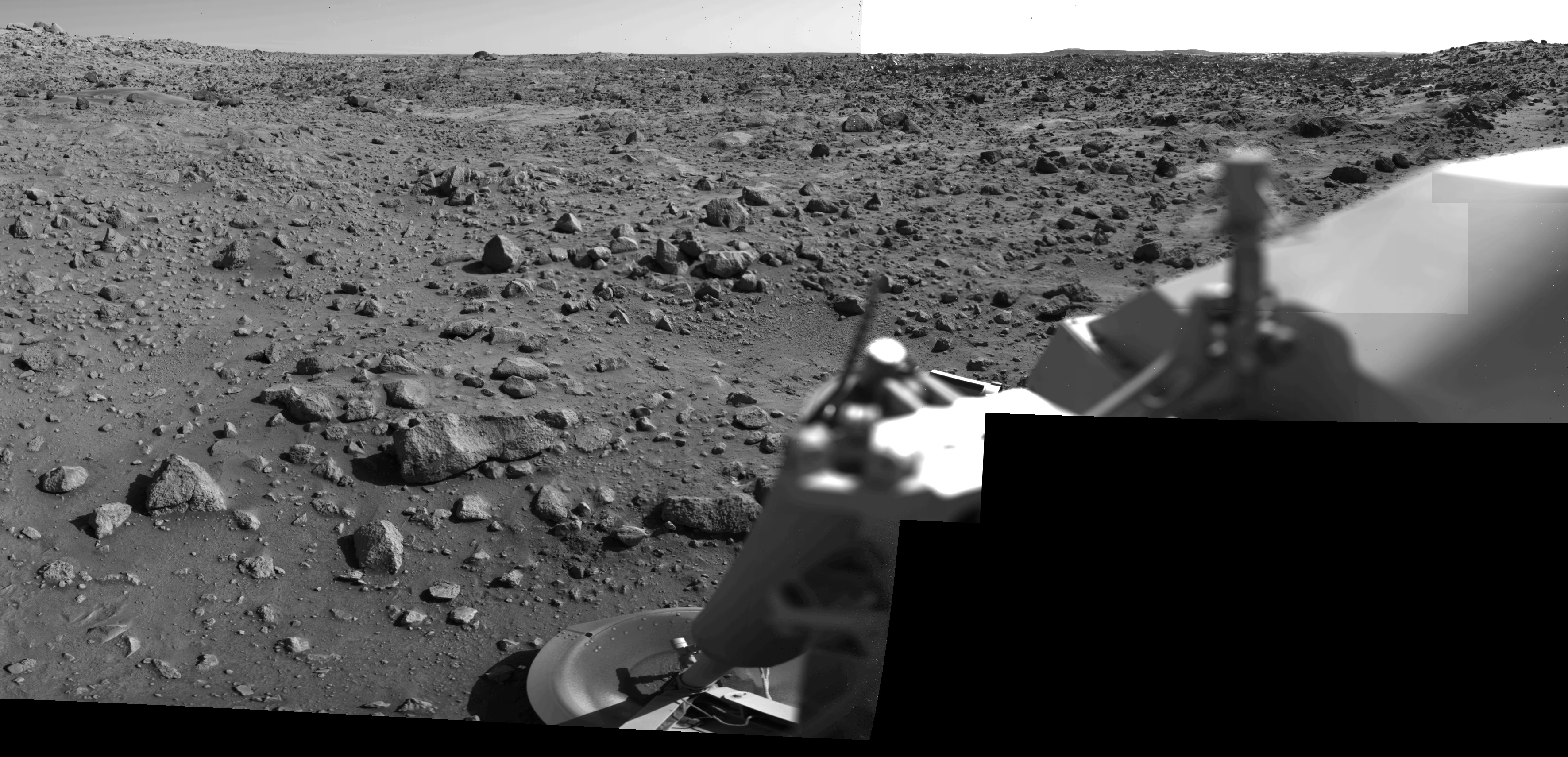
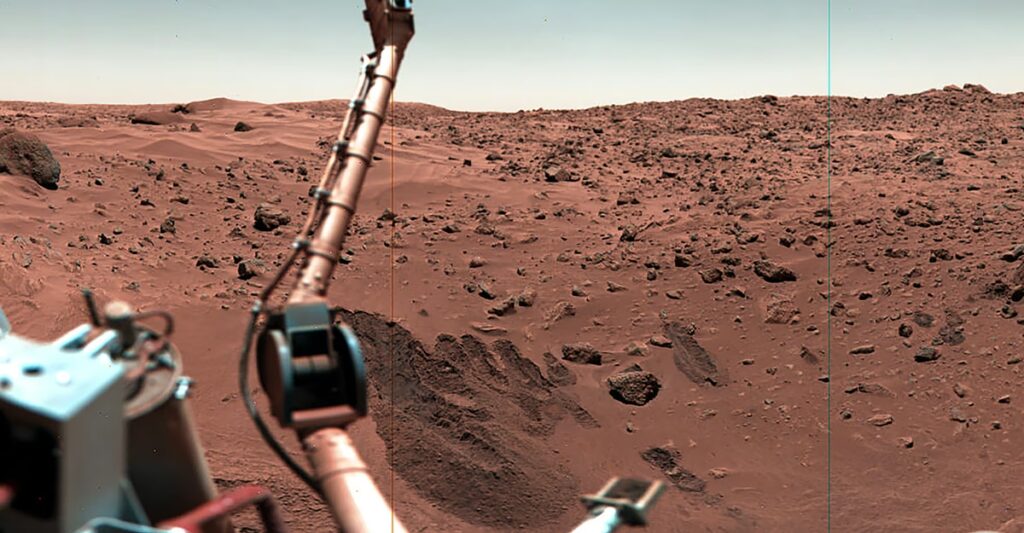
Viking 1’s meteorology instrument stands aloft, on an extended boom, seen against the rocky and sandy surface of Mars on Sol 730. Small trenches visible in the foreground are left over from soil samples gathered by Viking 1’s surface sampler.Lowell Georgia / Corbis / GettyClarence E. Bunnell sets up a model of the Mars Viking spacecraft in June of 1967, during its development phase.Science Photo Library / ReutersViking spacecraft test, 1973. Scientists examine an aeroshell used to test parachutes for the NASA Viking Mars program. The shell was lifted by a balloon to a height of 39 kilometers, where atmospheric conditions are closer to those on Mars. The aeroshell detached from the balloon and fired rockets that propelled it to more than Mach 1.5. The parachute deployed and slowed the craft’s descent back to Earth.NASAAn image of the Viking 1 spacecraft in the configuration it would have on its transit to Mars. The Viking Lander sits inside the shell at top, attached to the Viking 1 Orbiter below, which went on to complete nearly 1,500 orbits after separation.NASAThe planetary-landing spacecraft Viking, under assembly at Martin Marietta Aerospace near Denver, ColoradoNASAOriginal caption, from August 20, 1975: “Viking 1 was launched by a Titan/Centaur rocket from Complex 41 at Cape Canaveral Air Force Station at 5:22 p.m. EDT to begin a half-billion mile, 11-month journey through space to explore Mars.”JPL-Caltech / USGS / NASAThis mosaic of Mars is a compilation of images captured by the Viking Orbiter 1. The center of the scene shows the entire Valles Marineris canyon system, more than 3,000 kilometers long and up to 8 kilometers deep.IMAGO / Piemags / ReutersA color mosaic of Olympus Mons volcano on Mars, seen from the Viking 1 Orbiter. Olympus Mons is about 600 kilometers in diameter, and the summit caldera is 24 kilometers above the surrounding plains.NASAThe “face” on Mars. NASA’s Viking 1 Orbiter spacecraft photographed this region in the northern latitudes of Mars on July 25, 1976, while searching for a landing site for the Viking 2 Lander. The speckled appearance of the image is due to missing data, called bit errors, caused by problems in transmission of the photographic data from Mars to Earth. Bit errors comprise part of one of the “eyes” and “nostrils” on the eroded rock that resembles a human face near the center of the image. Shadows in the rock formation give the illusion of a nose and mouth. Planetary geologists attribute the origin of the formation to purely natural processes. More recent, higher-quality images of the same rock can be seen here.NASAOriginal caption: “This is the first photograph ever taken on the surface of the planet Mars. It was obtained by Viking 1 just minutes after the spacecraft landed successfully early today, July 20, 1976. The center of the image is about 1.4 meters (five feet) from Viking Lander camera #2. We see both rocks and finely granulated material—sand or dust. Many of the small foreground rocks are flat with angular facets. Several larger rocks exhibit irregular surfaces with pits and the large rock at top left shows intersecting linear cracks … At right is a portion of footpad #2. Small quantities of fine grained sand and dust are seen at the center of the footpad near the strut and were deposited at landing.”NASAViking 1 obtained this color picture of the Martian surface and sky on July 24, 1976. Camera No. 1, facing southeast, captured part of the gray structured spacecraft in the foreground. Orange-red surface materials cover most of the surface, apparently forming a thin veneer over dark bedrock. A zone of large dark boulders is present in the far field. The sky has a reddish cast, which is probably due to scattering and reflection from reddish sediment suspended in the lower atmosphere.NASANASA labeled this image, from August 3, 1976, or Sol 14 for Viking 1, “Early Morning Mosaic.” At left sits a boulder named “Big Joe,” about 2 meters (6.6 feet) long and lying about 8 meters (26 feet) from the spacecraft.Reed Saxon / APDr. Thomas A. Mutch, the director of the Viking Imaging Team, discusses a photo of the surface of Mars, at a press conference at the Jet Propulsion Laboratory in Pasadena, California, on July 20, 1976. An enlargement of the first photo sent from the surface of Mars by the Viking 1 spacecraft is projected behind him.NASAAnother morning vista, seen by Viking 1 on August 16, 1976, or Sol 127NASAOn Viking 1’s sixth Martian day, it imaged the planned site for its robotic arm to scoop up soil samples for several biological experiments.NASABig Joe, and other drift-covered rocks, photographed on August 15, 1976, or Sol 25JPL / NASAAugust 21, 1976. This Viking 1 image is one of first images of a sunset as seen from the surface of Mars. The image shows the Chryse Planitia region of Mars about 15 minutes before sunset on August 21, 1976.NASAA panorama of Chryse Planitia, with part of Viking 1 seen at bottom. Viking 1 and its sister lander, Viking 2, returned more than 4,500 photographs during their missions.