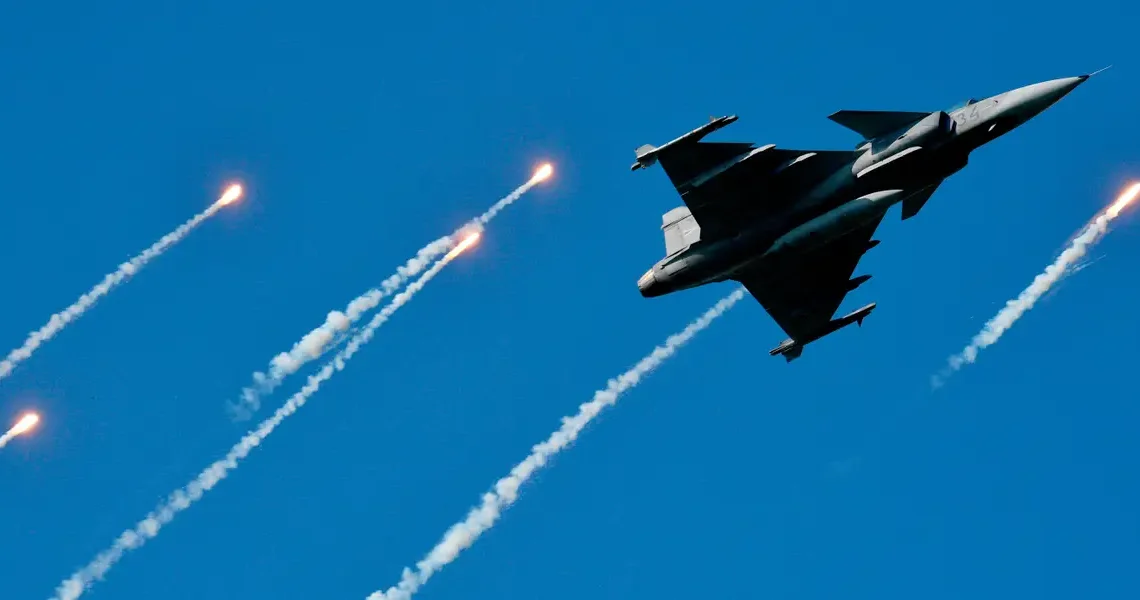
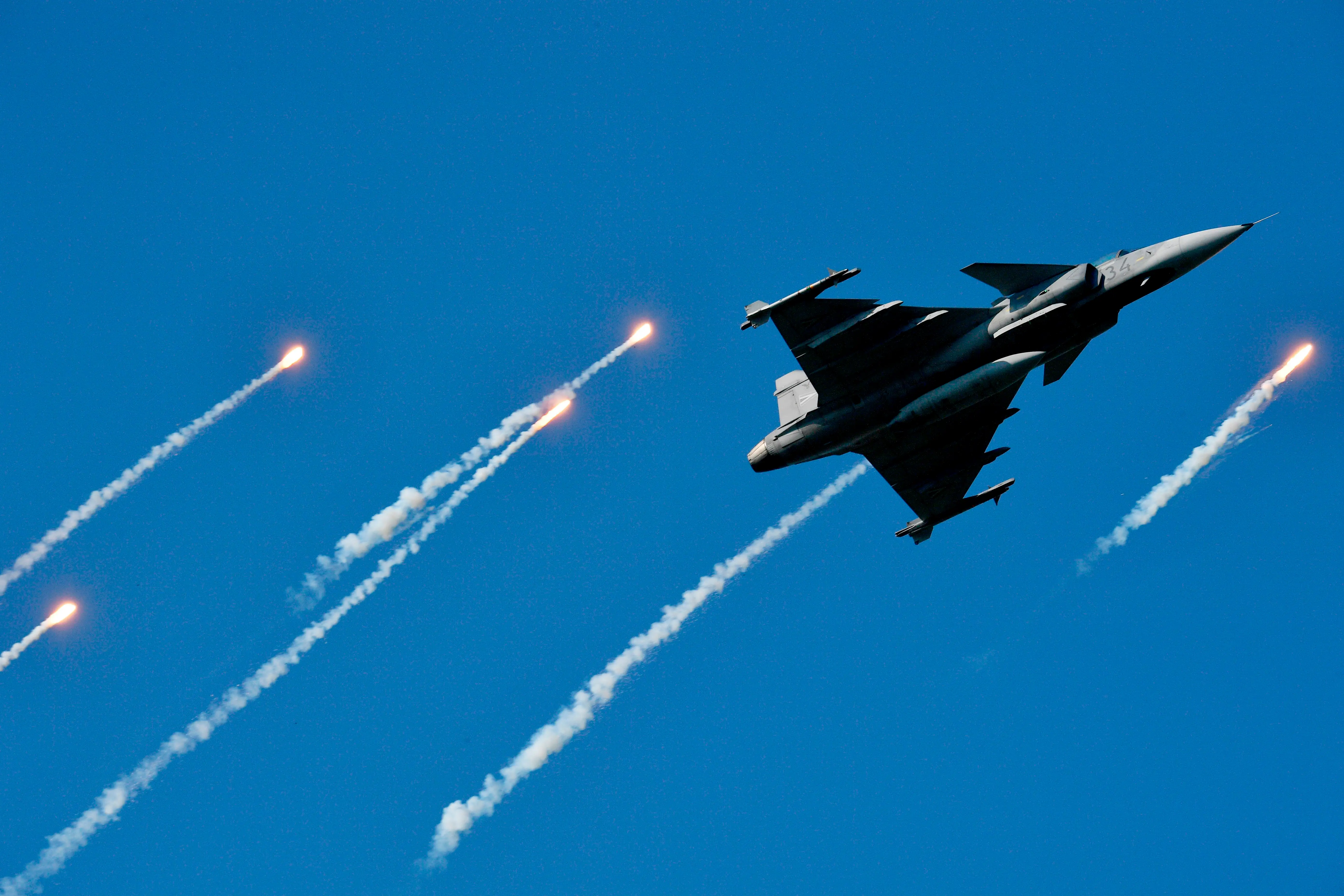
Ukraine is going to be receiving Gripen fighter jets, considered well-suited for its fight against Russia. It’s a development that brings both near-term complications and long-term advantages.
Ukraine’s air force is made up of Western-supplied F-16s, French-made Mirages, and Soviet-era jets. But the Swedish-made Gripen has stood out as a strong fit for Ukraine’s fight: It was designed to stay mobile, operate from austere airstrips, require less maintenance than some other fighters, and survive against the kind of threat Russia poses.
Ukraine is set to receive 16 advanced Gripen E jets under a roughly $2.54 billion deal, Swedish defense company Saab recently announced. Deliveries are expected to begin in early 2029; however, Sweden intends to send Ukraine 16 older Gripen C/D fighters early next year.
Swedish defense minister Pål Jonson called the deal “the first step in Ukraine’s stated ambition to acquire up to 150 Gripen E/F aircraft over time.”
Tim Robinson, a military aviation specialist at the UK’S Royal Aeronautical Society, told Business Insider that the jets not only replace losses but serve Ukrainian combat needs.
He explained that these aircraft were “designed around austere, agile and dispersed operations and quick turnaround times,” which is “exactly the sort of doctrine that Ukraine has adopted successfully to have its air force survive and fight back.”
That design fits how Ukraine has had to fight: keeping its aircraft dispersed, moving between bases, and avoiding the kind of fixed targets Russia can more easily strike.
Developed at the end of the Cold War with Russia’s Sukhoi fighters in mind, the Gripen was designed for a war in which airbases and runways are targeted and aircraft need to disperse for operations that break with traditional practices, such as taking off and landing on civilian roads.
The Gripen E, an advanced fourth-generation aircraft, is the most modern variant and a major upgrade over the C/D. It was introduced to Sweden’s own air force late last year.
A Ukrainian fighter pilot said last year that the Gripen was the only jet “for which I am ready to sell my soul,” calling it the “ideal option” for Ukraine.
Michael Bohnert, a warfare expert at the RAND Corporation, previously told Business Insider that “Gripens are a way better fit for Ukraine” than the F-16 because they’re “a little more purpose-built” for what Ukraine needs. Sweden, “being under that Russian threat, designed the Gripens to fight this way that F-16s weren’t.”
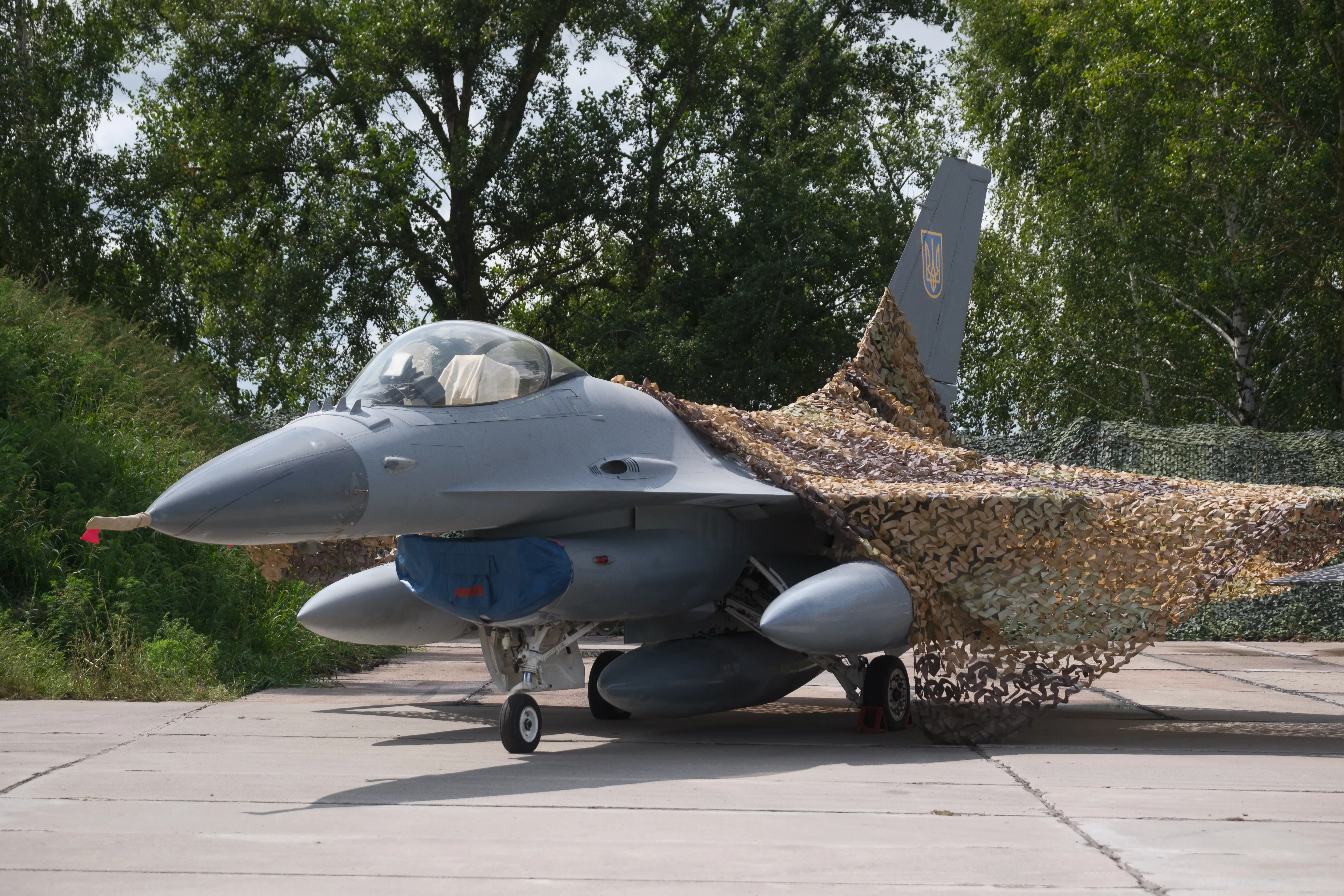
But while introducing a new jet type creates opportunities, it also creates new challenges. The training for and integration of different jet types is difficult, as is managing a host of jets with very distinct parts and logistics chains, airbase needs, and maintenance requirements.
Mark Cancian, a senior adviser at the Center for Strategic and International Studies, told Business Insider that with so many jet types, “the practical problem is maintaining parts and repair facilities for many different kinds of aircraft. They all need different kinds of parts. They need different training for their mechanics.”
It also requires “maintenance facilities with all the special tooling and special knowledge for a particular aircraft kind. So it is very inefficient to run multiple aircraft types. Now in wartime, you accept inefficiency, but in peacetime, you want to get more efficient, and reducing the number of types is one way to do that.”
Robinson likewise said that “introducing small numbers of a brand-new combat platform can always be a challenge.” However, “the Gripen’s low support footprint and ease of maintenance should make this arguably easier than perhaps other complex or demanding fighter types,” he added.
Still, this has been a point of concern.
Tobias Billström, then Sweden’s minister for foreign affairs, said in 2024 that Ukraine had paused efforts to acquire the Gripen because it had “reached the conclusion that to bring on board two air fighter systems at the same time, both F- 16 and Gripens, were to be too much.”
“It’s not just a question about receiving airplanes and training pilots,” he said, pointing out that “these are complicated systems, and to have two of them at the same time being implemented was too much.”
After receiving F-16s, Ukraine’s air force later picked up French Mirage fighters, leading Sweden, in response to directions from allies, to hold off on offering its fighter to Ukraine.
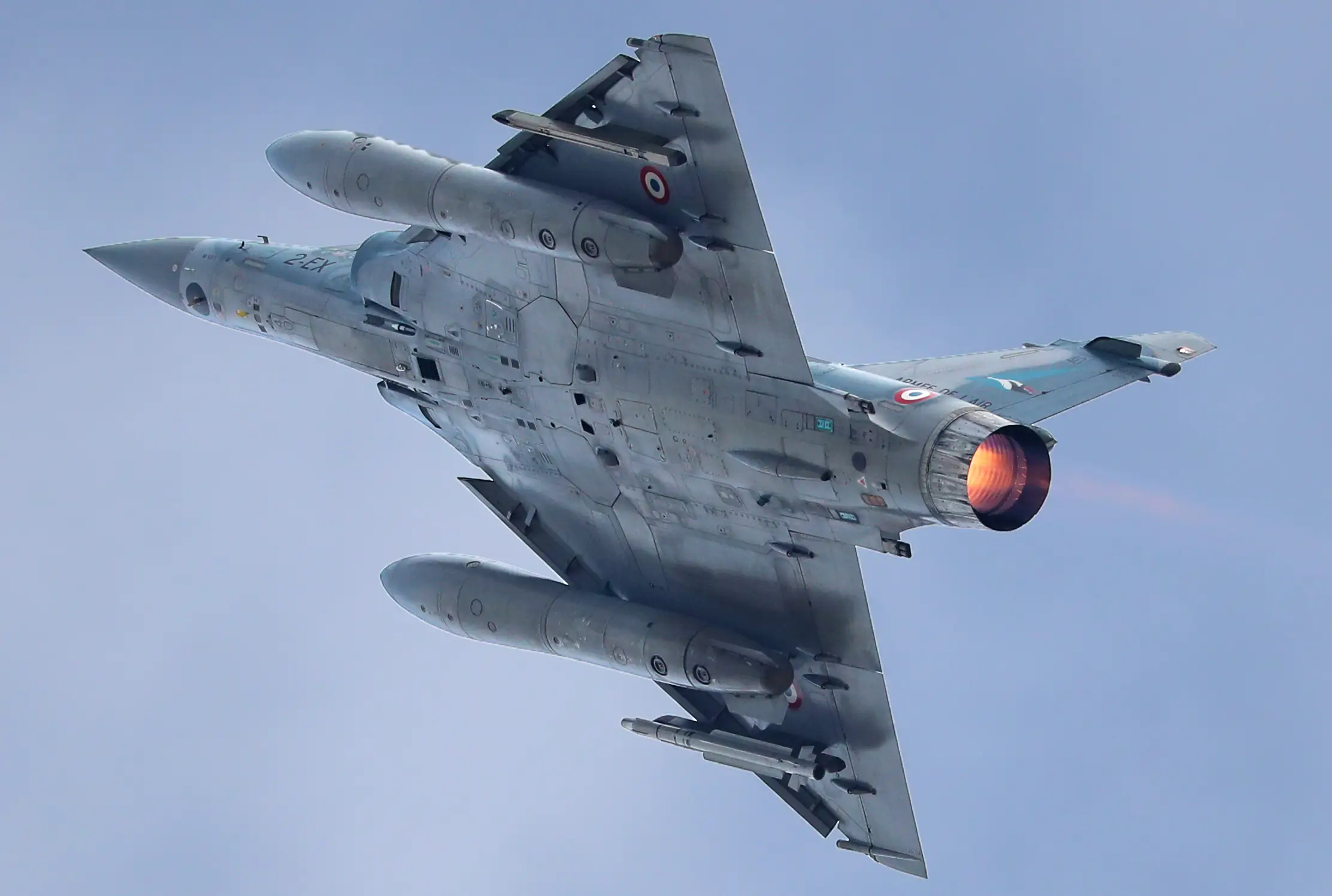
Ukraine is now further along, having flown the F-16s since August 2024, and it has brought its Mirages into service as well. Ukrainian pilots have also been training on the Gripen in Sweden since 2023.
And the advantages outweigh the challenges. Ukraine wants to align its military as closely as possible with the West and become part of its defense ecosystem. Even if this current war ends, there is a risk of further Russian aggression.
Robinson said that diversifying its weapon suppliers also “gives Kyiv strategic resilience should there be geopolitical changes that restrict either use of the aircraft or the supply of spare parts.”
A more diverse fighter fleet may be harder to manage, but it also leaves Ukraine less dependent on any one partner.
Cancian said Ukraine may also see value in having more than one supplier. Relying only on F-16s would leave Kyiv dependent on Washington, while an all-Gripen fleet would make it dependent on Stockholm.
For Ukraine, the Gripen deal is not just about adding another fighter. It is about building an air force with more options, more suppliers, and deeper ties to the Western militaries Kyiv expects to rely on long after this war ends.
Read the original article on Business Insider
The post Ukraine is finally going to get Gripen fighters built for a Russia fight, but new jets come with new challenges appeared first on Business Insider.