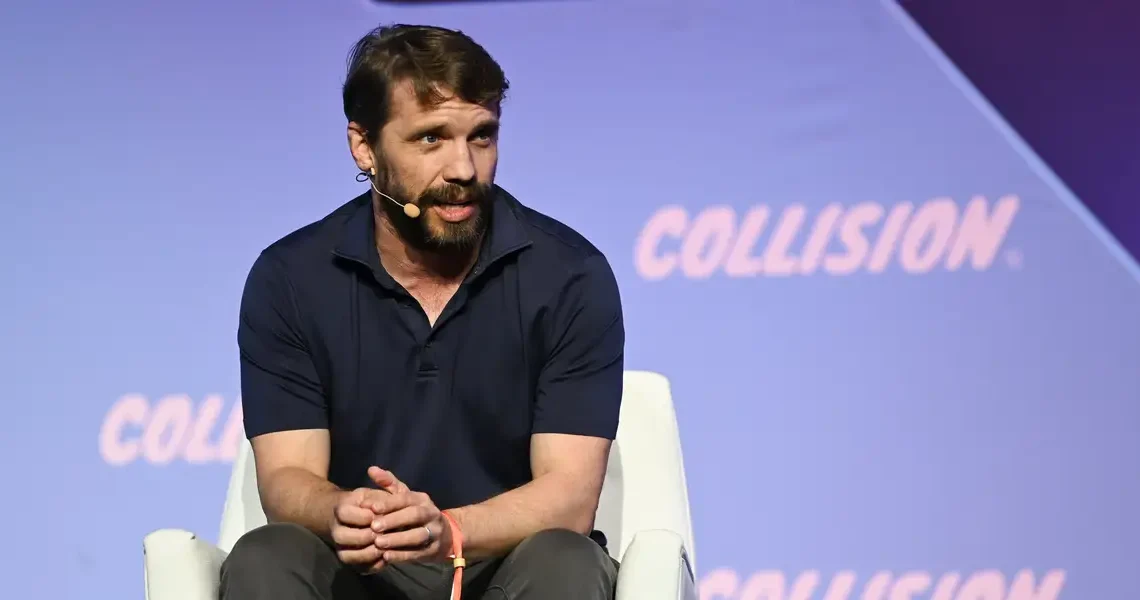
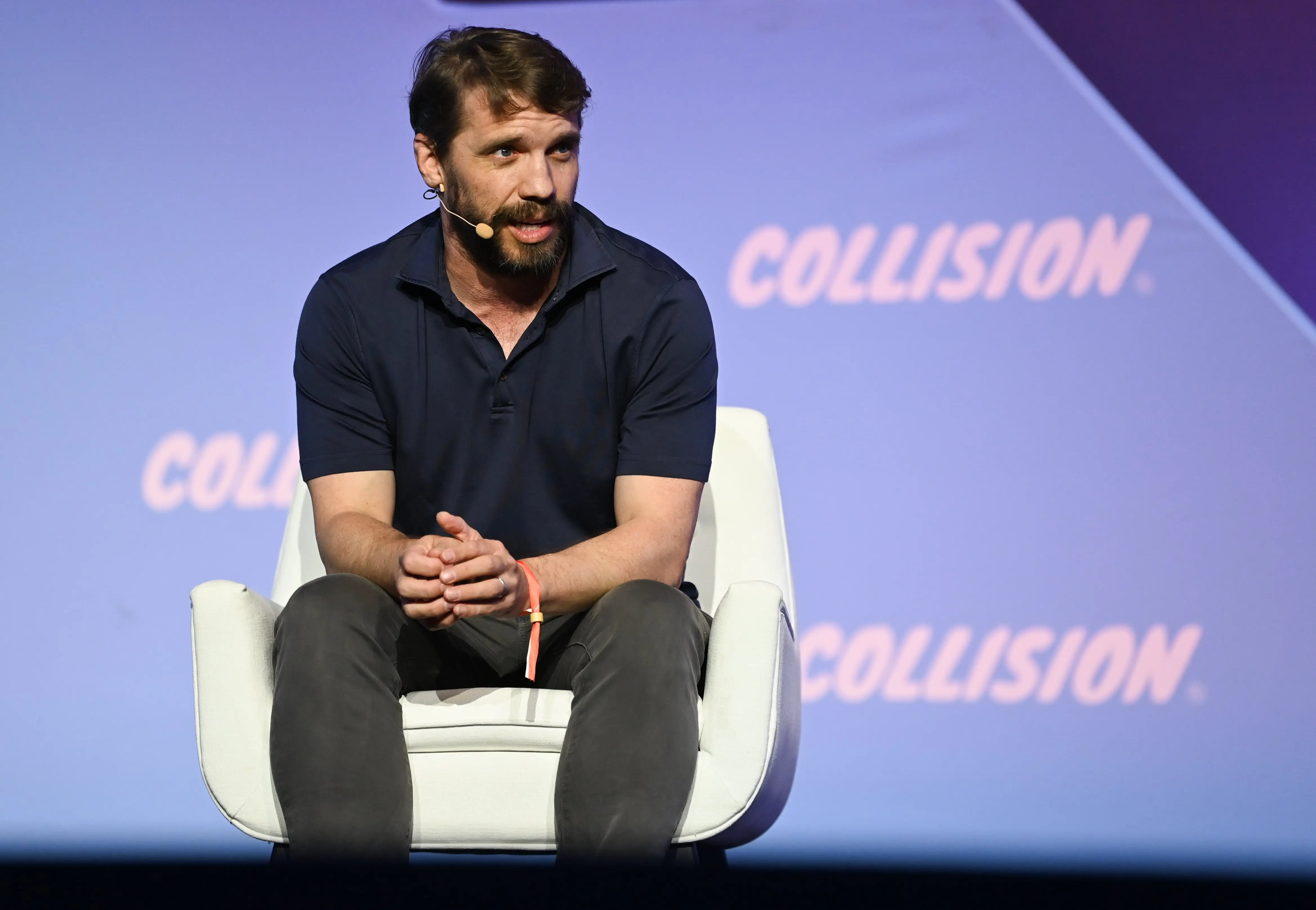
Ryan Petersen has a blunt view of the future of work.
During an interview on the “Twenty Minute VC” podcast, the CEO of Flexport, a global freight forwarding and customs brokerage company, said his firm will likely keep staffing headcount flat while spending more on AI.
He also expects employees to clock in at the office, and didn’t mince words describing what he thought about remote work.
At one point in the interview, Petersen called remote work “white collar fraud” — citing workday distractions and a decay in workplace culture.
“I have a three-year-old and a five-year-old. The idea that I could do any work at my house is like a total fantasy,” Petersen said. “And, like, I have a bigger house than most employees do. Like, I actually do have a private office I can close the door on. It doesn’t matter — there’s no work getting done at that house when the kids are around.”
Beyond the remote work debate, Petersen also touched on another growing tension in businesses today: executives are pouring money into AI tools that could one day automate expensive white-collar tasks, while also redefining which human roles matter to their business.
Petersen said Flexport is spending about $5 million a year on AI models. When asked whether that could rise to $20 million in five years, he said it was “possible.”
But the CEO said his company, which currently employs just under 2,000 people, could maintain the same head count in three or four years, because he needs humans that are good at sales and using AI tools.
“There’s every business on the planet that needs to ship something anywhere,” he said. “There’s a lot of boots on the ground that you want to just to interface with those companies.”
He said some employees doing manual operations work would need to move into more customer-facing roles, such as sales and account management. If they cannot make that shift, he said, Flexport may have to “rebalance.”
California-based Flexport — which became one of the highest-profile logistics startups during the pandemic-era supply-chain crunch and has raised money from investors including Peter Thiel’s Founders Fund and Google Ventures — uses OpenAI and Anthropic, Petersen said. He added that the firm’s spending on AI models has doubled in recent months.
He’s still bullish on the tech, despite the growing line item.
“These things are just incredible, miraculous products,” he said. “What I worry about is that they cut us off and then we can’t use it anymore. And like, if I can’t use OpenAI, we’re all just going to go back to being idiots we were two years ago.”
The internet responds
Petersen’s comments about remote work struck a nerve online.
Online pushback to Petersen’s remarks came from parents who said they often rely on remote work to manage caregiving responsibilities. Several said working from home allows them to develop better relationships with their kids.
I’ve been on a webinar breastfeeding a 10 week old, ran an all hands with a four year old literally climbing my shoulders, shipped code with a baby in a carrier, podcasted w a quiet 9 year old in the corner, approve PRs while doing the sleep lady shuffle (iykyk), skill issue. https://t.co/byL2PQ8iXE
— claire vo 🖤 (@clairevo) June 22, 2026
Other tech workers also argued that AI makes remote work easier to track, not harder.
“Now that a fully-agentified company is possible — where you’re hiring employees that use agents, you use agents, and the company itself has complete visibility into the work that’s being done — I think that this just isn’t relevant anymore,” Ryan Carson, the founder and CEO of Untangle, said in a video. “If you hire good people, and they’re using agents aggressively, everything they do is documented.”
The return-to-the-office debate has raged in the years since the pandemic ushered in an era where cubicles were replaced by Zoom and Slack.
Business leaders, including Amazon CEO Andy Jassy and AT&T CEO John Stankey, have said in-office work leads to better communication, brainstorming, and a stronger culture while announcing a 5-day office return.
Elon Musk has made a more moralistic argument. In 2023, Musk said remote work was “morally wrong” and unfair to lower-wage factory workers who had to show up in person every day, adding that he thought the “laptop class is living in la la land.”
Other companies have settled on a hybrid setup, and some have embraced a “remote-first” approach.
As Petersen’s remarks ricocheted around social media, the CEO said criticizing remote work was one of the “most reliable ways to go viral.”
“I haven’t seen any logistics CEOs disagreeing with me in the comments sadly,” he wrote on X. “I want my competitors to be work from home but they stubbornly refuse.”
Read the original article on Business Insider
The post Flexport CEO reignites debate over remote work after likening it to ‘white-collar fraud’ appeared first on Business Insider.