Will Britain’s next leader be chosen by contest or by something more like a coronation?
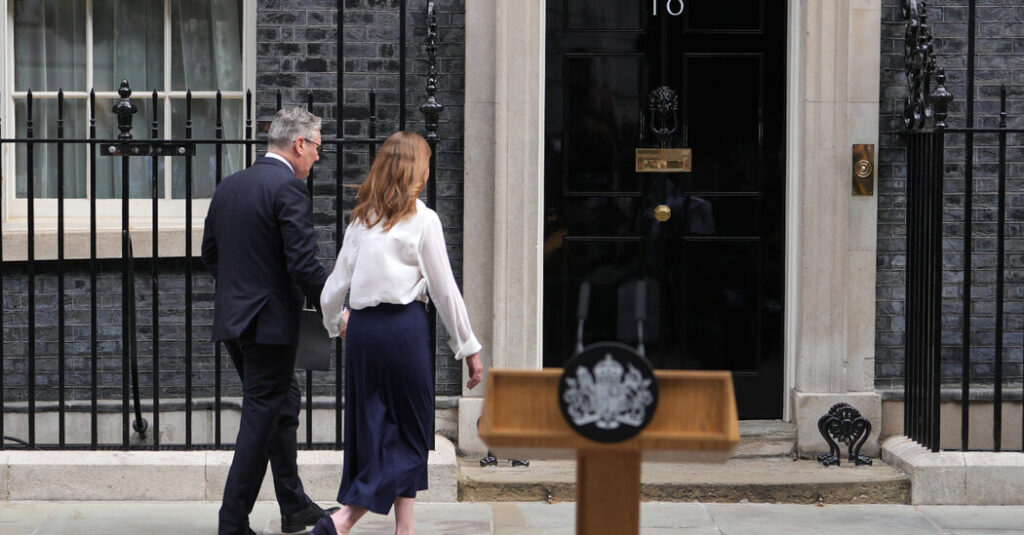
In his resignation statement on Monday, Prime Minister Keir Starmer announced a timetable for his departure from Downing Street that left open two options for the process to replace him.
Option 1: A full leadership contest
Under this scenario, a competition would take place to replace Mr. Starmer as the Labour Party’s leader and — because of the majority the party has in Parliament — as the prime minister.
In his speech, Mr. Starmer said that he would ask Labour’s governing National Executive Committee to open nominations for party leader on July 9 and to close them by the time Parliament takes its summer recess. No exact date has been decided yet but is likely to be between mid to late July.
To run, a candidate needs the support of 81 Labour lawmakers and of a small number of constituency parties and trade unions or other groups affiliated with the party.
The favorite is Andy Burnham, a popular Labour politician and the former mayor of Greater Manchester, who won a parliamentary seat last week in a special election.
Several other Labour politicians have given signs they might take part in a contest, including Al Carns, the former armed forces minister. But the person who was considered the most likely to join a contest, Wes Streeting, the former health secretary, ruled himself out on Monday by endorsing Mr. Burnham.
Should anyone other than Mr. Burnham have enough support to join the field, the final choice would be made in a vote of the Labour Party’s fee-paying members and affiliated trade union supporters.
In this scenario, a new leader would be “in place before Parliament returns in September,” Mr. Starmer said. That date has not been set but is usually early in the month.
Option 2: Burnham is the only candidate and wins by default
If Mr. Burnham is the only candidate by the time nominations close, he will win by default and secure the position of Labour leader some time between the middle and the end of July.
Once that has been confirmed, Mr. Starmer would make the short journey to Buckingham Palace to formally offer his resignation to King Charles III, concluding his time as prime minister.
Shortly afterward, Mr. Burnham would also visit the king and be invited to form a government and replace Mr. Starmer — a formality that, under the British system, would confirm him in the country’s top political job.
The post Who Will Replace Starmer? Here’s What Happens Next. appeared first on New York Times.