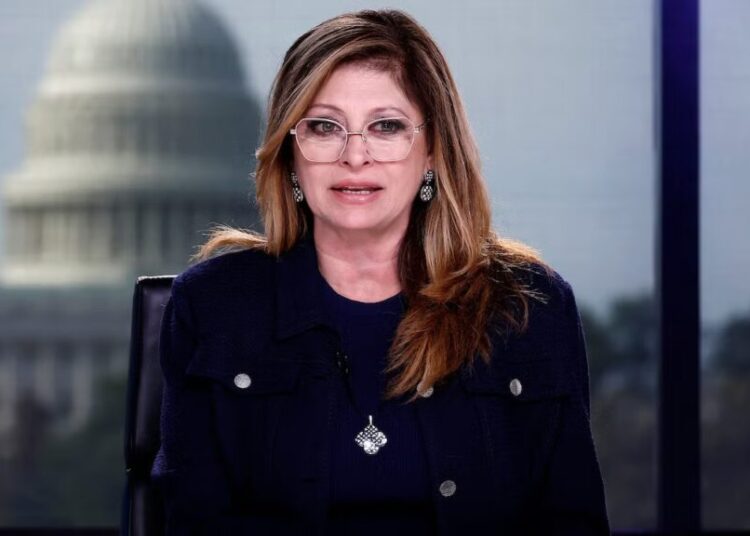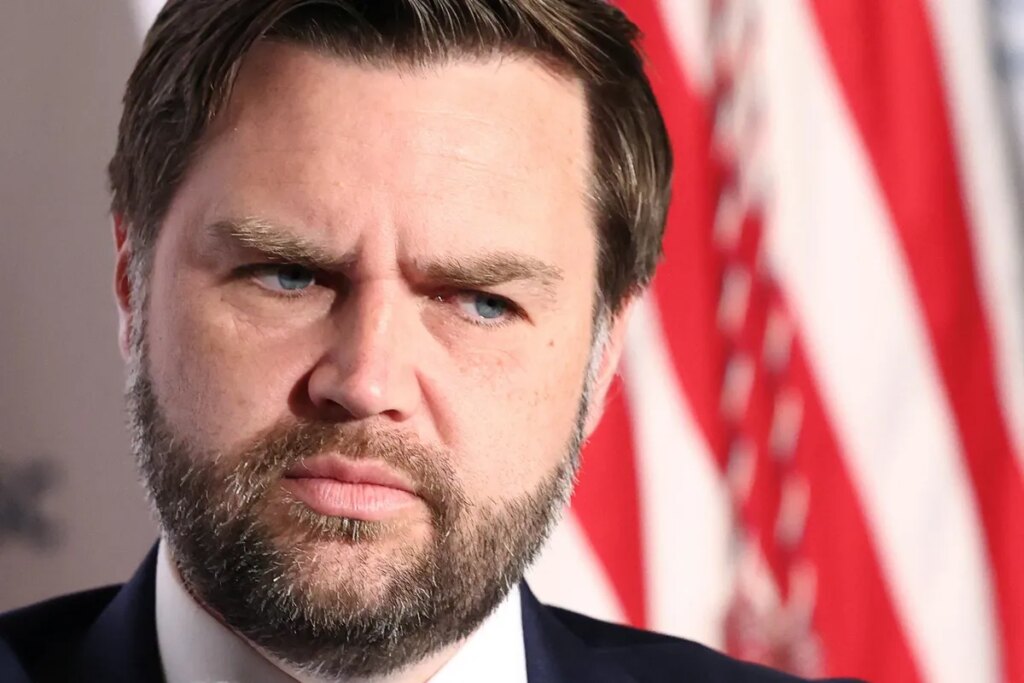
Vice President JD Vance convened an urgent Situation Room meeting to address a spiraling crisis after the Justice Department’s memo denying the existence of an Epstein client list “backfired spectacularly,” triggering a firestorm within the MAGA base and prompting the Wall Street Journal to prepare a damaging article about Trump’s relationship with the disgraced financier. That is according to a bombshell New York Times report based on an upcoming book by Maggie Haberman and Jonathan Swan, who described Vance as appearing “panicked” as he told assembled senior officials: “This is a huge problem.” Ten days earlier, the Justice Department and FBI had jointly released a memo stating bluntly that their review found no “client list”of powerful men for whom Epstein allegedly procured underage girls and young women. Intended to quash years of speculation and end pressure campaigns for document release, the memo produced the opposite effect—igniting loud backlash among Trump’s base. According to the new report, Vance gathered the White House’s top tier: Chief of Staff Susie Wiles, White House Counsel David Warrington, Press Secretary Karoline Leavitt, Deputy Chief of Staff Taylor Budowich, Communications Director Steven Cheung, Deputy Attorney General Todd Blanche, Associate Attorney General Stanley Woodward Jr., and Deputy Chief of Staff James Blair. Attorney General Pam Bondi and FBI Director Kash Patel joined via speakerphone. According to those present, Vance appeared to have embraced conspiracy theories about Epstein and a hidden cabal of predators within America’s ruling class. Wiles later told others that the vice president had revealed himself to be “a major conspiracy theorist.” Another top official reported that Vance had been obsessively focused on the Epstein issue since the memo’s release, privately pressing for full document disclosure and even encouraging a congressional investigation. Vance proposed an extraordinary PR maneuver: enlisting Tucker Carlson to interview Epstein’s longtime girlfriend and co-conspirator Ghislaine Maxwell in prison. If Maxwell agreed to state Trump had no involvement in Epstein’s wrongdoing, the optics could prove valuable to the president, Haberman and Swan are reporting. But Vance’s core argument centered on releasing all Epstein files immediately. He contended that Congress would eventually force disclosure anyway, with bipartisan momentum clearly building on Capitol Hill. Getting ahead of the story by voluntarily releasing everything—including material about Trump—would at least demonstrate transparency and break the news cycle. “The alternative was to let the story drag on for months as information dripped out, each new revelation renewing the cycle of suspicion and fury. Better to rip the bandage off and move on,” according to the account. Vance pushed even further, arguing the administration should release unsubstantiated allegations and anecdotes about Trump. “They were going to surface regardless, and if the administration published them first, it would demonstrate good faith and take the oxygen out of the conspiracy theories,” he reportedly said. His arguments encountered skepticism from most in the room. However, some advisers believed the administration should have Justice Department officials hold a news conference to explain their Epstein position—going beyond the memo that triggered the crisis.
The post ‘Panicked’ JD Vance rushed to cover-up Epstein files ‘huge problem’: bombshell report appeared first on Raw Story.