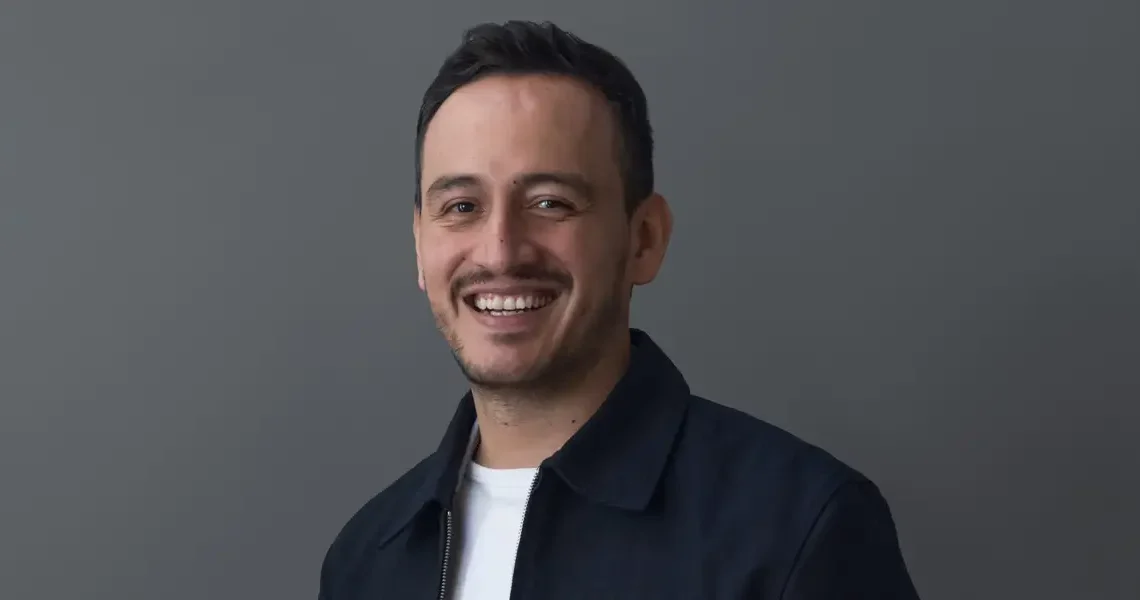
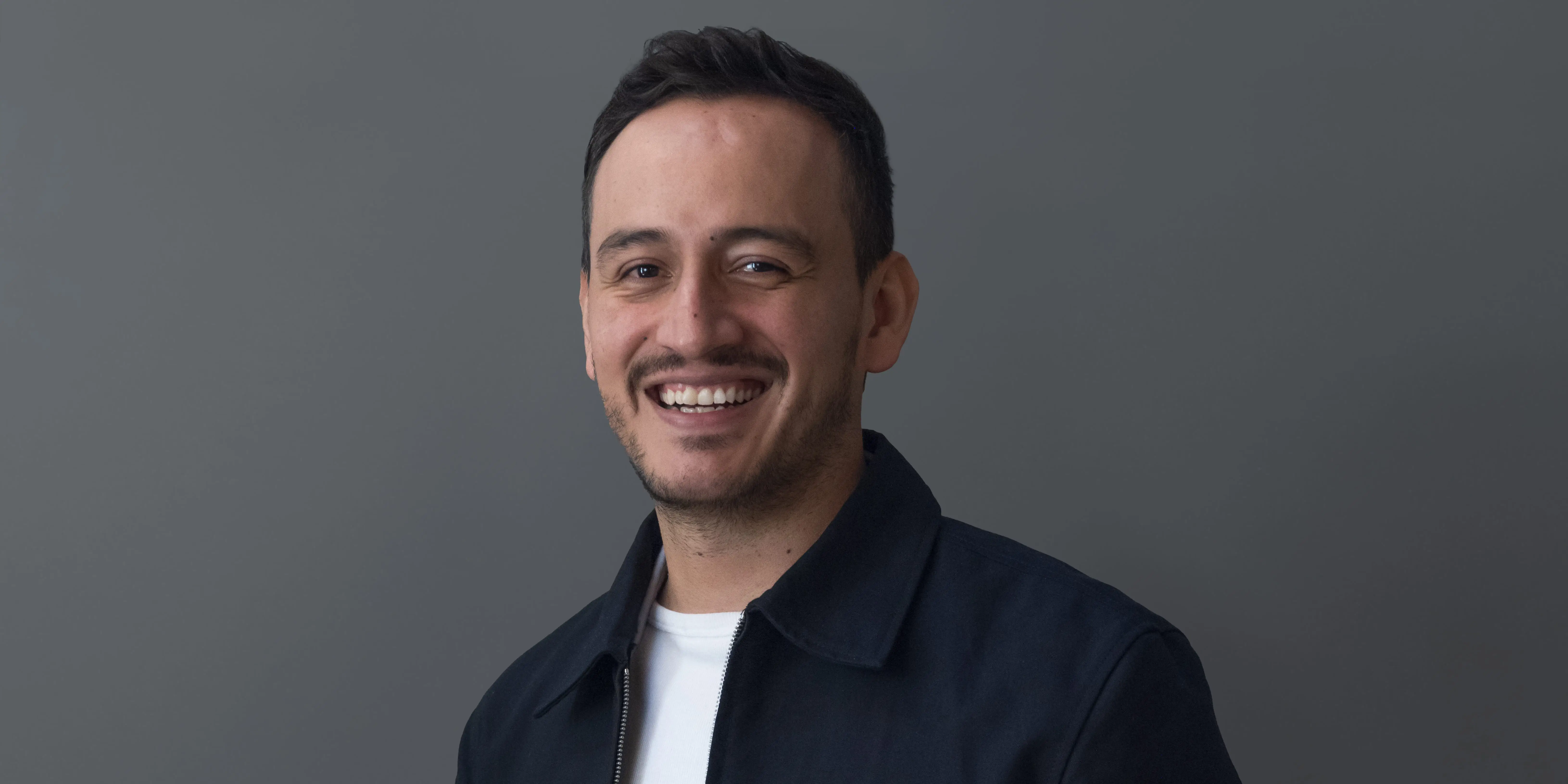
For Felipe Chavez, the future of robotics might look something like an idyllic yogurt commercial.
No, really. During Business Insider’s visit to Robot.com’s headquarter in San Francisco on Thursday, Chavez, who is the co-founder and CEO, took out his laptop and played a Chobani commercial.
The video had the whimsy of a Studio Ghibli movie. Light flutes played over scenes of frolicking children, while farmers, animals, and robots peacefully co-existed with the natural world. There was balance. And yogurt.
In Chavez’ vision, the organic world is still prioritized, animals are “very important,” and people pursue the things that they enjoy like art or cooking. Nothing is wasted on the superfluous and mundane — in part, thanks to robots.
“The mission that we have as a company is to bring automation to the physical world, to free human beings from labor that they don’t want to do and that they can now actually pursue their meaningful life,” he said.
It’s a loftier way to frame Robot.com’s bet: Machines will first take over the boring, repetitive, physical work that so often leads to high turnover.
Chavez said he came to the realization as he was making deliveries for his first startup. Before launching Kiwibot in 2017, a campus robot delivery outfit that later became Robot.com, Chavez ran a grocery-delivery company akin to Instacart in his home country of Columbia. The startup was completely bootstrapped, he said, which sometimes meant he completed some deliveries himself.
“In that company, I realized that the manual work could be very exhausting and it could be very boring,” he said.
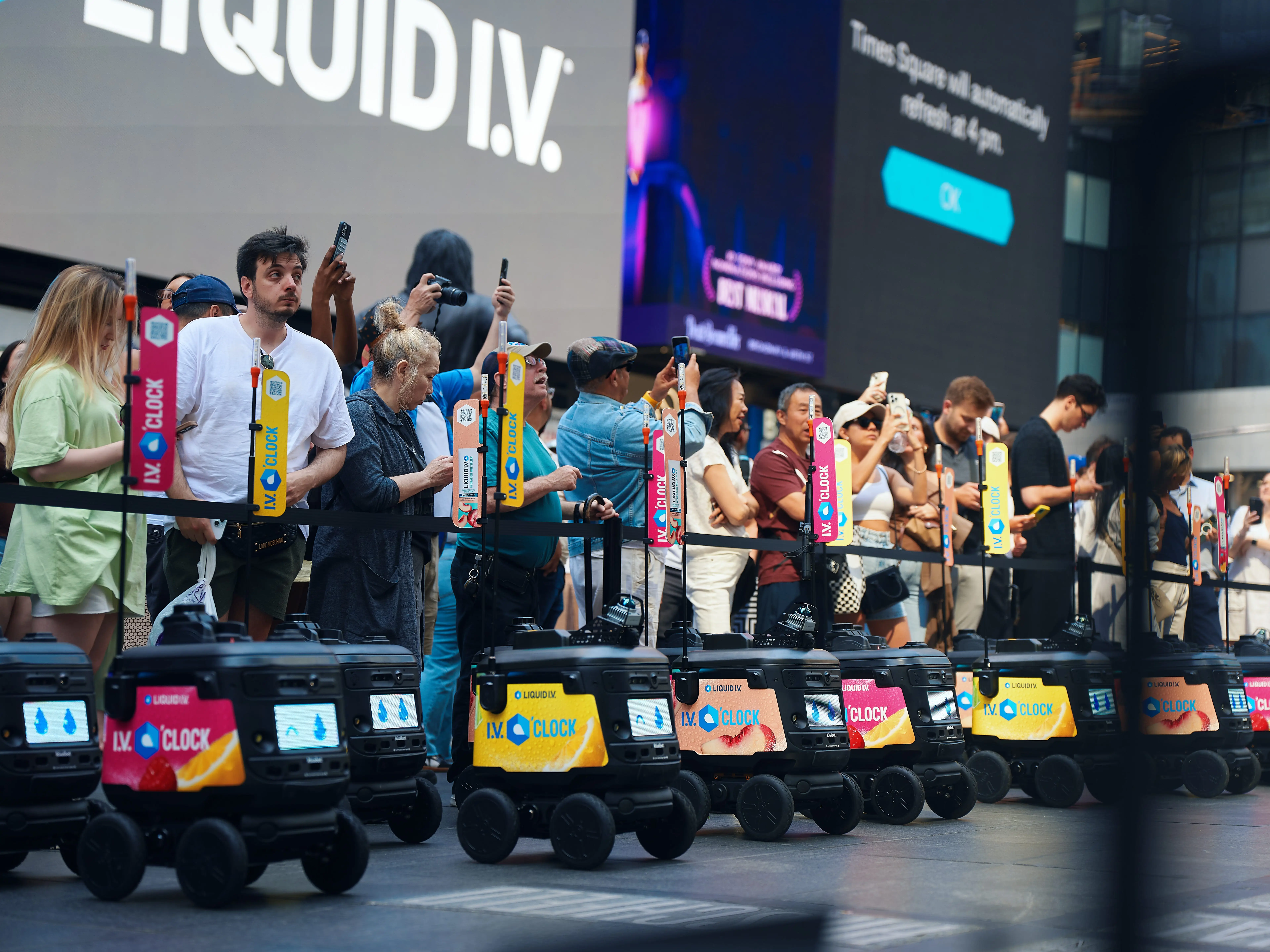
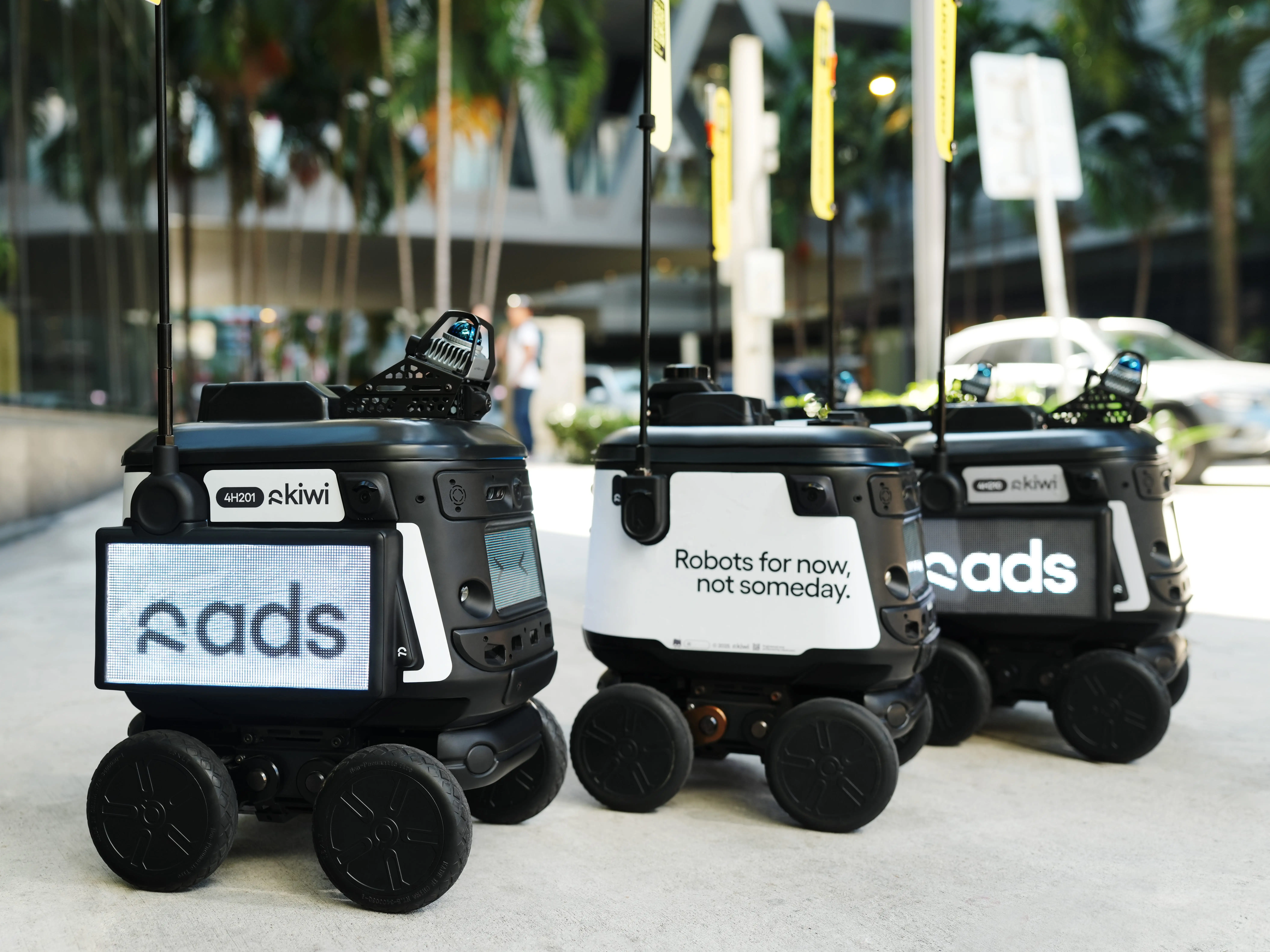
Today, Robot.com says it has more than 500 working robots deployed and has completed more than 2.5 million tasks. Most of the robots — around 400 — are still delivery robots, Chavez said, but the company has been expanding into other areas, including warehouses, food service, and advertising, where robots will act like roving billboards.
The company isn’t pitching a general-purpose humanoid that can do everything. Instead, Chavez imagines an entire ecosystem of robots, in different form factors, each responsible for small, specific tasks.
He described one scenario from Robot.com’s food-delivery business. As the robot-delivery business grew, restaurant workers found they had a new chore: walking outside to place the to-go containers inside the robots.
This new interaction created friction. Chavez said customers had to retrain workers or even hire extra people. In other words, automating one task exposed another one, pushing the company to start thinking about a “manipulation solution,” or a robot that can grab and handle items.
Chavez said his company now analyzes labor by breaking it down into specific tasks to identify which areas can be handled by robots. Robot.com’s future robotics pipeline will follow a simple rule of thumb.
“If you can do it with two fingers, very likely we will be able to do it,” the CEO said.
The startup’s vision is relatively modest compared to the humanoid-robot hype captivating the rest of Silicon Valley.
Companies like Figure AI and Tesla are building bipedal robots with five fingers, which means they’ll first have to solve the herculean problem of full dexterity and manipulation. If they can do that and solve manufacturing challenges, the companies say the robots will work in warehouses, factories, homes, and other physical environments.
Elon Musk has said this will lead to an “infinite money glitch” in which people will no longer have to work and can rely on a universal income.
While Chavez said he doesn’t doubt that humanoids will one day proliferate the world, Robot.com’s version of the near future is grounded less in personal home servants and more in the less glamorous parts of service work, like sorting, moving, and handing items off.
Chavez said his 20 or so customers at present are also thinking less about replacing their workers and more about improving workforce satisfaction and reducing turnover.
“The people that are working right now are going to feel better,” he said. “They’re going to maybe not do that repetitive tasks and focus on customer-centric experience and not resign after seven months.”
Companies like Boston Dynamics and Agility Robotics have similarly pitched an optimistic outcome for robotics — one where humans are upskilled, not replaced.
Still, those very companies have to contend with a massive labor force that relies on so-called simple jobs. Estimates from the Bureau of Labor Statistics showed there were about 3.8 million fast-food and counter workers, 3 million “laborers and freight, stock, and material movers,” and 2.8 million stockers and order fillers in 2024.
Chavez said humans will still be essential in a robotic future. Humans, after all, maintain and guide Waymo robotaxis at remote centers or train humanoids through teleoperation, he said.
The CEO invoked the solarpunk movement — the antithesis of the dystopian cyberpunk vision in which humans live on the margins of a world overrun by robots.
In an ad for Robot.com, humans peacefully co-exist with their robot counterparts. They could be delivered a cup of coffee along their daily commute. They could even wave hello, as Robot.com imbues their machines with some personality.
Maybe they’ll be served a yogurt ad along the way.
Read the original article on Business Insider
The post This robotics CEO wants to automate the work that makes people quit appeared first on Business Insider.