CIOs are worried their AI budgets are starting to max out with nothing to show for the costs incurred.
Uber COO Andrew Macdonald gave voice to the growing concerns when he said that he’s yet to see direct improvements in line with AI spending.
The rise of budget consciousness stands in stark contrast to the freewheeling “tokenmaxxing” culture some companies adopted as AI agents began to spread. Many companies didn’t adopt the leaderboards that made the initial wave of tokenmaxxing go viral, but AI costs are rising across the board.
Here is what tech executives, engineers, and analysts are saying about the brewing backlash:
Andrew Macdonald, Uber COO
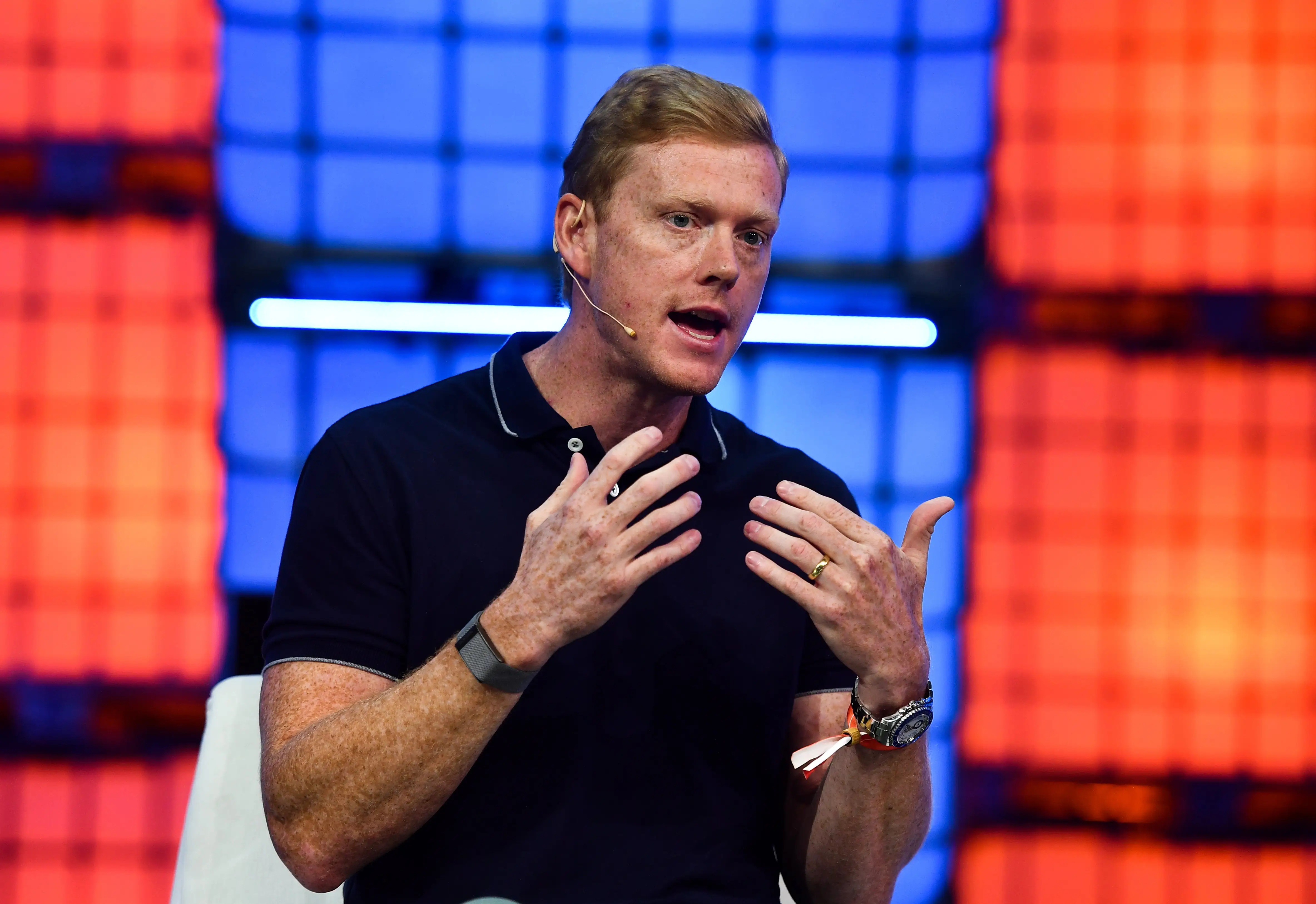
Uber COO Andrew Macdonald set off a discussion about a potential reckoning over AI costs when he said the rideshare giant wasn’t seeing productivity gains relative to its overall bill.
“That link is not there yet, right?” he told Rapid Response. “I think maybe implicitly there is more that is getting shipped, but it’s very hard to draw a line between one of those stats and, ‘Okay, now we’re actually producing 25% more useful consumer features.'”
Macdonald’s comments came after Uber CTO Praveen Neppalli Naga went viral for saying the company had already blown through its Claude Code budget for the year by April.
Sam Altman, OpenAI CEO
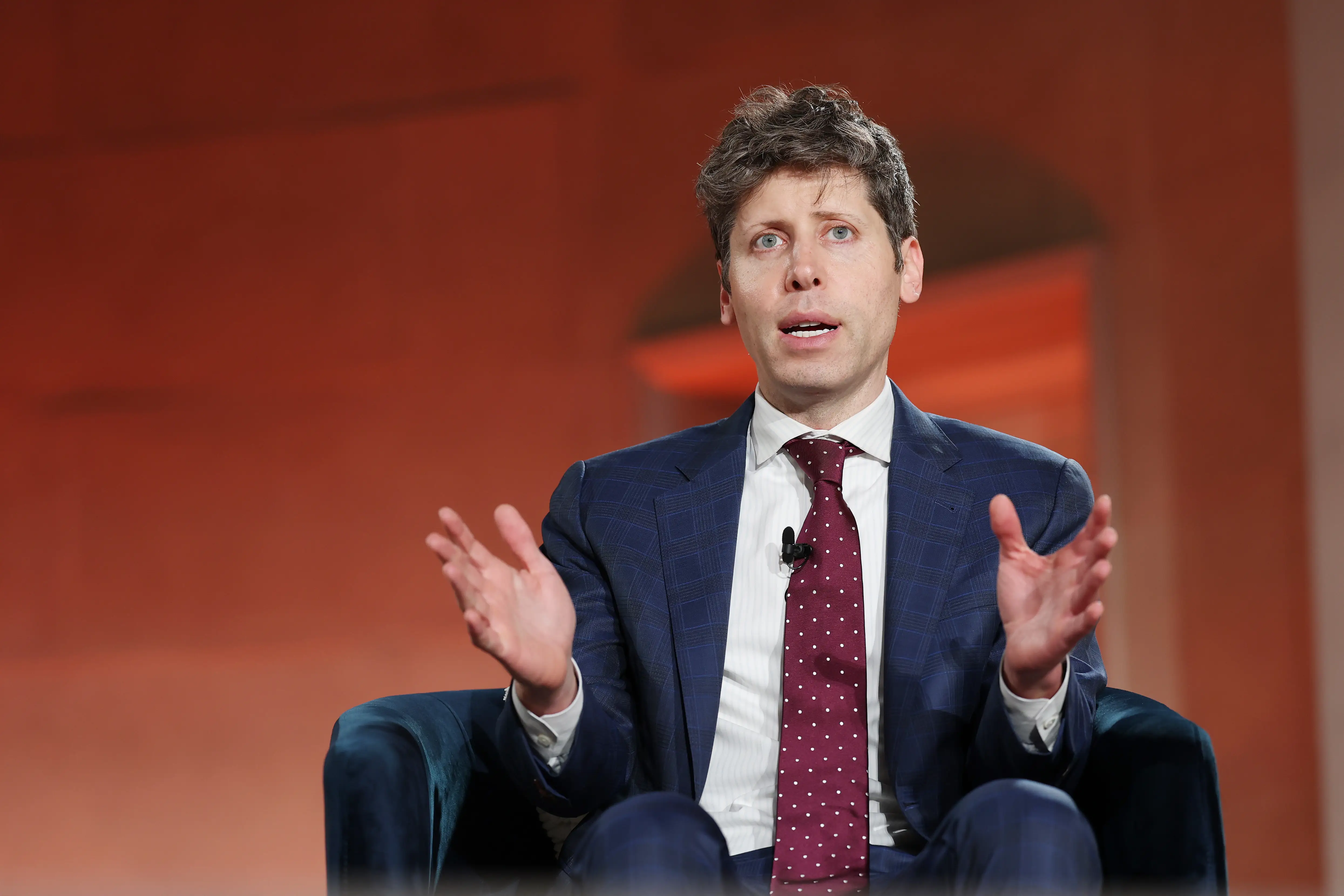
OpenAI CEO Sam Altman said it’s a fair criticism for companies to ask where their money is going.
“I think this is the most fair contribution — criticism right now of AI, which is, you hear companies saying, I am spending a ton of money on AI,” Altman told CNBC during an interview on June 1. ‘And I know some great stuff is happening, but I know there’s a ton of waste, and you know, when — how long do I have to wait for it to really show up in revenue, and how long do I have to wait to really get the costs under control?”
Altman said that he assumes the AI industry will “figure that out pretty quickly.”
Previously, the OpenAI CEO said one of the negative things he hears from companies is that “people feel like they’re being very productive,” but they aren’t seeing actual gains.
“‘Where is the revenue, where are the actual productivity gains?'” Altman said during a recent virtual appearance at an AI event in Australia, according to Forbes Australia.
Scott Galloway, New York University Stern School of Business professor
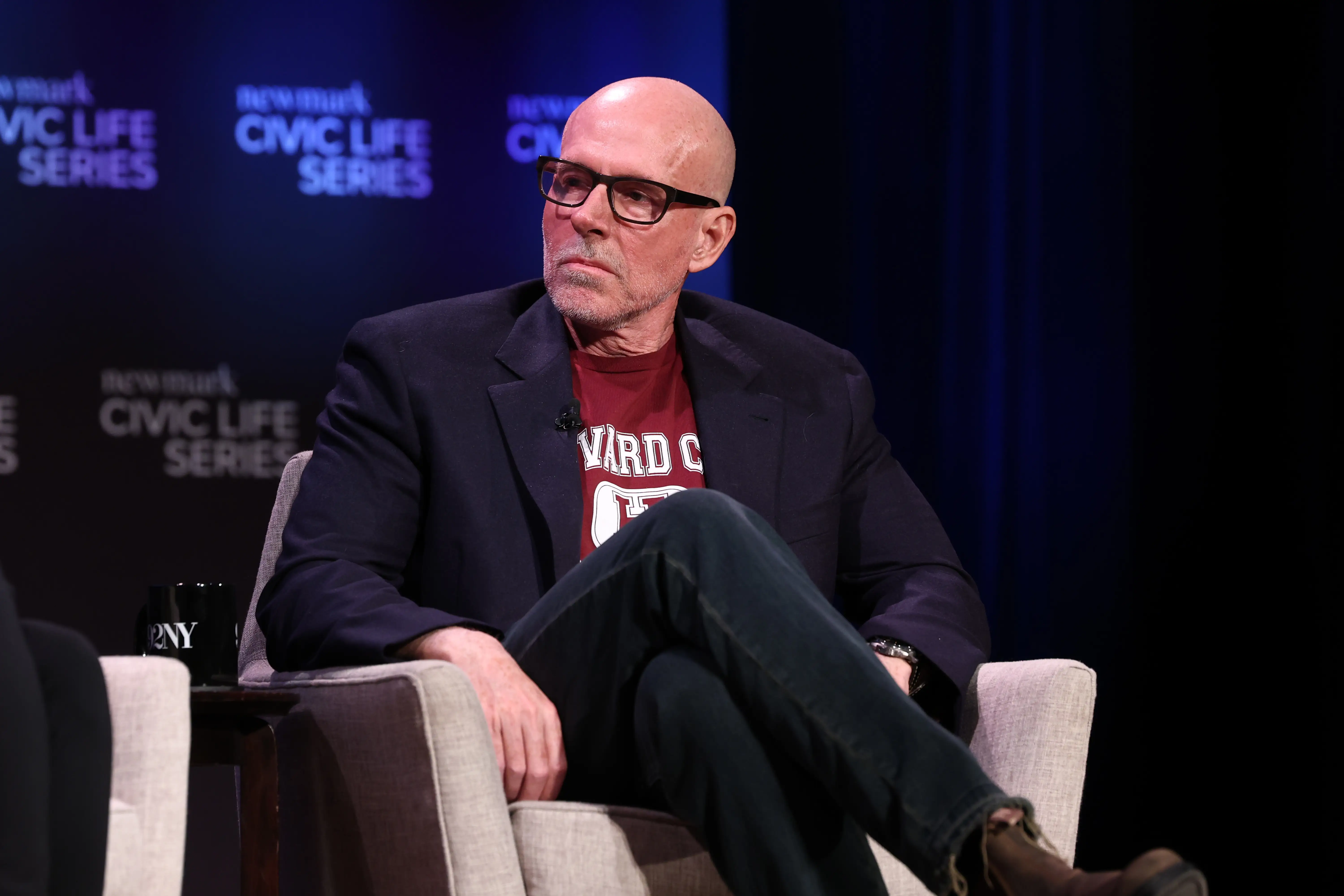
Scott Galloway said the current moment “feels like ’99,” as in right before the dot-com bubble burst.
“I’m waiting for the first CEO to come out and say, ‘We have to get procurement involved, and we have to dramatically scale back our expenses here,” Galloway said in late May during a live episode of the ” Prof G Markets” podcast, which he cohosts.
Galloway said that it’s likely “a traditional Fortune 500 company” starts the narrative shift.
“‘Okay, this has been fun, but we have to dramatically decrease our AI investment, because we’re not seeing the type of ROI we anticipated,'” Galloway said the company would say.
Mark Cuban
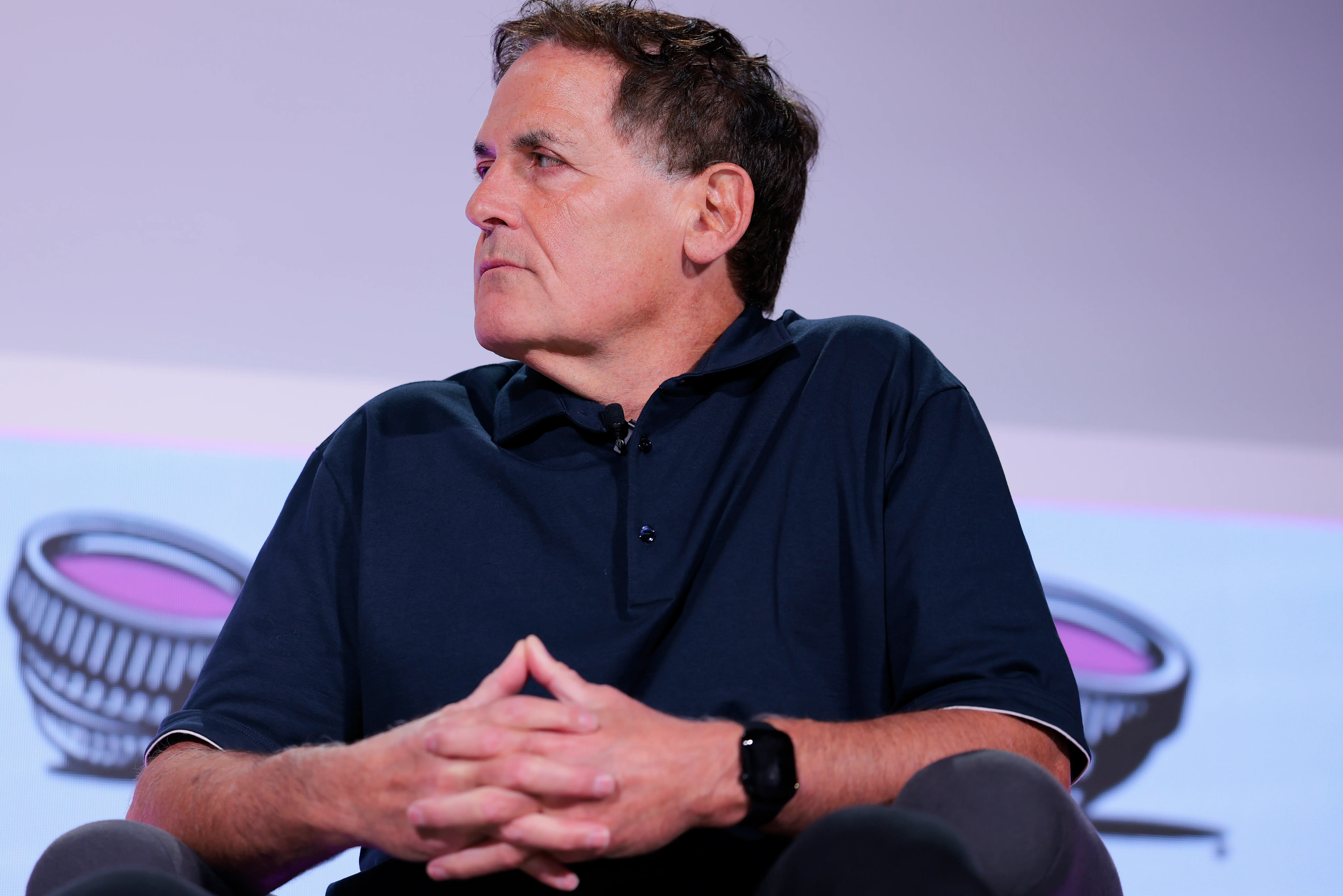
Mark Cuban said the issue isn’t token spending.
“Companies have long failed at integrating new tech,” Cuban wrote on X in response to a story about a CEO slashing token spending.
Instead, companies need to think about, “what can a competitor to start up do, as an ai native company to disintermediate them.”
“It’s the Innovator’s AI Dilemma,” he wrote.
Jason Lemkin, founder of SaaStr
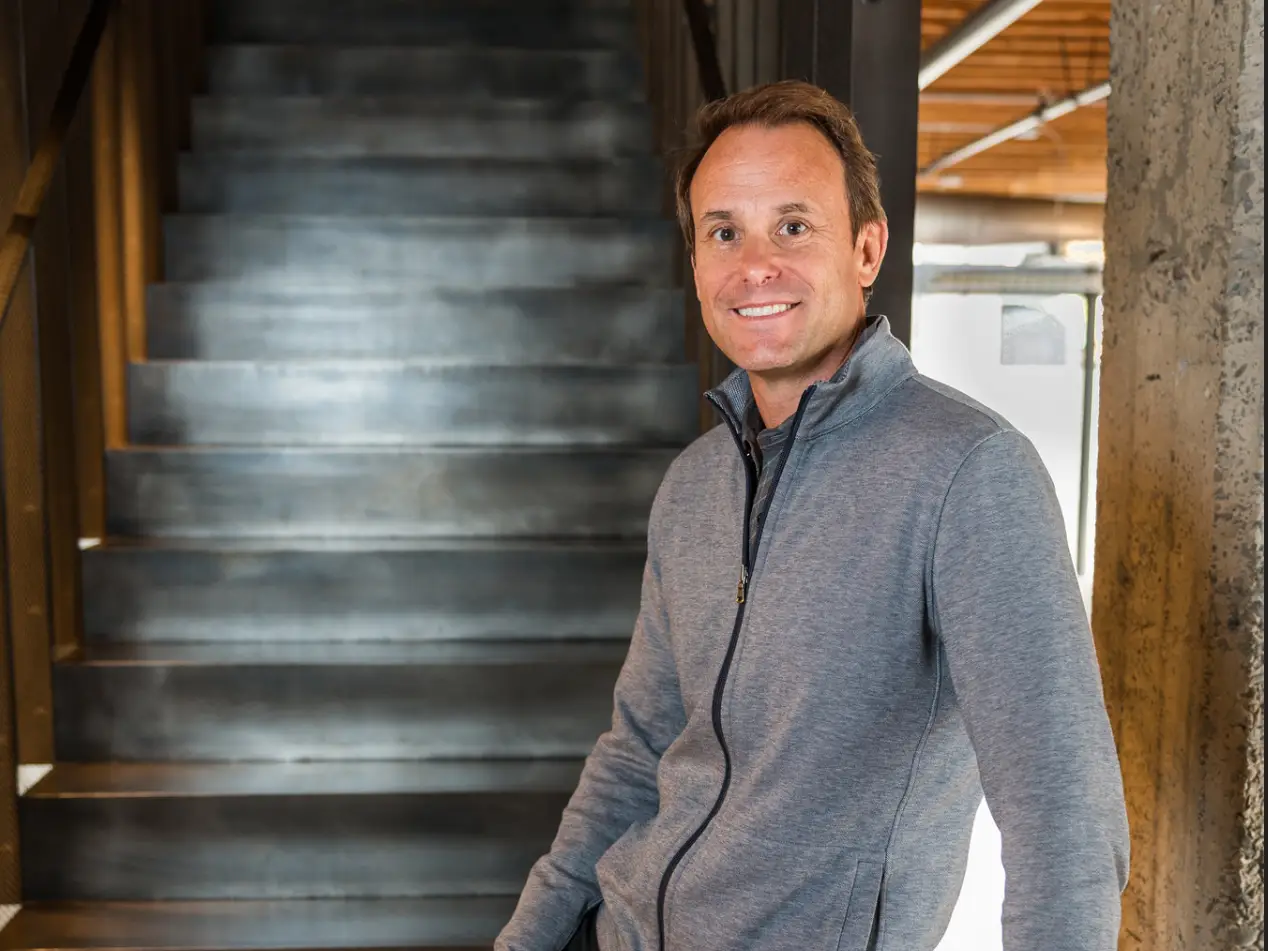
Jason Lemkin, sometimes called the “Godfather of SaaS,” said not all companies will be equal in a potential cash crunch.
” I do think we’re going to enter a world where things are more and more bifurcated, and we will see folks who get more and more gains from AI spend,” Lemkin said during an episode of the “20VC” podcast published on May 28.
Lemkin said companies “with well north of a million in revenue per employee” will continue to “tokenmaxx until there is no tomorrow.”
“If you’re already hyper-efficient, you will find more ways to use AI,” he said. “The folks that are less efficient, that are larger organizations and more traditional, I think, as the year goes on, will become more skeptical, especially if prices go up.”
Lemkin is the founder of SaaStr, the world’s largest community of business-to-business founders.
Shruti Gandhi, General Partner at Array Ventures
Shruti Gandhi, a general partner at Array Ventures, said, “tokenmaxxing” firms sound like companies that would measure productivity by turning on all the lights.
“Spending more doesn’t mean producing more,” she wrote on X. “Most companies handing out AI access to employees have no real idea what it’s being used for, whether it changed any outcomes, or whether those outcomes would have been the same anyway.”
Tokenmaxxing is just electricity-maxxing.
Picture a factory CEO walking around saying “look how productive we are!” while every single light is on, all the machines are idling, and he’s bragging about the power bill. That’s what a lot of AI companies sound like right now.… https://t.co/5yN82HN3Db— Shruti Gandhi / Array VC preseed rounds (@atShruti) May 27, 2026
She said some companies “will get serious about understanding the ROI,” but others will only realize too late that they should have paid closer attention.
“The bigger question is what tools we actually need to start figuring this out, because right now nobody really has a good answer,” she wrote.
Richard Socher, CEO of Recursive Superintelligence and You.com
Veteran AI researcher Richard Socher said his company, Recursive Superintelligence, is punching above its weight thanks to its massive token spend.
“It feels like our small team is executing at a level that’s like 10, 20x the size,” Socher said during a May episode of the “This Week in AI” podcast. “Like we’re having research results that I would have expected maybe teams of like hundreds of people to do, but we’re teams of several dozens only.”
Socher, who was previously the head of AI research at Salesforce, said he expected more startups to have a budget like his, where spending on AI compute exceeds what is spent on actual employees
Recursive Superintelligence is named after the idea that AI may eventually be able to improve itself. Socher said the startup’s expenses are the reality if the company hopes to push the future of AI.
Gary Marcus, an AI researcher and professor emeritus at New York University
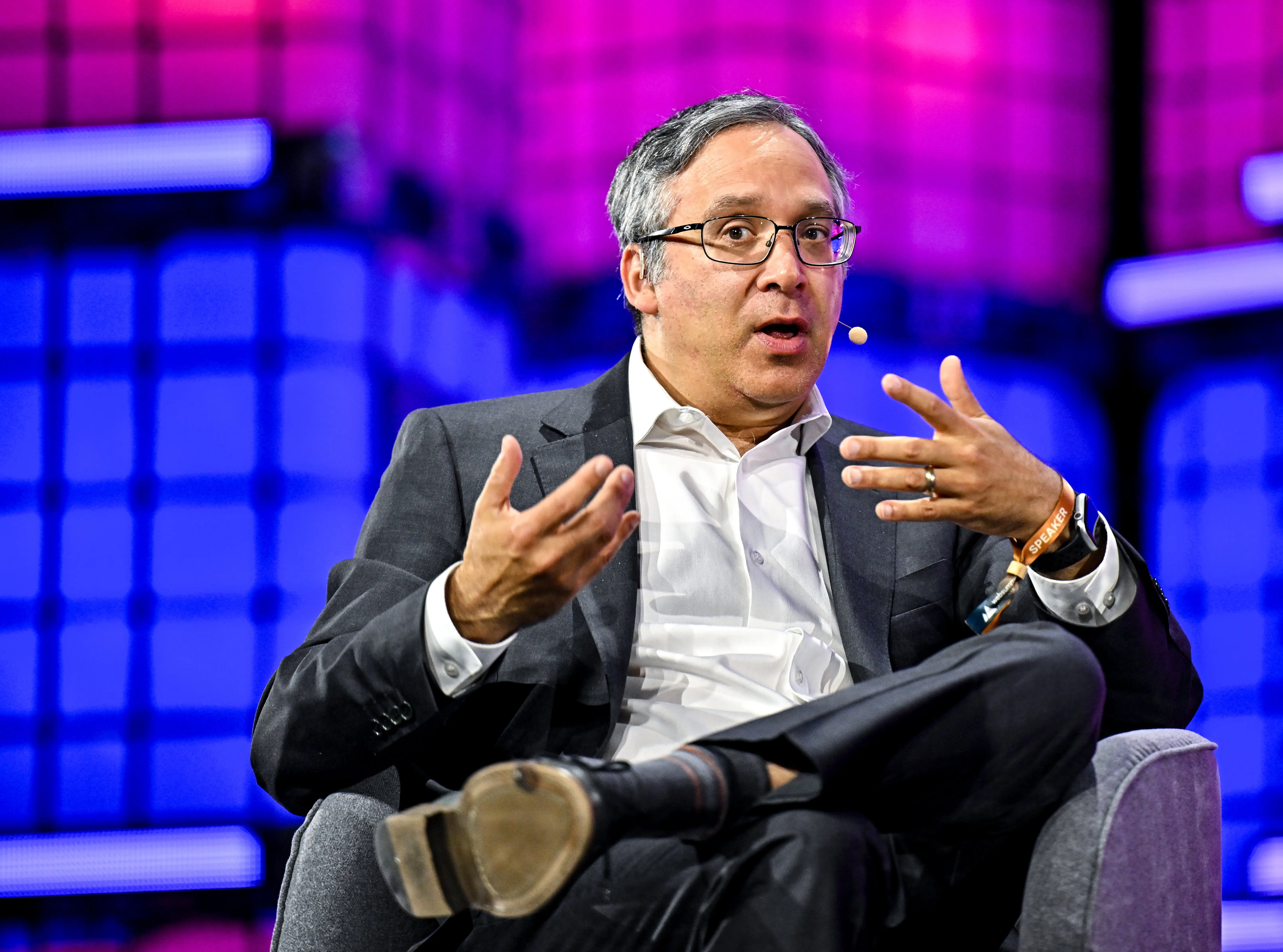
AI commentator Gary Marcus said that “agent hysteria” drove a lot of initial AI demand.
“Now the critical variable is whether these agents, which are expensive, pay off,” Marcus wrote on X in May. “The cases of Uber and Microsoft, the frustrations of GeoHotz (who was all in), etc are possibly signs that the reliability and payoff may not be there for a lot of customers.”
The AI industry is in trouble if other companies have the same experience as Uber, Marcus said.
“If enough other companies report the same, the bubble pops. 🫧,” he wrote on X.
Michael Burry, investor of “The Big Short” fame
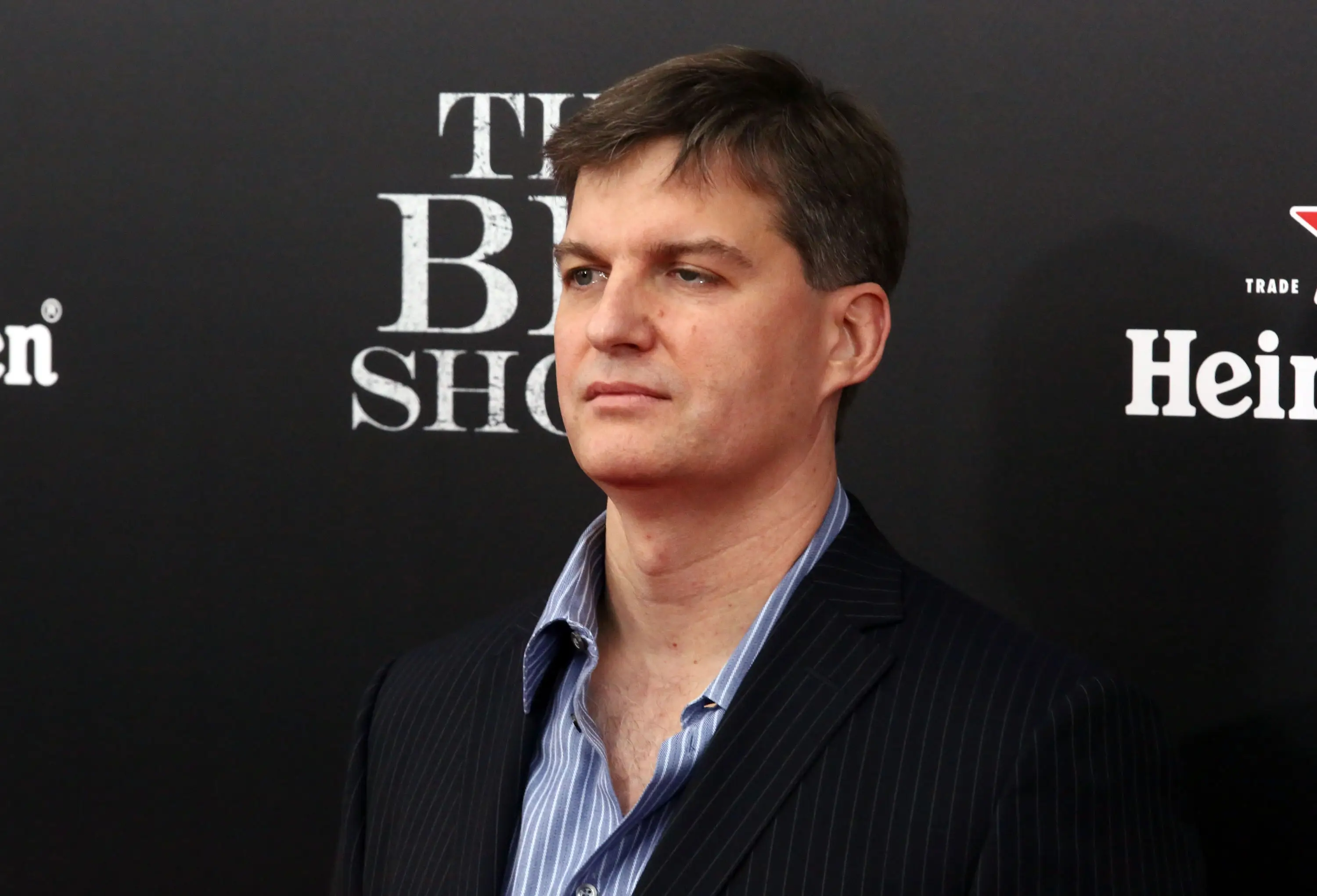
Investor Michael Burry, a frequent skeptic of Nvidia’s valuation, has said the “tokenmaxxing” trend won’t last.
“Tokenmaxxing is not merely heavy AI use, and it is certainly not sustainable AI use,” he wrote in a May post on his Substack. “It is quota-driven, leaderboard-driven, management-mandated overconsumption.”
Burry called the unrestrained AI spending a “crazy, rushed, temporary phase.” He said it’s simply unsustainable for the AI industry.
“Everyone is already using it, and many are using it as frantically and expensively as possible during this mass training phase.”
Known for his massive bet against the mid-2000s housing bubble that later led to his Hollywood moment, Burry has become a frequent Substack commentator, where he expresses his views about an AI bubble. In the past, Nvidia has felt the need to push back on his commentary.
Akshat Bubna, cofounder and CTO of Modal
Modal CTO Akshat Bubna said it’s hard for companies to know which tokens are simply a waste.
“Pretty sure 50% of internal token spend is completely useless, but right now it’s hard to know which 50%,” Bubna wrote on X.
Bubna said he would love to have a much better way to track usage.
“As an admin I’d love a dashboard that breaks down each person’s spend into summarized clusters,” he wrote. “Much easier to spend more when you can draw a clear line to value.”
Sundar Pichai, Google CEO
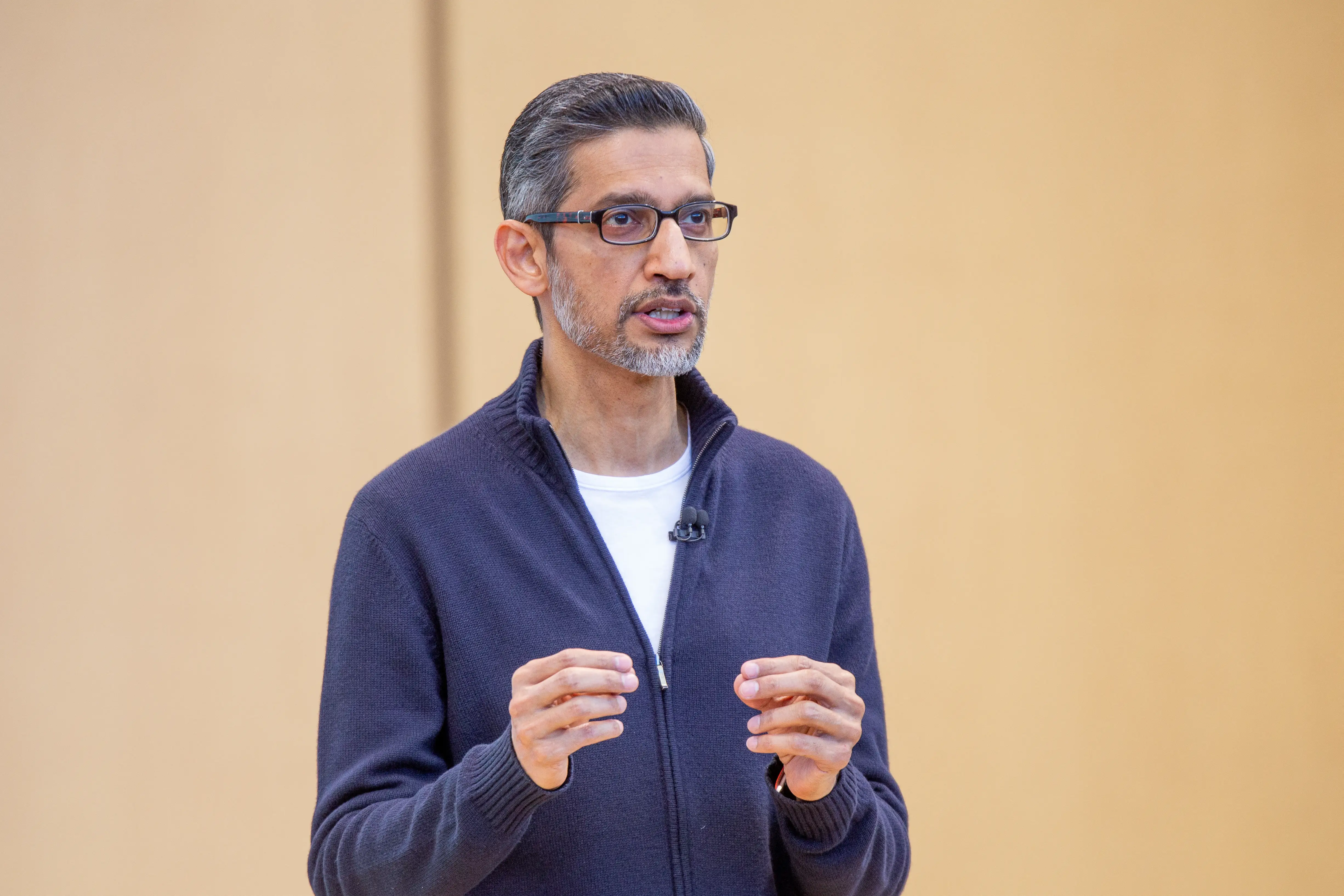
Google CEO Sundar Pichai said he’s hearing the concerns directly.
“I’ve heard anecdotally from a lot of CIOs who are so concerned about how much their companies are blowing through budgets,” Pichai recently said at Google’s flagship developer conference, I/O. “You can feel it talking to them. And, I think the problem is going to get worse as we go through the year.”
Pichai’s response isn’t to dismiss the bean counters but to pitch them a more efficient AI model. He touted Google’s Gemini 3.5 Flash, a model that the company said was “optimized for real-world tasks at a higher speed and lower cost.”
“Even accounting for token use,” he said, “Flash is remarkably cost-efficient.”
Read the original article on Business Insider
The post What smart people are saying about rising AI costs appeared first on Business Insider.