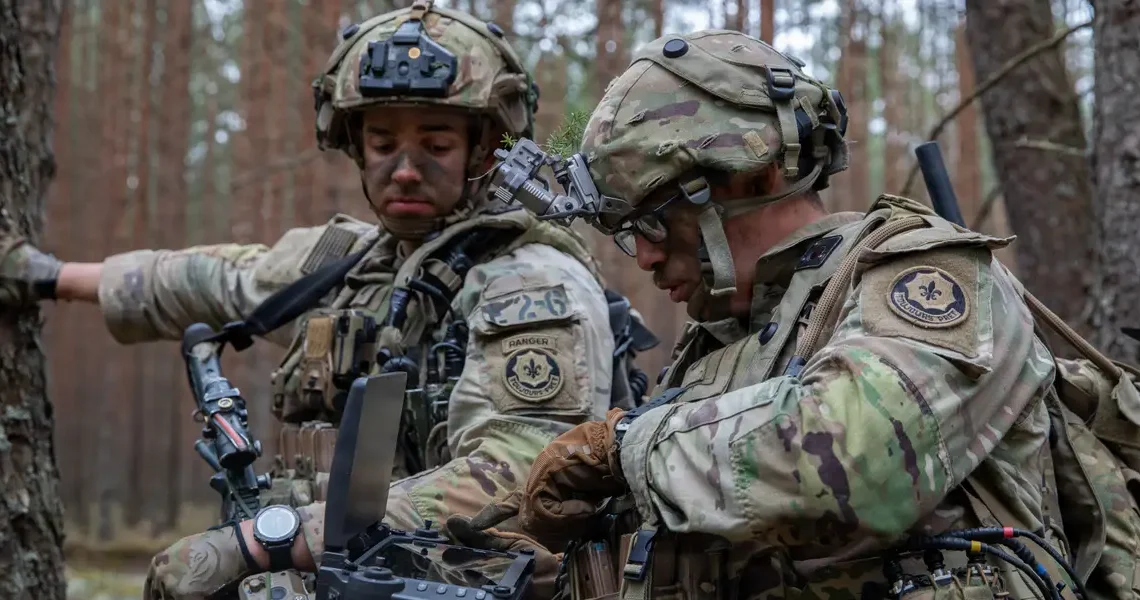
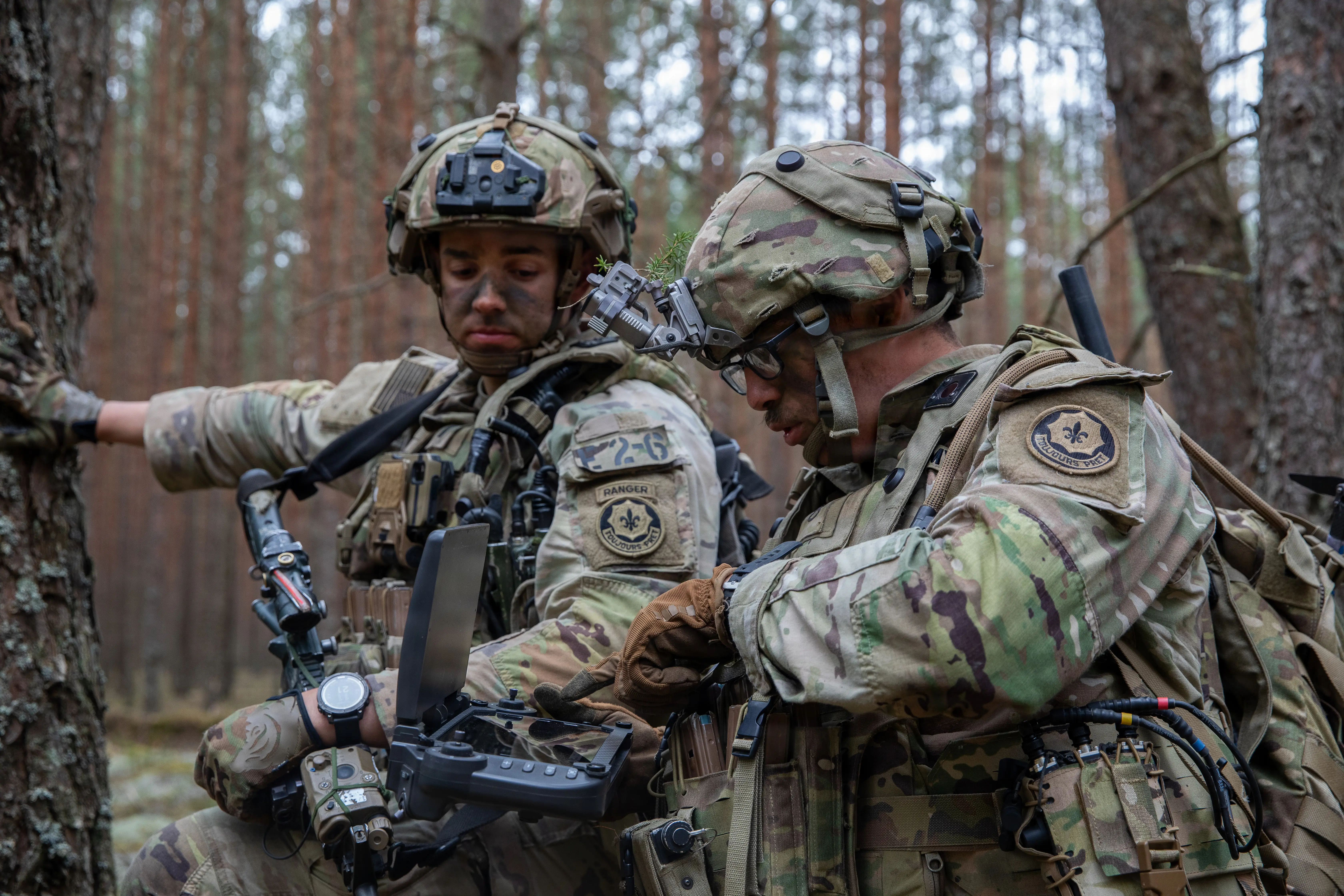
US Army leaders are trying to break down the decades-old technology barriers that have kept weapons, sensors, and command systems from easily sharing information, a critical step as the service pushes to make battlefield decisions faster.
A recent exercise, the Project Jailbreak hackathon, brought top defense companies and the Army together to connect counter-drone systems, air and missile defenses, command systems, drones and uncrewed systems, and other weapons, getting these disparate systems speaking the same language.
Updates were made and are already being pushed out to soldiers, including those deployed in the Middle East.
“If you’re not a technologist, think about your daily life. Imagine if every accessory you have — light bulbs, toaster, TVs — had a different way to connect,” Alex Miller, the Army’s chief technology officer, told reporters on Thursday. Imagine “your toaster didn’t plug into the outlet,” he said, and “you had to find a special adapter.”
That condition is what the Army’s dealt with for decades, forcing soldiers to be what Miller described as the “integration point” between different systems, “which does not scale well if you are cold, tired, wet, and hungry operating on 20-hour days.” Troops would have to manually input data for battlefield decision-making, spending more time going back and forth between all the different systems.
That slows the decision-making process when speed matters.
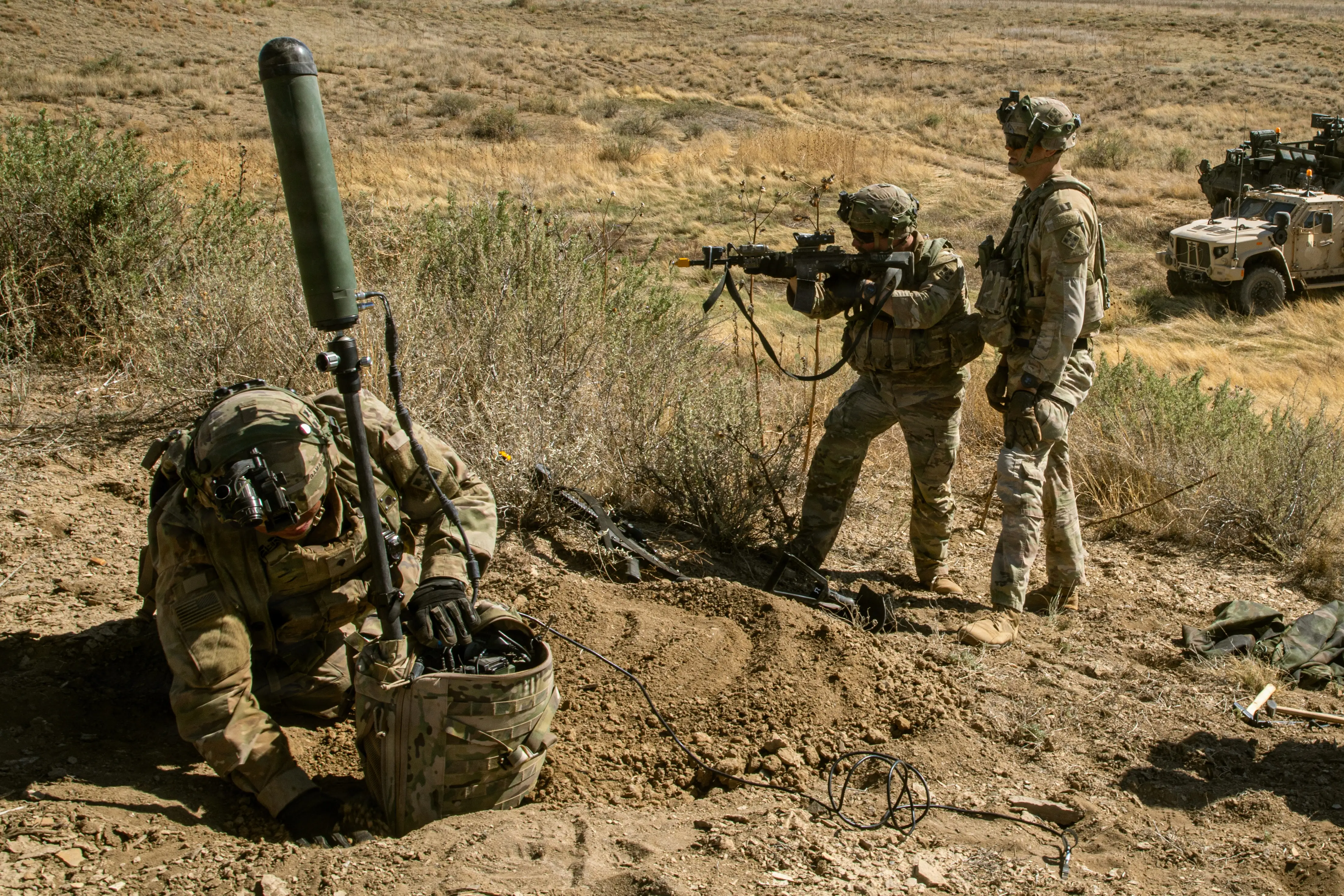
The service’s new approach builds on the Army’s commercial software-inspired approach to developing its new command and control system, as well as lessons from Ukraine.
Army Secretary Dan Driscoll said that the “aha” moment for the hackathon came after seeing how Ukraine integrated drones, sensors, and weapons into its battle management program Delta during a trip in Germany.
“A lightbulb went off,” he said. “Everything I had seen over the previous 16 months was simply not as integrated, simple, or effective for the warfighter. I realized we had to move right now.”
Defense firms Anduril, Boeing, General Dynamics, L3Harris, Leidos, Lockheed Martin, Northrop Grumman, Palantir, Perennial Autonomy, and RTX were all apart of the hackathon. Engineers from the firms came together with the Army, cracked open the technologies behind their systems, and began sorting out how to have them talk to one another.
While some vendors have done this before, this was the first time the Army had approached the problem at this scale and taken on the older technical standards that shaped how those systems connect.
“We crippled our partners by stating their systems were classified at inception, which impedes modern development practices, and mandating they interface directly with decades-old standards instead of implementing new technology,” Miller said.
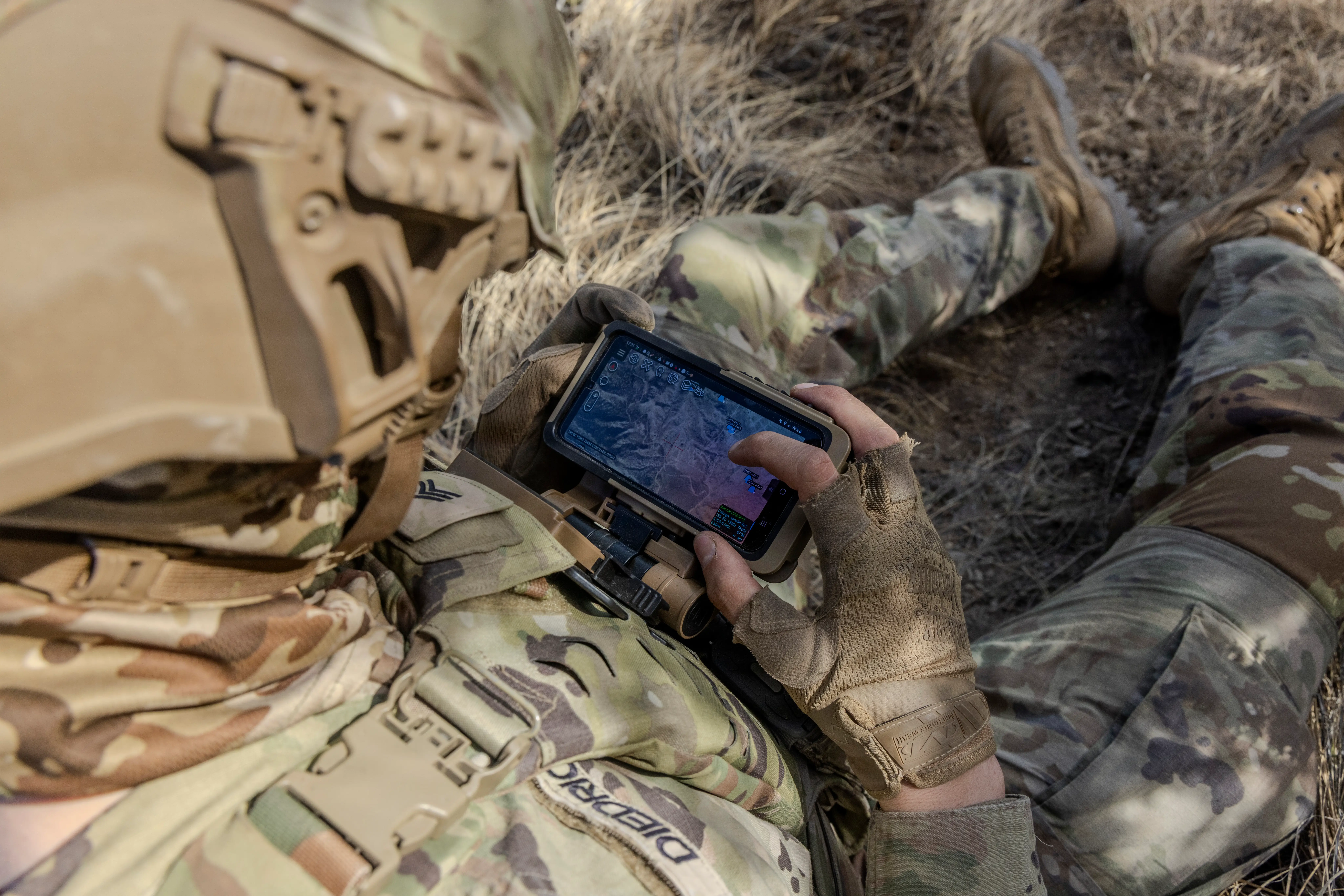
Some fixes have already been sent to soldiers, including forces in the Middle East. Miller said the Army’s goal is to have the rest deployed within the next 30 days. Future hackathons will bring in other weapons, like long-range precision fires. And the Army will start applying these approaches to the new systems it acquires.
“This is the foundation,” Brent Ingraham, assistant Army secretary for acquisition, logistics, and technology, said. “As we go beyond the scope of this sprint in integrated air and missile defense and get into fires, current ground vehicles, and intel platforms, we will perform similar functions to ensure backward compatibility.”
Over the past year, the Army has undergone rapid transformation as it adopts new weapons, commercial software development practices, and tries to break down data silos, the isolated systems that prevent information from moving quickly across the force. A leading program in this effort has been Next Generation Command and Control, the service’s new warfighting software.
NGC2, which has been in continual development with both the Army’s 4th Infantry Division at Fort Carson in Colorado and the 25th Infantry Division in Hawaii, uses open architecture, meaning it is designed so new tools from different vendors can be added more easily. NGC2 has also helped the Army move data faster and add automated tools for tasks such as estimating ammunition needs.
Army leaders have said the speed of future war will require technology that can be updated quickly, features more streamlined communications between different weapons and systems, and employs artificial intelligence to help match pace and relieve some cognitive load for soldiers sorting through the data.
Read the original article on Business Insider
The post The US Army is tearing down old tech walls so its weapons can talk to each other appeared first on Business Insider.