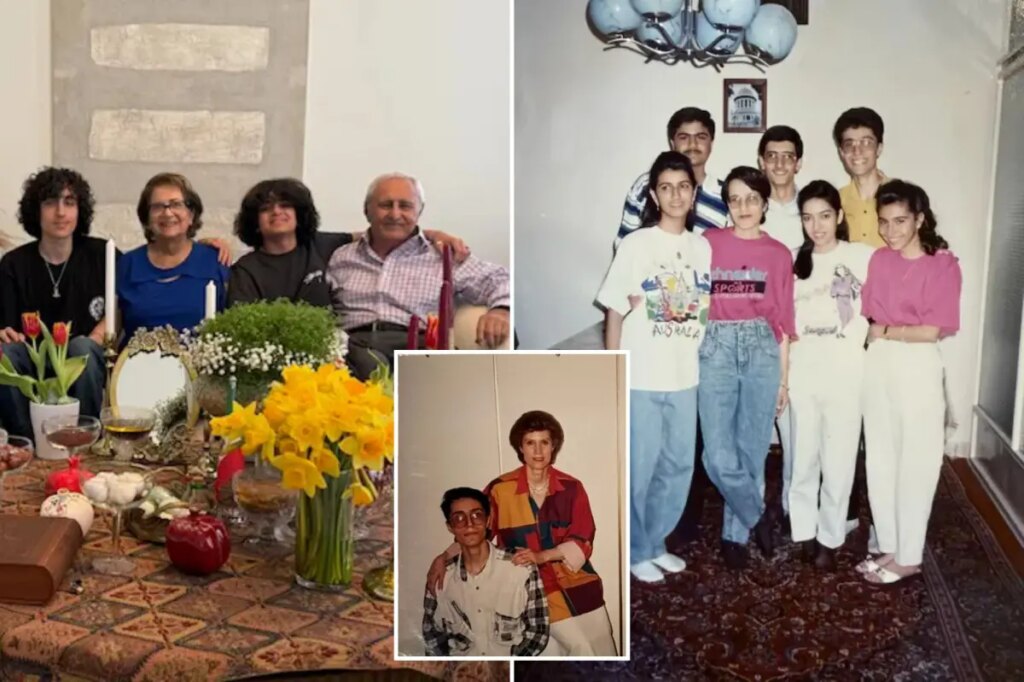
I grew up in Tehran during war. As a child, I slept under a wooden bed propped up by my mother’s medical textbooks, hoping they might shield me if the windows shattered from Iraqi bombs. Explosions became part of daily life. Anyone who has lived through that kind of fear does not romanticize war. It leaves scars that last a lifetime.
For nearly half a century, the Islamic Republic has portrayed itself as the victim of outside aggression, as if conflict were something imposed upon it. It is a powerful story — and a deeply misleading one. What it erases is a long pattern of decisions that have made confrontation more likely.
From the beginning, the regime reshaped Iran through force and ideology. Over time, elections became controlled performances. Dissent was criminalized. Journalists were jailed. Protesters were beaten, shot and silenced. When a government closes every door for reform, pressure does not disappear — it builds.
And in Iran, it has been building for decades.
That pressure is felt most by ordinary people living under censorship and periodic internet blackouts. Women are subjected to laws that control their bodies and deny them equality.
Ethnic minorities — Kurds, Baluchis, Arabs — face systemic discrimination. Religious minorities, especially the Bahá’ís, are denied education and opportunity. The judiciary functions as part of the security apparatus, and dissent can lead to imprisonment — or worse. This is not simply governance; it is an ongoing conflict between a state and its own society.
The regime has extended that conflict beyond its borders. It has spent decades building proxy networks across the Middle East, backing armed groups in Lebanon, Syria, Iraq and Yemen and supporting organizations like Hamas. It has made hostility part of its identity — threatening Israel, clashing with US allies and pursuing nuclear and missile capabilities with far-reaching implications. From the US Embassy seizure in Tehran to attacks on American targets in Beirut, this pattern has been consistent.
It is not sudden when conflict erupts. It is the result of accumulated choices. The current war did not emerge from a vacuum.
Yet the cost is not paid by those who make those decisions. It is paid by ordinary Iranians — through sanctions, isolation, inflation and a collapsing currency. It is paid in lost opportunity, and in the quiet exodus of a generation forced to leave simply to build a future.
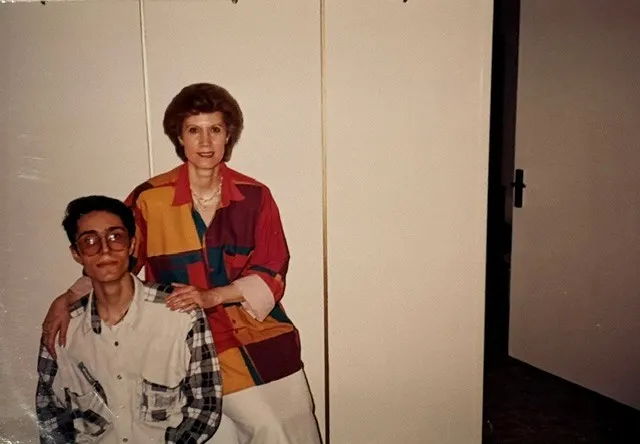
I am one of them.
What many outside Iran fail to understand is this: Iranians are not waiting for foreign powers to save them. There is no illusion that freedom can be delivered from the outside. But there is a growing recognition that when a system weakens — when its vast security apparatus begins to fracture — change that once seemed unimaginable can become possible.
It is critical to separate Iran from the Islamic Republic. Iran is an ancient nation, rich in culture, talent and possibility. The Islamic Republic is a political system that has constrained that potential while pulling the country into cycles of repression and conflict. They are not the same — and treating them as if they are only deepens the misunderstanding.
On the streets of Iran today, fear and hope exist side by side. People brace for the consequences of conflict while holding onto the belief that something better can emerge from it.
When every peaceful path to change is blocked, the alternatives become more dangerous. The desire for change does not vanish — it is pushed into more volatile forms. In that reality, force can begin to look less like a choice and more like the consequence of a system that has made all other options impossible. That does not make it desirable. But it does make it understandable.
To call those who recognize this reality “pro-war” is to misunderstand them. No one who has lived through war wants more of it. What they want is an end to the conditions that make war inevitable.
This is not an argument for endless conflict. It is an argument for clarity. Because peace is not just the absence of war — it is the presence of a system that does not depend on repression at home and confrontation abroad. As long as that system remains, peace will remain elusive.
I left Iran years ago, but I never left it behind. I still carry the memory of a country defined not just by suffering, but by resilience, creativity and extraordinary potential.
That is the Iran worth fighting for. And it is not the one the world sees today.
Nizam Missaghi, MD, is an Iranian-American physician. His memoir, “Passport to Freedom: From Tehran to Triumph“ is available for preorder and releases September 2026. @nizammissaghi
The post Even amidst all the chaos in Iran, an exile feels great hope for the country he left appeared first on New York Post.