Eleventh-hour phone calls with industry leaders and former AI and crypto czar David Sacks helped persuade President Donald Trump not to sign a highly anticipated executive order on artificial intelligence on Thursday.
The tech leaders who spoke with Trump, who included SpaceX CEO Elon Musk and Meta founder Mark Zuckerberg, warned that the administration’s new vetting system could inhibit development of a technology at the heart of the U.S. economy, according to three people familiar with the matter, who spoke on the condition of anonymity to describe the private conversations.
Trump decided not to sign the order after the White House had already sent out invitations to the leaders of top tech companies to attend a signing ceremony scheduled for Thursday afternoon.
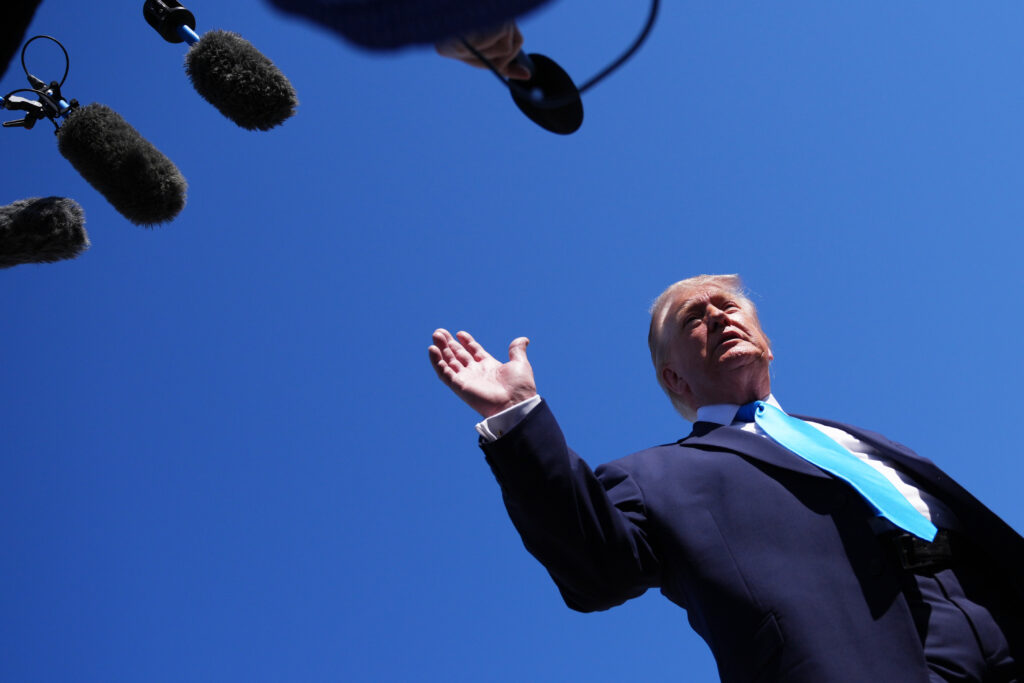
Hours before the event was expected to begin, even as some industry executives were traveling to Washington for the signing, Trump announced to reporters in the Oval Office that he had called it off because he “didn’t like” the draft of the order.
“I really thought that could have been a blocker,” Trump said, noting the benefits of AI in the American economy. “And I want to make sure that it’s not.”
The episode underscored the immense influence that Silicon Valley leaders maintain in the Trump administration, even after Sacks and Musk left their formal White House roles.
The issue of how to regulate artificial intelligence has divided Trump’s allies and his administration, especially as a new breed of AI models, like Anthropic’s Mythos, has been shown to uncover security flaws in computer code and exploit them.
The technology has divided the political coalition that helped Trump return to the White House. Musk, Sacks and major AI companies are key political donors who could be central to the Republican Party’s future fundraising efforts. But the White House is increasingly grappling with backlash to artificial intelligence within Trump’s base, as voters grow concerned the technology could eliminate jobs and increase electric bills.
Over weeks of discussion, with extensive input from tech industry leaders, the White House had arrived at a draft executive order that officials described as balancing concerns about safety with the needs of the industry. The order would have created a voluntary system under which companies would provide the government with an early look at frontier AI systems — up to 90 days before public release — so agencies could test the models for dangerous capabilities, identify vulnerabilities, and prepare defenses before hackers or foreign adversaries could exploit them, according to a draft of the order viewed by The Washington Post.
The voluntary system was far less stringent than the mandatory testing that some of Trump’s allies had called for.
“Nothing in this section shall be construed to authorize the creation of a mandatory governmental licensing, preclearance, or permitting requirement for the development, publication, release, or distribution of new models, including frontier models,” a draft of the order said.
But Sacks and the tech leaders warned Trump that even though voluntary on paper, the proposed system could result in a de facto mandatory regime where companies would need to seek green lights from the government to release systems, the people said.
Internal discussions on the executive order continued late into Wednesday night, and disagreement continued about how onerous the proposal would be to the industry, said another federal official who spoke on the condition of anonymity to describe the situation.
Some administration officials have argued that without a review process, China would be able to manipulate the new models to launch attacks on the United States.
Sacks, however, warned the president that the reviews could slow down innovation and make the U.S. lose the AI race to China, said a senior administration official, who spoke on the condition of anonymity to describe the private discussions.
Sacks also said that the order could slow companies from releasing incremental updates to AI models, a senior administration official said. White House officials involved in drafting the order pushed back, saying that the order said companies only had to share their models up to 90 days in advance and minor updates would not be delayed.
He also warned that the review system could be abused by a future administration, pointing to the more stringent AI regulations that former president Joe Biden had introduced in his term. White House officials argued that future administrations would not be bound by this order anyway.
The arguments from Sacks and other tech figures prevailed, and hours before the Oval Office signing was expected to start, the White House notified attendees that the event would be postponed to a later date.
“We apologize for any inconvenience this may have caused and will be in touch as soon as we can with further details about a future date,” the email said.
Many administration officials were surprised by the president’s decision to cancel the event. Earlier in the week, Sacks had been briefed on the order by officials involved in its drafting, including science adviser Michael Kratsios, White House Staff Secretary Will Scharf and National Cyber Director Sean Cairncross. Sacks told them he could live with the order, the person said, though he pushed to shorten the window for companies to share their models.
The order is not dead, the federal official said, and it is likely to be revisited, though it is not clear what form it will take in the future.
The post Pressure from Silicon Valley helped block Trump’s expected order on AI appeared first on Washington Post.