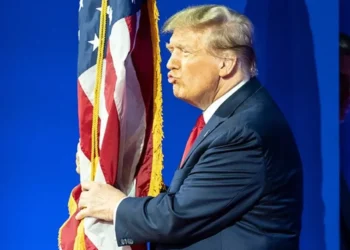
President Donald Trump plans to announce on Thursday a rollback of two Biden-era regulations on refrigerants that are potent drivers of climate change, as the White House argues that deregulation can help tame inflation ahead of the midterm elections.
The Trump administration said the moves — revisions to the Biden administration’s 2023 Technology Transitions Rule and a proposed “technical fix” to a separate rule on refrigerant emissions — are projected to save American families and businesses more than $2.4 billion. The administration’s plans were first reported by USA Today.
Industry trade groups, however, said the rollback would actually drive up prices by increasing demand for existing refrigerants and reducing their supply.
The Biden rules aimed to transition the country’s refrigeration away from hydrofluorocarbons (HFCs), chemicals that are among the most potent greenhouse gases. Some of the chemicals trap heat at a rate hundreds or thousands of times as high as carbon dioxide does.
White House officials said the savings from revising the regulations could translate into lower grocery prices, cheaper transportation costs for refrigerated goods and lower costs for home air-conditioning repairs and replacements, as the administration tries to blunt criticism over rising prices tied to the war in Iran and Trump’s tariff policies.
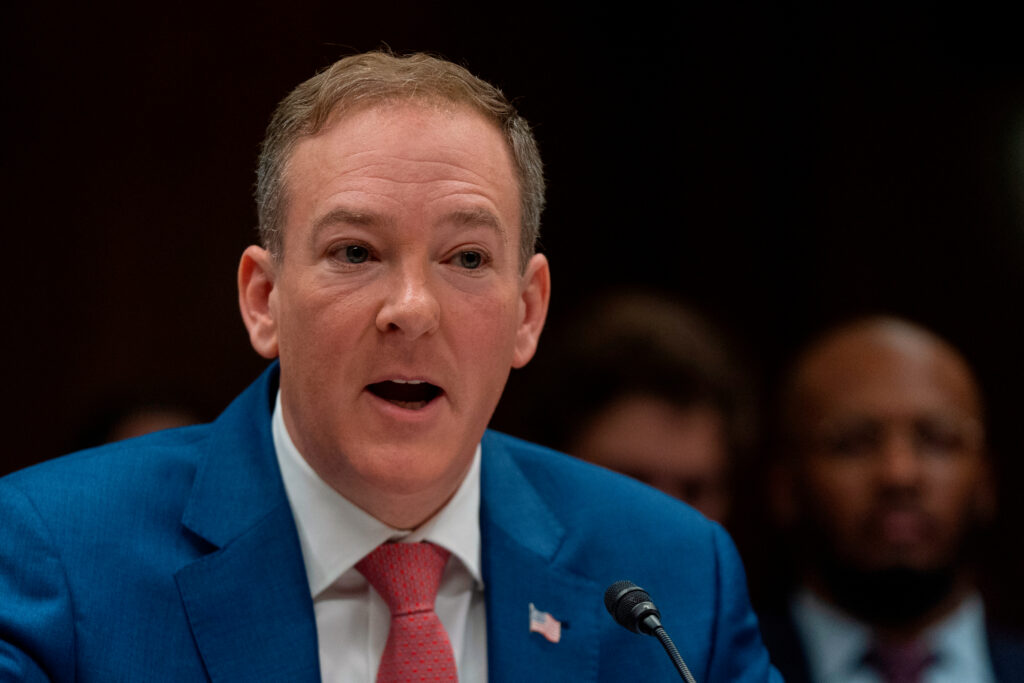
In a statement, EPA Administrator Lee Zeldin claimed the Biden administration’s refrigerant policies increased costs on businesses and consumers.
“Americans were right to be frustrated with the Biden-era refrigerant rules. They didn’t protect human health or the environment and instead piled on costly, unattainable restrictions beyond what the law requires,” Zeldin said. “Today, the Trump EPA is fulfilling President Trump’s promise to lower costs and is fixing every problem we can under the authority Congress gave us.”
Stephen Yurek, president of the Air-Conditioning, Heating, and Refrigeration Institute, said in a statement that costs could rise. “This rule works against basic supply and demand,” he said. “So, instead of falling, refrigerant prices are likely to rise, resulting in higher service costs, and higher costs for consumers.”
There is no analysis showing that delaying Biden-era rules would lower costs, he added, as it applied only to new equipment and did not require supermarkets to replace existing refrigeration.
Meanwhile, the administration has undercut manufacturers that invested in production lines to make equipment using newer refrigerants that complied with the regulation, said John Hurst, executive director of the Alliance for Responsible Atmospheric Policy, a chemical industry group.
Trump and Zeldin are expected to make the announcement alongside executives from major grocery and food distribution companies, including the Kroger Co., Piggly Wiggly, Giant Eagle and Fairway Stores.
According to information shared by a senior White House official on background ahead of the announcement, revisions to the Technology Transitions Rule are expected to generate more than $900 million in savings, including more than $800 million for supermarkets. The administration also projected up to $1.5 billion in savings for companies transporting refrigerated goods if the emissions-rule change takes effect.
Officials said the changes would safeguard more than 350,000 high-skilled American jobs and preserve lower-cost options for homeowners repairing or replacing air-conditioning systems.
Environmental groups have argued that stricter refrigerant standards are necessary to combat climate change, while industry groups have criticized the pace and cost of the transition.
“The EPA is catering to a small group of straggling companies by derailing the shift away from these climate super pollutants to safer alternatives,” said David Doniger, a senior attorney at the Natural Resources Defense Council, an environmental advocacy group.
“The industry at large supports the HFC phasedown and has already invested in making new refrigerants and equipment, currently installed in thousands of stores.”
Across both of his presidencies, Trump has repeatedly weakened or rolled back environmental regulations — including emissions standards, climate rules, drilling restrictions and chemical limits — while arguing that the changes would lower consumer costs, strengthen domestic industry and protect American jobs.
His administration has framed environmental regulations as economic burdens that raise prices for energy, transportation, manufacturing and everyday goods.
The post Trump to ease rule on climate super pollutants, says move will cut costs appeared first on Washington Post.