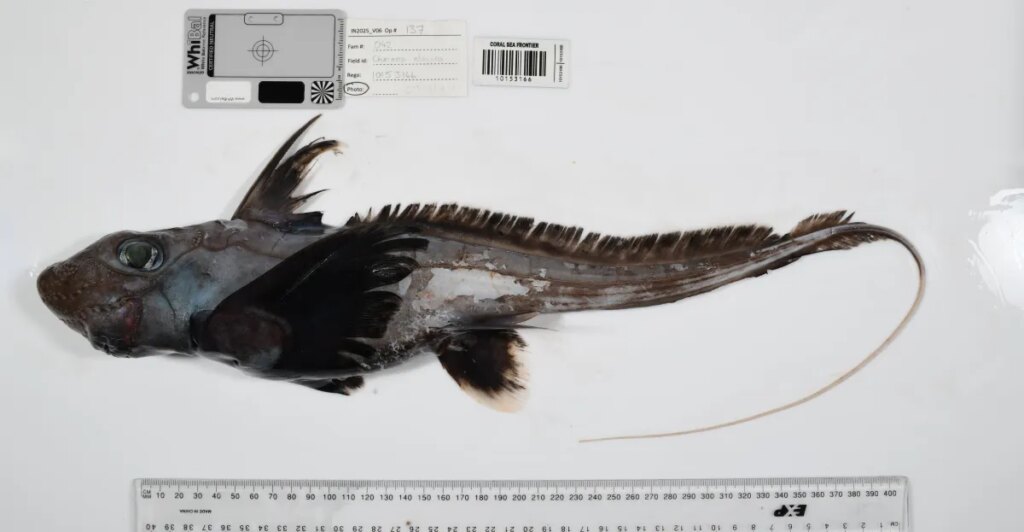
It lives in a glass castle deep under the sea.
It’s not a character from The Little Mermaid but a very real, very mysterious marine worm. Known as Dalhousiella yabukii, the worm resides inside a glass sea sponge — a simple marine animal that forms a glass-like skeleton — in the cold, dark waters off the coast of Japan. And it’s just one of a massive trove of marine animal species that scientists say they recently discovered.
This week, the Ocean Census — a project that has set out to accelerate the discovery of sea life — announced that it has found 1,121 previously unknown ocean species since last April. That marks a massive jump in the number of newly discovered marine species in a single year, according to Oliver Steeds, director of the Ocean Census, a joint mission of the UK-based nonprofit Nekton and Japan’s largest philanthropic organization, The Nippon Foundation. Some of the other newly found creatures include fish, rays, sponges, and soft corals (you can see more of them below).
Though it may seem that Earth is already largely explored, the vast majority of animal species on Earth — perhaps as many as 90 percent of them — remain undescribed. “This is really a planetary blindspot,” said Steeds, who’s also the founder and chief executive of Nekton.
The Ocean Census, which launched three years ago, is trying to close the gap in the marine realm by exploring remote ocean regions with the help of high-tech submersibles and taxonomists. And to that end, this large batch of species is an important step forward — with one major caveat.
Meet some of the weird creatures they found
While the search for life beyond Earth has been a magnet for public attention, missions like the Ocean Census reveal that there is a lot we still don’t know about life on our home planet — much of which looks pretty darn alien.
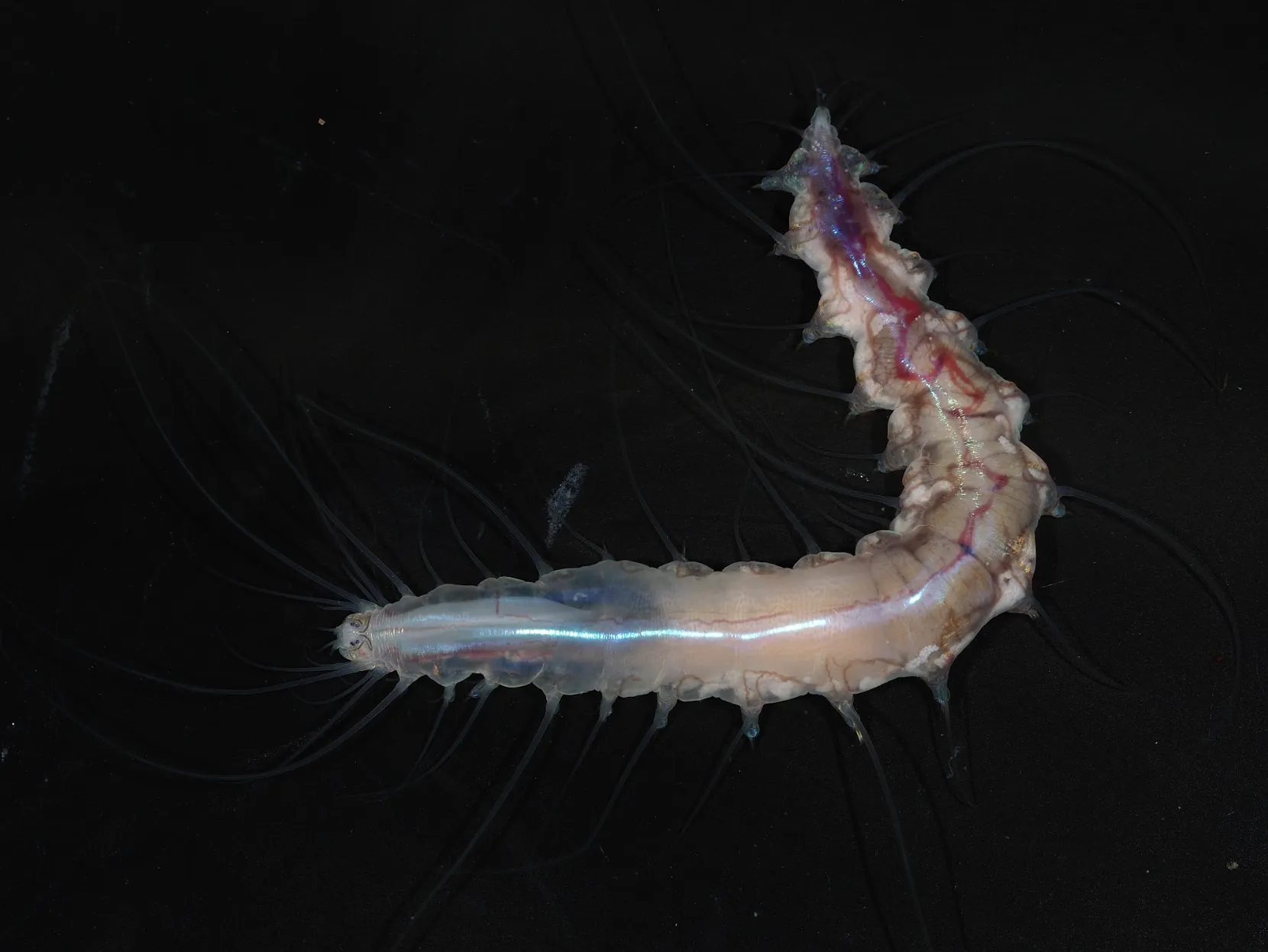
Most critters that the expeditions revealed are pretty small, like this striking ribbon worm. Found in the waters near Timor-Leste in Southeast Asia, the worm’s bright colors may be a signal to predators that it produces defensive toxins, according to a press release announcing the new findings. Such toxins may be useful in drug development; scientists have previously investigated chemicals produced by similar worms to treat cognitive disorders, such as Alzheimer’s disease.
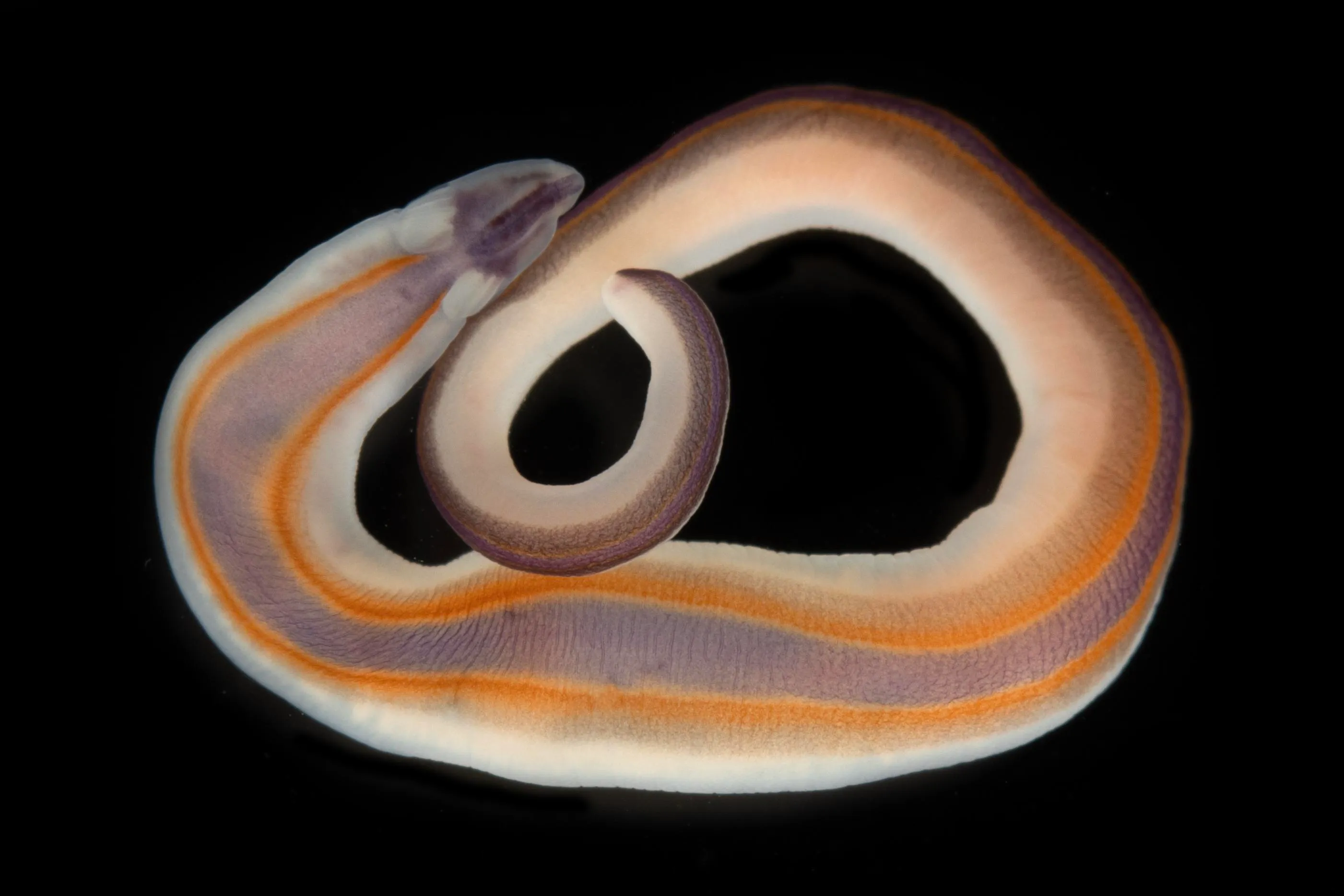
Remarkably, the discovery effort also uncovered larger animals, which have likely managed to evade detection because they live at such great depths and in less-explored regions.
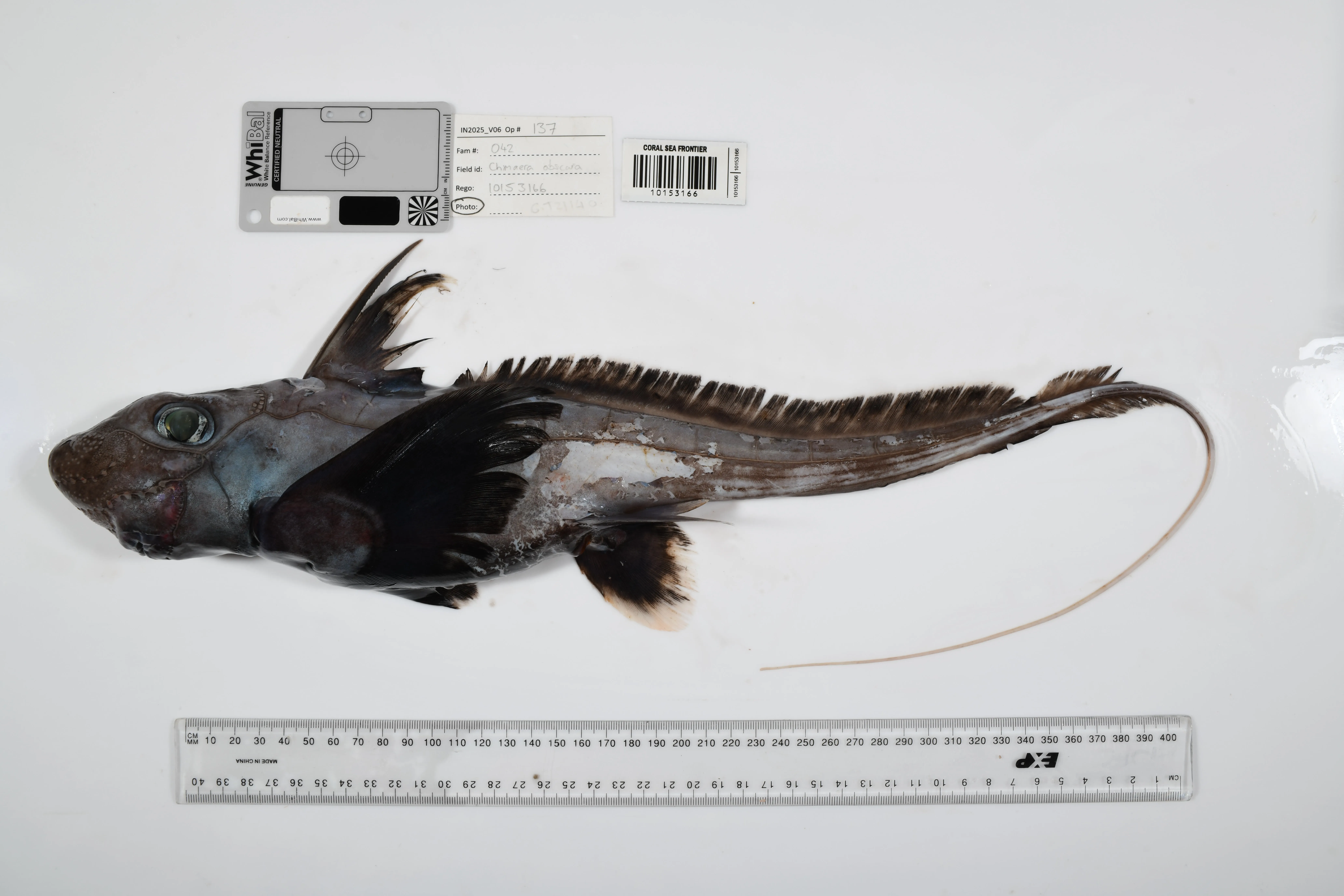
The most charismatic among them is, perhaps, this new species of “ghost shark” that scientists found off the coast of Australia. Though distantly related to sharks and rays, ghost sharks are not actually sharks at all but chimaeras, a deep-sea fish with a skeleton made of cartilage instead of bone.
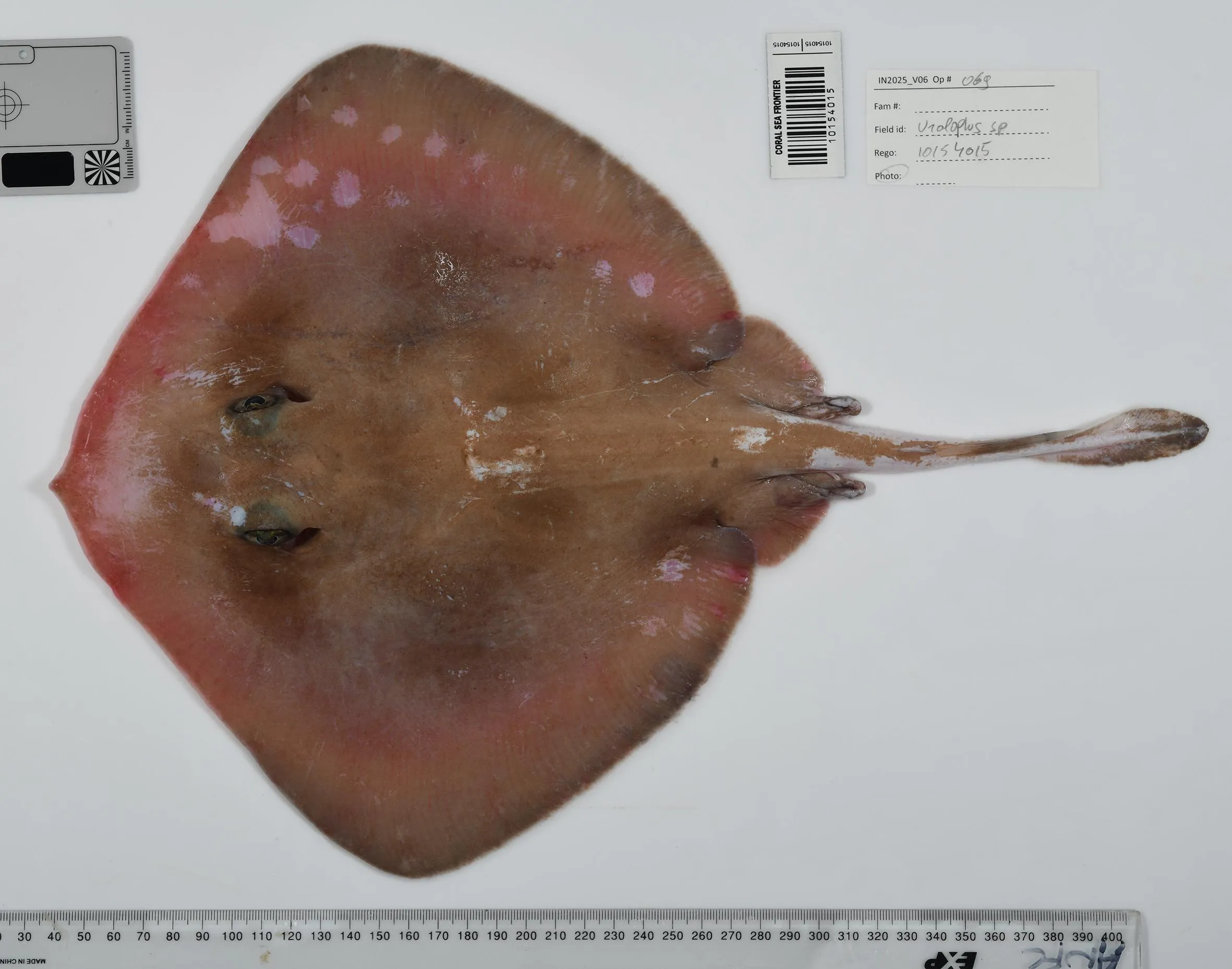
In the same region, scientists also found an unknown species of ray …
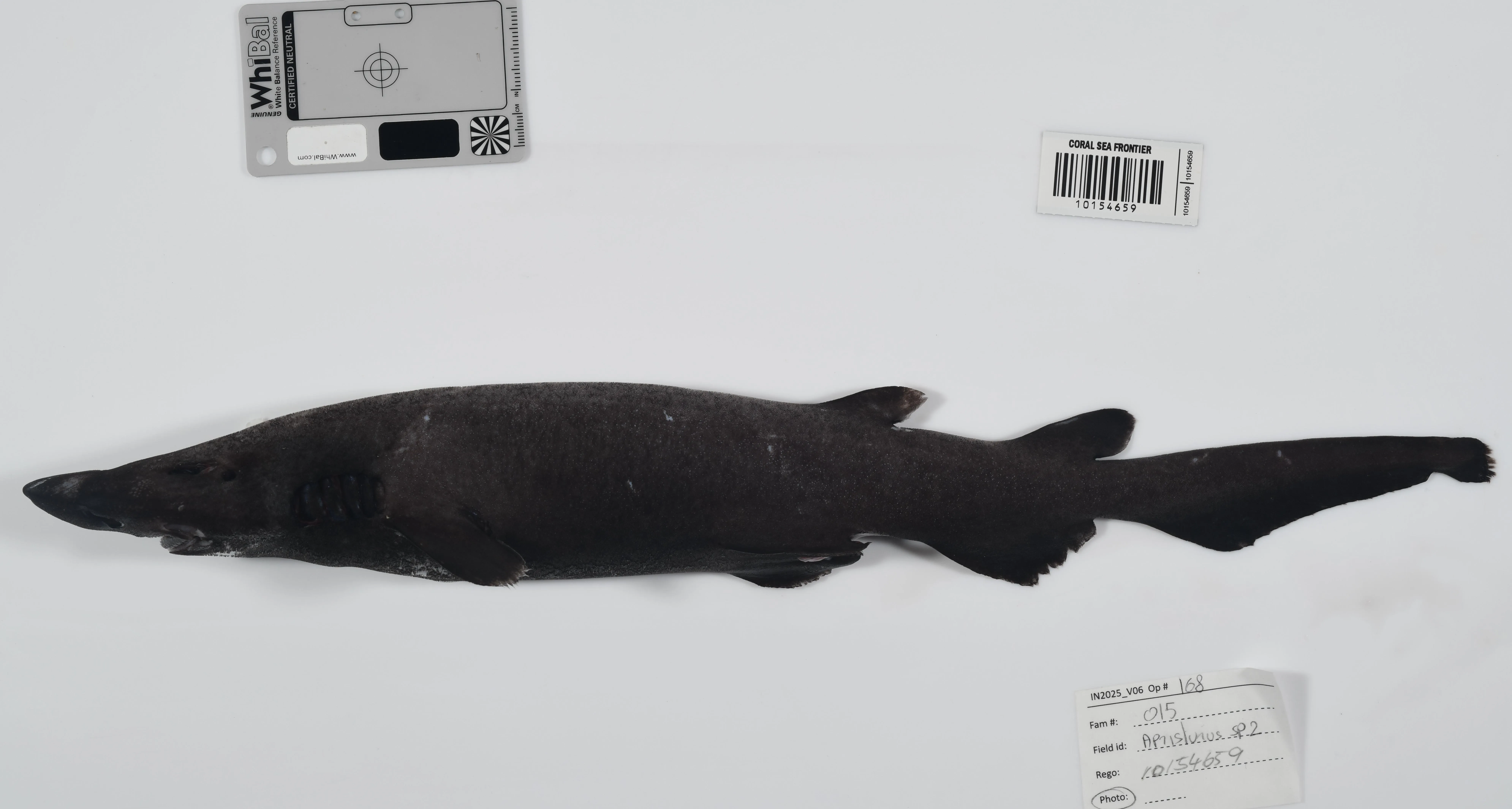
…and an unfamiliar example of what’s known as a catshark. They’re bottom dwellers with slender bodies, and some of them apparently have a feline appearance (I’m not seeing it in this particular fish, which was found deep underwater in Australia.)
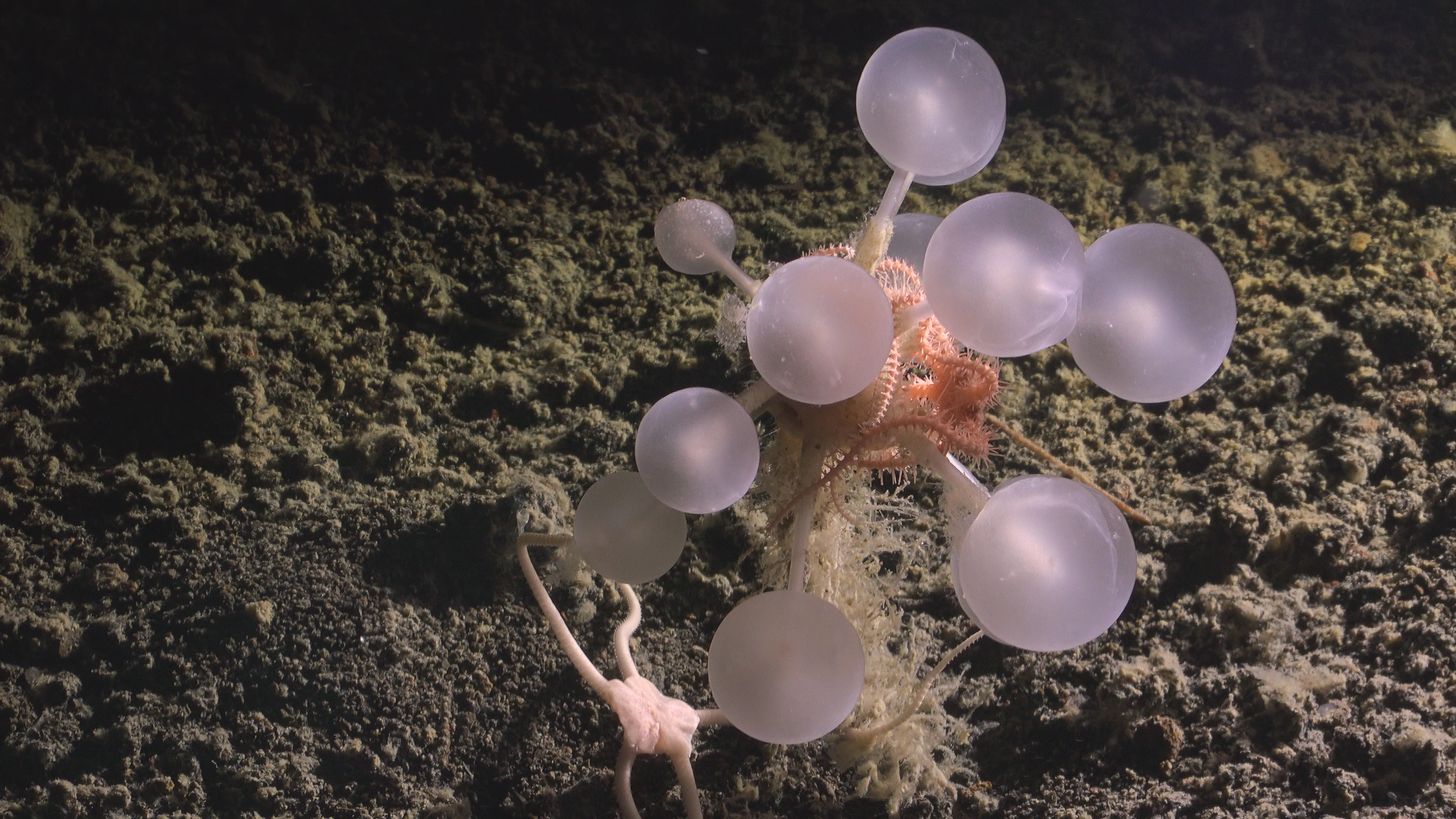
Then there are animals that don’t look like animals at all. Like this unfamiliar sea sponge found in the South Atlantic, not far from Antarctica. Belonging to a group of animals known as the ping-pong ball sponges (for obvious reasons), this animal is carnivorous and uses those balls — which are covered in tiny Velcro-like hooks — to entrap unsuspecting prey drifting by, such as small crustaceans.
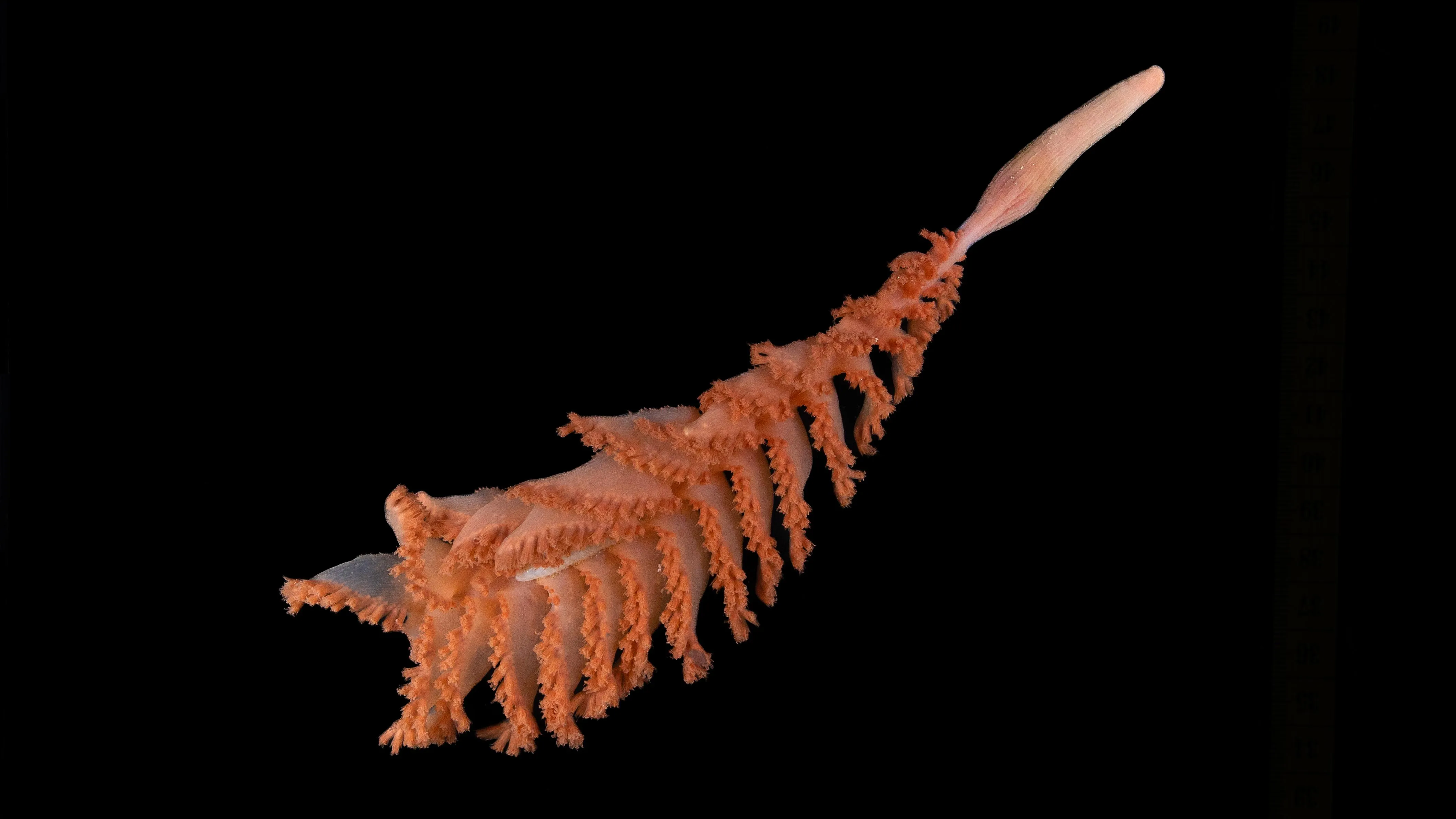
Also in the South Atlantic, scientists found an unknown variety of “sea pen,” a kind of soft coral, more than 2,600 feet below the surface. It’s not one individual animal but a colony of thousands of genetically identical polyps, soft-bodied creatures with tentacles.
(You can see more of the alien-like species found through the Ocean Census here.)
Are these species actually new?
The announcement from the Ocean Census says that scientists “discovered” more than 1,100 “new” species in a single year. Those words must be taken with a grain of salt.
Proving that a species is new to science is difficult. It typically requires that taxonomists comb through existing museum collections and academic literature to demonstrate that, based on anatomical, genetic, or other traits, what they have has not been documented before. They can then submit their evidence for peer review and publication — the typical process through which a species is formally described and officially named, thus becoming a new species.
Many of the discoveries announced by the Ocean Census, however, have not yet gone through that level of due diligence and have not been formally described, according to Greg Rouse, a marine taxonomist at the Scripps Institution of Oceanography. That means it’s not clear that all of those species are, in fact, new to science.
As the Ocean Census points out in its announcement, the time between collecting a species and formally describing it as new takes about 13 years on average. That means some animals could go extinct before they’re even described in the scientific literature, the group says. “But that 13 years is there for a reason,” said Rouse, who isn’t involved in the Ocean Census project.
Formally describing and naming a species not only confirms that it’s new, but it also makes the species easier to study and conserve, such as through laws that protect named endangered species.
“The formal description process carries out the actual work to confirm novelty and provides the ‘passport’ for that new species — its official record,” said Tammy Horton, a research scientist at the UK’s National Oceanography Centre. “Without this, the formally recognised name, the species effectively does not exist for science, and therefore also for policy — unnamed species cannot be protected.”
Karen Osborn, a taxonomist at the Smithsonian National Museum of Natural History, similarly expressed skepticism about the announcement. Discovery alone is not enough, said Osborn, who’s not directly involved in the Ocean Census. “I don’t feel like saying, ‘Oh, look, we discovered something new’ should be given the status of something being described — until you’ve actually done the work to show that it’s something unique,” Osborn said. But, she said, “it’s a step in the right direction.”
A significant number of species uncovered by the Ocean Census and its partners are, in fact, already described in the scientific literature, Steeds, of Ocean Census, told me. He didn’t know how many. “It is not for us to do that,” he said of formally describing the species. (In many cases, taxonomists involved in the discoveries will later put in the time to formally describe them.) “Our job is discovery and to accelerate discovery,” Steeds said, which is the first step toward the formal new species description.
Horton, who’s also not directly affiliated with the Ocean Census, emphasized this point, too: “It is important to recognise that the identification or ‘discovery’ process is a fundamental part of the pipeline towards the ultimate goal of description of a species as new to science,” she told Vox. “You cannot have one without the other.”
Might some of these species not, in fact, be new? “It is something that we all need to be aware of,” Steeds told me. “Species discovery, species description are always a hypothesis — that’s the nature of it. And things do change.” (Horton suspects it’s not very common for taxonomists to believe something is new to science and later find out that it’s an individual of an already described species.)
If there’s one thing that the Ocean Census’s findings are helping reveal with absolute certainty, it’s that so much of the planet’s biodiversity remains a mystery. That’s exciting and hopeful.
“I would love people to know how much we don’t know about how much is out there,” Osborn said. “We’ve barely scratched the surface on understanding our world.”
The post Photos reveal strange sea creatures that scientists have never seen before appeared first on Vox.