Nobody books a vacation expecting to come home as a public health event.
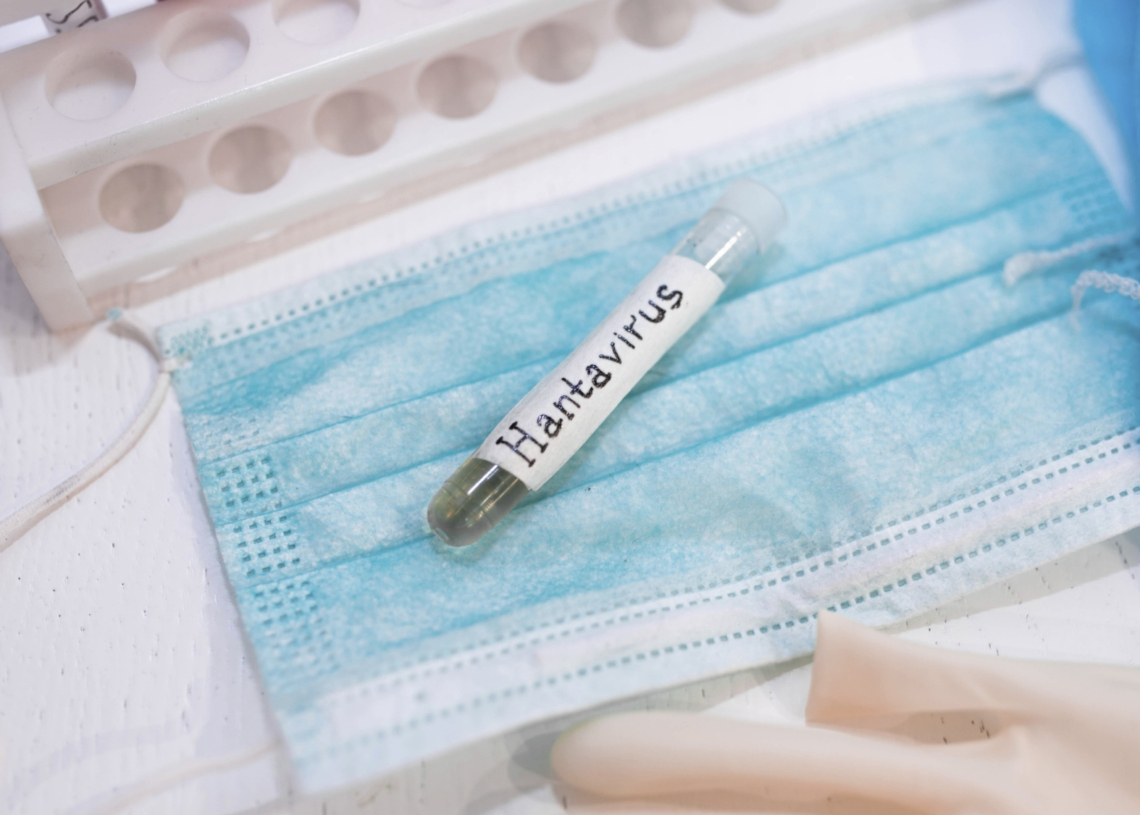
And yet, that’s what happened to Leo Schilperoord, a 70-year-old Dutch ornithologist who toured an Argentinian landfill looking for a rare bird before boarding the luxury expedition ship MV Hondius. Authorities believe he and his wife inhaled virus-laced particles from rodent droppings at the site, exposing them to the Andes strain of hantavirus, the only known form capable of spreading person-to-person. Leo died within days. The outbreak spread aboard the ship.
It’s an extreme example, but the underlying dynamic plays out in smaller ways constantly. Physician-scientist Dr. Steven Quay, author of the upcoming book “The Code as Witness,” which examines the origins of COVID-19 and failures in global biosecurity, spoke with the New York Post about the travel habits most likely to put someone at the start of an outbreak. “The dangerous travel exposure is usually not the obvious one,” he said. “Patient zero often begins with the sentence: ‘I didn’t think that mattered.’”
Here are the ten mistakes he says travelers keep making.
1. Visiting Bat Caves for a Selfie
Bats carry serious viruses and fungi, including rabies, Ebola, and Marburg. The CDC specifically warns against caves, tunnels, and mines inhabited by bats. The photo isn’t worth it.
2. Eating Bushmeat
“Monkey, ape, bat, rodent, or other wild-animal meat is not cultural courage; it is zoonotic roulette,” Quay said. Bushmeat is frequently eaten raw or barely processed, which means whatever it’s carrying survives. Ebola, HIV, anthrax, monkeypox. And if you’re thinking about bringing some home, don’t. It’s a federal offense.
3. Birdwatching or Picnicking Around Landfills and Rodent-Infested Sites
This is exactly what started the hantavirus outbreak. “The risk is not birdwatching; it is breathing or touching aerosolized animal waste in a place where pathogens are concentrated,” Quay explained.
4. Sweeping a Cabin or Rural Lodge Without Protection
A dry broom in a rodent-infested space sends microscopic virus particles straight into the air you’re breathing. “That is the classic hantavirus mistake,” Quay said. Wet cleaning methods and a mask are the move here, not a quick sweep before unpacking
5. Swimming in Warm Freshwater That Looks Clean
Pristine-looking jungle pools and slow rivers can harbor Leptospira bacteria from animal urine. It enters through cuts, eyes, nose, or mouth and can escalate into life-threatening Weil’s syndrome.
6. Refilling Your Water Bottle From an Airport Bathroom Sink
Quay made it through an entire Central American trip unscathed, then got sick from contaminated ice at the airport on the way home. Stick to factory-sealed bottles and skip the ice in countries where tap water is questionable.
7. Cuddling Stray Animals or Wildlife for a Photo
“Animal bites and scratches abroad are not souvenirs,” Quay said. Rabies, herpes B virus, and bacterial infections are all on the table.
8. Eating Raw Shellfish in Places With Uncertain Water Quality
Shellfish filter the water they live in. Contaminated water means contaminated shellfish. “That is how a ‘local food experience’ can become norovirus, hepatitis A, or worse.”
9. Wandering Through Live-Animal Markets Before Crowded Transit
Live-animal markets bring stressed animals, bodily fluids, and humans into close contact. “That is exactly the ecology in which zoonotic spillovers are more likely,” Quay said.
10. Ignoring a Fever After Travel Because It’s Probably Nothing
“The patient-zero problem is not just exposure; it is exposure plus delay,” Quay said. Fever, diarrhea, rash, or respiratory symptoms after unusual travel exposure warrant a real conversation with a doctor, including a full account of where you went and what you touched, ate, swam in, or breathed.
Quay’s warning at the start holds across all ten. The ice cube. The landfill detour. The monkey that wanted a hug. Nobody who became patient zero thought they were doing anything dangerous. That’s the whole problem.
The post 10 Travel Mistakes That Could Accidentally Turn You Into Patient Zero, According to a Doctor appeared first on VICE.