

Cardiologist Dr. Jake Kelly didn’t always prioritize his heart health.
Even though he was raised to love sports like soccer and running, and was encouraged by his mother to stay active, his habits stalled once he started college.
“I found video games. I just chose not to be active, minus walking to class,” Kelly, based in Alaska, told Business Insider. “I gained 30 pounds my freshman year.”
After realizing how terrible he felt because of his weight gain, he did a “hard reset,” losing all the weight in three months and eventually becoming a triathlete in college.
He started prioritizing more macronutrients, such as proteins and carbohydrates, in his diet, and learned to vary his exercise routine across different stages of his life, from medical school to having three kids, who are now 10, 8, and 5.
Kelly tries to relay the same advice to his patients.
“What seem to be small or poor habits compound over time,” he said. “In your 20s, it doesn’t matter as much, but by the 30s, it starts adding up.”
“And certainly by the 40s, 50s, and 60s, you now have this burden of bad habits that’s led to poor health metrics,” including increased risk of developing cardiovascular disease, he continued.
Kelly shared the four habits he prioritizes for good heart health, even amid a busy work and parenting schedule.
He works out first thing in the morning

Like many of his patients in their 30s and 40s, Kelly has to balance his routine with caring for his family. “You just don’t have any time to do things,” he said.
One big adjustment he made was working out first thing in the morning, as his wife does. “It only took her 15 years to convert me,” he said.
Kelly dedicates one hour in the morning to either biking or running with the dog. He also tries to squeeze in two strength-training sessions each week, usually for about 20 minutes.
“I just protect that time,” he said.
Short resets and a standing desk help him avoid being sedentary

In addition to his morning workouts, Kelly aims to get 10,000 to 15,000 steps a day with what he calls “exercise snacks.”
“Sitting is the new smoking — our smoking rates are very low, but we’re all super sedentary,” he said, a major risk factor for cardiovascular disease.
To combat this, he aims for short resets throughout the day, such as getting up to power-walk around the office, taking a bathroom break, or doing 10 air squats. The breaks usually last no more than 15 minutes, and he aims to take one every hour or so.
He also said his kids keep him active. “They need to walk or jog a mile, kick the soccer ball, ride bikes,” he said. “So now you’re getting this extra exercise moving with your kids.'”
Kelly also can’t sit for long periods due to having proximal hamstring tendinopathy, a chronic overuse injury common in runners, and a nerve compression syndrome that causes sharp pain in the lower body.
He uses a standing desk as much as possible, opting to walk and move as much as he can in between.
He follows a straightforward, heart-healthy diet
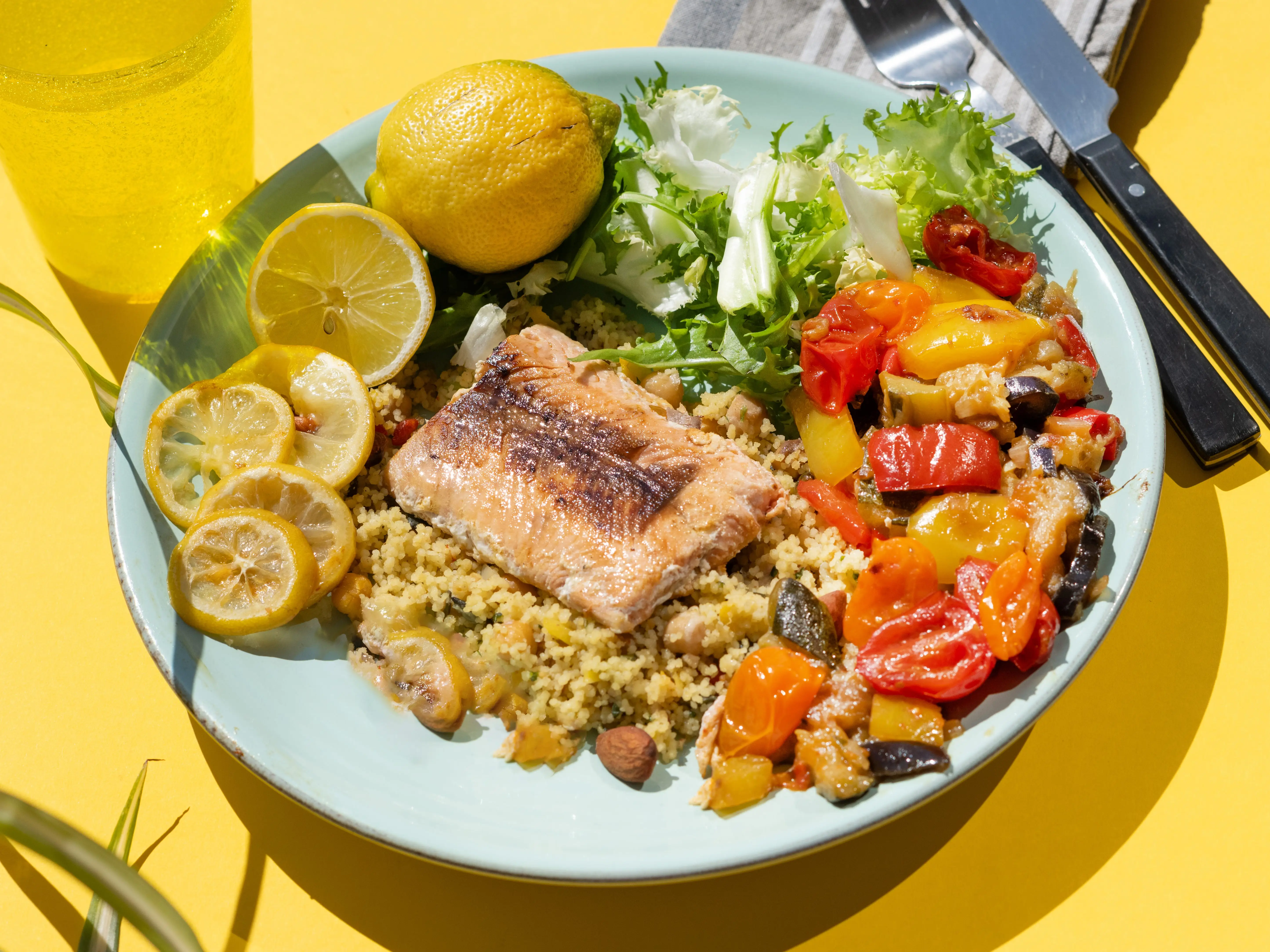
When it comes to his diet, Kelly keeps things pretty simple.
“Right now, everybody’s protein, protein, protein,” he said.
However, he thinks people should avoid glorifying or demonizing any one type of food.
“I tell my patients: ‘Eat three meals a day, ideally with a nice balance of protein, carbohydrates, and fat.’ We want all of the three macronutrients.”
Kelly’s breakfast is usually protein-packed, fat-free Greek yogurt, topped with mixed berries for fiber and extra nutrients. He adds toppings like minimally processed Kashi cereal, chia seeds, and peanut butter for additional fiber, healthy fats, and protein. He sometimes adds protein powder to stay fuller throughout the day.
His lunches are salads he makes with leftovers like chicken, tofu, roasted vegetables, and grains, mixed with a simple homemade olive oil-and-vinegar dressing.
Dinner centers on protein. “We eat a lot of salmon and halibut here in Alaska,” Kelly said. He incorporates roasted vegetables and carbohydrates such as quinoa and farro, which provide additional protein.
Snacks are usually nuts, fruit, or Chomps meat sticks on his strength training days.
Kelly also likes to stop eating between 6 and 8 p.m., giving himself a 10 to 12-hour fasting period to aid digestion and reduce heartburn.
“I’m done eating by 8, and then I try not to eat until the next day,” he said.
If he wakes up starving, he’ll eat an apple before his workout. “I just listen to my body,” he added.
Winding down for sleep

Kelly tries to be as consistent as possible with his sleep routine, going to bed within the same 30-minute period every day.
“Sleep is the best performance enhancer there is,” he said, as it helps the body repair tissue and clear brain toxins overnight. It’s also linked to a reduced risk of cardiovascular disease.
He tries to stop eating a few hours before bedtime, stops drinking fluids two hours before sleep to avoid waking up in the middle of the night, and stops using screens an hour before he hits the sack.
“These kinds of resets set you up for the next day,” he said.
Read the original article on Business Insider
The post A busy cardiologist and father of 3 shares his 4 simple habits for good heart health appeared first on Business Insider.