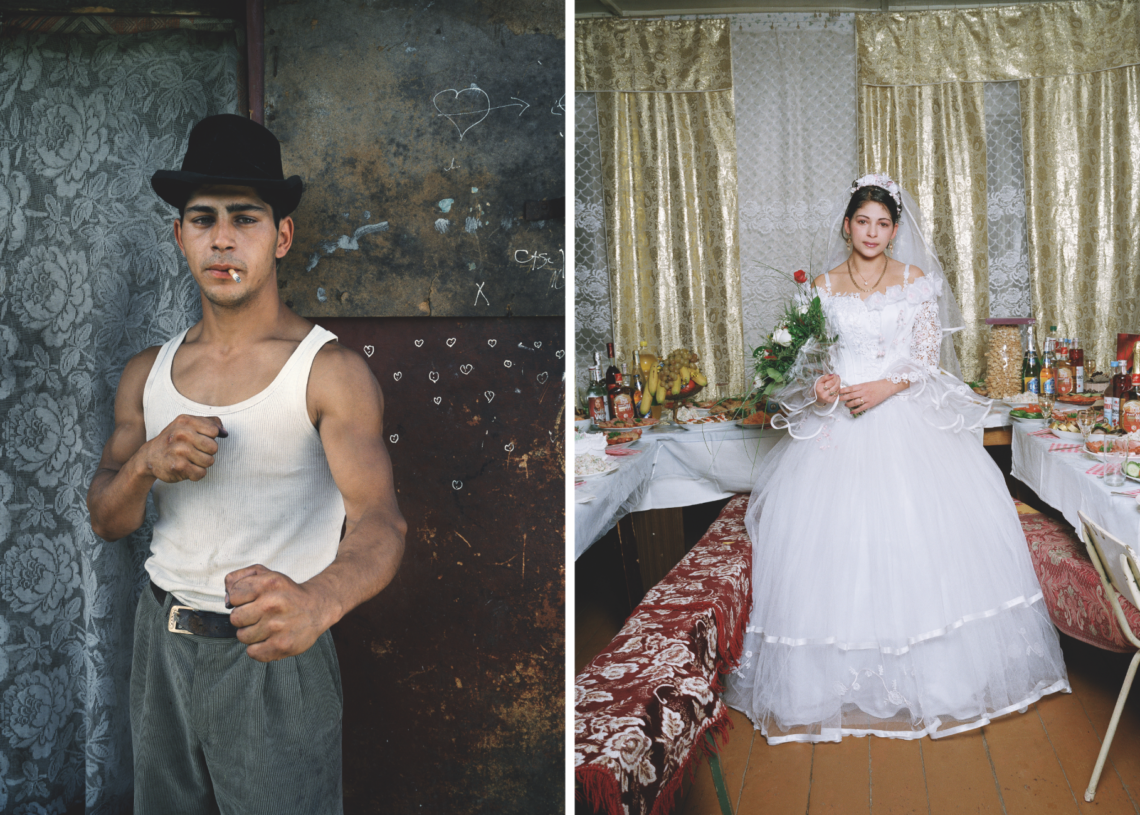
This photo essay is from the spring 2026 issue of VICE magazine, THE NOT THE PHOTO ISSUE. Buy it now—or get 4 issues each year sent straight to your door, by subscribing.
BAXT: /bacht/ n. Romani
luck; fate; destiny; fortune; karma; kismet
“For the Roma people, ‘baxt’ is the most important word in their language. One young woman described it as a kind of luck that follows you through life, and that luck depends on how you live your life. She said if you go against your fate, you can lose this luck. It guides how you live.”
No matter where they go, the Roma have a hard time making friends. “They’re a historically beaten people,” says Andrew Miksys, who’s spent 25 years photographing Lithuanian Roma for his project, BAXT. “They don’t have their own country. They left India a thousand years ago. They’ve made their home all over Europe in whatever countries.”
For centuries, the French assumed they were Czech, the Eastern Europeans thought they were from the Great Steppe, and the Western Europeans called them Egyptians. The Soviets treated them like criminals and the Nazis accused them of witchcraft. This uncertainty and suspicion bred thousands of years of hostility and persecution, which manifested itself in measures ranging from sedentarization to state child-seizure to death camps, and the kind of vibes that must be annoying when all you want to do is put on your favorite leather jacket and go to the local disco to dance with your pals.
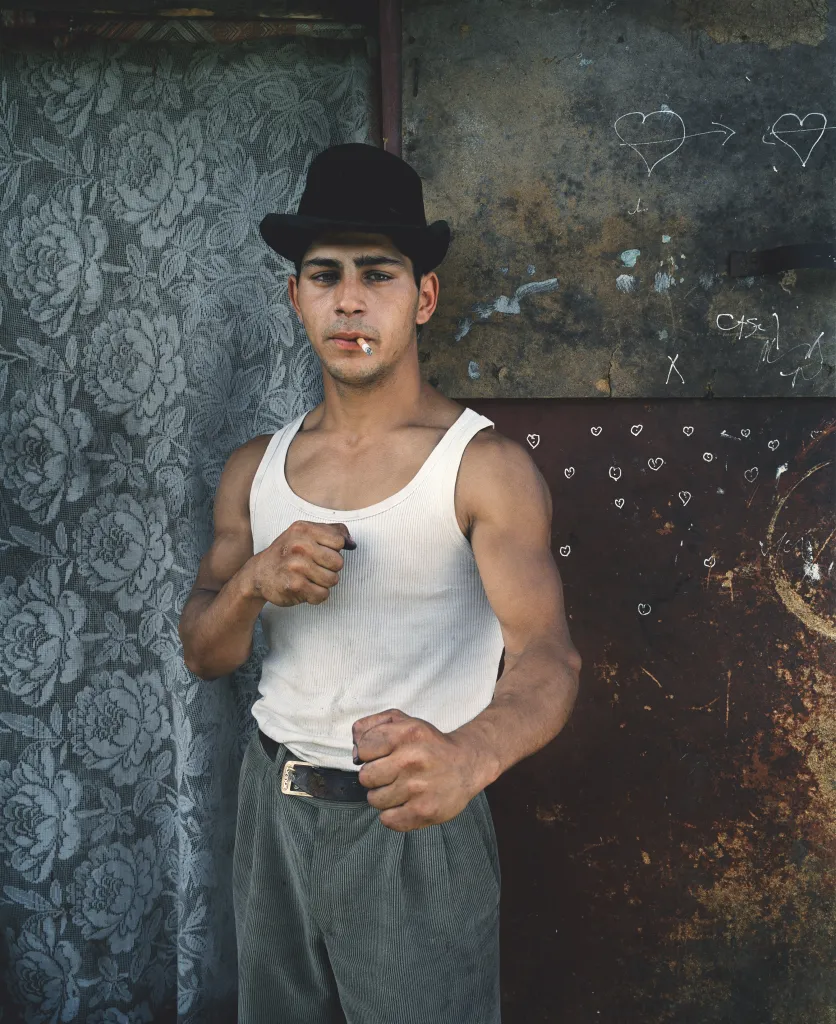
“I first came to Lithuania with my family in the mid 90s,” remembers Miksys, whose father was just a baby when his grandparents fled the country on a horse and buggy during World War II. “That’s when I photographed the first Roma family and went to the village disco. When I started, I heard all the usual stereotypes about Roma people being thieves and liars. There were no photography projects about or by the Roma that I could find in Lithuania. They almost didn’t exist except in negative newspaper articles that pointed to their otherness.”
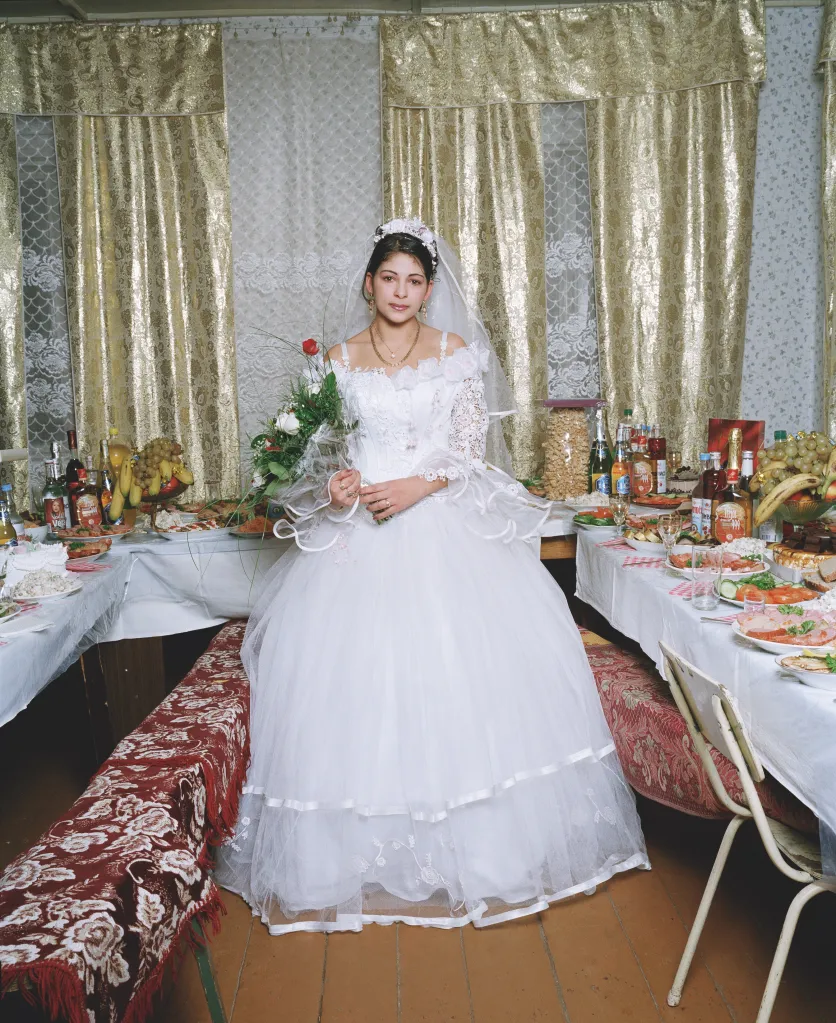
Miksys started work on BAXT in a tight-knit Roma community out by Vilnius airport known as Taboras. He had long hair, a Seattle accent, and didn’t speak Romani, Lithuanian, “or any other useful language.” Many of those he met instantly presumed he was out to screw them over. “I got out of the car and a super angry guy came, telling me to get out—‘We don’t need any journalists here!’ I tried to explain that I’m not a journalist.” He earned the trust of some by knocking back vodka shots; others, by returning a few days after a shoot with a print or contact-sheet photo as a gift. Romani is an oral culture, with very few books written in the language. As such, photography plays what Miksys describes as “an outsized role” in gathering up the moments in time that make a family history—and for the Lithuanian Roma, family comes first over everything.
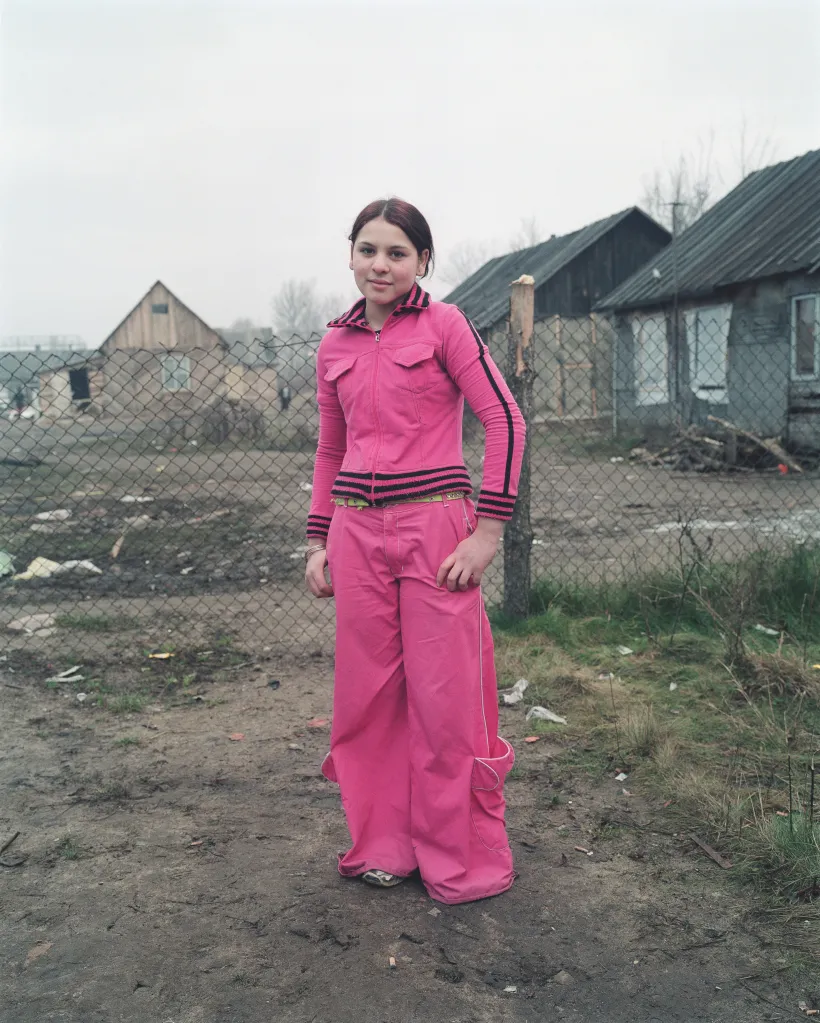
“I interviewed a guy in northern Lithuania,” says Miksys. “I went to his apartment, we were having coffee in his kitchen, and I look up and it’s a photograph I took of his dad, years ago, taped to a piece of cardboard. I was like, ‘Wow.’”
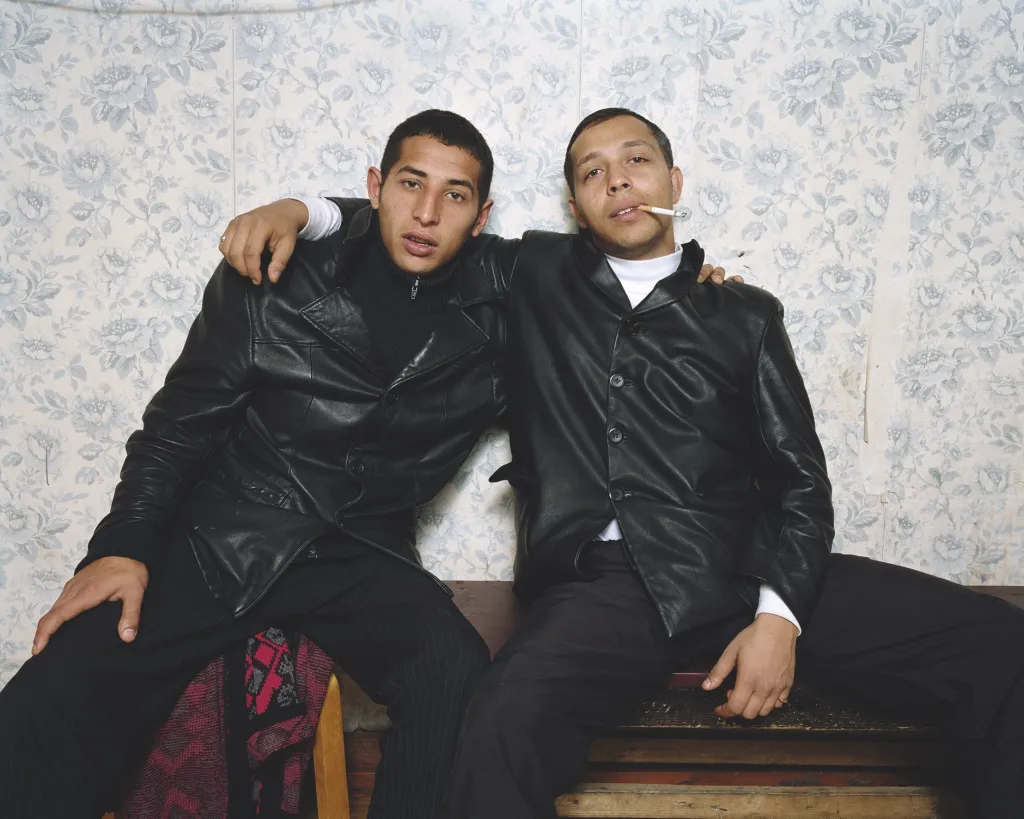

If the Roma in Taboras seemed suspicious of outsiders, they had good reason. During World War II it was a genocide site; half of those who lived in the town were killed by Nazis and local collaborators in what the Roma call “porajmos” or “the devouring.” Post 1945, the Roma were told to turn their back on their nomadic heritage and settle in Taboras. They built a community of 500 but it acquired a reputation for being a drug-plagued ghetto. In 2004, in came the police and bulldozers. “I felt helpless that day and went around trying to photograph as many houses as I could before they were all gone,” recalls Miksys. Many of those whose houses weren’t razed by the city did the job themselves, told to demolish their own homes with their bare hands or face a fine. When the destruction was complete, and the last home in Taboras had been leveled, Vilnius mayor Remigijus Simasius celebrated by posting a photo of the carnage on Instagram, tagging the location as “Cigonu, Taboras” or “Gypsy camp.”
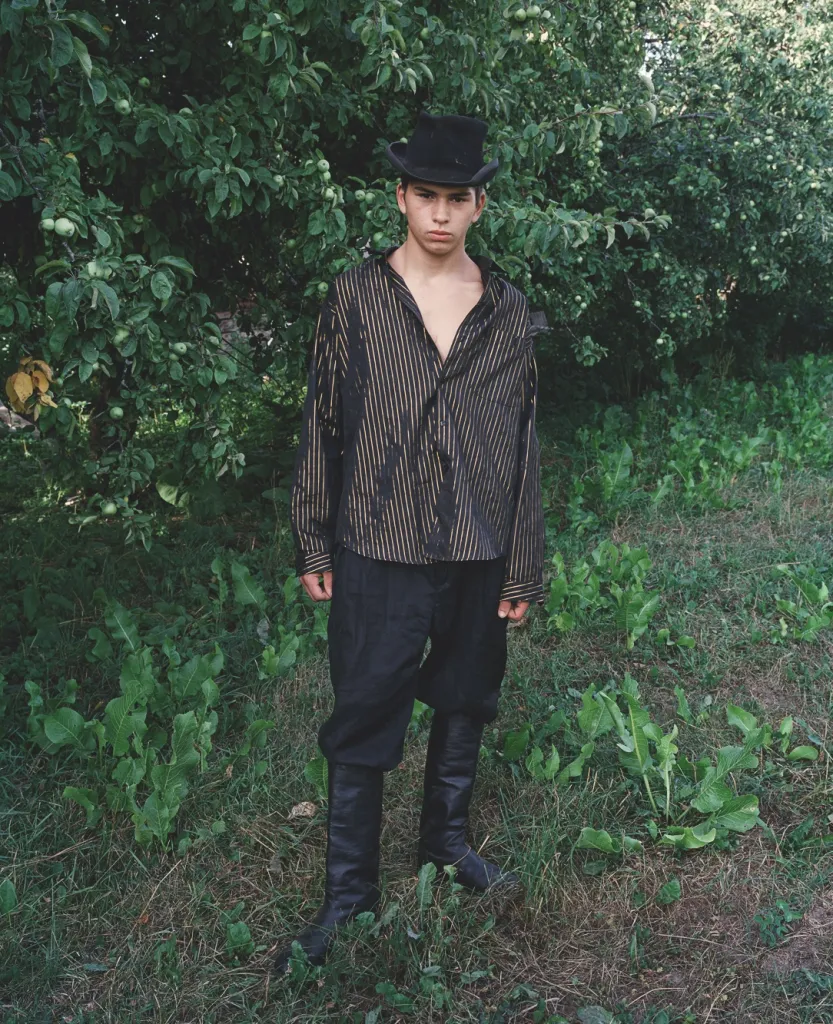
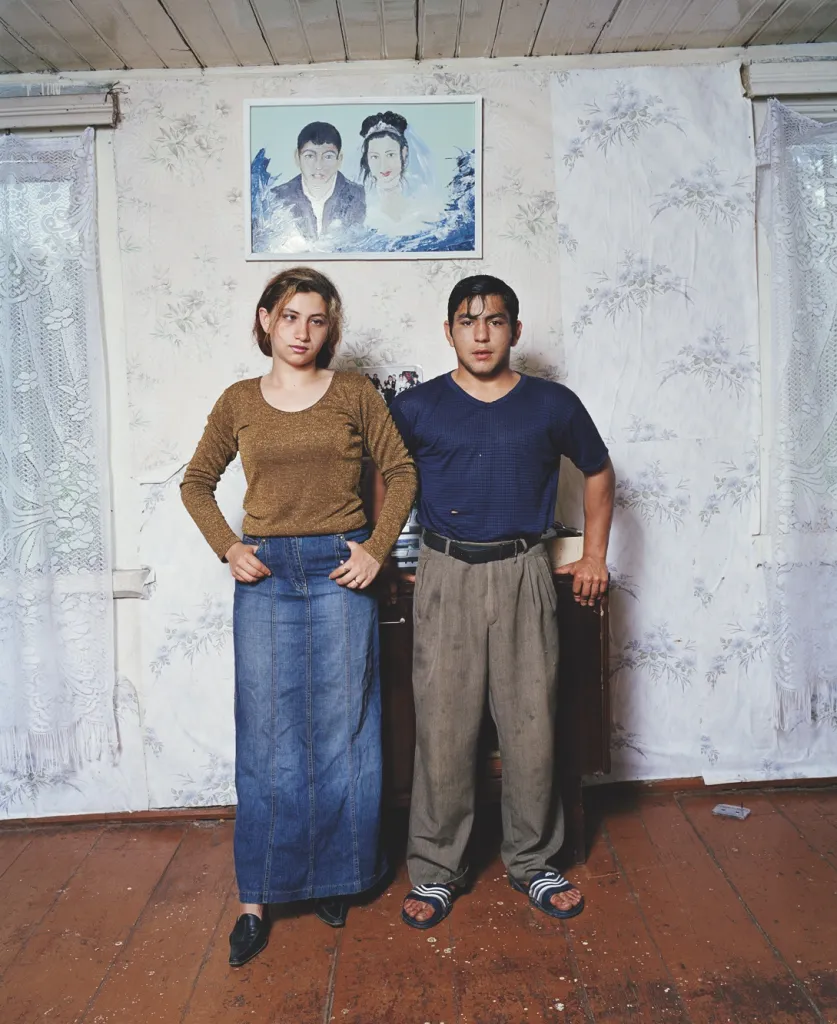
The indignities didn’t end there. In 2017, an exhibition of the pictures that make up BAXT was canceled after the venue objected to accompanying text Miksys had written that made reference to the Holocaust and Roma Genocide. The photographer lost a subsequent legal battle, despite the Roma submitting a letter of support to the court on his behalf.
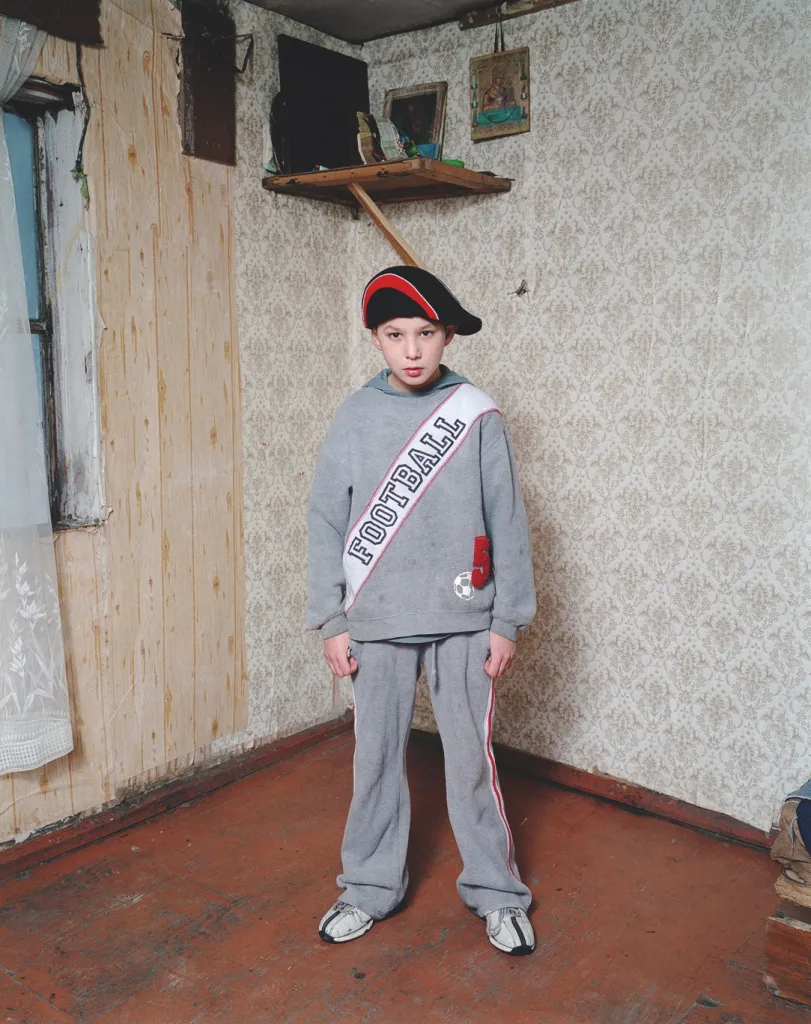
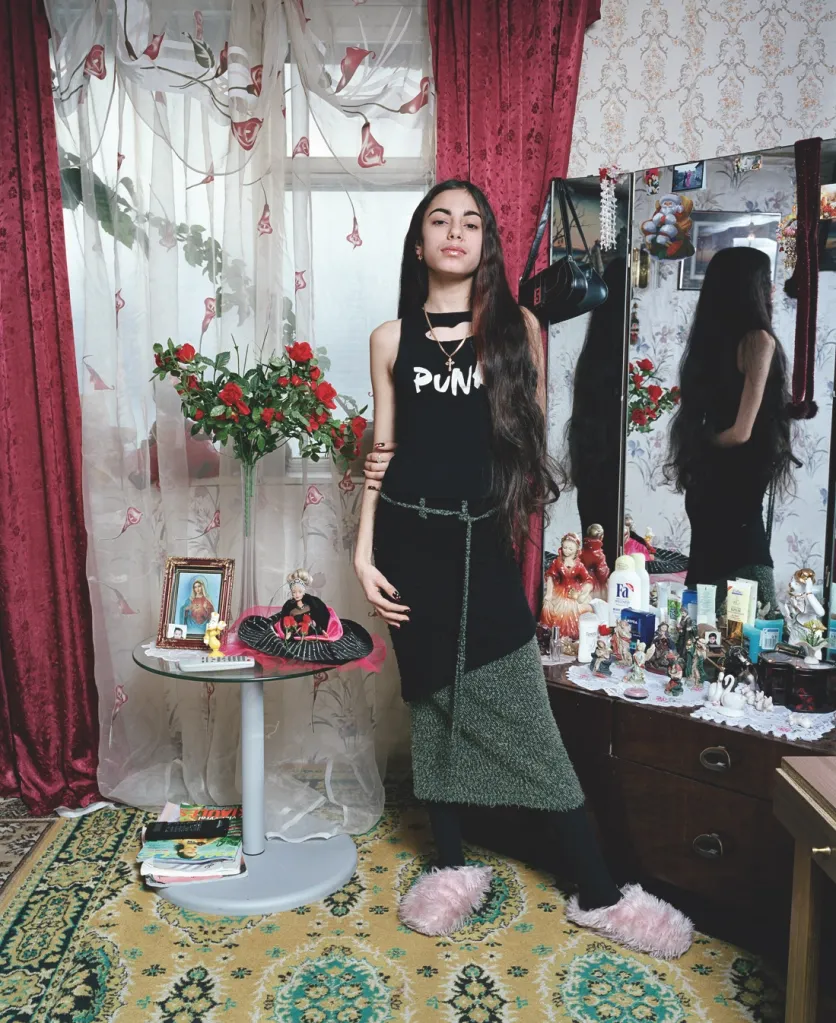
It’s funny how things turn out. Today, Miksys has relocated from Seattle and lives in the Lithuanian city of Žagarė; the Roma he first photographed in the country 25 years ago are now his friends and neighbors. (One of them, Spartacus, appears on the first and final page of this story, captured a decade and a half apart.) “I have twins now, they’re four. A boy and a girl. I work on my Lithuanian a lot. We speak English, too.” That deep immersion lends his work a quality that is becoming hard to find. “I was at a book fair and so many are made in a rush,” says Miksys. “They’re books, but they’re ‘Instagram books.’ They might have great design but they’re missing that process of building a connection with people over a long period.”
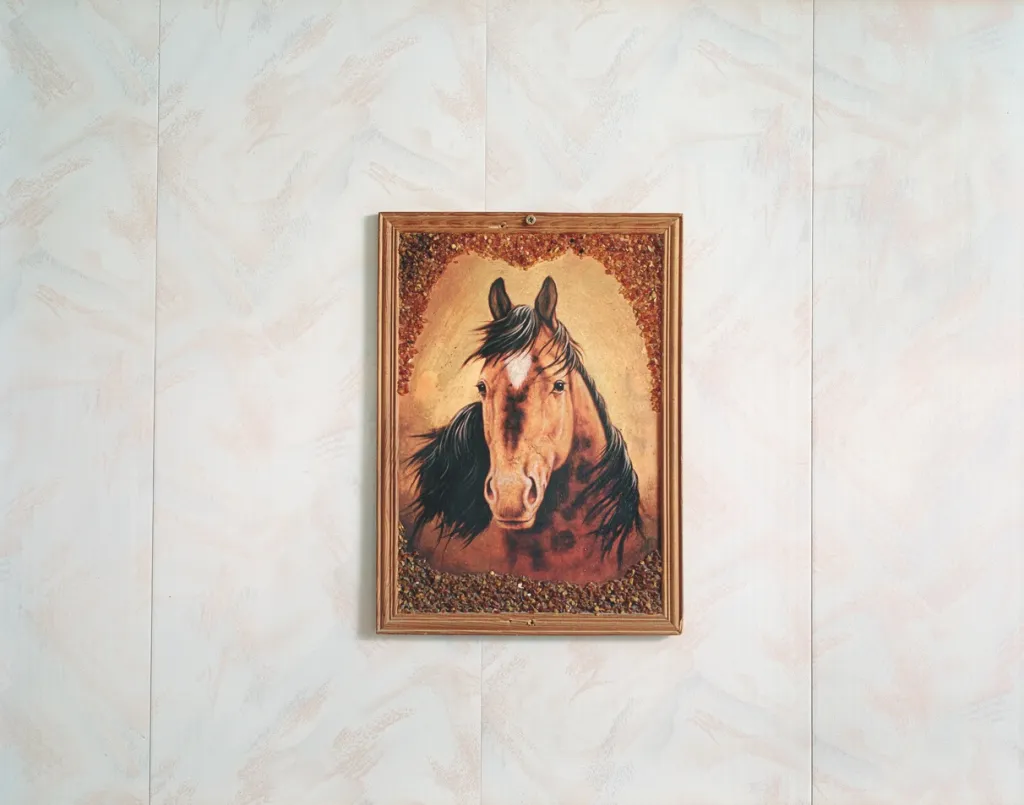
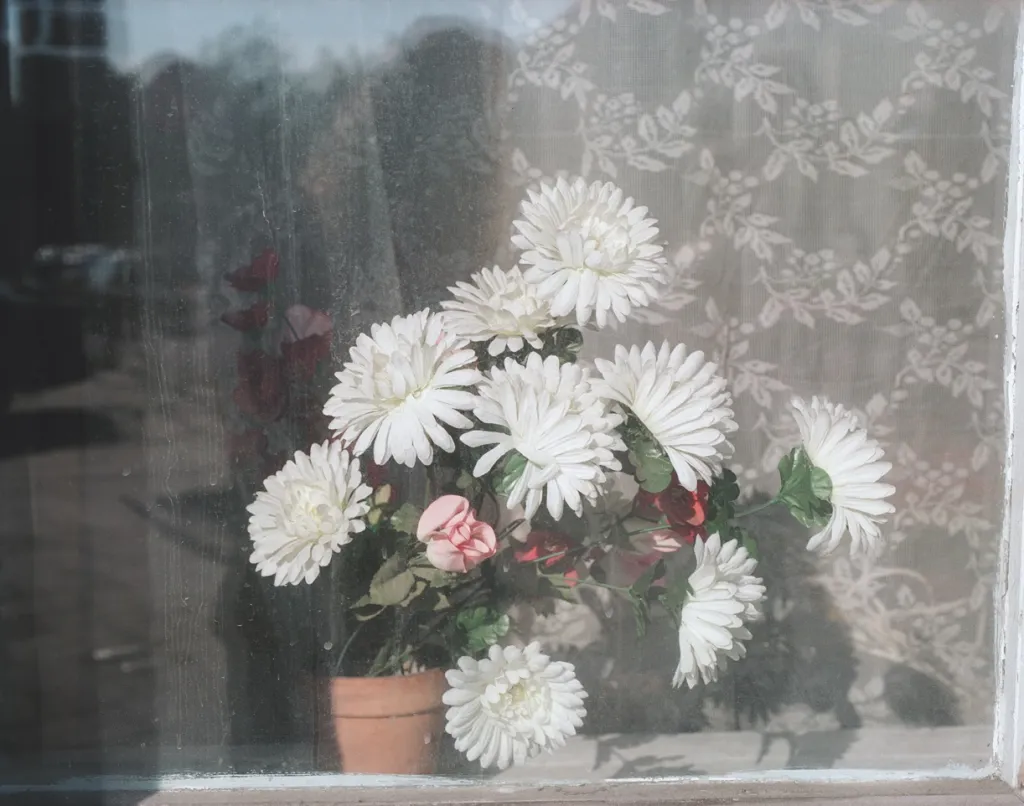
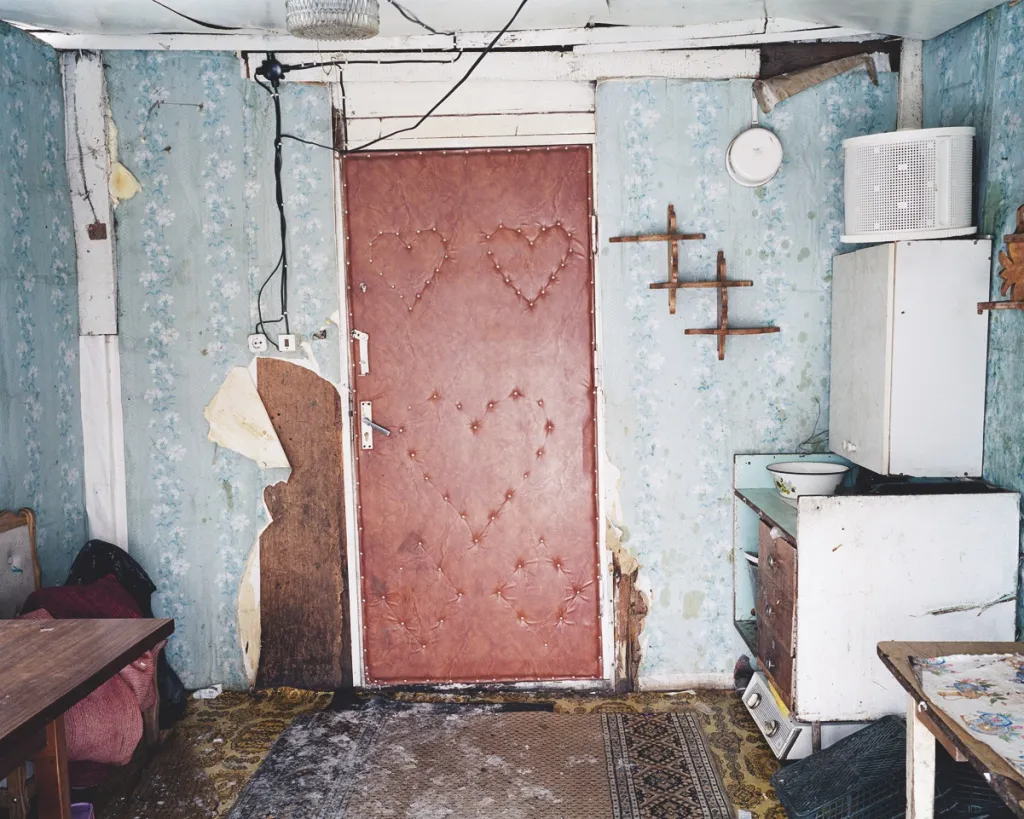
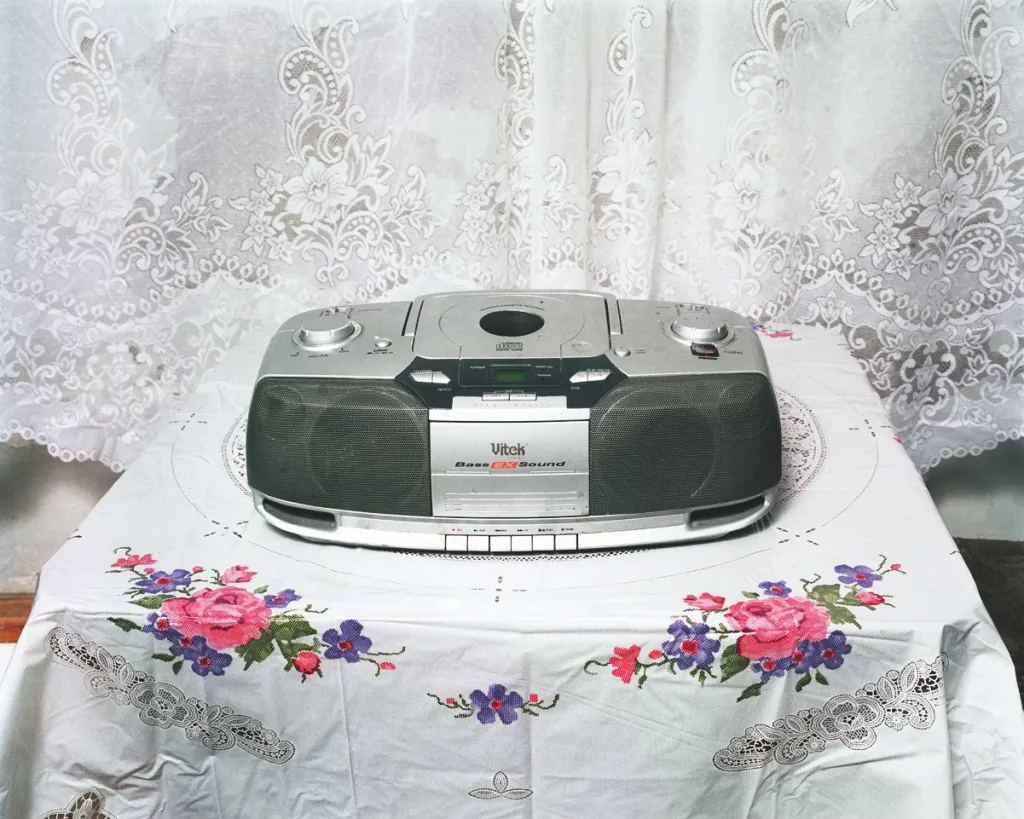
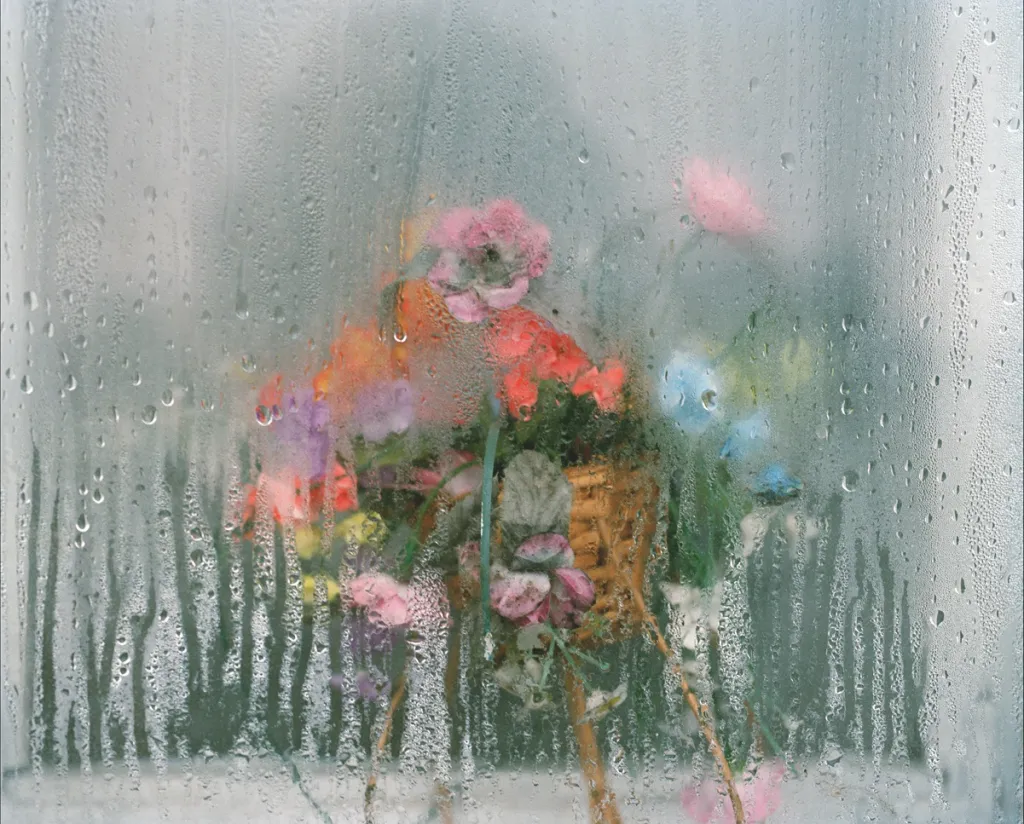
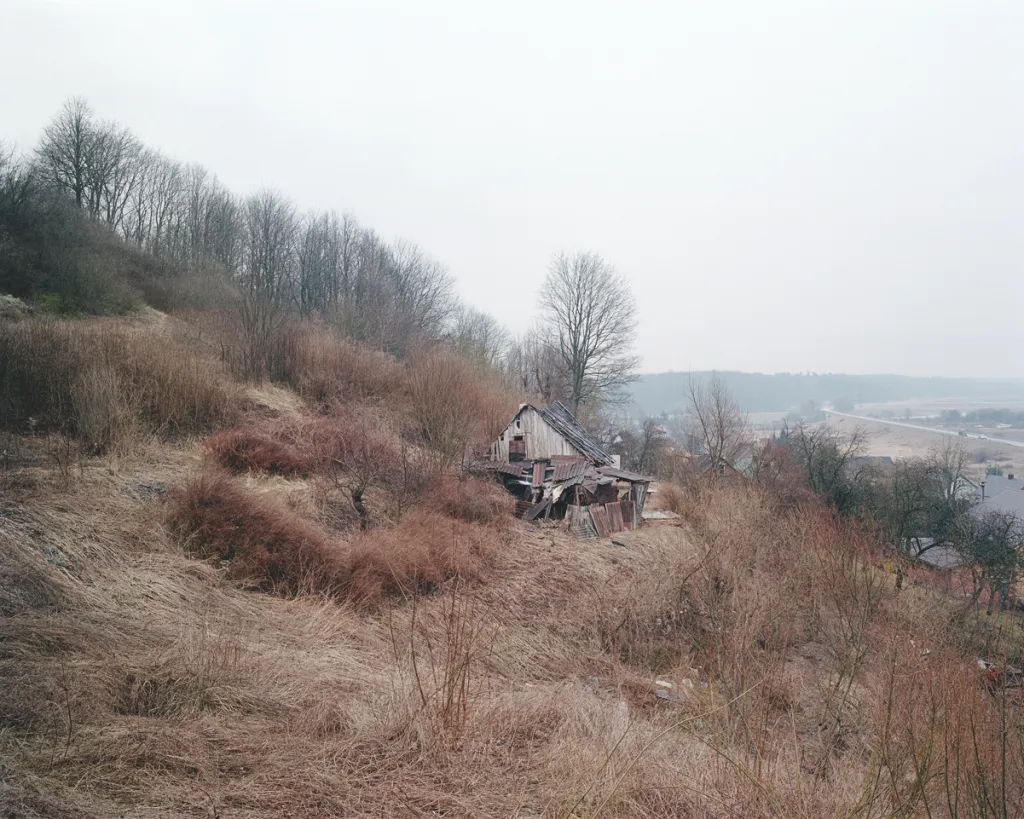
To speak candidly, there aren’t many traditional photos in this issue. It feels at times as though the power of photography is on the wane. These portraits made it in because, for whatever reason, they are images that stay with you. There’s a ubiquity to the way that people look today, which tends to be blamed on homogenized global fashion, social media beauty standards, and cheap high-street surgery. The people in BAXT seem to live outside of that machine.
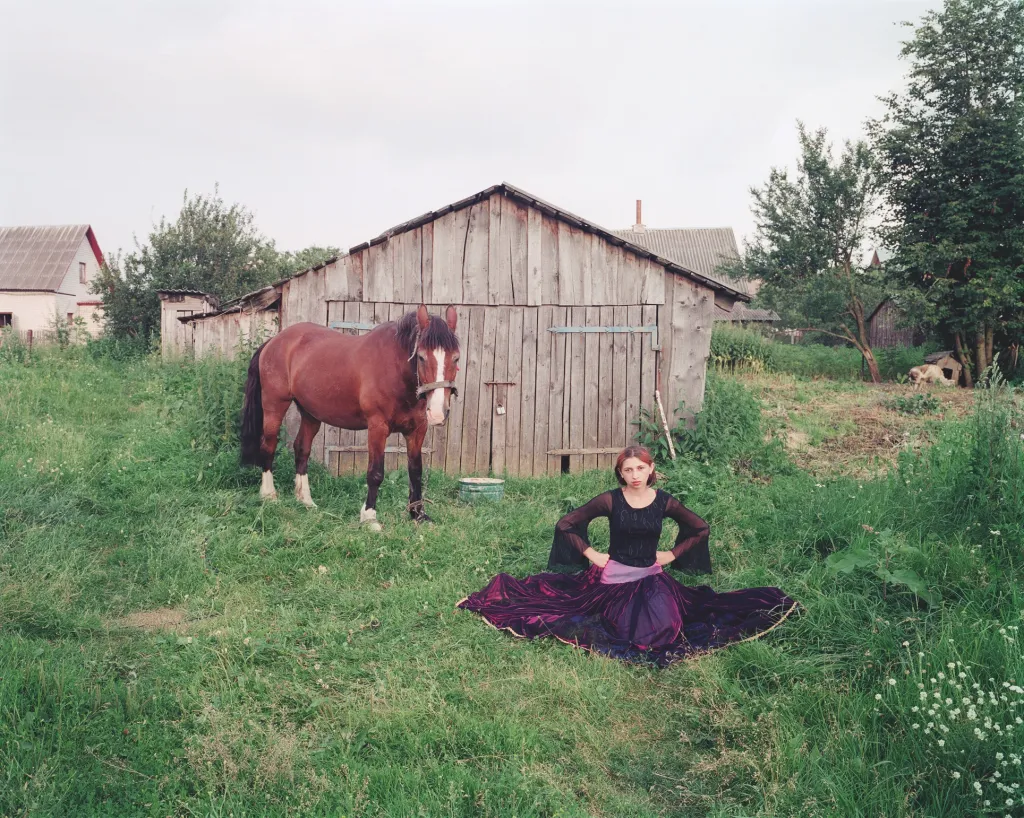
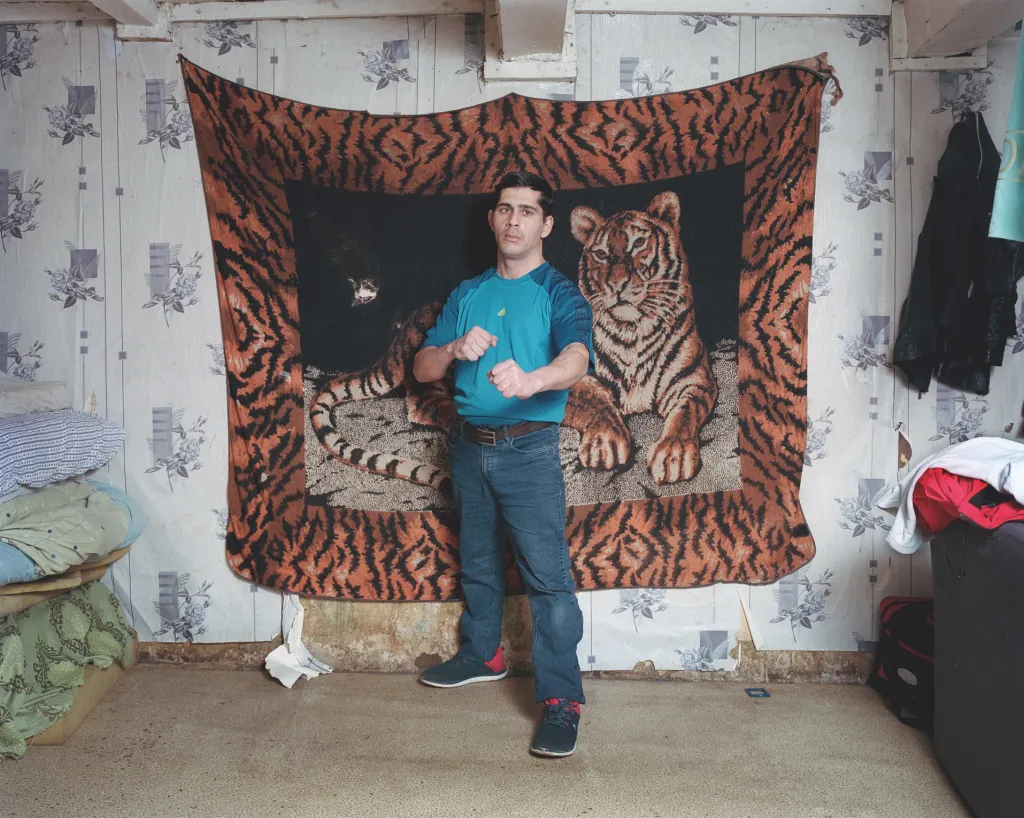
“Someone said once that fashion is like armor,” says Miksys. “For the Roma, having a distinct style helps when they’re outside of the house. It projects confidence that they can handle their personal space. You see in those pictures and their poses the pride that keeps them going.”
This photo essay is from the spring 2026 issue of VICE magazine, THE NOT THE PHOTO ISSUE. Buy it now—or get 4 issues each year sent straight to your door, by subscribing.
The post Luck Is a Thing You Make: Photos of Lithuania’s Roma Youth appeared first on VICE.