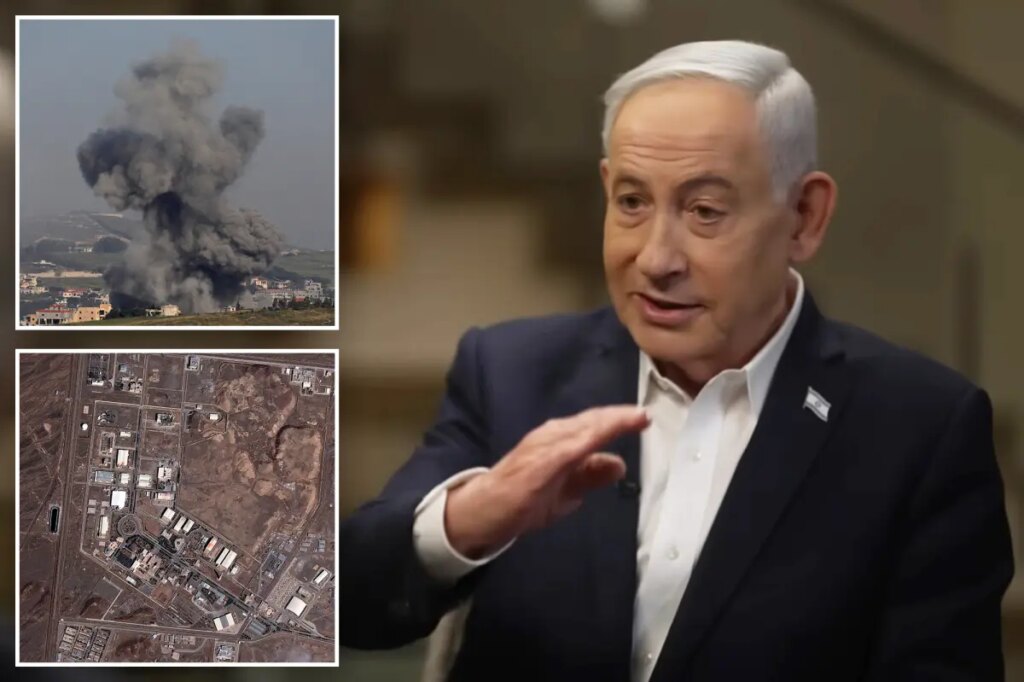
The US-Israel war on Iran “accomplished a great deal,” but cannot be considered over until the Islamic Republic’s enriched uranium is moved outside its territory, Israeli Prime Minister Benjamin Netanyahuargued in an interview broadcast Sunday night.
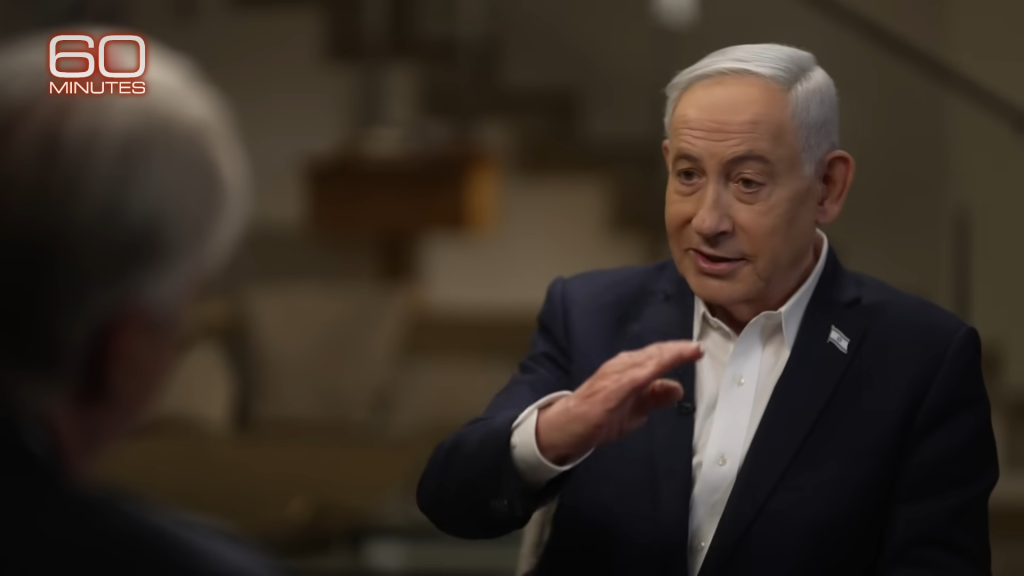
Netanyahu, in his first American network TV sitdown since the US and Israel launched strikes on Iran Feb. 28, declined to say when such an operation would occur or who would be responsible for executing it, telling CBS “60 Minutes” correspondent Major Garrett that “you’re gonna ask me these questions. I’m gonna dodge them.”
“I’m not gonna talk about military means, but the pres– what President Trump has said to me [is] ‘I want to go in there,’ and I think it can be done physically. That’s not the problem,” the 76-year-old said. “If you have an agreement, and you go in, and you take it out, why not? That’s the best way.”
The interview aired hours after Trump publicly rebuked Iran’s response to a 14-point peace framework offered by the US, writing on social media that it was “TOTALLY UNACCEPTABLE.”
Tehran’s proposal made no mention of curbing its atomic ambitions, according to the official IRNA news agency, instead focusing on fully reopening the vital Strait of Hormuz to commercial shipping before moving on to other contentious topics.
The International Atomic Energy Agency (IAEA), the United Nations nuclear watchdog, has said Iran has more than 970 pounds of uranium enriched up to 60% purity, a short technical step from weapons grade.
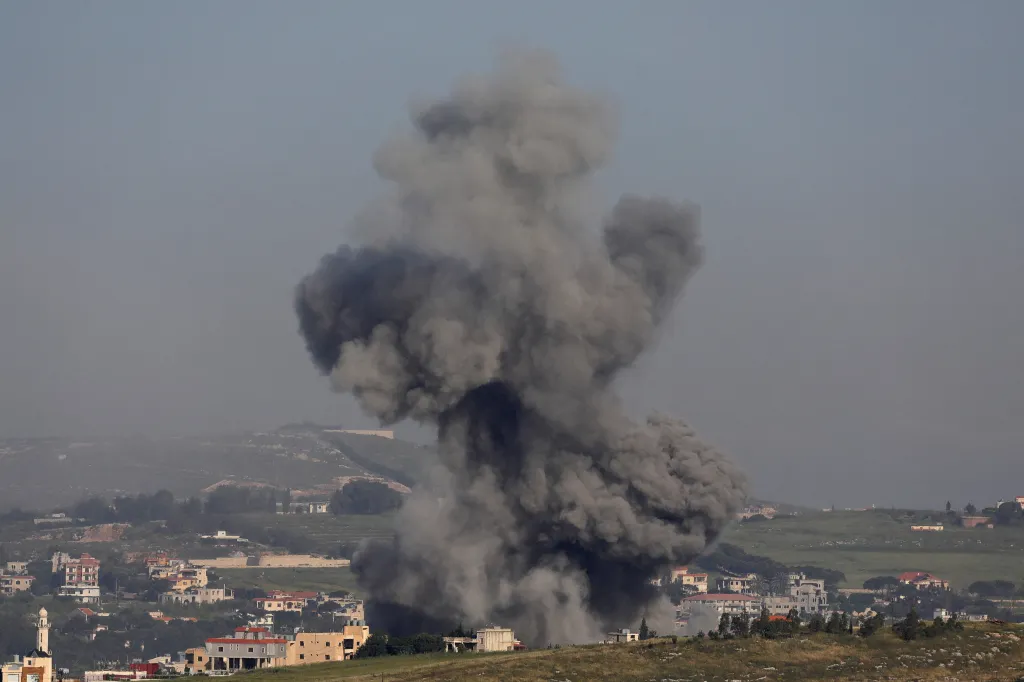
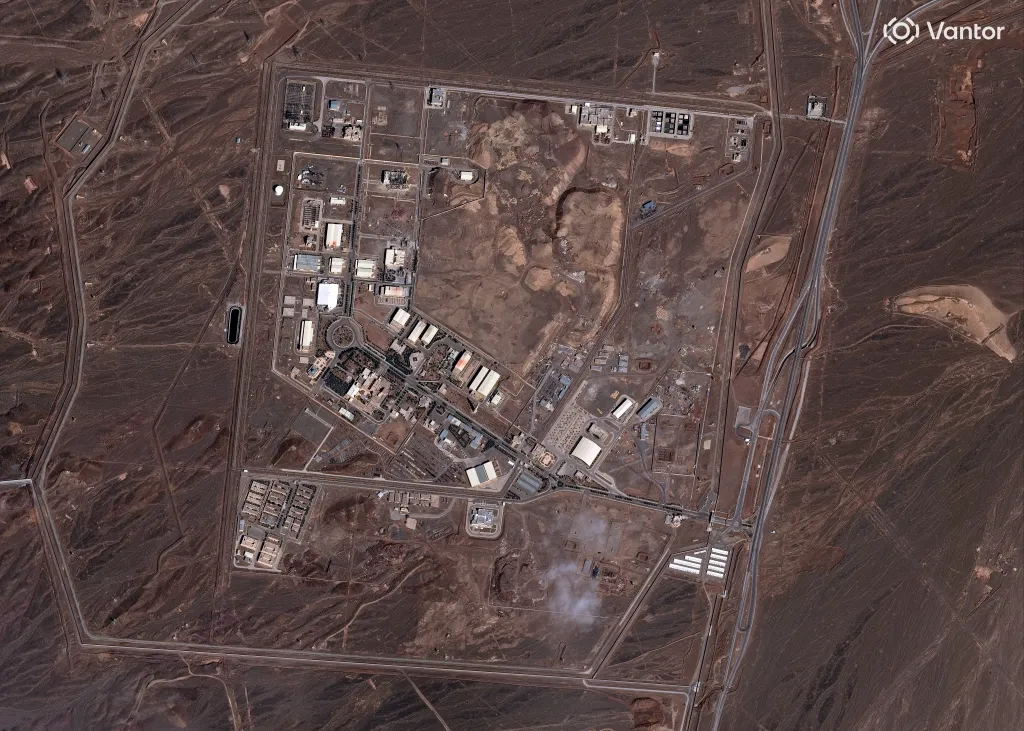
The majority of Iran’s highly enriched uranium is likely at its Isfahan nuclear complex about 275 miles south of Tehran, IAEA Director-General Rafael Grossi told The Associated Press last month. The facility was hit by US-Israeli airstrikes during the 12-day war last year and faced less intense attacks this year.
Elsewhere in the interview, Netanyahu denied a report by the New York Times that he insisted to Trump before the war began that the US and Israel could succeed in overthrowing the theocratic regime that has run Iran since 1979.
“We both agreed, you know, that there was both uncertainty and risk involved,” the PM said. “And I remember that we — I said, and he said — that the danger, there’s danger in action, in taking action. But there’s greater danger in not taking action.”
Asked by Garrett if he believed it is “possible” to effect regime change in Iran, Netanyahu said: “I think that you can’t predict when that happen. Is it possible? Yes. Is it guaranteed? No.”
Looking forward, Netanyahu claimed that he wanted to wean Israel off American military aid, which currently stands at $3.8 billion per year.
“I want to draw down to zero the American financial support, the financial component of the military cooperation that we have,” he said. “Because we receive– we receive $3.8 billion a year. And I– I think that it’s time that we weaned ourselves from the remaining– military support.
“I said, ‘Let’s start now and do it over the next decade, over the next ten years, but I want to start now. I don’t want to wait for the next Congress. I want to start now.’”
With Post wires
The post Iran war not over until enriched uranium removed, Netanyahu says appeared first on New York Post.