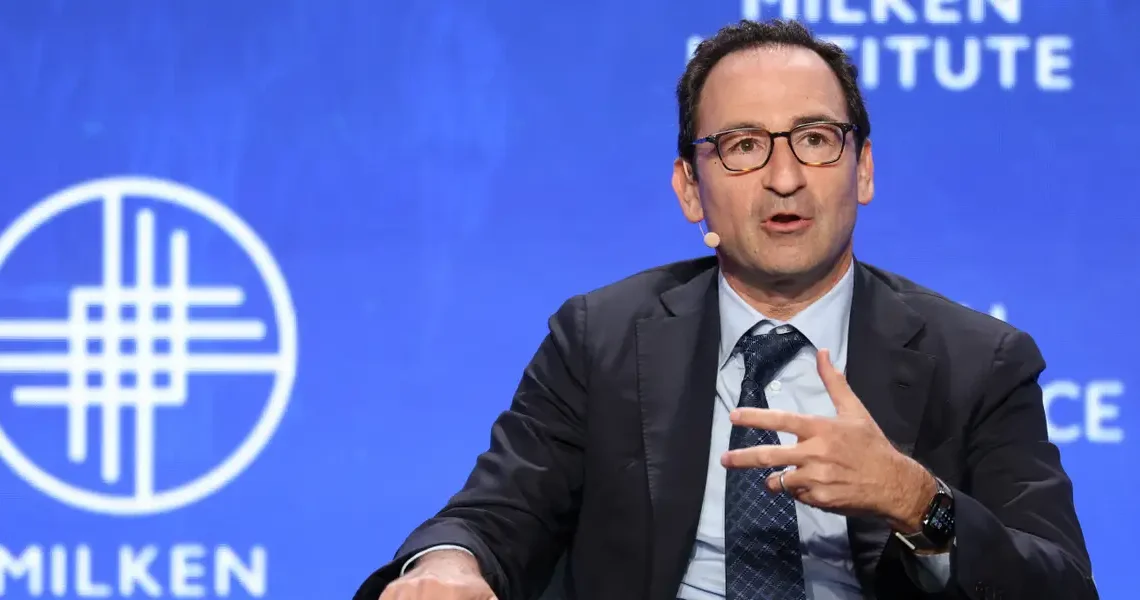
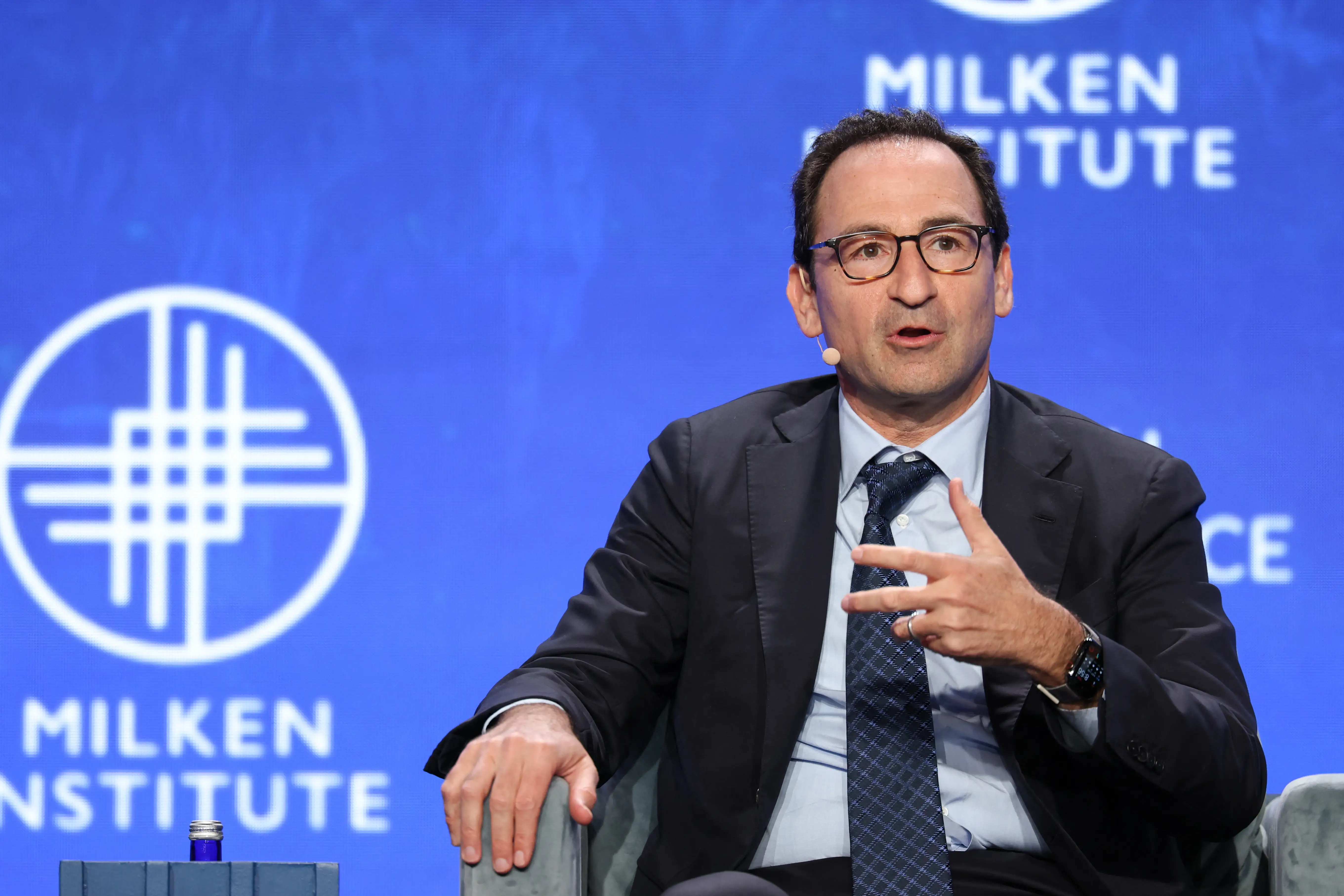
On nearly every finance-themed panel at the annual Milken conference, there were plenty of excuses.
Private markets titans descended on Los Angeles this week amid plenty of noise. Executives are facing more scrutiny of their private equity and credit strategies after years of explosive fundraising fueled by wealthy investors. Now, redemption pressures, limited liquidity, weaker returns, and concerns about how AI will impact their portfolio companies are stressing their investment theses and marketing promises.
“It’s a show-me moment among managers,” said Michael Brandmeyer, chief investment officer of Goldman Sachs’ outsourced investing unit.
The conference, typically a place where asset management executives get to boast about big wins and bigger plans to come, became a mix of a therapy session and an autopsy of what went awry.
“We are at an inflection point with investors,” said David Golub, founder of private credit manager Golub Capital.
For many optimistic executives, this is a story that is more noise than substance. Managers pointed to strong performance from their portfolios’ holdings and continued demand for private credit from institutions as proof that all is well, despite the headlines.
Michael Milken himself, the billionaire financier whose institution throws the conference, said some of the misconceptions about the space are “fueled by people who work major banks in our country,” an apparent reference to JPMorgan Chase CEO Jamie Dimon’s past comments about “cockroaches” in private credit.
Others believe the product and the structure didn’t align with retail investors who wanted more liquidity than the asset class can offer.
“We need to make sure the story is clear. Private markets are illiquid. That’s just it. You invest in private credit, it is illiquid,” said Jenny Johnson, the CEO of Franklin Templeton, which manages $100 billion in private credit funds.
The new money and managers that flooded into space also added to the competition for deals and hurt returns, several longtime players said. It didn’t help that many end investors saw their public market portfolios soar while their private holdings struggled.
“When public markets are on a tear, private markets don’t look as good,” said Anthony Tutrone, global head of alternatives at Neuberger Berman.
Backers are also now looking for a clearer payoff. The premium for locking into illiquid assets has gone up, according to Rohit Sipahimalani, chief investment officer of Temasek, the Singapore sovereign wealth fund.
While the anxiety is spooking some investors, the shakeout is healthy for the space, according to some big credit players.
Lee Kruter, GoldenTree’s head of performing credit, presented on how private credit has seen limited dispersion between top and bottom performers in recent years, calling it “unnatural.” Rick Miller, TCW’s chief investment officer for private credit, said: “We’re back in a much more normal environment.”
“It’s a safe harbor asset class,” Miller said. “You have to invest it the way God intended.” Meaning, it works best when investors don’t view the space the same as they do liquid markets or equity opportunities.
“All is not well in private credit,” Miller said, as there are “indiscriminate” lenders that have piled into the space. “There’s going to be some people getting dinged up who leaned in at the wrong time.”
The industry’s leaders know there’s one thing that will quiet the noise: Returns.
“If we deliver that premium, then it’s a good trade,” said Jon Gray, Blackstone’s president.
Read the original article on Business Insider
The post ‘It’s a show-me moment’: Private-credit heavyhitters go on defense at Milken appeared first on Business Insider.