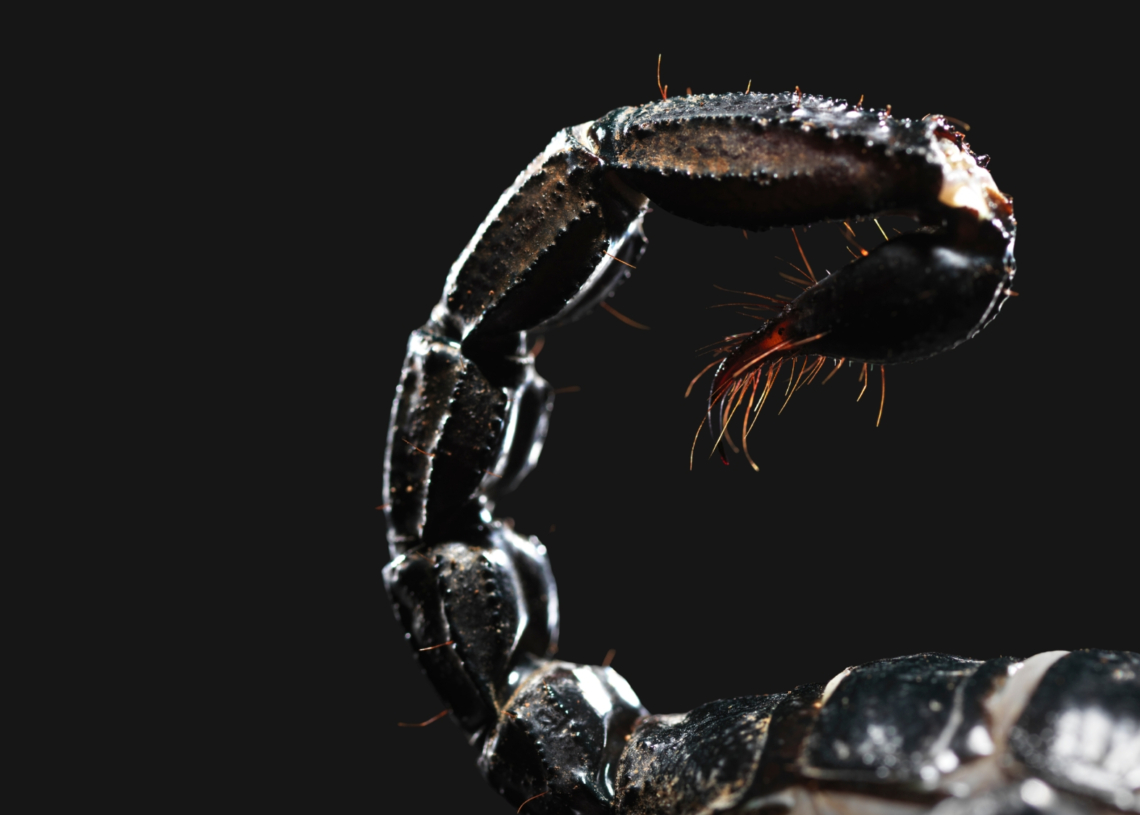
Scorpions are already pretty metal. In the metaphorical sense, at least. They are hardcore, cool as heck, and super rad, like spiders if spiders carried a switchblade covered in venom. Well, according to new research published in the Journal of the Royal Society Interface, scorpions may also be literally metal. Or, at least, the most deadly parts of them.
Scientists from institutions including the Smithsonian National Museum of Natural History examined 18 scorpion species using X-rays and electron microscopes. They mapped where metals such as zinc, iron, and manganese occur in their bodies. Surprisingly, they found that the metal was strategically placed around the body to reinforce the deadly little creature’s most important weapons.
For instance, high concentrations of zinc were found at the very tip of its stinger to reinforce its strength and durability. Beneath that, the researchers found manganese providing a secondary layer of strength. In the pincers, they found zinc and iron lining the edges, helping them withstand the stress of grabbing, crushing, and holding onto prey that would very much prefer not to be grabbed, crushed, or held.
This effectively turns their claws into a naturally occurring version of the pliers in your toolbox. Sounds pretty metal, right?
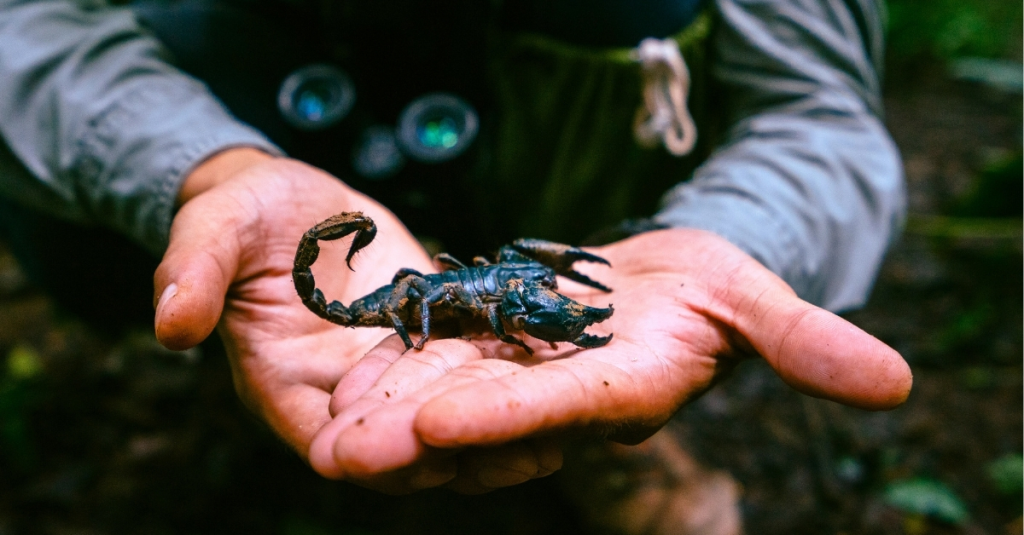
Scorpions Kill So Well Because They’re Reinforced With Metal
While these are quite literally metal tools (or maybe more accurately, metal-reinforced tools), they are definitely helpful to some scorpion species; others have taken a different path on the video-game-like upgrade tree that is evolution. Some species that rely more heavily on their pincers, like burrowing scorpions, have bulkier claws and slightly weaker stingers. Conversely, some thick-tailed scorpion species prioritize venom delivery and speed in the tail.
All of this requires some kind of trade-off at a chemical level, with various types of metals being dispersed in different quantities depending on need. The more zinc a species has in its stinger, the less it has in its pincers, and vice versa. And contrary to what you may assume, scorpions with weaker, slender claws actually have a higher concentration of zinc in those claws, meaning that the metal might be improving durability and helping to reduce wear over time, rather than reinforcing it for the sole purpose of boosting its raw strength.
On the whole, the study suggests a broader evolutionary pattern in which Mother Nature reinforces the biological tools some species are equipped with, much as we humans reinforce our industrial tools, making an already intimidating species that much more frightening. If this keeps up, evolution will take some more lessons from us and convert that venom-dispensing stinger into a rudimentary missile launcher, like something from a 90s action figure.
The post Scorpions Are Basically Tiny X-Men, Scientists Say appeared first on VICE.