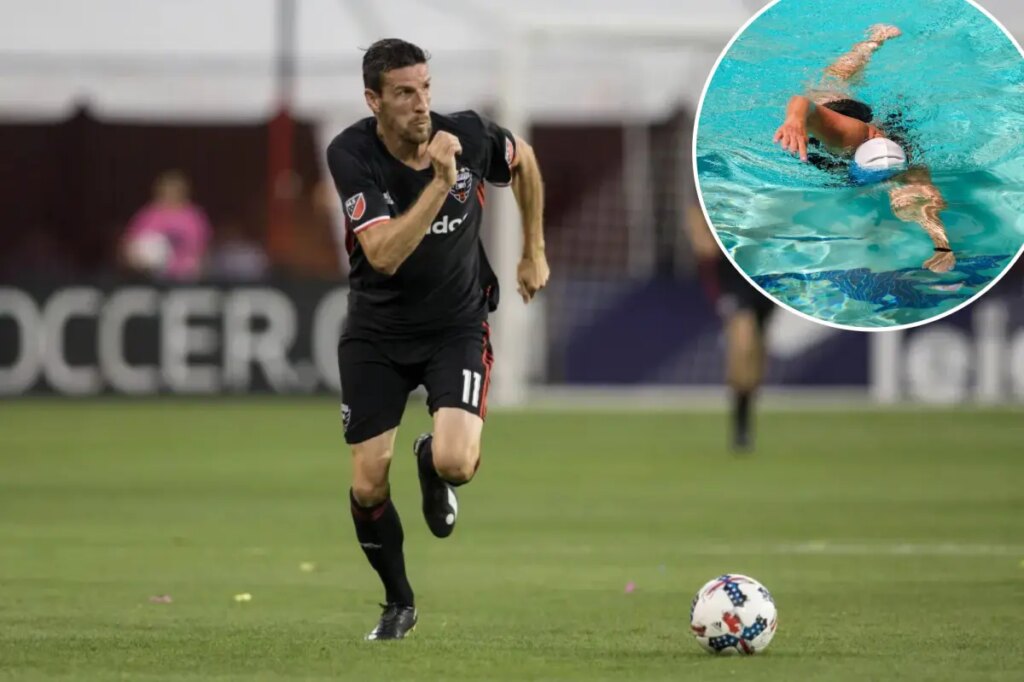
Run, Sébastien, run!
During his Major League Soccer career, Sébastien Le Touxbuilt his reputation on relentless endurance, routinely covering more ground than younger teammates and opponents.
“I was not strong, I’m pretty skinny, and I don’t really like physical contact, but running was something that I could do for an entire game,” the former Philadelphia Union player, 42, told The Post. “By the end, everyone was tired, but I was still able to run.”
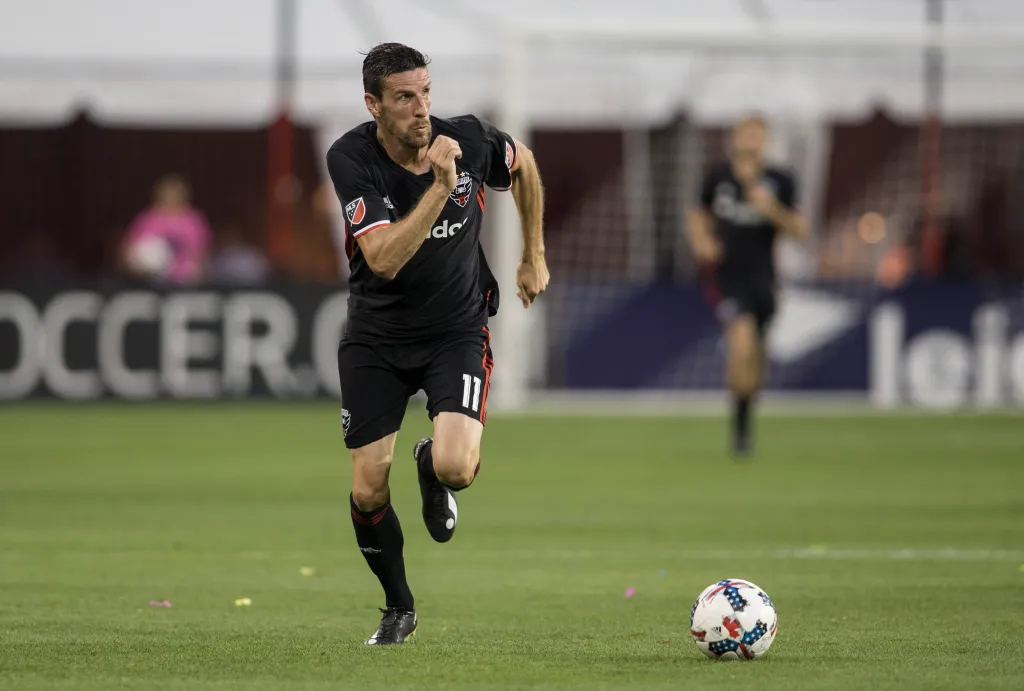
That stamina wasn’t forged solely on the pitch.
Instead, Le Toux credits an unlikely training ground for his edge on the field — the pool.
“I’m not a good swimmer, but swim apnea is a great tool to develop your aerobic [capacity],” said the Frenchman, who retired from professional soccer in 2018.
Also known as dynamic apnea training, the unique exercise is widely used by freedivers to improve breath control and underwater endurance.
Le Toux said it also translates to greater running stamina on dry land.
When he was playing professionally, he would set aside about 30 minutes for swim apnea training several times a week.
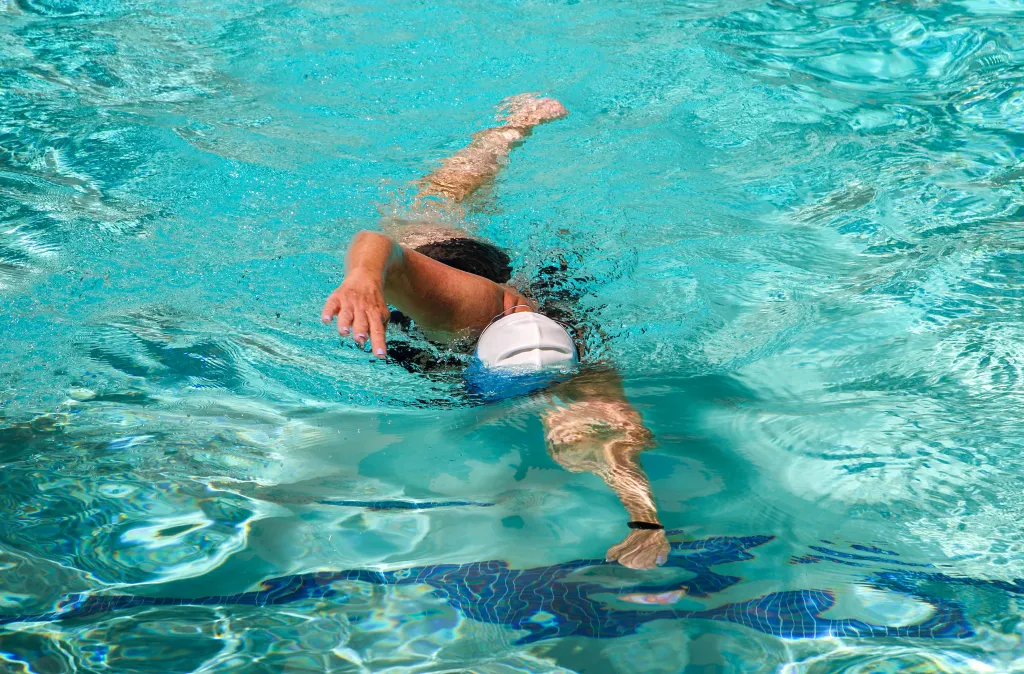
The routine is simple. After a warm-up, swimmers take several deep breaths and attempt to swim the length of the pool without lifting their heads for air. At the end of each length, they surface, recover briefly and repeat.
After about five minutes, they rest, then gradually extend the distance they can swim underwater without breathing.
“At the beginning, I’d take my deep breaths in the pool, and I was going maybe 25 meters and then a little bit back,” Le Toux said. “But by the time I was done training after a couple of weeks, I was able to do two, three, almost four laps back and forth in the pool.”
Research suggests apnea training may increase lung volume and maximal aerobic capacity (VO₂ max), a measure of how efficiently the body uses oxygen.
It is also believed to help the body tolerate higher carbon dioxide levels, delaying the urge to breathe during intense exertion.
Beyond the physical benefits, Le Toux says the practice builds mental discipline by training the body to stay calm under discomfort.
“That’s why I was able to always run more than all of my teammates,” the footballer said.
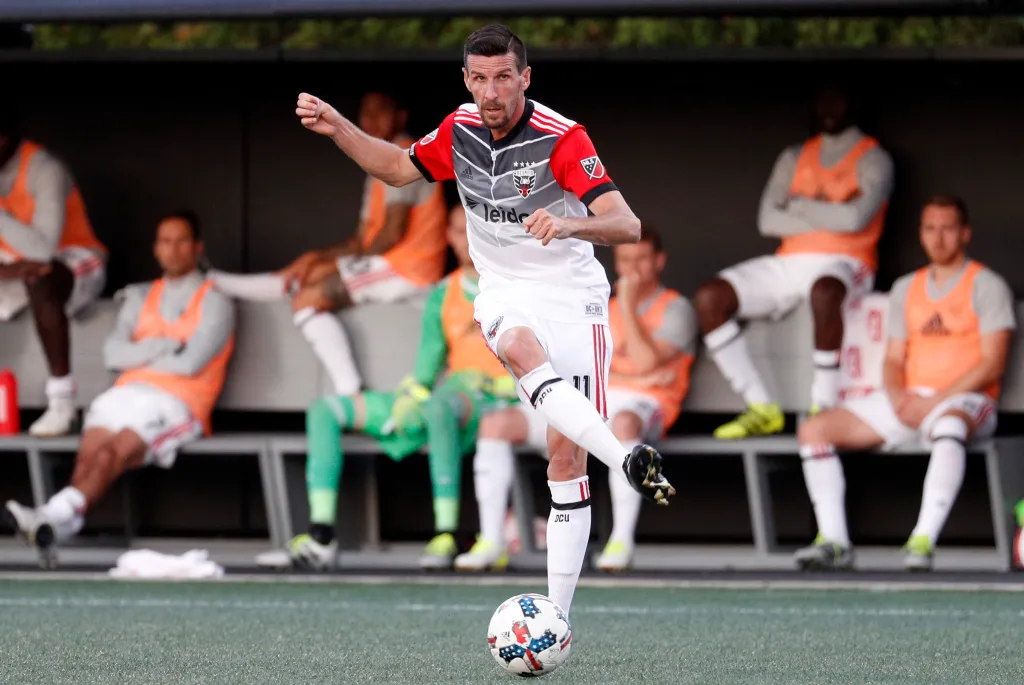
“If anyone likes to swim, go for it. I think it’s a great workout because even when you’re done, usually you don’t feel as tired in your body,” he continued. “It’s good recovery as well.”
As Le Toux has gotten older, recovery has become just as important as performance.
From hot saunas and cold plunges to chiropractor work and massage therapy, he says learning to listen to his body has been essential in life after professional soccer.
He still finds himself on the field often, running alongside young players through his youth coaching work.
To keep up, there’s always one thing in his gym bag: Arnicare.
Designed to relieve muscle pain, stiffness and swelling, the homeopathic, plant-based product is available as a gel, cream, ointment or oral tablet.
Le Toux started using it as a child in France when his mother gave it to him following his first soccer injury.
“I know it will help me feel better right when something happens,” Le Toux said, speaking on behalf of Boiron USA, the maker of Arnicare.
The post I was a pro soccer player — an unusual trick helped me run better appeared first on New York Post.