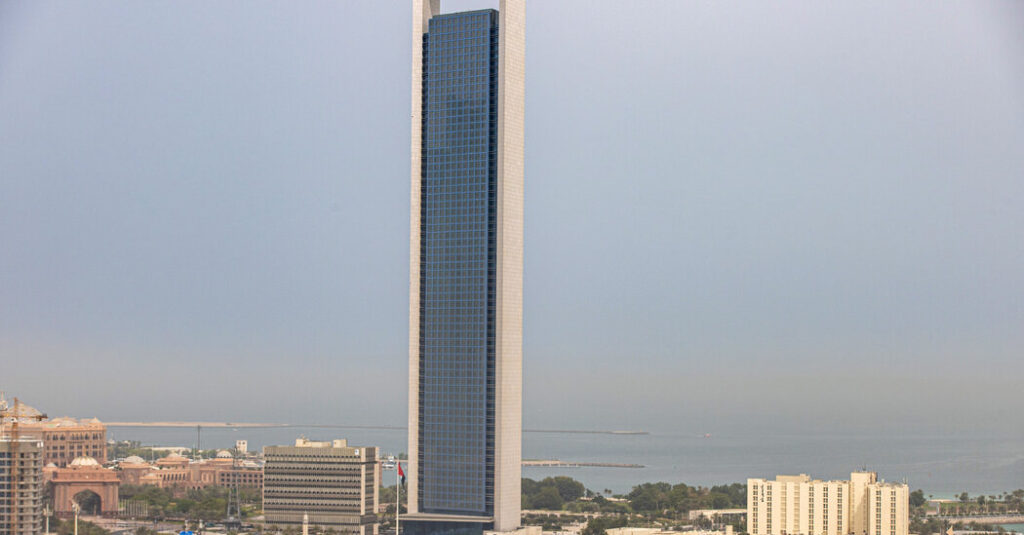
The United Arab Emirates will leave OPEC, a cartel of oil-producing countries, next month, the government said on Tuesday.
Emirati officials had long floated the idea of quitting the cartel, complaining that its quotas had curtailed its oil exports in an unfair manner.
The decision to leave was made in light of the government’s “long-term strategic and economic vision” and its plans to accelerate investment in energy production, according to a statement published by the Emirati state news agency.
The statement referred to the government’s desire to meet the demands of energy markets during a period of geopolitical strain caused by the U.S.-Israeli war with Iran, which has sent oil and gas prices soaring. It also said that the Emirati government believes global energy demand will result in “sustained growth” in the medium to long term.
“The UAE’s decision to exit from OPEC reflects a policy-driven evolution aligned with long-term market fundamentals,” the country’s energy minister, Suhail AlMazrouei, wrote on social media. “We thank OPEC and its member countries for decades of constructive cooperation.”
The statement published by state media added that, “the UAE will continue to act responsibly, bringing additional production to market in a gradual and measured manner, aligned with demand and market conditions.”
The announcement came amid festering tensions between the Emirates and Saudi Arabia — the de facto leader of the cartel.
Ismaeel Naar contributed reporting from Dubai, United Arab Emirates.
Vivian Nereim is the lead reporter for The Times covering the countries of the Arabian Peninsula. She is based in Riyadh, Saudi Arabia.
The post In Major Move, United Arab Emirates Says It Will Leave OPEC appeared first on New York Times.