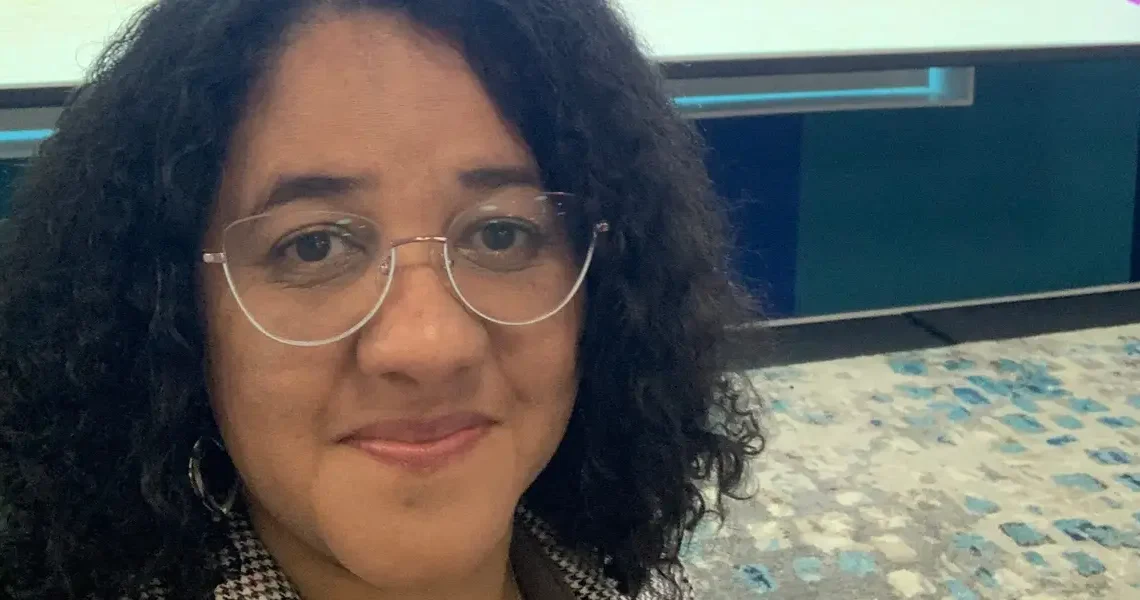
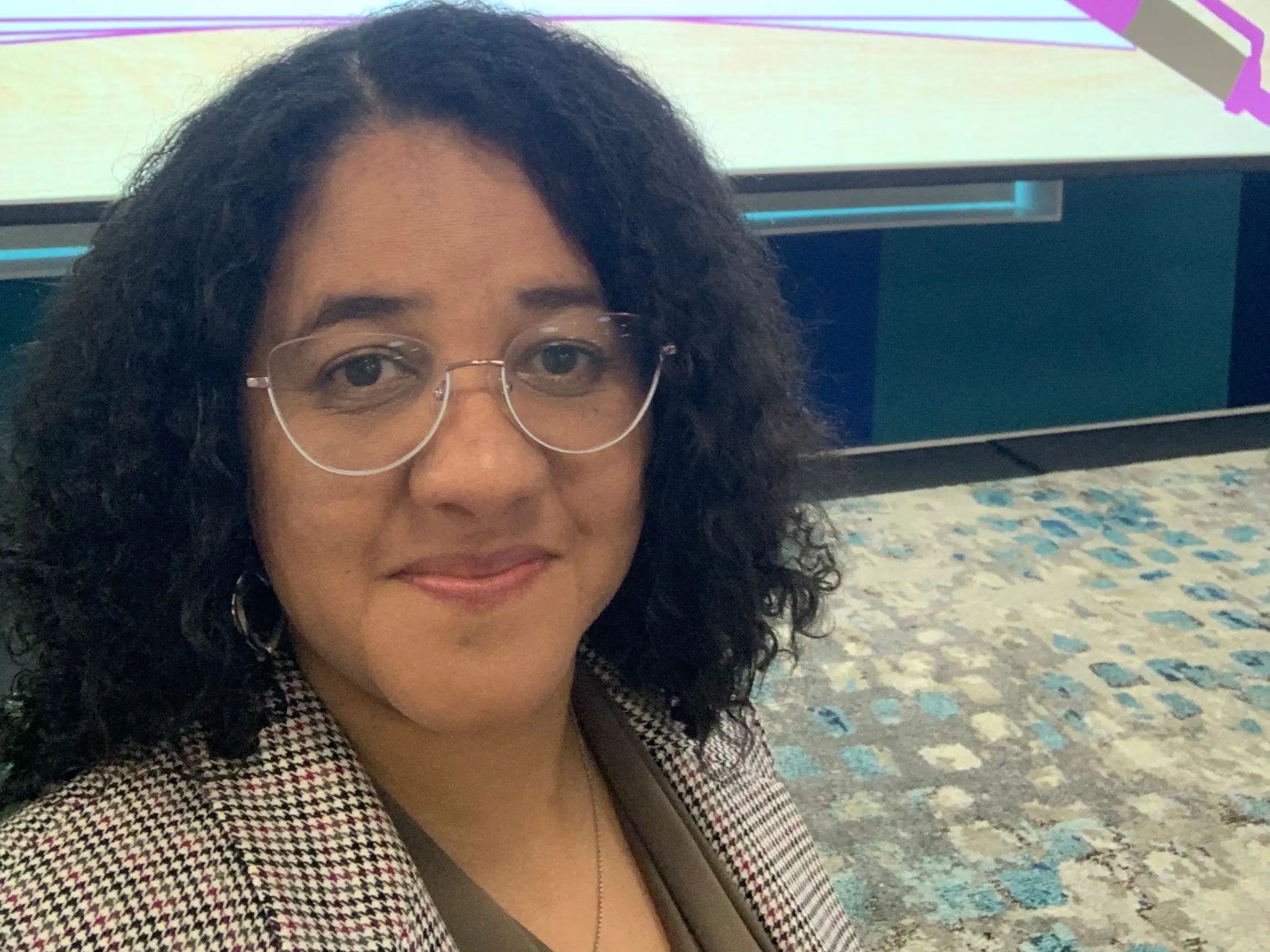
At 45, Shambi Broome didn’t believe she had colon cancer symptoms. She assumed her occasional abdominal cramps could be explained by her past two C-sections and hysterectomy.
“If I had any discomfort, I was like, ‘Oh, it’s probably scar tissue,'” Broome, now 49, told Business Insider. “If you look at the checklist for colon cancer, I wouldn’t have checked anything off of that list.”
Then, a married mother of two kids, Broome lived a busy life in Columbia, South Carolina. She ran a small web agency for over 18 years and a nonprofit that taught STEM skills at school events.
The only reason Broome decided to get a colonoscopy in 2021 was due to her insurance coverage: As of 2018, the recommended screening age for colon cancer lowered from 50 to 45. During an annual exam with her primary care physician, her doctor suggested she get one, given her age. Broome agreed.
“I had a lot of awareness of colon cancer,” she said, citing the deaths of Chadwick Boseman and Katie Couric’s husband, Jay Monahan. “So when she told me about it, I knew the benefits.”
Because of the pandemic, Broome delayed scheduling her colonoscopy. She ultimately scheduled it when she saw her PCP the following year in December 2022.
After her colonoscopy was complete, Broome’s doctor asked who would be picking her up. He wanted to wait for her husband to arrive before sharing the news. “The minute he said that, I knew something was up,” Broome said.
Broome learned that she had a tumor that was too large to remove during the colonoscopy, which can often take out smaller growths, and that she would need surgery. She cried the 30-minute drive home, worrying if it was cancer and how she would tell her kids.
A week later, before surgery, she got confirmation: At 46, she was diagnosed with colon cancer. Broome said she knew it was serious when the nurse started tearing up.
“It was almost like everything just gets quiet and still,” Broome said.
A roller coaster of treatments
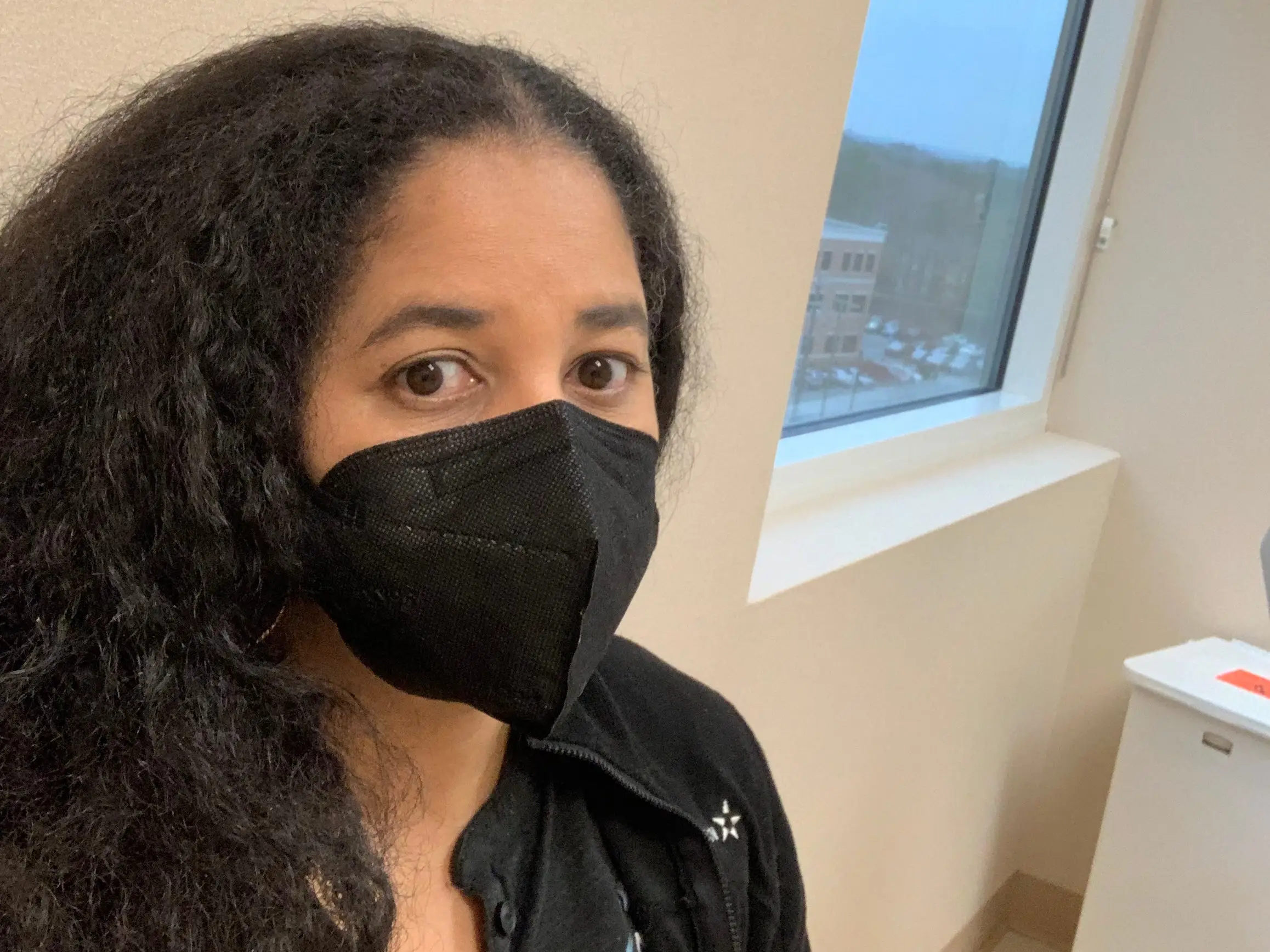
Broome learned that she had a localized tumor that had “probably been growing for 10 years,” according to her doctor.
She got COVID, delaying the surgery for almost a month, but in January 2023, the tumor was successfully removed via a sigmoid resection, a surgery to remove the cancerous portion of the lower colon. Broome said she was told the cancer was gone.
Still, a week later, when she returned to remove her surgical drain, a tube placed after surgery to remove fluid buildup, she was scheduled for an appointment with an oncologist.
It was at the oncologist’s office that she learned her cancer had spread to her lymph nodes, staging her at 3B, and that she’d need chemotherapy.
“I had left there in another state of shock,” Broome said, thinking she was done with treatment. “That was like I hit a brick wall.”
Broome learned she would need 12 rounds of chemotherapy, about a six-month process. She had no idea how it would impact her work at the agency or her future.
“When you’re not that familiar with cancer, your brain goes, ‘Well, there’s only one more stage after 3, and that’s usually not a good stage,” Broome said.
Working throughout chemo
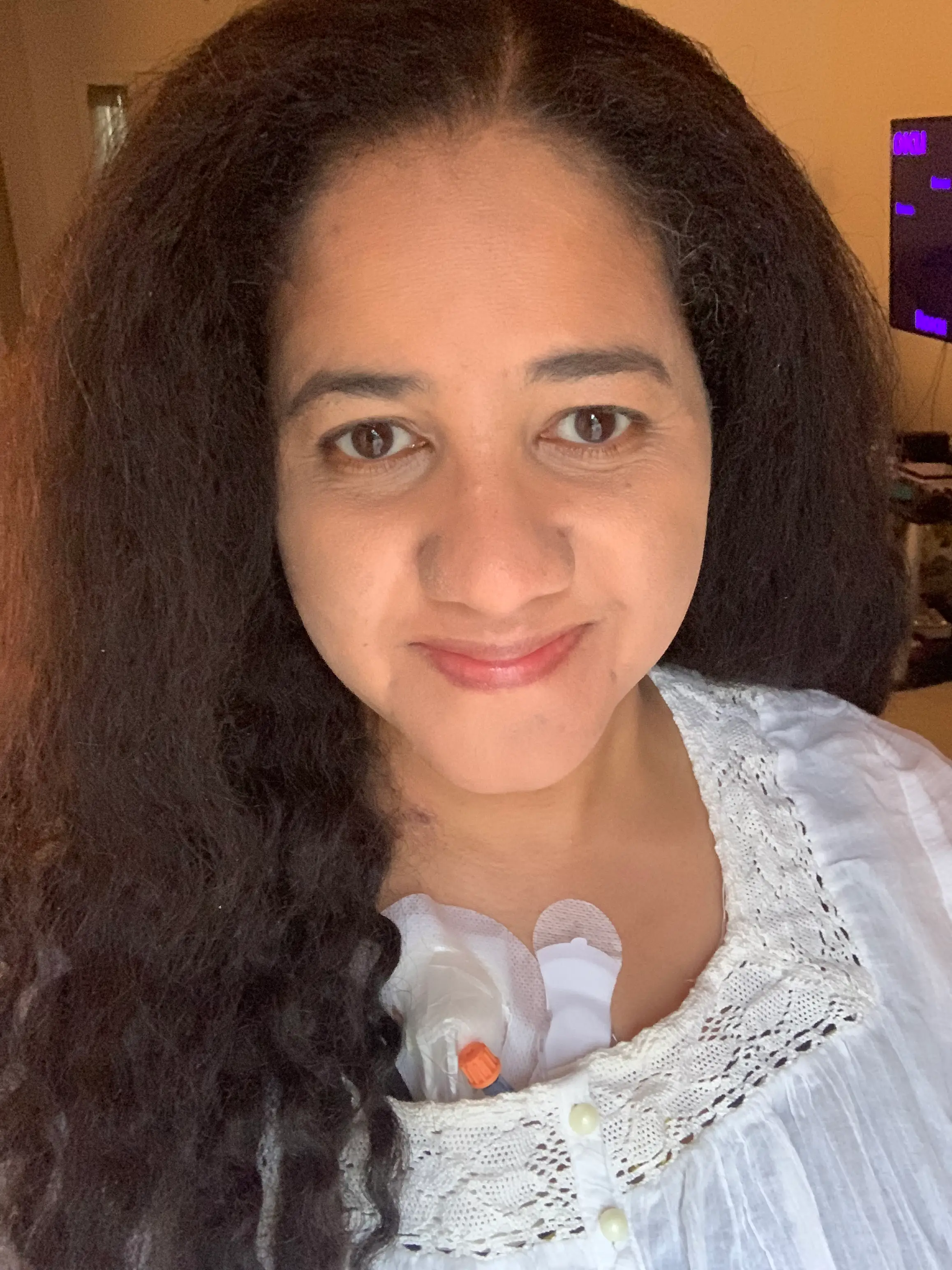
Right as Broome got diagnosed, her nonprofit had gotten a state grant, meaning she’d have to fill all the requirements as she was undergoing cancer treatment.
“I had all 2023 planned out, and cancer was not on my schedule,” she said. “It was just this constant overwhelm, overwhelm, overwhelm.”
In the two weeks before she started her chemo treatments in February 2023, Broome booked a short local beach trip with her family to process her new reality.
“When I see the waves, I think of God’s power,” she said. “It’s this reminder for me to just center myself because the minute you’re diagnosed with cancer, it’s almost like you lose all control because your body’s controlling everything now.”
Broome quickly found her rhythm at work. For the first two months of chemo, she learned she had “20 good days” a month in total, minus the few days right after each treatment when she would feel sick.
“I knew that for the rest of that week I would be no good for much of anything,” she said. During those days, she would stay home and try to answer emails or handle administrative tasks.
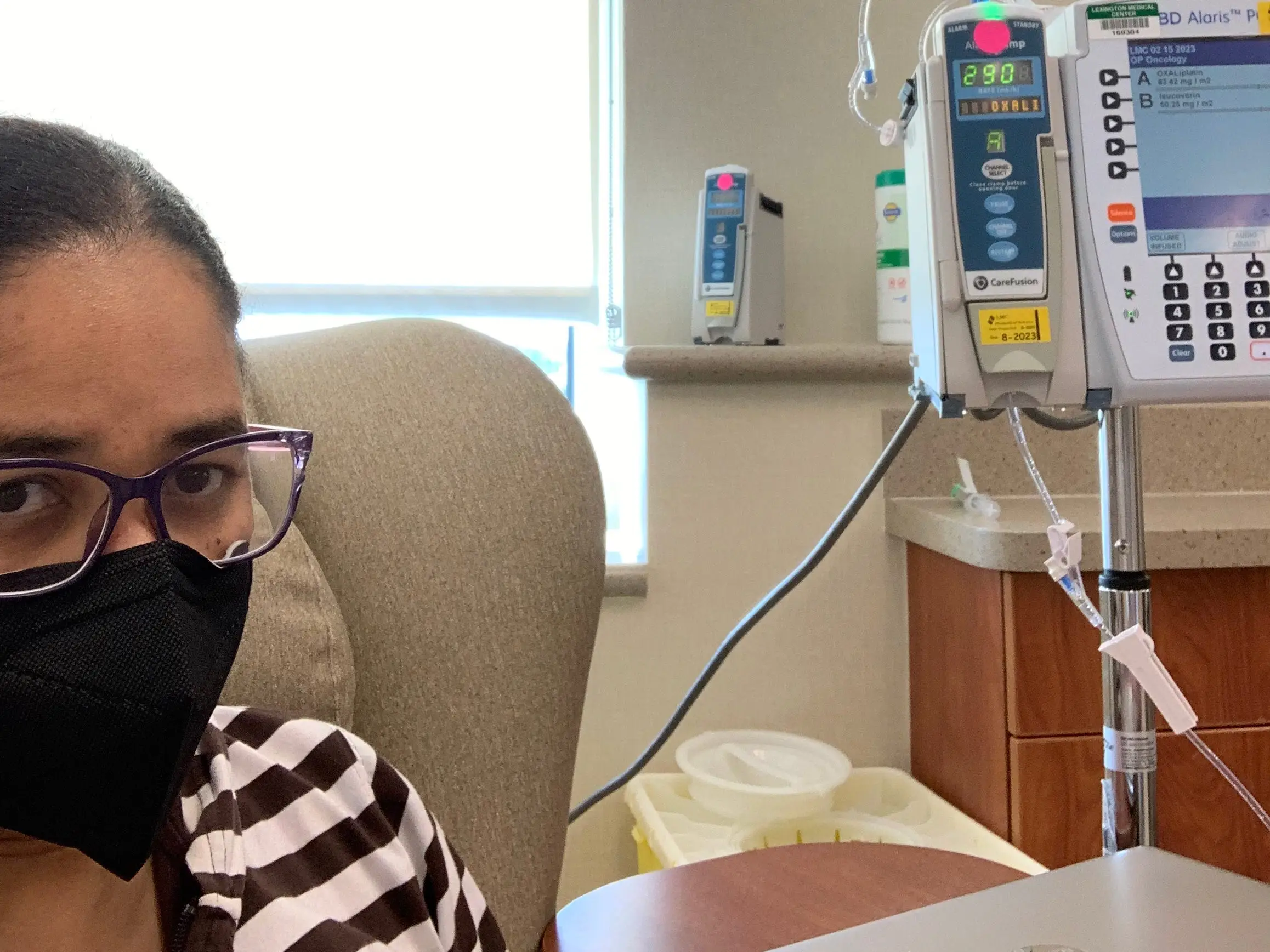
It was still difficult. For the nonprofit, she couldn’t launch her planned programs on time because she missed her window for hiring new staff. She also started losing clients at her web agency.
“When you’re the owner, you’re still the person who has to start the engine to get the car rolling,” she said. “When you get sick, it’s harder to handle things.”
Then, halfway through treatment, Broome got COVID again. This time, it seemed to trigger intense side effects during her treatments. Her mild neuropathy — numbness and tingling caused by nerve damage — spread from her toes to her feet, hands, and fingertips. She also lost all her hair, a common side effect of chemo.
“I could barely walk. I could barely speak and felt like half my brain was gone,” she said, with the worst side effects lasting about a month.
During this time, she relied on her family to help with chores, and said her community stepped in to support her, sending everything, including care packages with socks and tea. In fact, one friend left a Chipotle catering set of 20 meals at Broome’s doorstep.
Broome also leaned on friends or acquaintances who’d also gone through cancer. “They gave me some of the best advice and tips,” she said.
‘After-cancer Shambi’
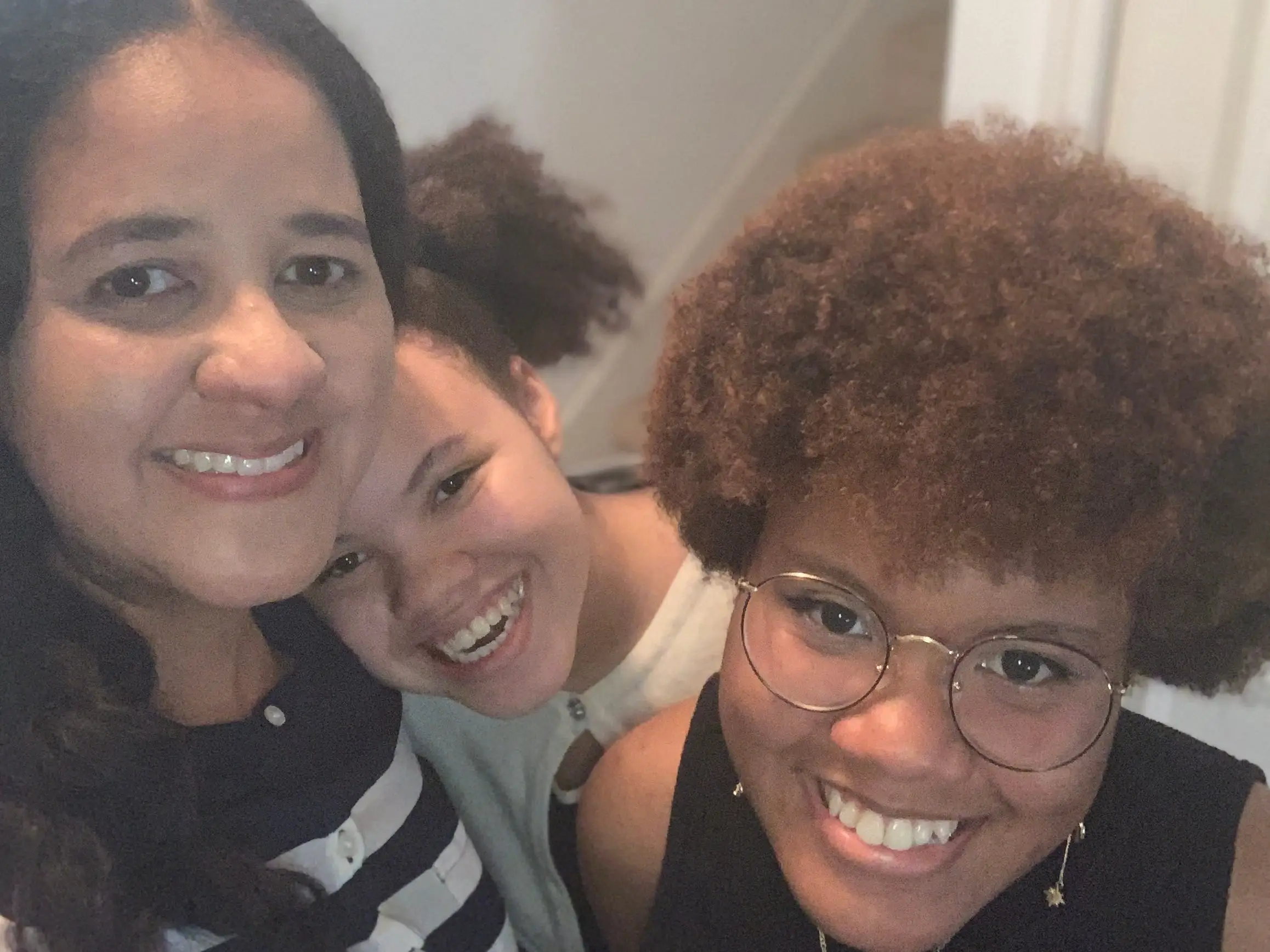
Broome finished her last chemo treatment almost three years ago and is currently cancer-free. She still gets CT scans and blood tests every six months, a standard protocol after finishing cancer treatment.
Broome said her life changed in two major ways since having cancer. One is her family dynamic: she is now separated from her husband.
“I would say that cancer treatment turned cracks in our marriage into fissures,” she said. (According to a 2015 study, wives’ illness onset was linked to a higher risk of divorce. It didn’t have the same finding for husbands.) The separation took its toll.
“I’m now a single parent after we were married for almost 29 years,” Broome said. “That’s been a huge adjustment.”
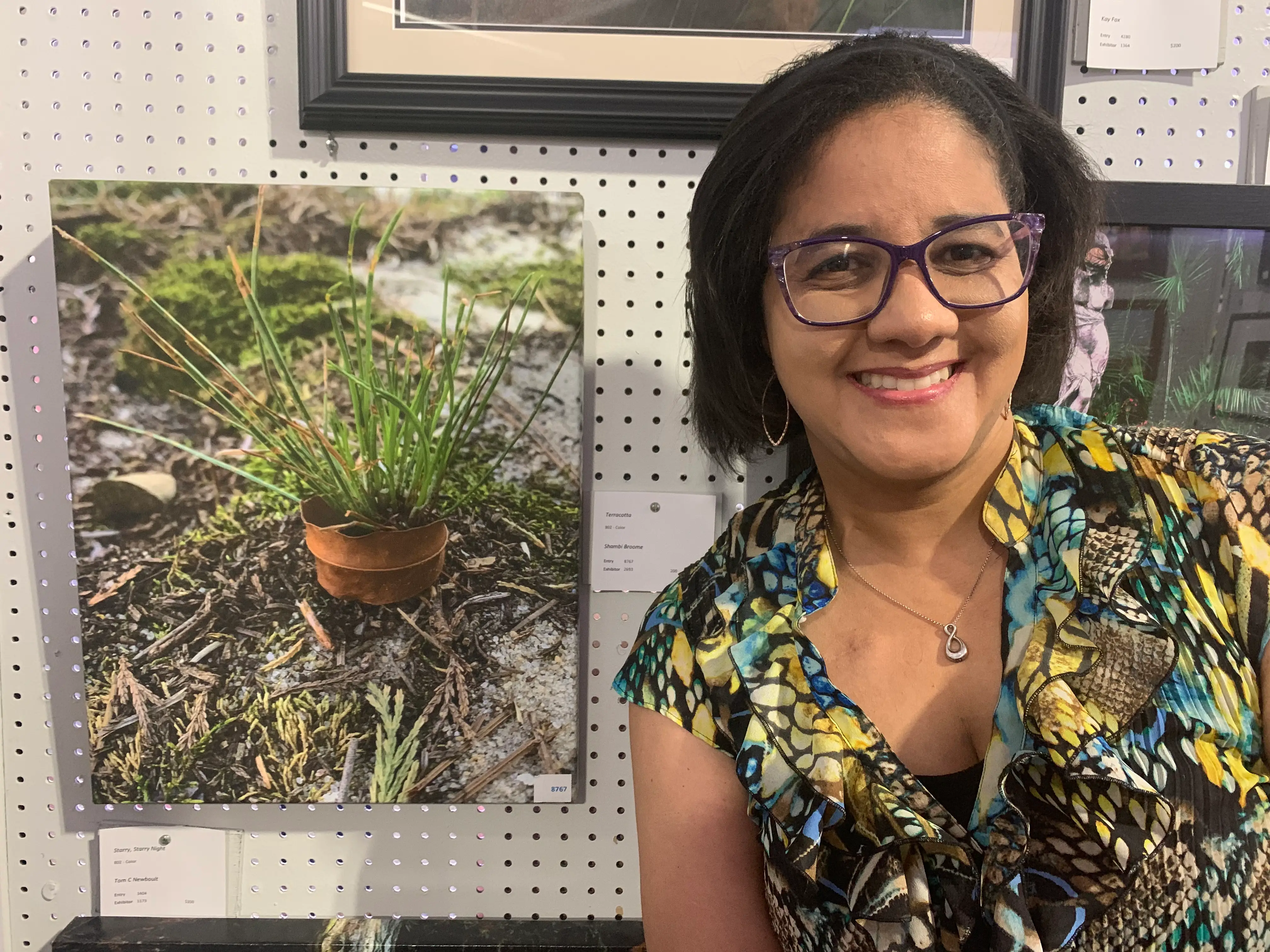
Her neuropathy symptoms still haven’t subsided, despite being done with chemo for almost three years. Broome said her doctor warned that symptoms like migraines and numbness, which in her case extended up to her mid-thigh, could be permanent.
“From the neurologist’s standpoint, it’s kind of just an unknown,” she said.
Broome’s experience made her realize how much having cancer irrevocably changes a person, even if treatment is successful. “You’re going to be a different person,” she said. “I always tell people: There’s a before-cancer Shambi and an after-cancer Shambi because everything changes.
Her experience also made her an outspoken advocate about her cancer experience, which she called “this huge disappointment.” She also started therapy and continues to attend a virtual support group.
“With all the health problems I have, there are two things I can still do,” she said. “I can talk, and I can teach.”
Read the original article on Business Insider
The post After turning 45, a woman with mild cramps was diagnosed with stage 3 colon cancer during a routine colonoscopy appeared first on Business Insider.