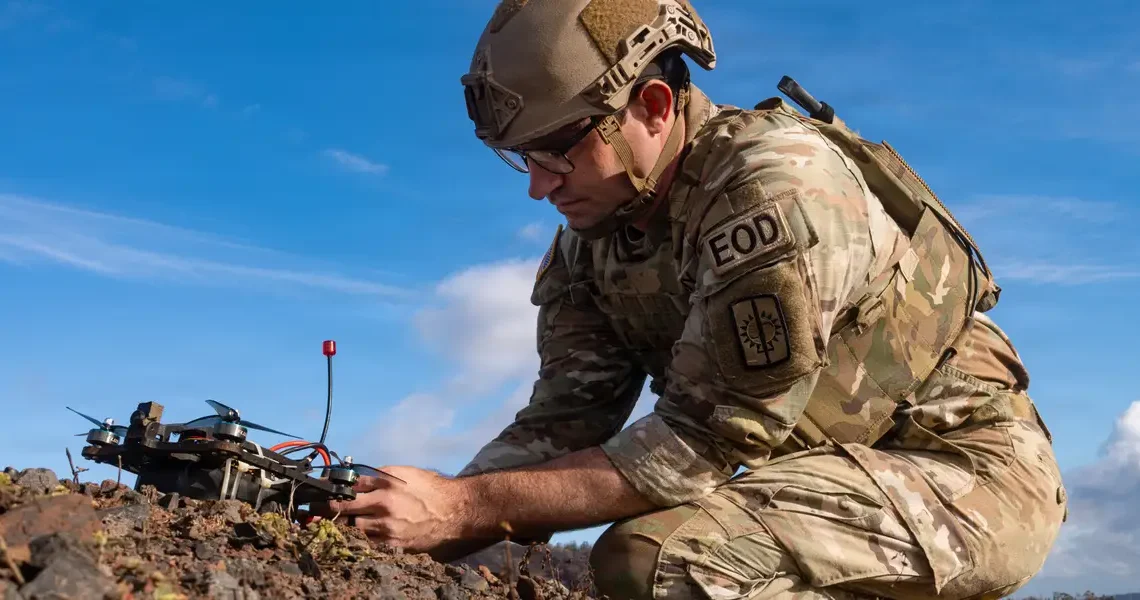
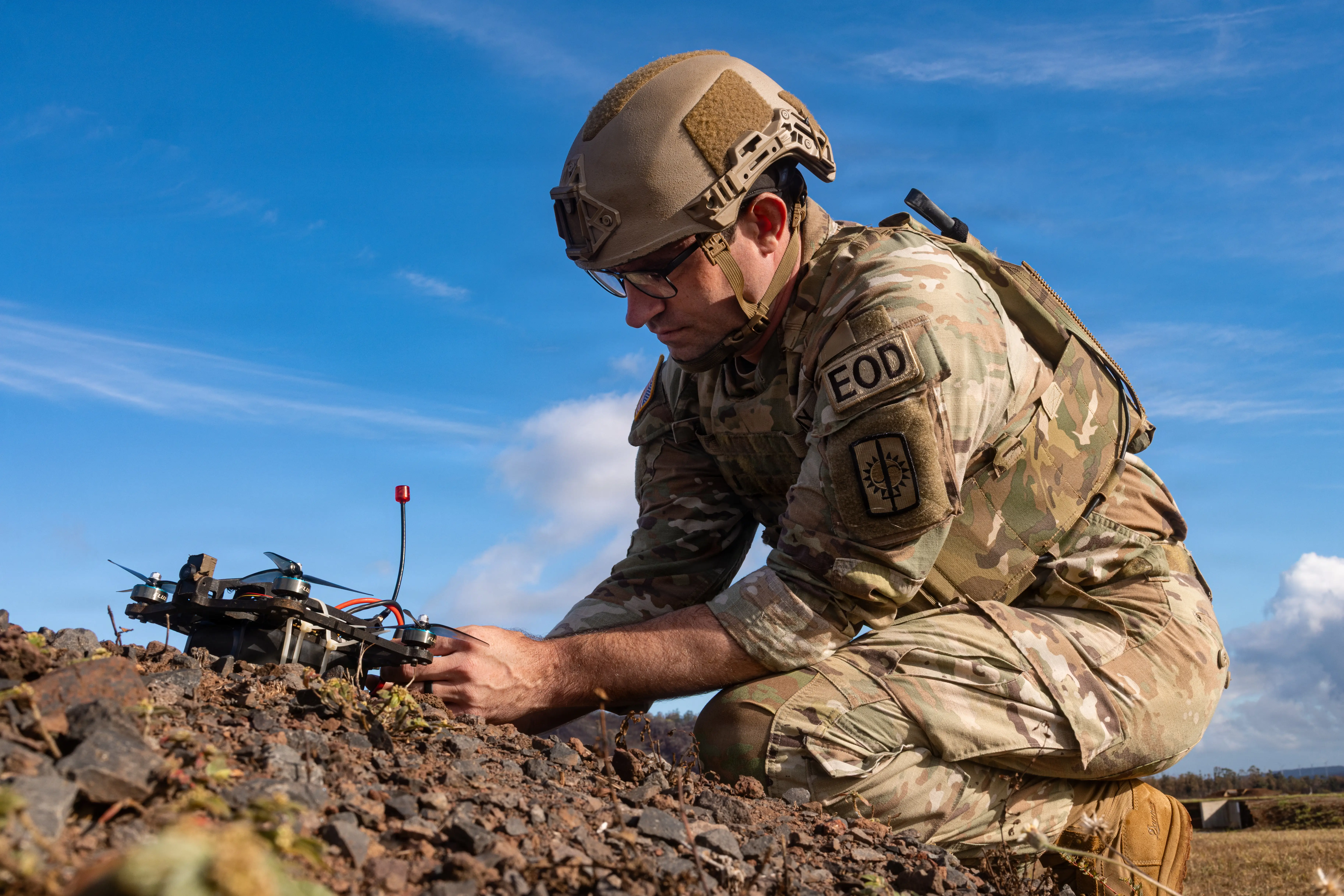
US forces need to invest in the building of a larger arsenal of cheap, precision-kill weapons or risk losing a future war, America’s top commander in the Indo-Pacific region said.
Low-cost systems like cheap drones and inexpensive missile designs have had a fundamental impact on conflicts like Russia’s ongoing war in Ukraine and the US war against Iran.
US military leaders argue that fielding large numbers of lower-cost weapons for missions where high-end systems aren’t necessary — like shooting down one-way attack drones — can ease the cost trade-offs, especially against adversaries with deep arsenals like China.
The rise of these systems, “the commoditization of cheap, distributed, precision kill [weapons],” is something seen every day in Ukraine, Adm. Samuel Paparo, head of US Indo-Pacific Command, told the US House Armed Services Committee on Wednesday. “This is a technology that we embrace, or we lose.”
Paparo said that these weapons are particularly critical in denying or defending areas, such as preventing an adversary from controlling certain maritime or air spaces. Anti-access and area-denial strategies rely on a mix of weaponry that’s spread out and layered.
China’s broad A2/AD strategy, for example, relies on a vast network of missile defenses, electronic warfare systems, drones, and naval capabilities that would challenge the US and its allies from operating freely in and around the First Island Chain.
During the hearing, Paparo pointed to the US-made Merops interceptor drone system as a low-cost defensive solution — proven in Ukraine, the US has purchased thousands of thse for war in the Middle East.
For offensive action, the admiral noted that war with Iran had demonstrated the success of the new Low-Cost Unmanned Combat Attack System, or LUCAS drone, an American-made one-way attack weapon based on the Iranian-designed Shahed.
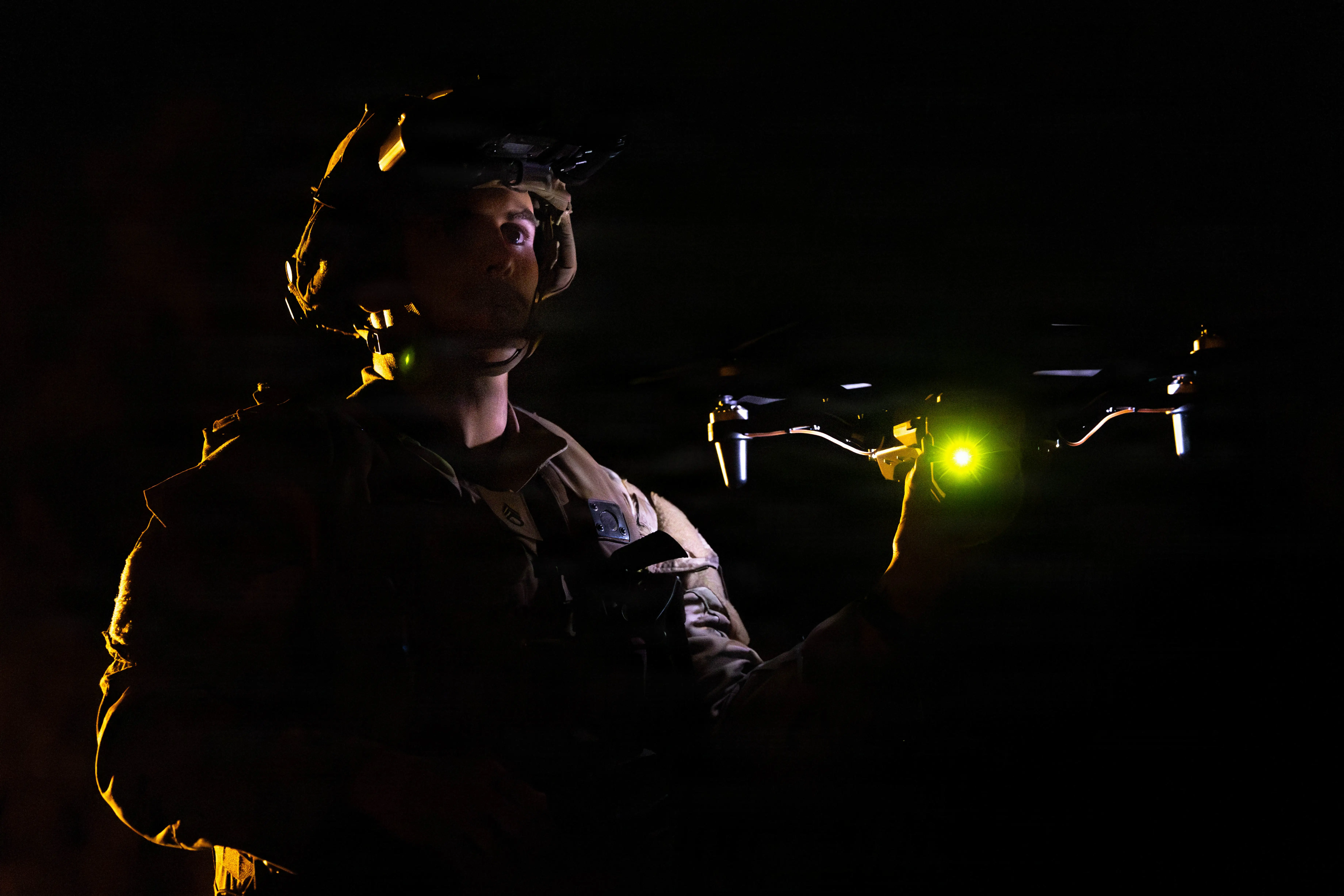
The US deployed LUCAS in combat for the first time in the early days of the Iran war, following US Central Command’s creation in December of a new task force built around the military’s first LUCAS one-way attack drone squadron.
In its fiscal year 2027 budget, the White House is requesting over $74 billion for drones and counter-drone solutions. That figure is triple what the US spent on these areas in 2026 and the largest investment in these capabilities to date.
Paparo said that the substantial request was “historic” and added that the Indo-Pacific was the “first theater where we must have the concepts in order to do it,” referring to deploying low-cost drones and weapons.
Paparo made waves in June 2024 when he said he wanted to turn “the Taiwan Strait into an unmanned hellscape” and employ a strategy inspired by Ukraine that would flood the battlespace with drones and other uncrewed systems, the aim being to blunt a Chinese assault and buy time for reinforcements to arrive.
Since those comments, the US and Taiwan have continued investing in asymmetric capabilities that are cheap, easy to use, and distributed. Earlier this year, they launched a joint effort to prepare Taiwanese forces for just that kind of fight, with a focus on uncrewed systems and autonomy.
At Tuesday’s hearing, Paparo added that the US was also investing in low-cost hypersonic missiles and low-cost cruise missiles because these systems added more options to the US arsenal. “While we need exquisite to take down exquisite things, we need cheap to take out less exquisite things,” he said.
Department of Defense leaders and officials have increasingly spotlighted the need for cost-effective munitions so that troops aren’t firing multimillion-dollar weapons to take out drones that cost a fraction of that.
LUCAS drones, for example, cost around $35,000 per unit, far less than a cruise or ballistic missile, while the Merops interceptor drones cost just $15,000 compared to the $20,000 to $50,000 Shaheds these weapons were designed to defeat.
Recent conflicts have demonstrated the cost and stockpile concerns associated with expending expensive, exquisite systems against cheaper targets. The US conflict against the Houthis drained the US Navy of critical munitions, while American forces have burned through weapons like Tomahawk cruise missiles in its ongoing war against Iran.
Read the original article on Business Insider
The post The US risks losing a future war without cheap precision-kill weapons, top Pacific admiral warns appeared first on Business Insider.