This as-told-to essay is based on a conversation with Thomas Derksen, a German entrepreneur who has lived in China for over a decade. The conversation has been edited for length and clarity.
I have been living in China since 2016 and own a market intelligence business.
There’s so much happening in China, and I’m always interested in how things are different in the West and in Asia.
As soon as I saw the news about thousands of people lining up outside Tencent headquarters, I thought it was super interesting. There were so many old people and retirees who showed up.
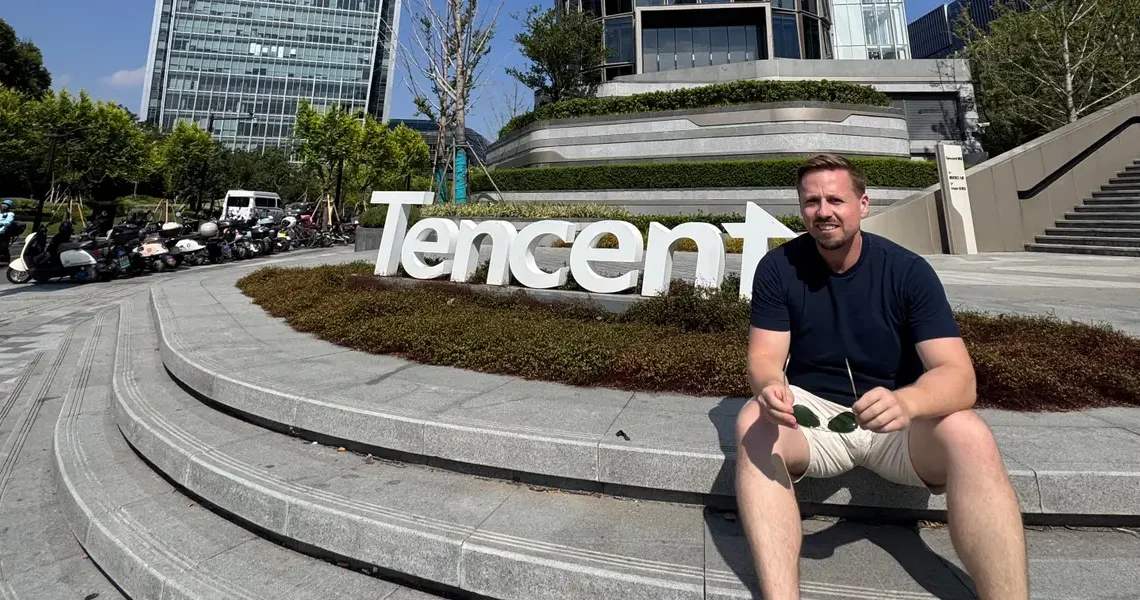
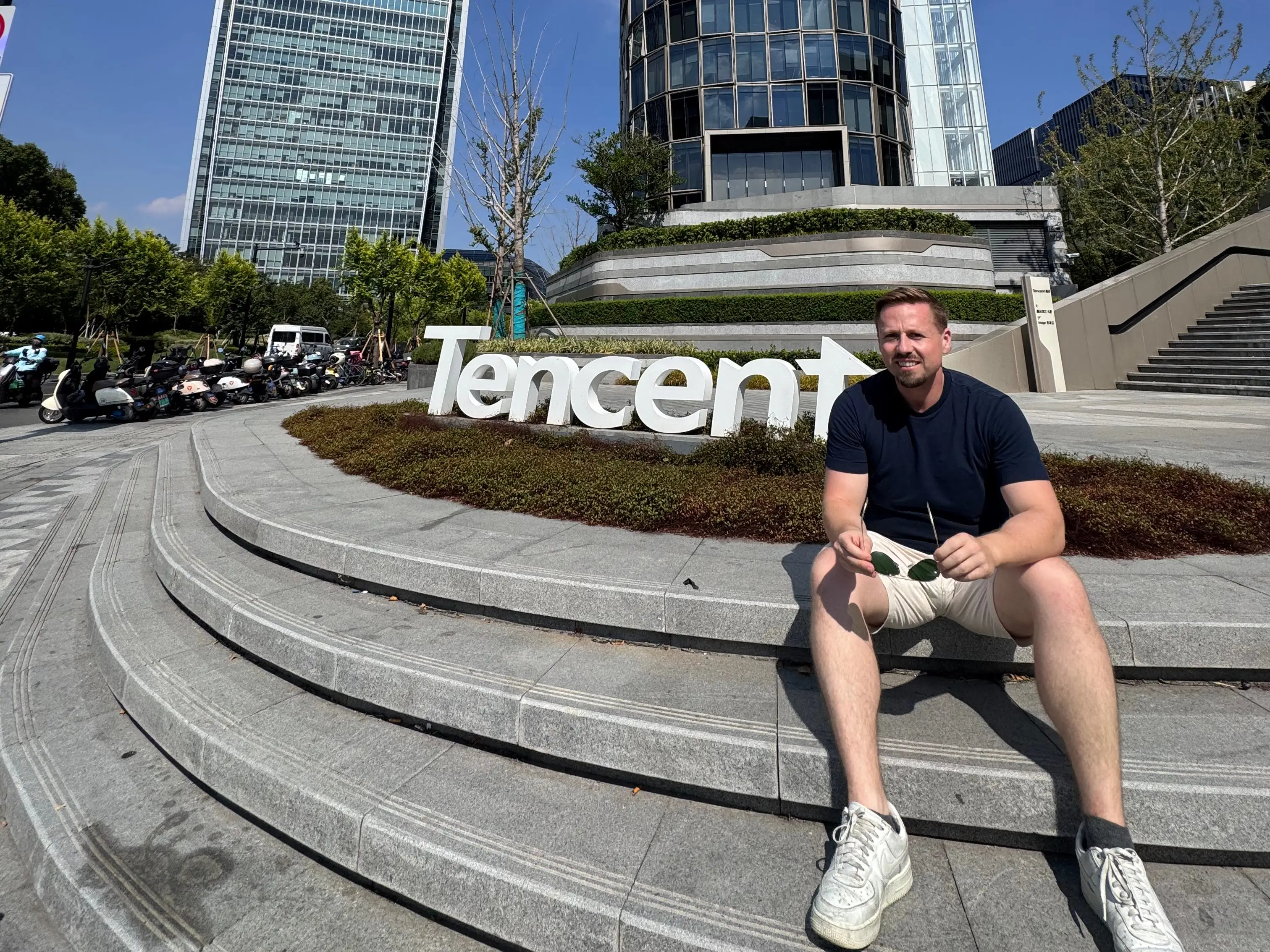
I brought some friends, and we went to Tencent’s headquarters in Shenzhen to install QC Claw. That’s their version of OpenClaw, which lives inside the WeChat ecosystem.
I wanted to go because I think this is history. This is the beginning of AI for everyone, not just for computer nerds.
The OpenClaw craze in China
The hype is real. On Xiaohongshu and Xianyu, people started offering paid OpenClaw installation services, charging anywhere from 50 to 700 yuan per setup, or about $7 to $101. That tells you something: Demand was so high that a microeconomy popped up to help people get started.
In the end, it’s just a tool. If you offer it to someone without a real use case or business idea, maybe they will use it once and won’t use it again.
There are people in China finding real use cases for it. For example, I read a story about someone who runs a lobster shop. She uses OpenClaw to scan her online reviews and figure out what young people want to eat, and adjust her menu based on that. This is amazing. It’s actually making a change — and not just a toy.
We also see the Chinese government supporting OpenClaw because it thinks it’s good for young people to build their own businesses, particularly one-person businesses.
This is a new trend. It’s not about building a team of 100 people. It’s one or two people with 100 AI agents.
People in China are more optimistic and curious about technology
In Germany, it’s more stable, so people feel their lives are OK as they are.
People in China are more curious, and they have a strong business mindset. They always think about finding ways to make money.
In Asia, I see a drive to build a better life for the next generation. Some people don’t think normal jobs will give them a good future, so they try OpenClaw to build something.
There is general openness to technology and innovation. I hope people can see what is happening in Asia, understand it, and learn from it — asking why it is working so well and what can be learned.
Another thing is optimism. People in Asia believe the future can be better if they work hard and learn new things.
When you go to Shenzhen, it’s not just Chinese people working there. It’s also foreigners. They all come to China because they know there is a strong ecosystem — financing, supply chain, logistics.
China is a great place to build your own startup, especially in innovation, technology, hardware, and robotics. Everyone is passionate and hardworking. There is a sense that the country has real industries where it leads. People can point to concrete sectors and say, “We are strong here.”
In Germany, that confidence has eroded. The auto industry, which has been Germany’s backbone for decades, is losing ground. Defense spending is a constant source of frustration. Startups have a harder time because taxes are high and there is no strong subsidy culture for new tech.
When your biggest industry is under pressure, and you do not see what replaces it, pessimism sets in.
The difference in how people react to something like OpenClaw reflects that. In China, a crayfish shop owner sees a tool and thinks: Maybe I can use this to grow my business. In Germany, the first reaction would more likely be: Will this take my job?
Do you have a story to share about tech in Asia? Contact this reporter at [email protected].
Read the original article on Business Insider
The post I’ve lived in China for over 10 years and saw the OpenClaw craze unfold. The West needs to keep up. appeared first on Business Insider.