Among the four points the leaders of China, Russia and the United States agreed to on Thursday was a promise to work together to increase the production and supply of “refined petroleum products for the benefit of all nations.”
Their resolve is striking for a few reasons.
The wars led by two of them — Russia and the United States — have caused global oil prices to spike, creating a lot of economic pain for oil-importing nations. That has in turn accelerated their transition away from imported fossil fuel energy sources.
Electric vehicle sales have increased in many major markets, except the United States. And the International Energy Agency recently projected in an annual report that the world would add renewable energy capacity, led by solar, far faster over the next five years than it had in recent years because of what it called “unprecedented disruptions to global energy markets since the outbreak of the Iran war.”
“Renewables, already expanding at a record pace before the current energy crisis, are set to see strong growth across a wider range of countries around the world in the coming years as governments seek to strengthen energy security and reduce their exposure to imported fuels and volatile prices,” the agency said.
On Thursday, in its Energy Outlook Report, the agency went further, concluding that the war against Iran had permanently altered the appetite in many countries for imported oil, especially for oil shipped through the Strait of Hormuz, one of the world’s most important energy corridors.
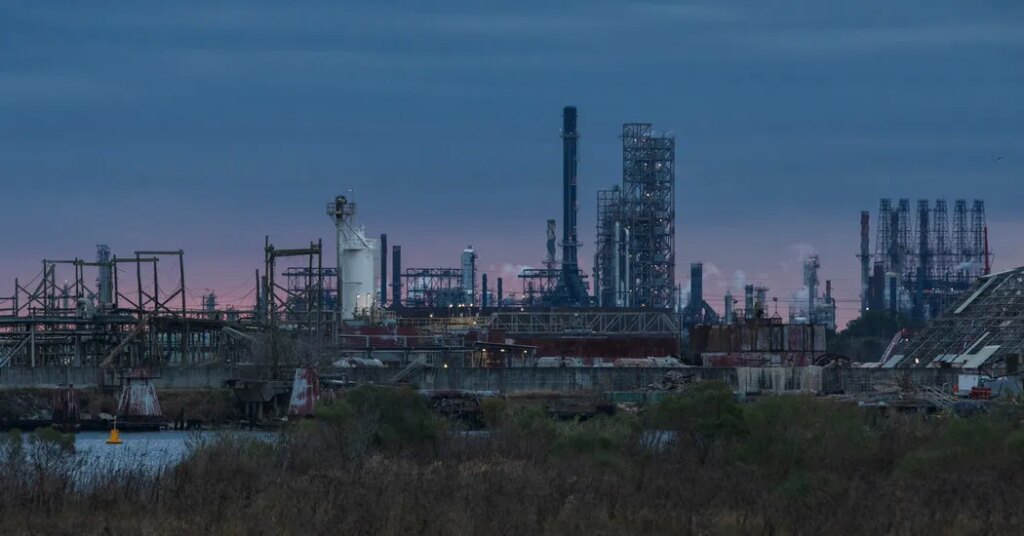
How would the United States, Russia and China would increase the production and supply of refined petroleum products? That remains unclear. All three nations are refining powerhouses. But Russia’s refineries have been damaged in recent months by Ukrainian attacks. A significant amount of Russian crude oil is now being imported and refined in other countries, including China and India.
These three big countries have different agendas for how the world will be powered in the coming years. Russia and the United States are among the world’s biggest oil producers. They want fossil fuels to remain the main energy source of the global economy. China is leading the world to a very different energy future, one that relies on solar, wind, batteries and battery-powered vehicles for energy — all of which China dominates.
It is also striking that Thursday’s joint statement comes during global climate talks, where most countries (except the United States) have been discussing how to slow down global climate change, which is mainly driven by the burning of oil, gas and coal.
The post Major Powers Vow to Increase Oil Supply Amid Global Energy Transition appeared first on New York Times.