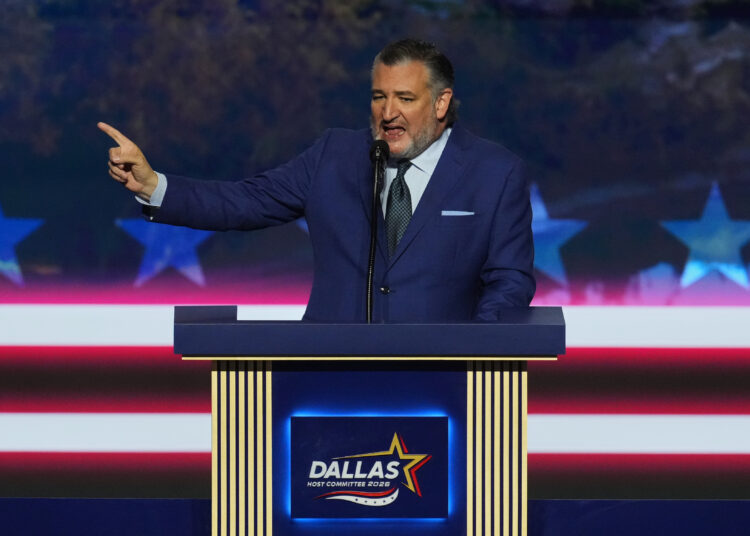
On Oct. 8, President Donald Trump posted on Truth Social that “we will not be attacking Iran at any time prior to the midterm elections to be held in the United States on November 3rd.” On Nov. 2, the day before Americans voted, U.S. forces struck Iran’s Qeshm Island.
U.S. officials told CNN the Qeshm attack was a defensive response to Iranian forces using surface-to-air missiles against U.S. assets. In a Fox News interview that aired that night, Trump suggested there had been no recent fighting.
The Qeshm attack was not an isolated event. Officials told ABC News that limited “defensive strikes” had been carried out in recent weeks and not publicized to avoid signaling a return to major combat operations.
The strikes are small next to earlier phases of the war. But they come at a fragile moment for energy markets, which had just priced in hopes of a diplomatic exit, and as the U.S. heads into heating season.
Gilbert Metcalf, a visiting professor at the MIT Sloan School of Management and a former deputy assistant secretary for environment and energy at the U.S. Treasury Department, says the strikes raise the odds of the outcome markets fear most.
“The risk to global oil markets and, by extension, the global economy as we head into winter is the potential for Iranian strikes against shipping in the Strait of Hormuz or against oil and gas infrastructure in the region,” Metcalf tells Fortune. “Continued strikes against Iran, albeit so-called ‘defensive strikes,’ only increase the likelihood of their undertaking those attacks.”
Even restraint from Tehran may not help much. “Even if the Iranians hold back, any increased military activity in the region heightens the risk of retaliation, which adversely affects markets,” he says. “Oil prices will remain persistently high in the face of these risks, and this is particularly concerning as we move into winter and the need for oil and gas for home heating.”
What the war has cost so far
U.S. and Israeli strikes on Iran that began Feb. 28 set off a regional war, according to the Congressional Research Service. Iran has retaliated against targets across the Middle East, including a pumping station on Saudi Arabia’s East-West oil pipeline, and has used attacks on commercial shipping to assert control over the Strait of Hormuz.
The two sides agreed to a ceasefire in April and signed a memorandum of understanding on June 17. The agreement collapsed within weeks amid renewed fighting and formally expired in August. By September, the CRS described the conflict as a war of attrition.
The price tag keeps rising. The U.S. military has spent more than $47 billion on the war, Reuters reported on Oct. 27, citing Pentagon data. That is up from the $37.5 billion Defense Secretary Pete Hegseth estimated in July, and more than $29 billion of it goes to replacing expended munitions.
Households are paying, too. Mark Zandi, chief economist at Moody’s Analytics, estimates the war has cost the average U.S. household nearly $2,000, CNN reported. About $1,100 of that comes from higher energy and transportation costs, with higher interest rates and a share of military spending making up the rest.
“Nationwide, that adds up to $265 billion,” Zandi wrote on X on Oct. 12.
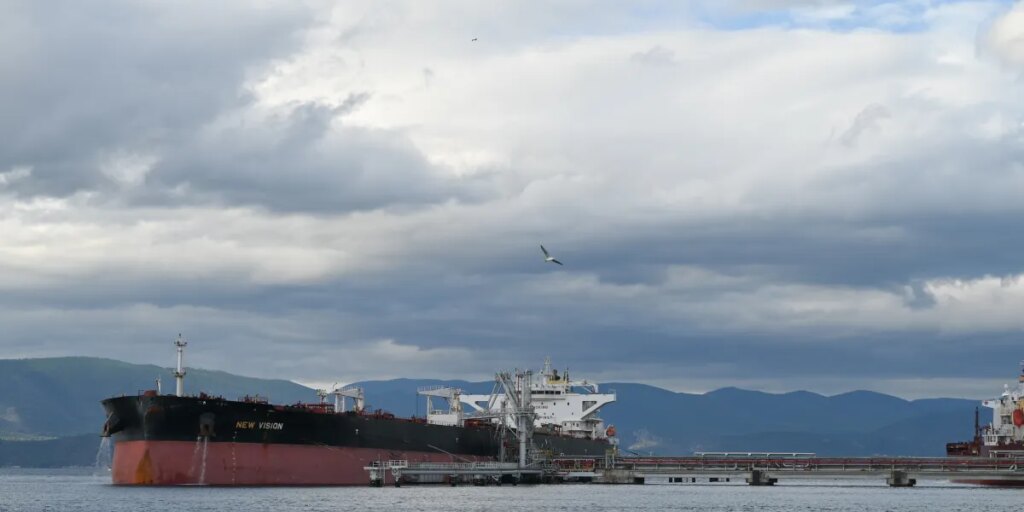
Much of the pain runs through the Strait of Hormuz, which carried about 20 million barrels of oil a day before the war. Qeshm Island, about 14 miles from the Iranian port of Bandar Abbas, is central to Iran’s ability to control traffic through it, and Iran has stepped up attacks on commercial ships transiting the strait in recent weeks, according to ABC News.
There is no easy workaround. Metcalf told Fortune last month that even Saudi Arabia’s plan to send 10 million barrels of oil a day around Hormuz may barely move prices.
The midterm relief rally may not hold
Energy costs hung over the campaign. Democrats won control of both the House and the Senate on Nov. 3, and Vice President JD Vance put it bluntly: “The reason we lost is the war.”
Oil reacted quickly. Brent crude fell more than 9% on Nov. 4 as traders bet the results would push the White House toward a deal, CNBC reported, and Trump said he had no immediate plans to strike Iran.
Iran has long been expected to wait out the vote. In September, Fortune’s Jordan Blum reported that Tehran was unlikely to let the war end until after the midterms. Mediators were awaiting U.S. and Iranian responses to their latest proposal as of Nov. 2, CNN reported.
Metcalf isn’t convinced the relief will last. “The blue wave sparked hopes that the Iran war might be resolved diplomatically and, not surprisingly, oil prices fell sharply,” he says. “That optimism may be short-sighted if Trump decides that, with the election behind him, he can increase military pressure on Iran.”
The post The Iran war has cost U.S. households nearly $2,000 each. New strikes could keep the bill climbing appeared first on Fortune.