Chris Miller, the author of “Chip War,” is a professor at Tufts University and a fellow at the American Enterprise Institute.
Why are Americans so unhappy with the economy? The artificial intelligence build-out is causing a boom in construction. Stock prices are near record highs, led by tech firms. Yet, thanks to AI, the United States is experiencing a version of what economists call “Dutch disease.”
In the 1960s, the Netherlands experienced a natural gas production boom. Gross domestic product grew rapidly, along with wages in the gas sector. But the success of natural gas pulled resources away from other industries, which became less competitive. The value of the country’s currency soared, reducing other sectors’ exports. Measured by GDP growth, the Dutch economy was strong — but it didn’t feel that way for many.
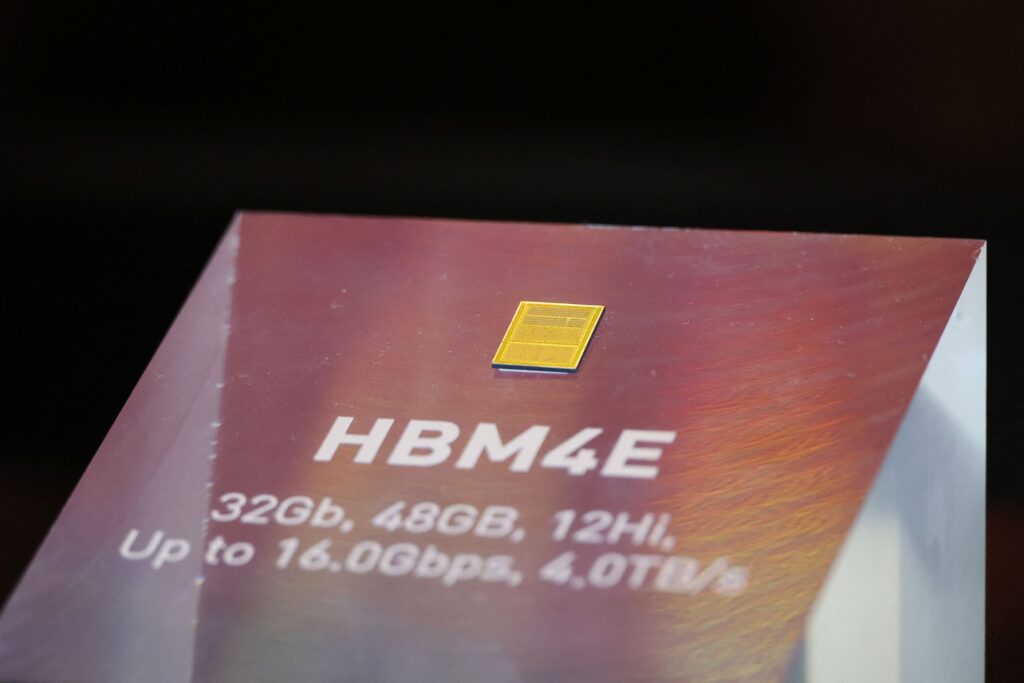
Today in the U.S., AI is sucking resources into tech and data center construction, which is increasing costs for other industries. The impact isn’t primarily in the currency, but in rising prices. Memory chips are one big culprit. They’re used in AI data centers, but also in nearly every electronic device, from phones to video game consoles. When Apple hiked iPhone prices last month, the company cited the surging price of memory chips, which cost multiple times what they did a year ago. As AI firms buy more memory, supply drops for other uses, including consumer products. It’s no surprise that, as demand spiked, chip prices rose.
This is how economic progress always works. The rise of the auto industry made life tougher for bicycle and horseshoe factories that had to compete for the same materials and workers. When Henry Ford started paying a wage of $5 a day, other bosses grumbled that he was driving up labor costs. Now, resources are moving from other sectors toward AI infrastructure. Expensive memory chips are a reminder that these shifts are not usually smooth or painless.
This lens may explain why Americans have soured so rapidly on data centers and artificial intelligence. More than 70 percent of respondents said in a Gallup poll they oppose data center construction near their homes, despite few people actually living close to one. Polls have also shown that AI is increasingly unpopular.
One explanation is that people dislike what they don’t understand. Another is that they fear the devastating cyberattacks and nightmares of human extinction hyped by Silicon Valley’s doomers. Yet there may be a more prosaic explanation: Most Americans are paying more for products without feeling much direct benefit from AI.
Higher prices will, of course, encourage additional production of scarce components such as memory chips. Yet this won’t happen immediately. Three companies dominate memory production — Micron, a U.S. firm, plus SK Hynix and Samsung from South Korea. These companies undertake some of the most complex manufacturing in some of the world’s most expensive factories. New plants are already under construction in the U.S. and in multiple Asian countries. However, between now and when new capacity comes online, American companies and consumers will face cost increases.
Economic transitions like the emergence of AI are often accompanied by complaints about unfairness, as rising sectors acquire more resources and lagging sectors struggle. As America’s urban economy expanded over the past century, disgruntled farmers successfully demanded vast farm subsidies that are still being paid today. Subsidizing sectors that lag behind saddles the government with an expensive obligation and slows the reallocation of resources toward where their impact is highest.
Some in Silicon Valley think the U.S. should respond to AI-related economic dislocation with a new round of handouts for disrupted sectors. California’s tech bros imagine an economy in which they drive progress and the rest of humanity draws a universal basic income — like farm subsidies on steroids.
A better strategy is to address distortions by increasing the supply of inputs in shortage. This includes categories of workers the economy needs more of, such as electricians. It also requires making more components like memory chips.
Chip plants domestically take roughly 20 percent longer to build than comparable facilities in Asia. One reason is that labor rules have caused delays to the construction of some chip plants, which reportedly contributed to at least one project falling apart under the Biden administration. Micron faced permitting difficulties in New York because of two different endangered species of bat. You could blame AI for chip shortages — or you could blame permitting. The U.S. would have fewer shortages and lower prices if it was easier to build.
That’s a lesson from the Dutch experience, too. Rather than keeping its economy flexible and using gas riches to invest, the Dutch government ramped up intervention in its economy. Social spending more than doubled as a share of GDP during the gas boom, structured in ways that discouraged workers from finding new jobs in growing sectors. As Washington responds to AI-driven dissatisfaction, it should not address America’s economic problems by slowing progress but by enhancing the market’s ability to respond.
The post The AI build-out has given America ‘Dutch disease’ appeared first on Washington Post.