I love living in Washington, DC, but navigating the complex public and charter school admissions system is tough.
Students have the right to attend their neighborhood school, and many do. However, every year thousands of parents choose to apply to public schools in different neighborhoods or publicly funded charter or magnet schools throughout the city.
There are rarely enough spots to meet demand at the more desirable schools or specialty schools, ranging from arts and hospitality to college-prep programs and the sciences. To decide who gets to go where, DC instituted a lottery system.
Parents across the city often create spreadsheets to track programs and their child’s odds of getting into a particular program, before entering a lottery, ranking schools in order of preference, and hoping for the best. Such an uncertain system makes planning difficult and sometimes leads to unpleasant surprises. That was the case with my son’s foray into middle school.
I thought I had found the perfect middle school for my son
When my son entered his last year of elementary school, I thought I knew what his next steps would be. For years, I assumed that he would follow in his big sister’s footsteps and attend an International Baccalaureate charter school starting in 6th grade.
The charter school isn’t perfect; no school is. However, my daughter, now a junior, often says she enjoys school, which is a shocking statement for a kid of any age, let alone a teenager. An environment where at least some kids are happy to go every day would be reason enough for me to send my son there. However, I was also convinced the school’s rigorous program and strong emphasis on world cultures would be a perfect fit for him. After all, he is a triple citizen and a world traveler at heart. I also appreciate the school’s diversity and range of classes, from sneaker culture to advanced sciences.
Although a spot for my son was never guaranteed, I assumed his sibling preference would help secure one. I was in for a rude awakening.
I had to face reality
When my son was put on the waitlist after the first round of admissions, I didn’t panic. Instead, I spent most of the summer in denial, convinced that if I just waited long enough, he would get in eventually.
The week before school started, I had to face reality. No spots were available for my son at the school I had grown to love and was convinced would be perfect for him.
Without a viable alternative, I enrolled him in our local middle school, which I thought was very large and very chaotic. I kept telling my son how excited I was for him to start middle school, but I couldn’t hide my worry.
I was nervous about sending him to a large school
My son’s elementary school had about 400 kids total, from pre-K4 to 5th grade. For a big city, it’s a small school where most teachers know all the kids, and the community is tight-knit. I worried about how my son would transition to a large school with nearly 1400 students across just three grades, in a building that occupies nearly an entire city block. Despite my worry, he walked in with confidence on his first day.
Not everything about such a big change was easy. My son got lost a few times trying to find his classes. While many of the other incoming sixth graders knew each other from elementary school, my son didn’t know a soul. He was upset when recess, his favorite part of the day, was cut short because other kids wouldn’t stop talking. It’s almost impossible to get a timely email response from the school administration, who seem swamped by the sheer number of students. Still, my son rolled with the punches and started to adjust.
I now see the benefits of a neighborhood school
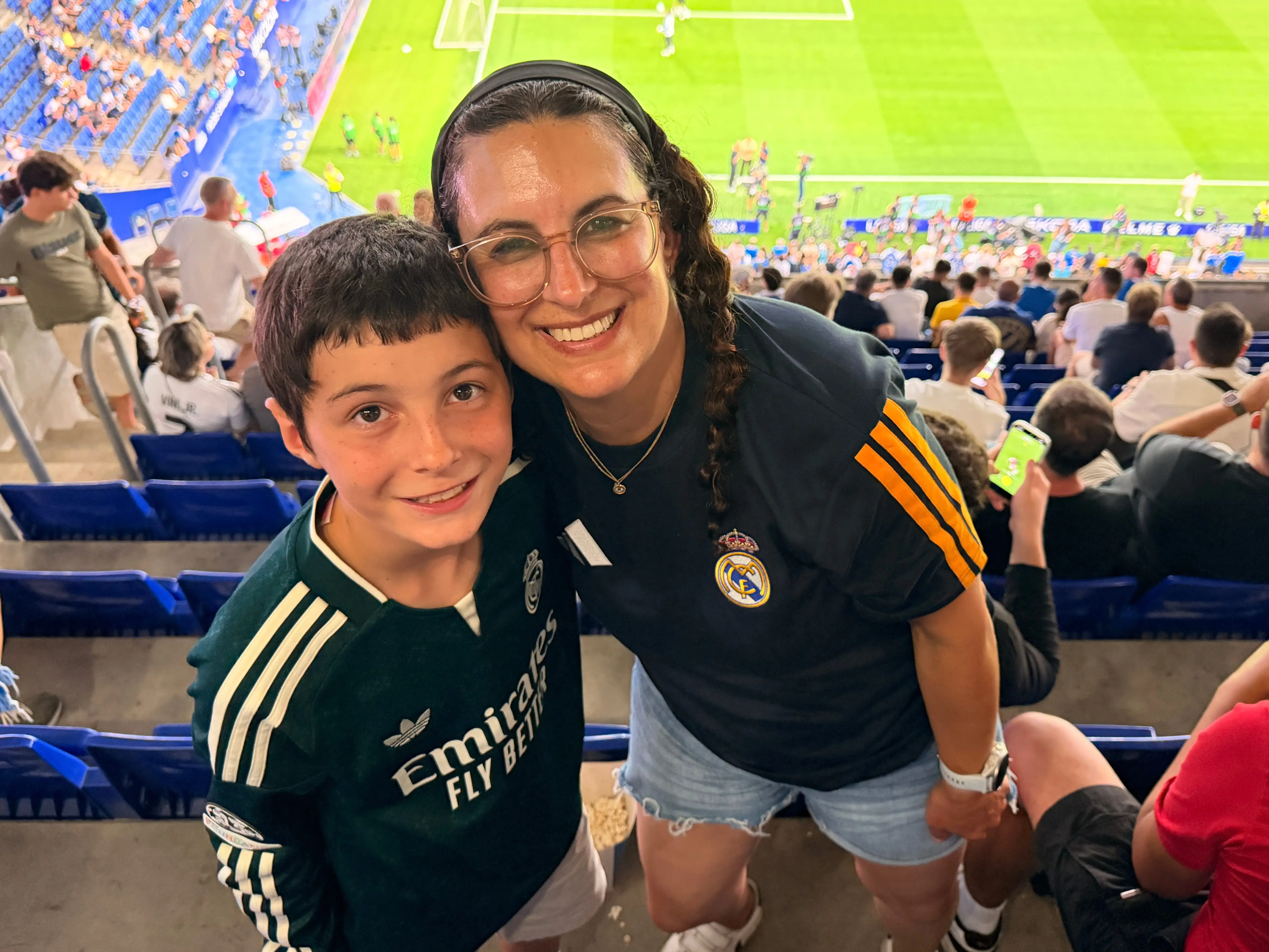
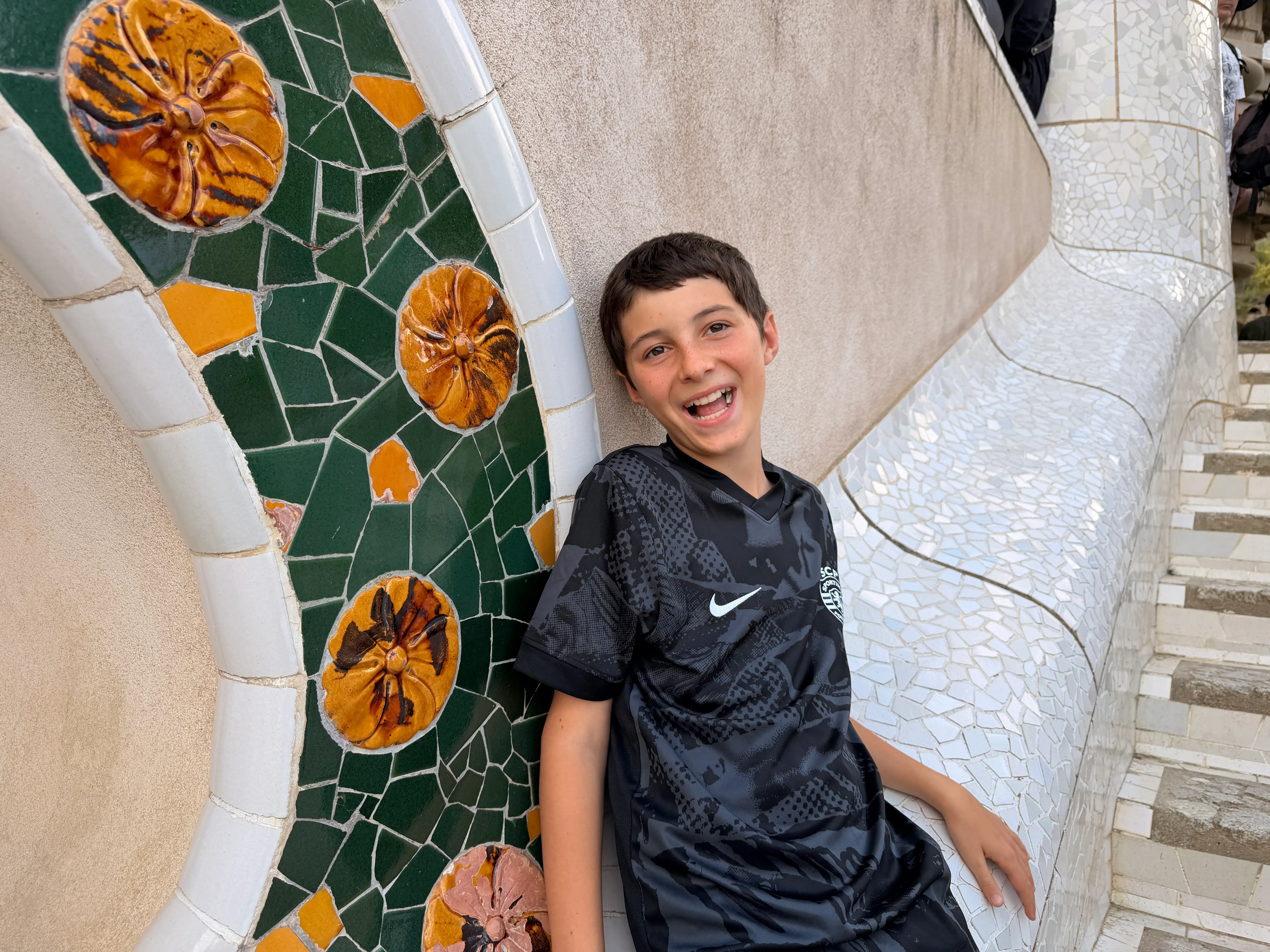
Even though my son had to start his middle school social life from scratch, he quickly found his crew: other kids who love soccer. He first spotted potential friends by looking for kids wearing Real Madrid jerseys and kicking a soccer ball around at recess. Once he found his tribe, he could easily meet friends after school for walks to our local playground and pizza shop. Those are things he wouldn’t have been able to do if he had gotten into the school I had been hoping for, which draws students from across the city. Within a few weeks, he rattled off at least a dozen new friends’ names. I wondered whether he could have made friends as easily at the smaller charter school I wanted him to go to, with a smaller pool of potential friends.
I also appreciate the resources such a big school has, including a range of after-school activities. Although my son hasn’t wanted to try most of them, I appreciate that options like an archery team and a Rubik’s Cube club are available to him.
There are other benefits as well. Because our neighborhood is just over a mile from our home, my son can easily walk or take a short bus ride there and back, giving him even more independence. Not having to drive him saves me at least seven hours a week, and the school’s proximity to our house gives my son more free time.
Now that we are well into the school year, I realize I should have given my son more credit for adaptability. I also should have been more open-minded about what kind of school would be “right” for my son. Although I am still sad that he doesn’t get to attend the same school as his sister, I now know there is more than one answer to what makes a good school.
Read the original article on Business Insider
The post My son didn’t get into the school I thought would be perfect for him. He’s thriving at our neighborhood middle school in ways I didn’t expect. appeared first on Business Insider.