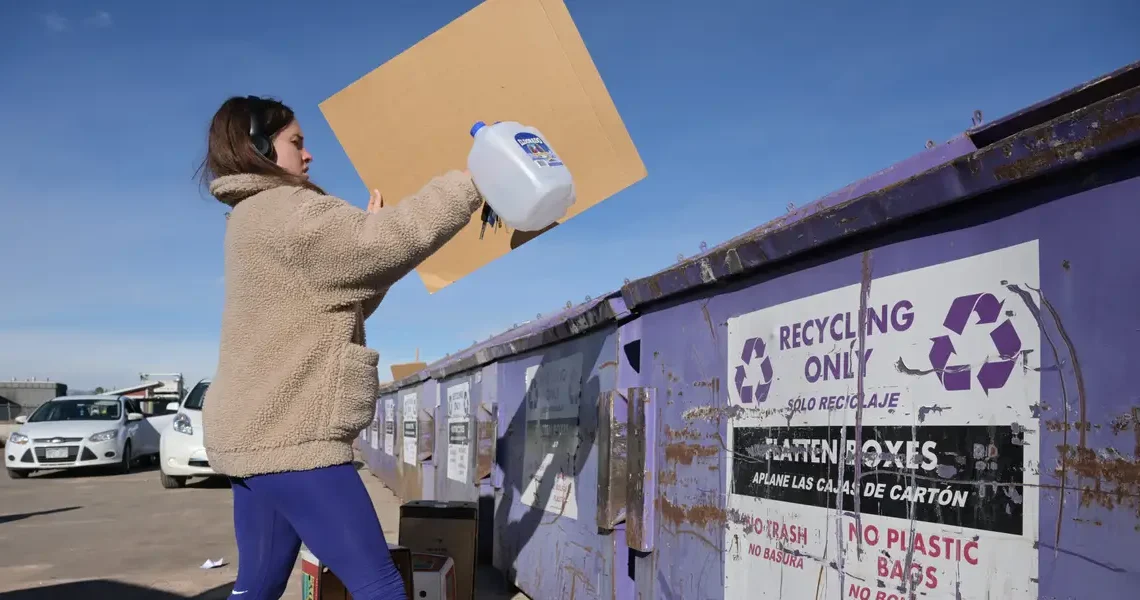
Many of us have been guilty of “wish-cycling” — that is, tossing every piece of paper, plastic, metal, or glass in the blue bin, assuming it’s probably recyclable.
Unfortunately, recycling is more complicated than that.
“There are literally thousands of recycling standards across the country,” Rajesh Buch, a professor at Arizona State University, where he teaches a course on sustainable business, told Business Insider.
That’s in part because recycling systems that sort through piles of discarded items can cost tens of millions of dollars. “In most communities,” he said, “they don’t have the resources to have these fully loaded, full-capacity systems.”
The disposal of household batteries, for example, is a common source of confusion. While the EPA recommends that single-use household batteries be sent to specialized battery recyclers, it also says that “in most communities, alkaline and zinc carbon batteries can be safely put in your household trash.”
For residents of New York City, however, the Department of Sanitation’s guidelines declare this is illegal and dangerous, citing risk of fire and explosion. New York City residents are required to dispose of their batteries at waste drop-off sites or at stores that accept them.
Conflicting standards can be confusing, but dumping every container or scrap can contaminate the waste stream, Buch said.
Earth911 has a recycling locator that can help you find where to dispose of certain recyclables, or you can pay a company like TerraCycle to do the work for you.
That said, there are some items that almost always need to go in the garbage or a special recycling facility. Here is a list of 25 of them.
1. Aerosol cans
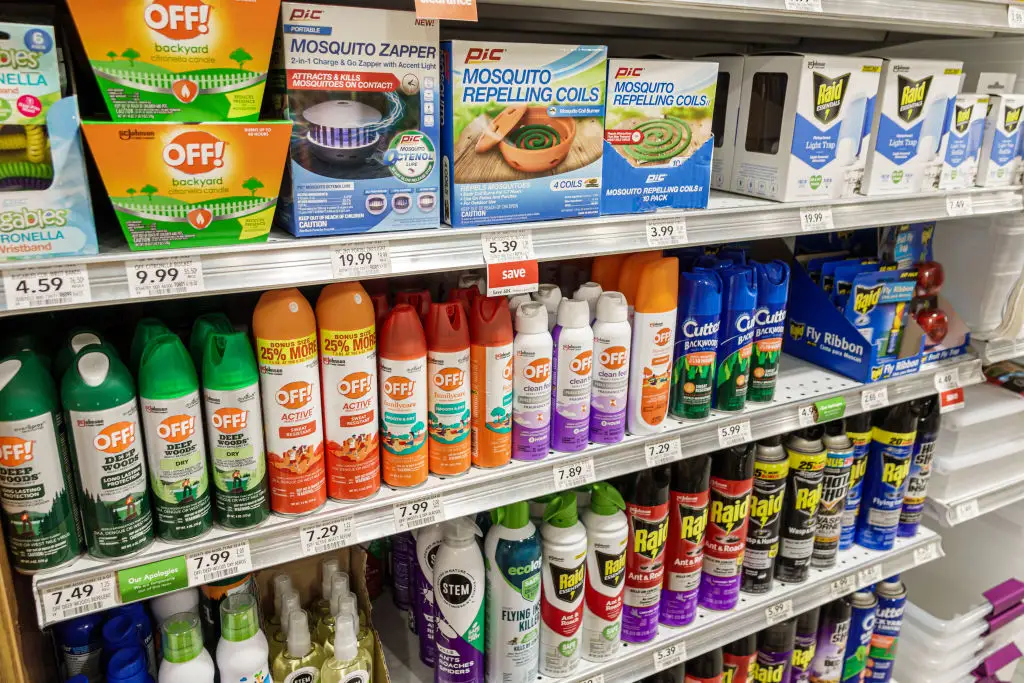
Aerosol cans are metal with plastic caps, which should be recycled separately. Some recyclers accept the cans, but others don’t.
You’ll want to make sure they’re empty if you can recycle them, especially if the cans contained chemicals.
“Some of these are dangerous to put in the blue bin,” Buch said.
2. Batteries
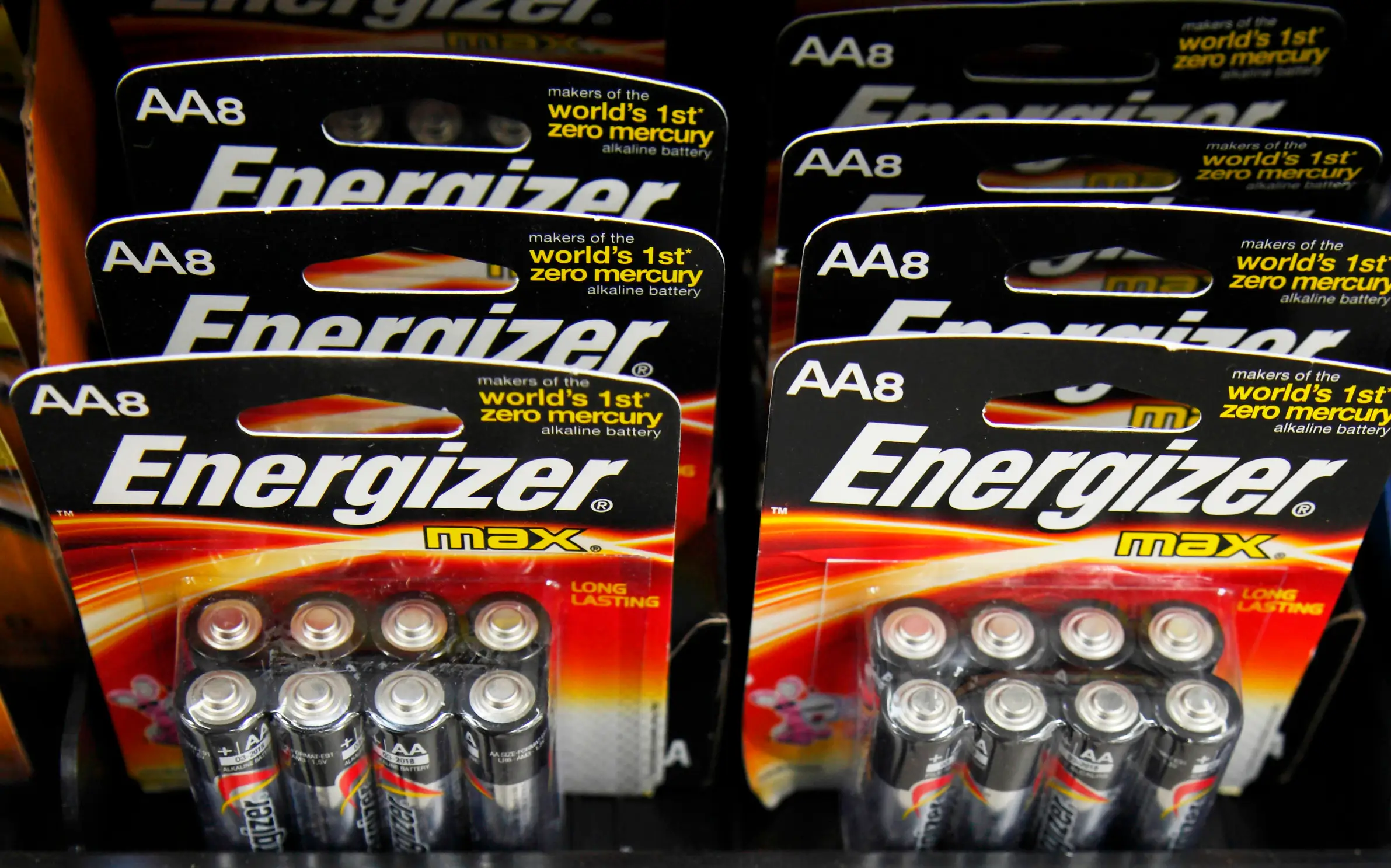
Some cities, like Seattle and New York, have barred people from throwing batteries in the trash because they can cause chemical leaks and fires. Batteries usually can’t be recycled curbside, either.
Instead, a battery recycling facility needs to take them, Buch said.
If you want to recycle them, you can find retail locations willing to take batteries on the site Call2Recycle.
3. Chip bags and other snack wrappers
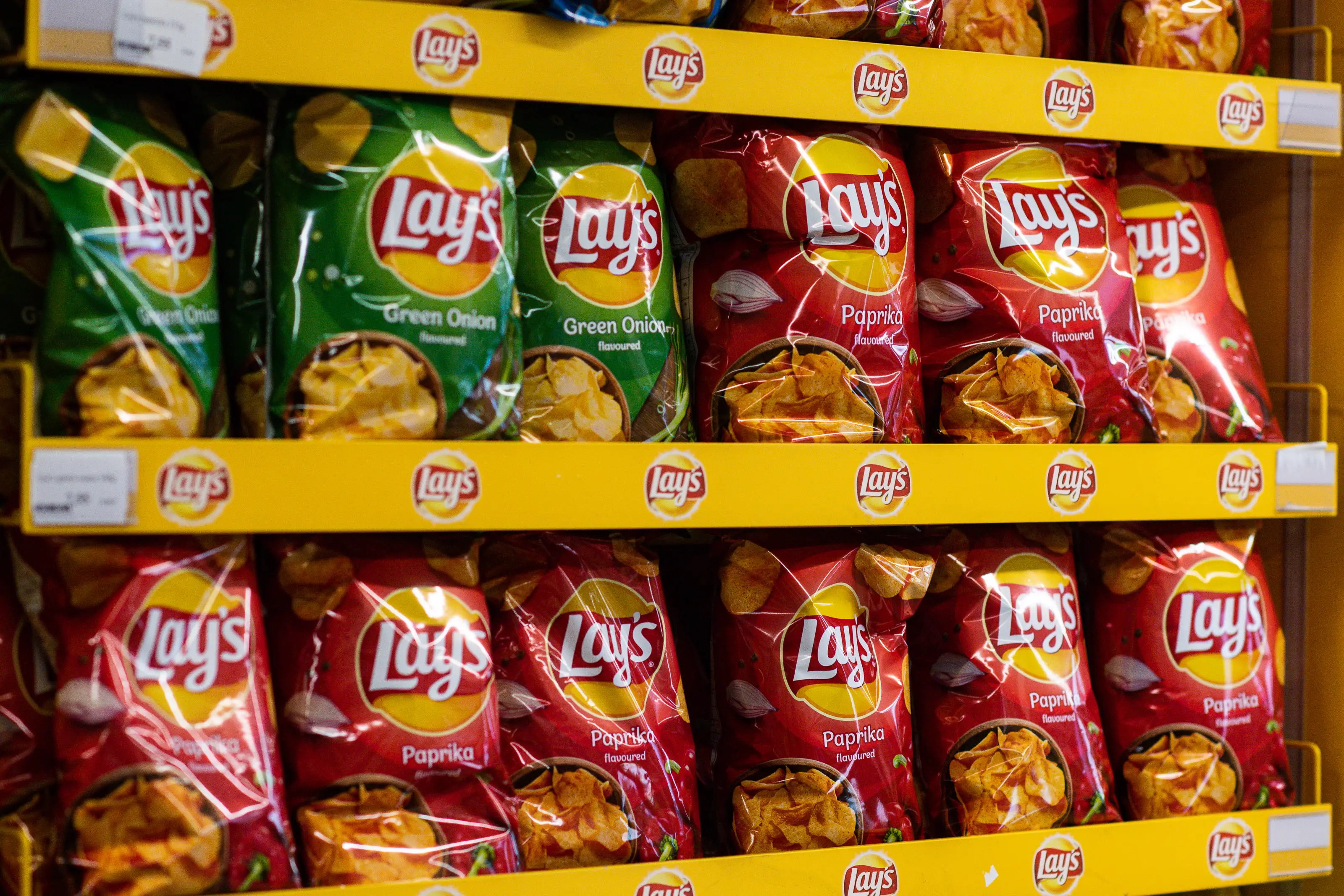
Chip bags, granola bar wrappers, and other snack packages are often multi-layered materials, Buch said.
“You’ve got foil on the outside,” he said. “You’ve got a plastic coating on the inside, and that’s not recyclable.”
The machines aren’t able to separate the layers, he said.
Some brands’ packaging is recyclable through How2Recycle, though you’ll have to drop it off at a participating grocery store or retailer.
4. Coffee mugs and other ceramics
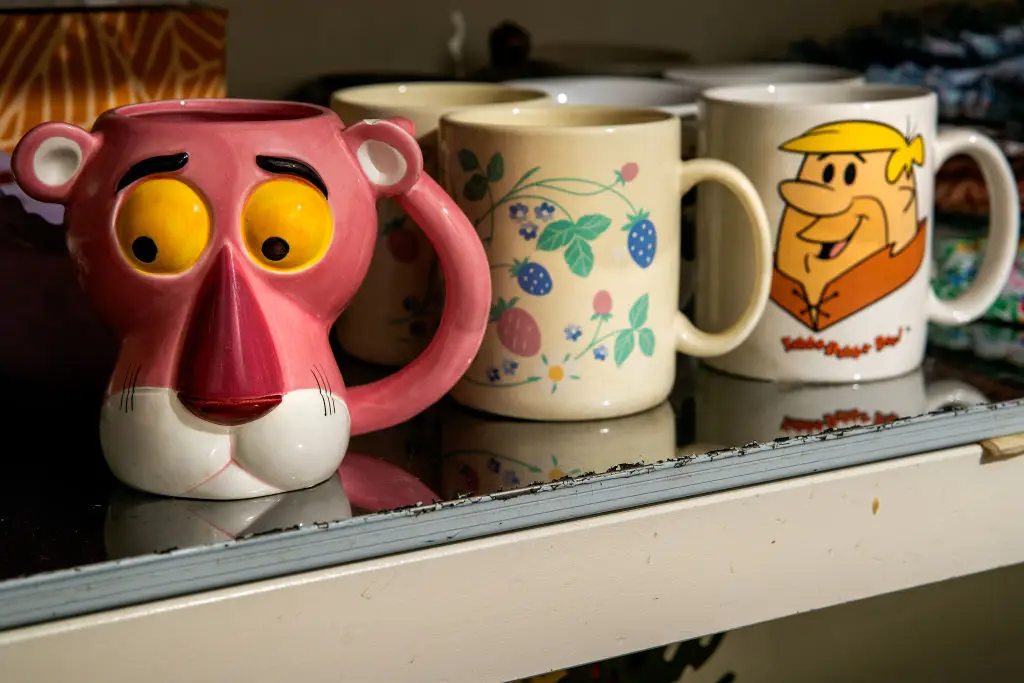
There isn’t good technology to recycle ceramics, Buch said. They can even damage equipment.
The same is true for heat-resistant glass used to make items like baking dishes. Unwanted ceramics can usually be discarded in the household trash.
5. Coffee pods
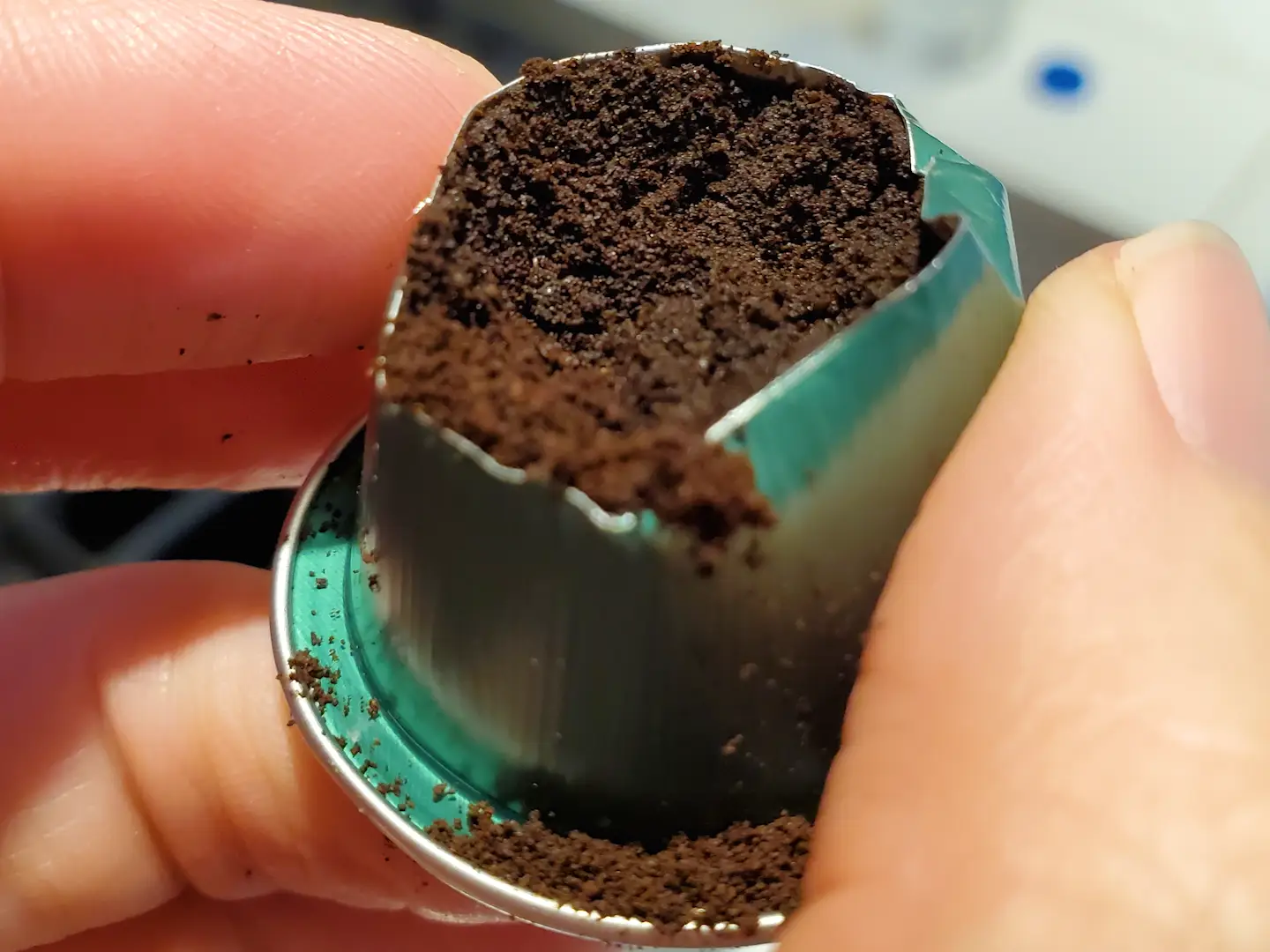
Over the years, coffee companies have made their pods more environmentally friendly by switching to a different type of recyclable plastic. But you still can’t just toss them in your recycling right out of the machine.
“The foil is recyclable,” Buch said. “The plastic is recyclable.” But you have to remove the foil top from the plastic cup. As with all other recycling, it should be clean and dry.
Even when properly separated, though, the pods can be what Buch calls a “nuisance item.” They’re so small that they often fall through slots or holes in sorting machines instead of getting recycled.
“Anything that’s 2 inches or smaller is going to fall out of the sorting system,” Buch said.
There are still ways to recycle some pods, though. Nescafé accepts pods you return to them, for example.
6. Diapers
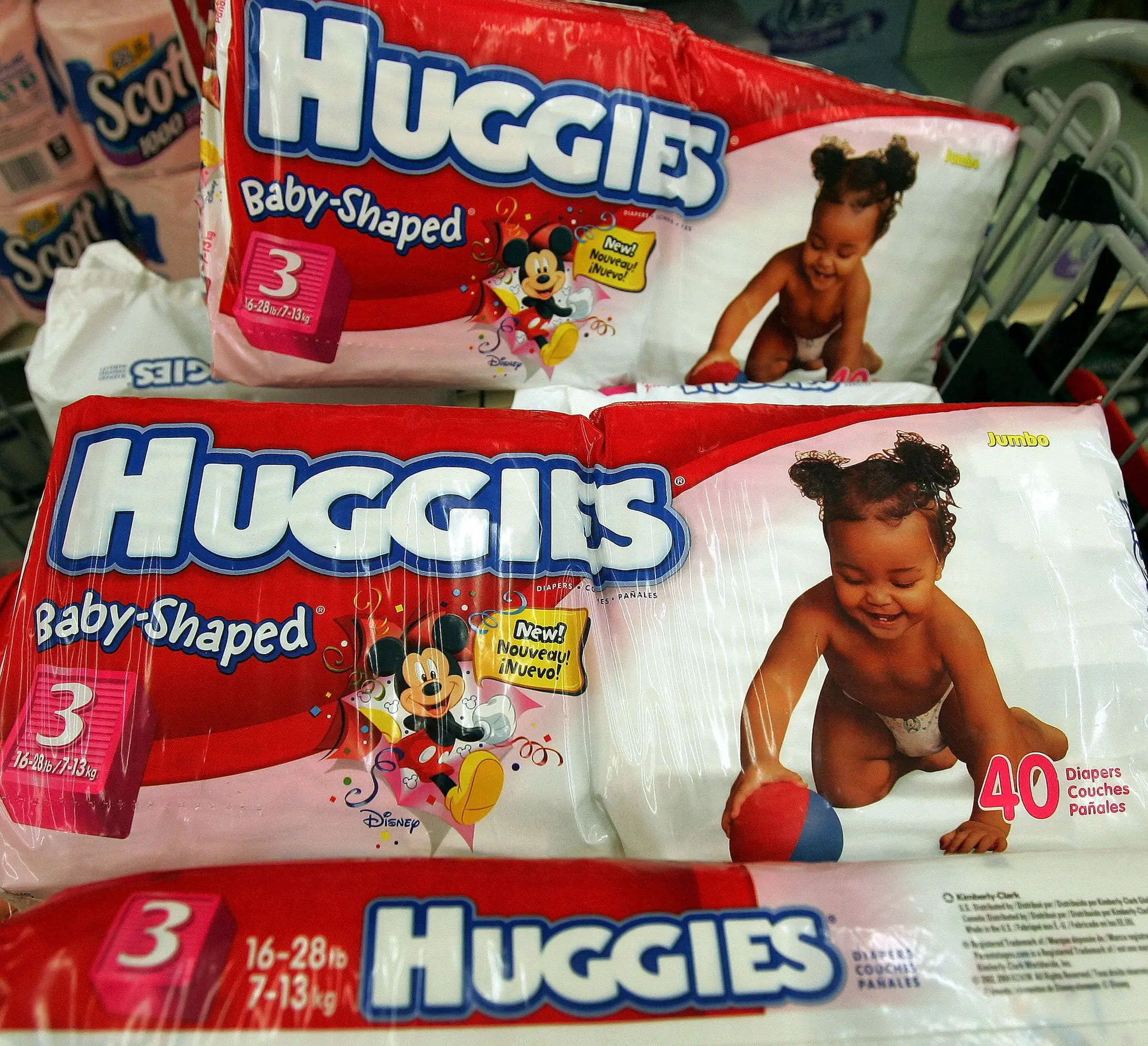
Disposable diapers are difficult to recycle “even if you didn’t have all the poop inside,” Buch said. They contain a variety of materials, like plastic and cellulose.
Some recycling companies like TerraCycle might take them, but municipal facilities most likely won’t.
Some companies abroad, like Germany’s BASF, are making advancements in chemically recycling diapers using the process of gasification, Plastics News reported.
7. E-waste
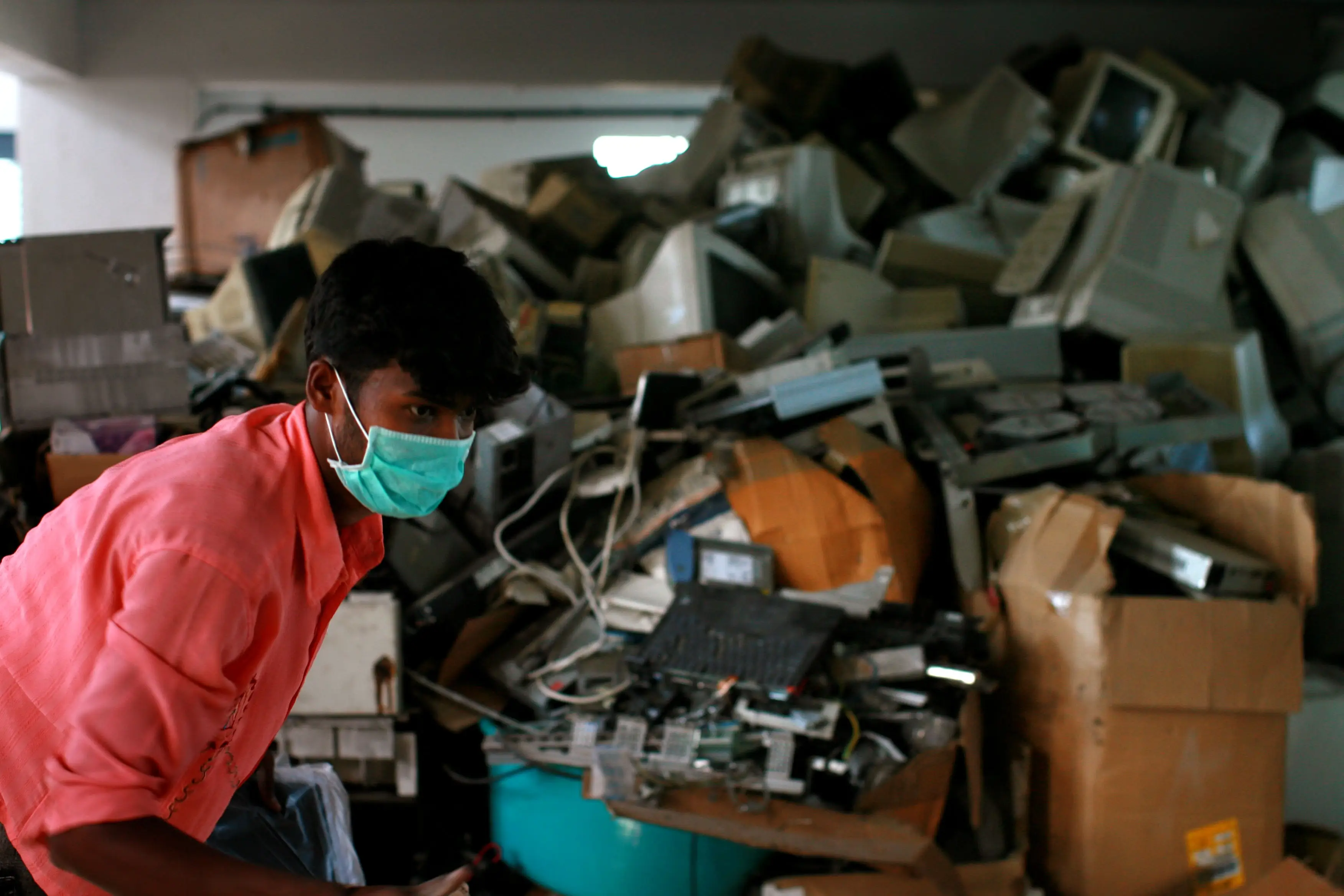
Cellphones, printers, and computers contain plastic, metal, and a mix of other materials that make them poorly suited for standard recycling systems.
Many cities have separate facilities where you can drop off e-waste, or you might be able to schedule a special pickup. For example, if you have a coffee maker that’s gone kaput, a retailer like Staples might recycle it and other small appliances for free.
8. Inflatable pools and toys

In 2018, the US generated 35.7 million tons of plastic waste and only recycled about 9% of it, according to the EPA’s most recent estimates. Because there are so many different kinds of plastics, it can be difficult to know what you can and cannot throw in your blue bin.
Many plastic containers have a little symbol: recycling arrows with a number in the center. This is what’s known as a resin identification code.
Most recycling facilities accept empty, clean, dry number 1 or 2 plastic. Some locations accept numbers 1 through 7, while others won’t take numbers 3, 6, or 7. It’s best to check before you chuck your plastic in the bin.
PVC, which is number 3, is used to make inflatable pool toys, faux leather, and other goods, and is very difficult to recycle.
9. Light bulbs
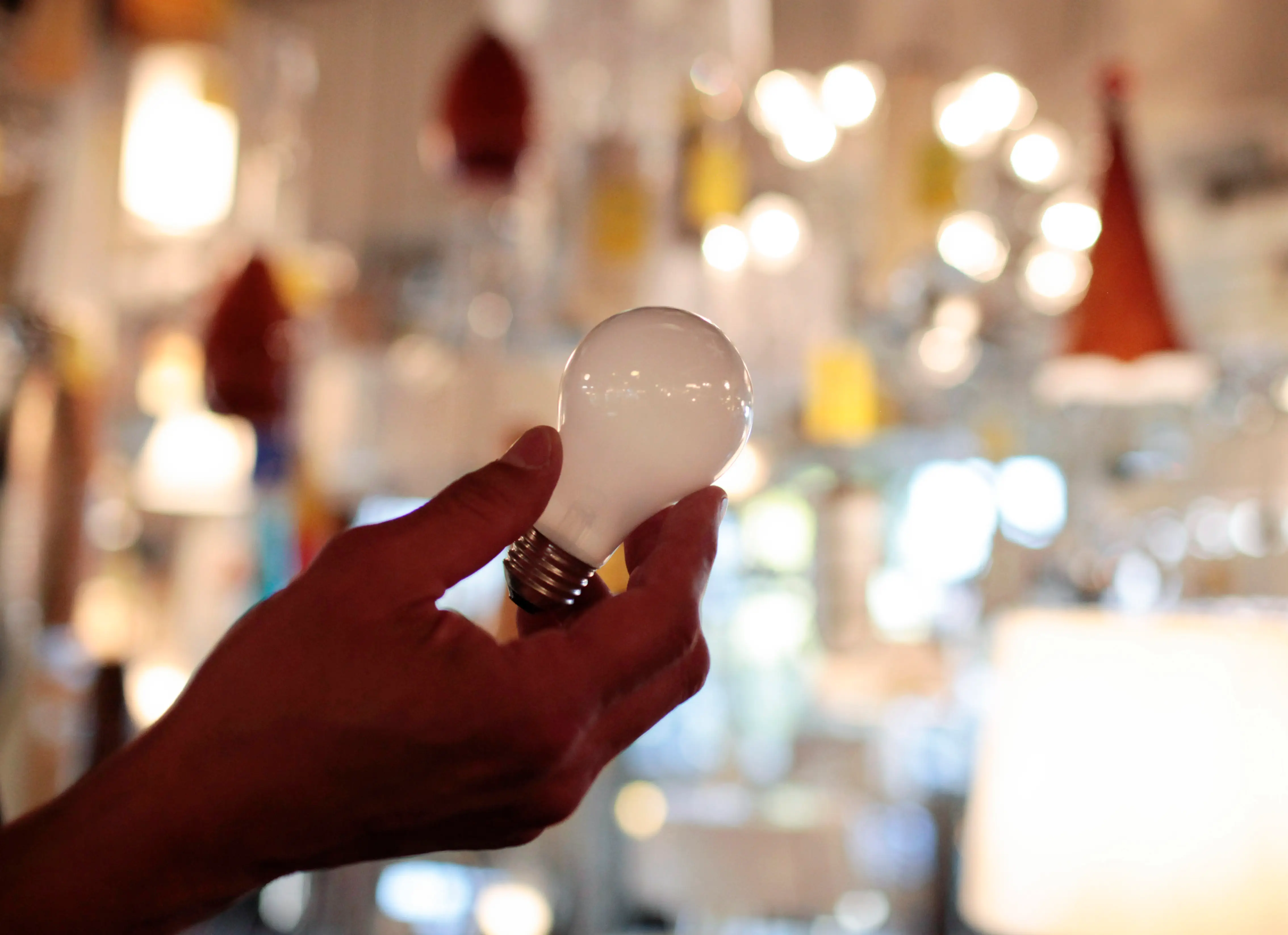
There are many types of light bulbs, from CFLs to LEDs. It’s important to figure out what type you have before tossing it because many municipalities have different rules about where they go.
“Some of the old light bulbs even have mercury or other kinds of chemicals in them, like fluorescent light bulbs,” Buch said. So you may have to take them to your local hazardous waste collection site.
Some hardware stores will take certain types of bulbs, and Batteries Plus accepts a wide variety, including LEDs, incandescent bulbs, and fluorescent tubes.
10. Medical waste
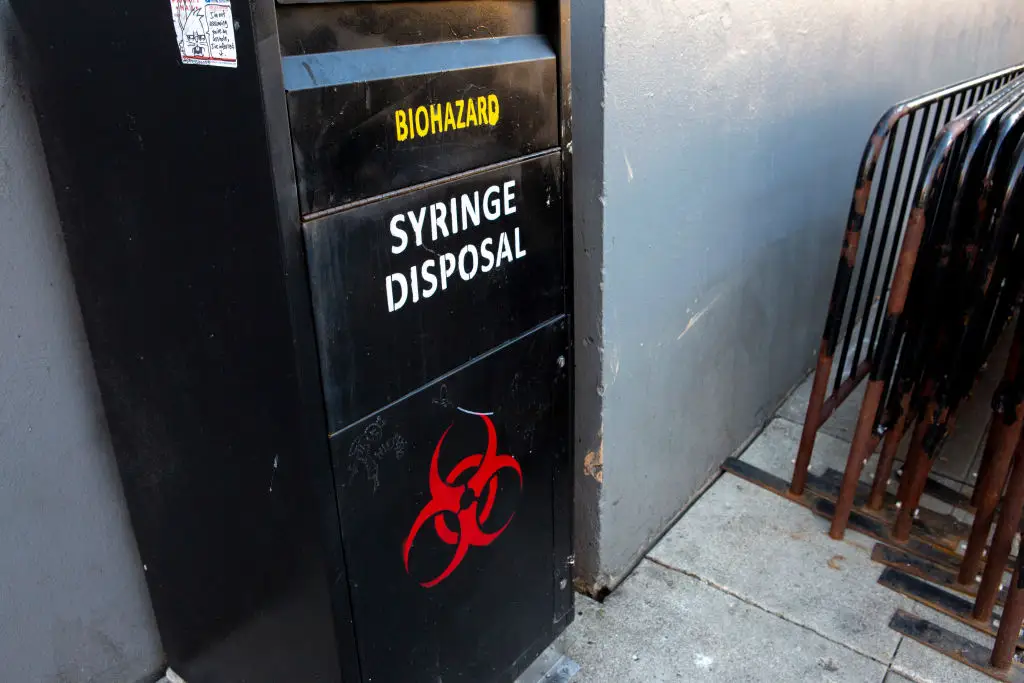
Needles, syringes, and other sharp medical products can injure workers at waste and recycling facilities. Some locations have drop boxes or other collection sites that take them.
Safe Needle Disposal offers lists of disposal locations by state as well as mail-in services, which often require a fee.
11. Napkins and paper towels
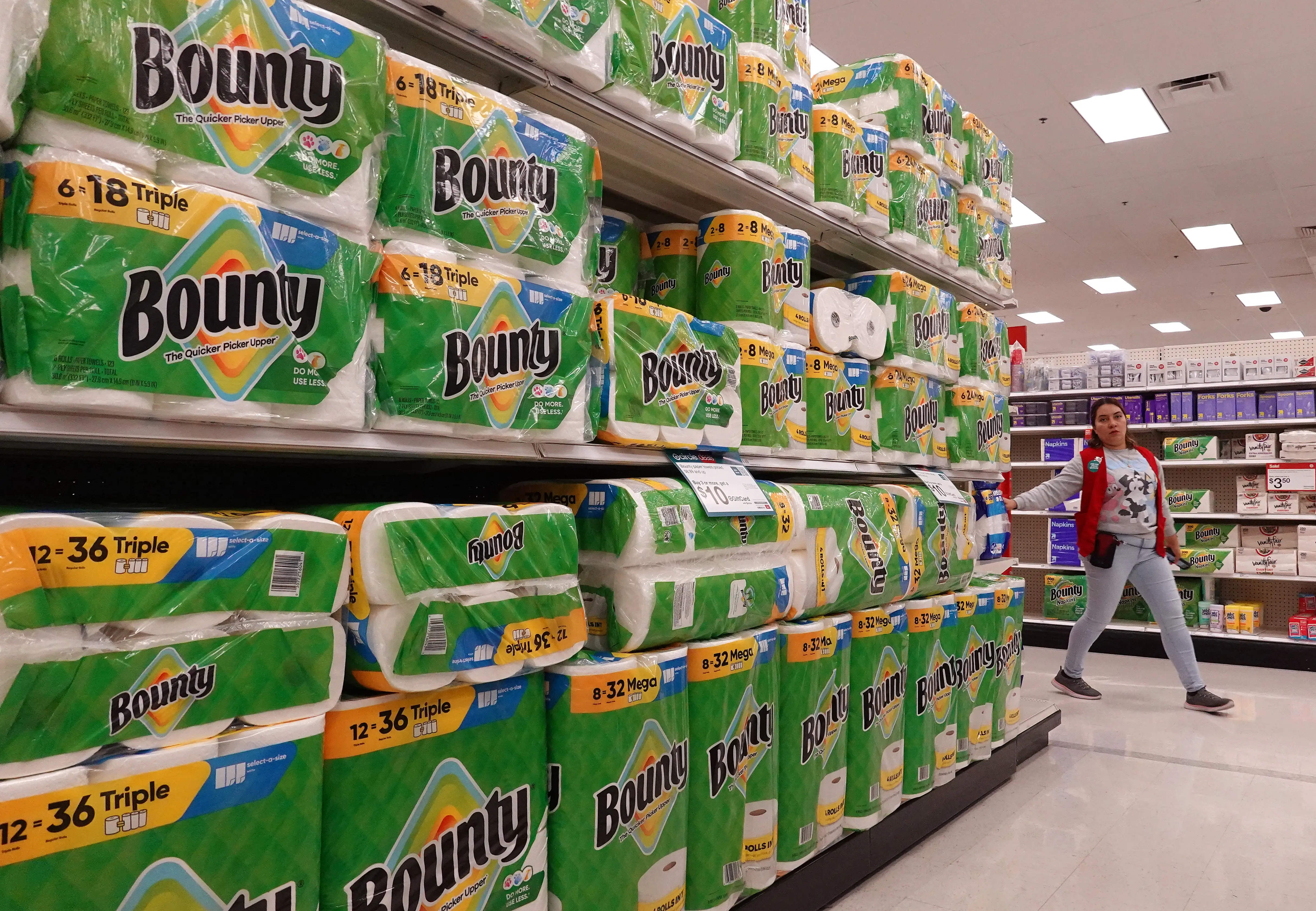
You may know that you only used a paper towel to dry your hands, but the recycling facility doesn’t. They have to assume it could have been covered in food, grease, or even something hazardous.
“Those things become contaminated waste in the blue bin,” Buch said.
Plus, the fibers in these paper products are too short to get recycled.
The cardboard rolls inside, however, can be recycled if they’re clean and dry.
12. Plastic utensils
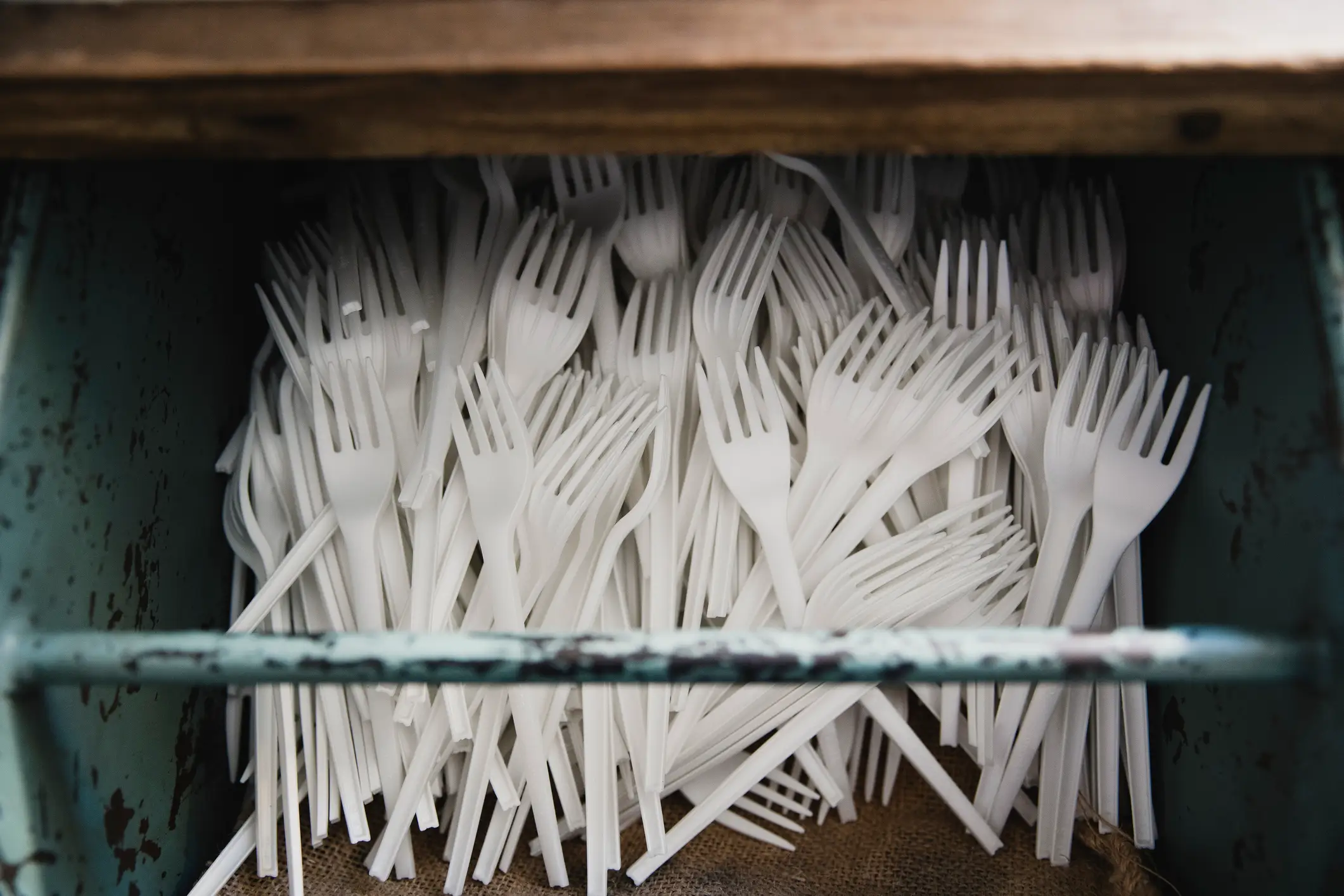
Plastic utensils have a few traits that make them a no-go for the recycling bin. For starters, the size and shape of plastic utensils mean it’s hard for them to be processed by machinery. These objects often cause jams or other issues in machines.
Additionally, they’re often made from a mix of plastics that can be hard to separate.
The waste collection company Republic Services conducted a survey of over 2,000 Americans, which found that 38% of those surveyed recycled plastic cutlery, as reported by Recycling Today.
13. Prescription pill bottles

As with coffee pods, some prescription pill bottles and their lids are small enough to fall through sorting machines and won’t be recycled.
“There might be some communities where they don’t take the pill bottle and other communities where they do,” Buch said.
14. Greasy pizza boxes
Cardboard is one of the most recycled materials in the US, but over half of what’s tossed still ends up in landfills, according to a 2019 estimate.
While most pizza boxes are made of cardboard, they’re also often greasy. “Sometimes the cardboard has cheese stuck to it, so now you’ve got cardboard with food, so it’s contaminated,” Buch said.
Some facilities will still take the boxes if they’re not too dirty.
15. Wet or unrinsed bottles and containers
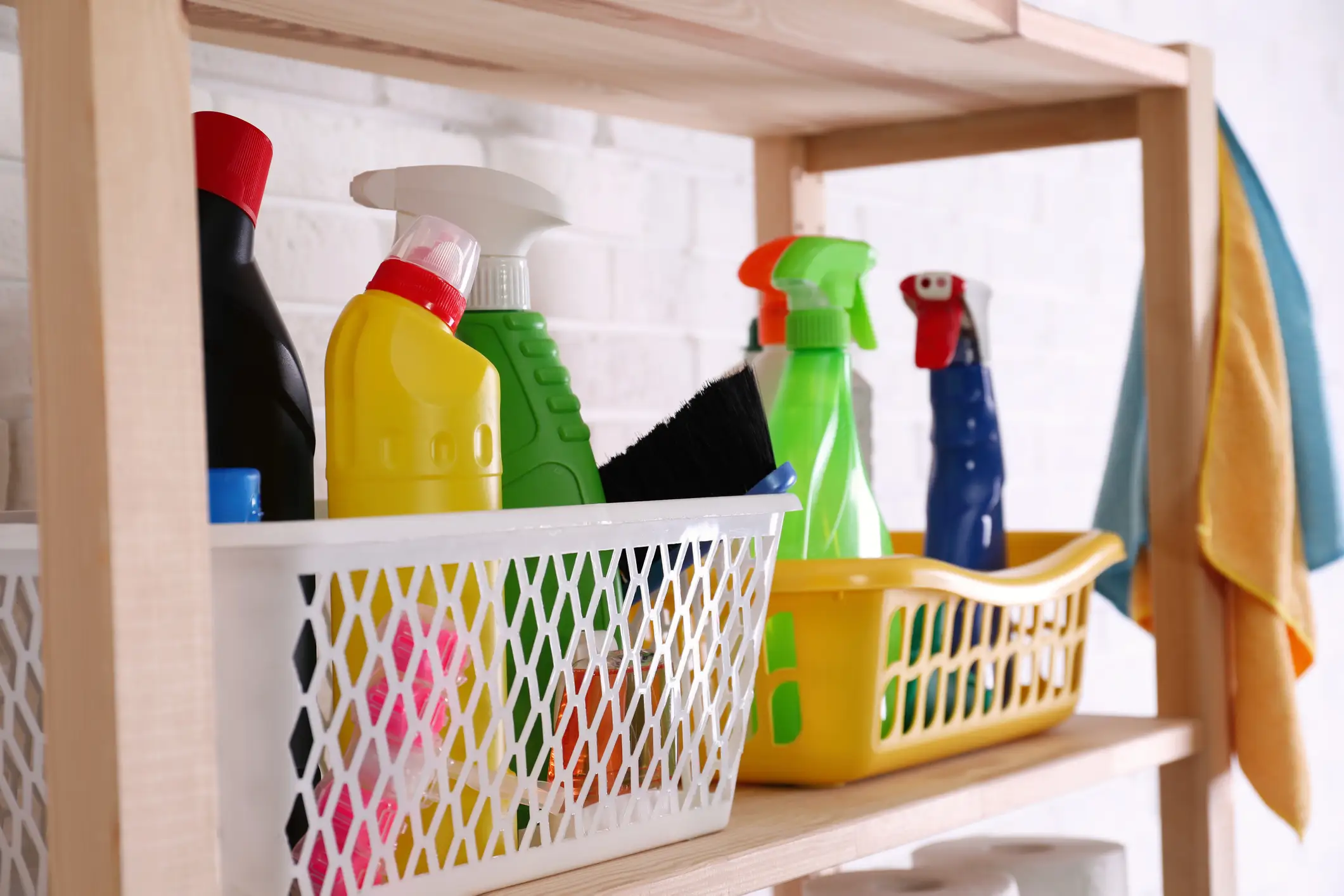
While many people may throw their finished bottles in the recycling bin without much of a second thought, excess foods or liquids can complicate the recycling process. Briefly rinsing all residue from containers and letting them dry is the best practice.
If bottles still contain liquid, they could damage machinery or be rejected by the automated sorting process, according to Recycle Now.
16. Plastic bags and bubble wrap
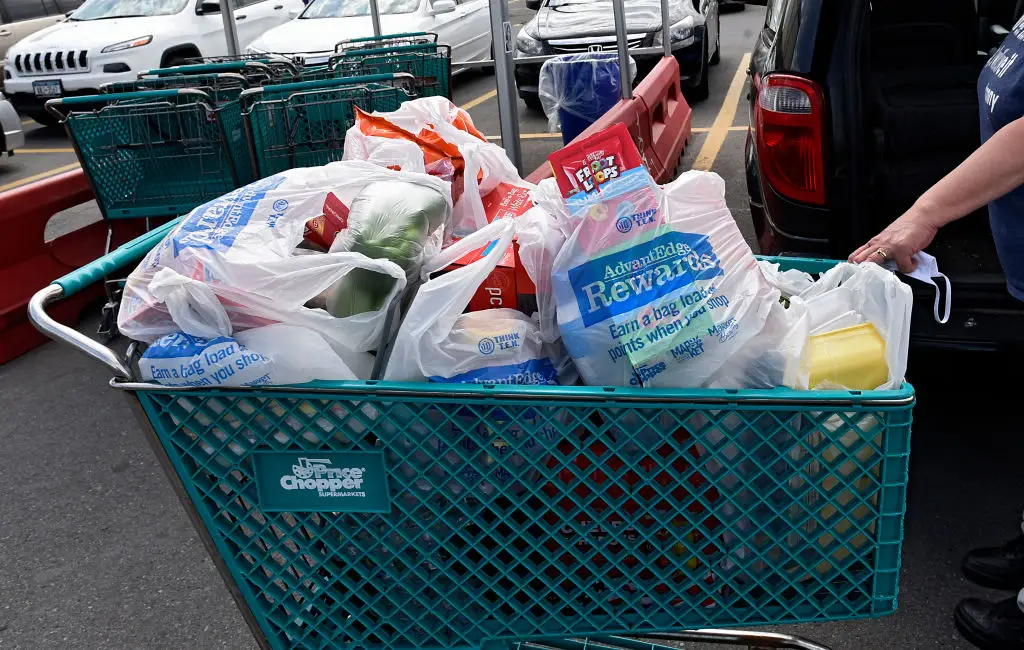
Plastic bags and film and bubble wrap can cause serious problems for recycling equipment, acting a bit like hair caught around a vacuum roller brush.
“Plastic film stretches and becomes literally filament-like,” Buch said. “It gets wrapped around inside these sorting systems.”
The Republic Services survey found that 41% percent of those surveyed recycled plastic shopping bags.
Many grocery stores have collection boxes for plastic bags.
17. Loose plastic bottle tops
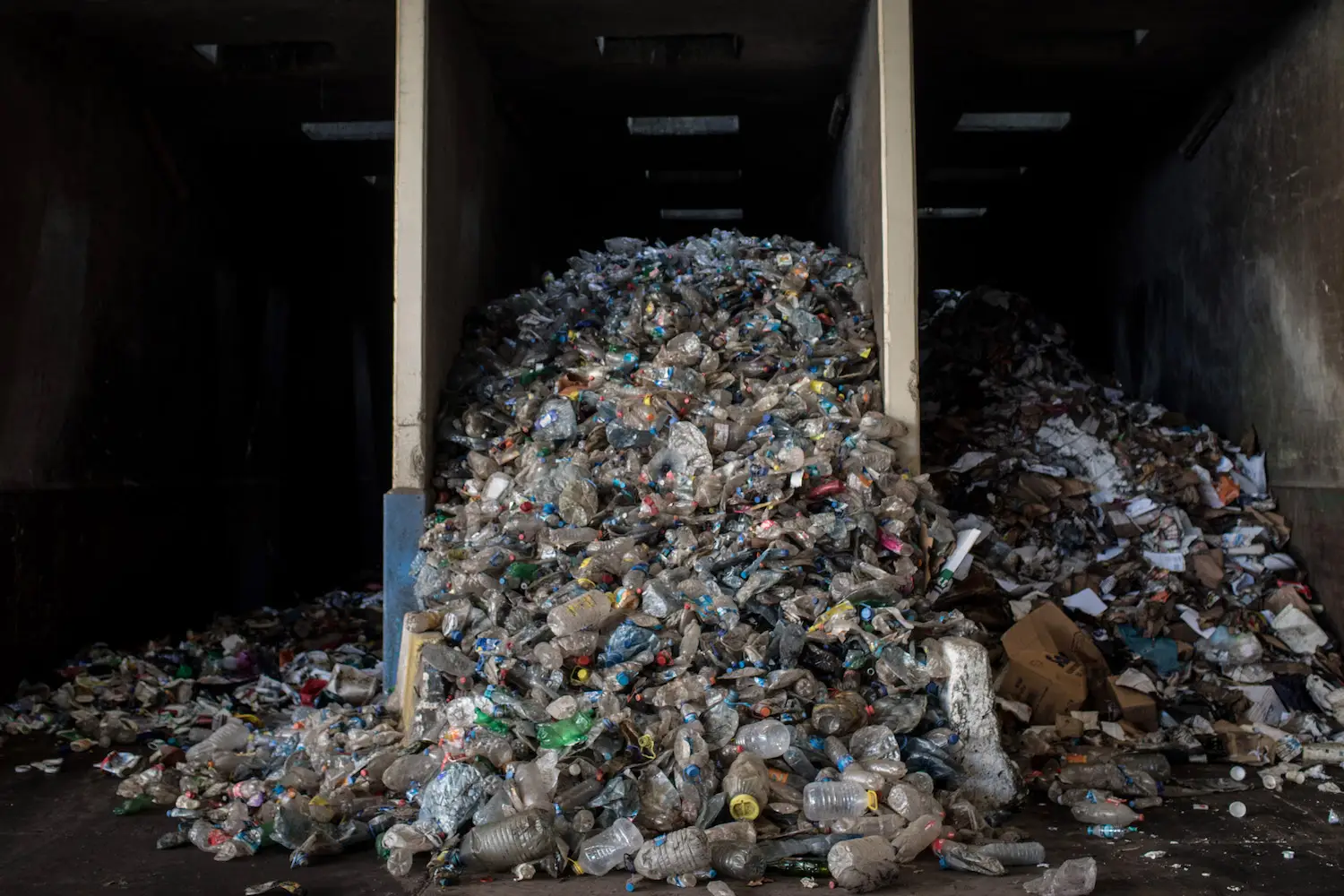
Whether you should leave plastic tops on water bottles before recycling them varies between municipalities.
“The lid is made of a different material than the plastic bottle itself,” Buch said, so they’re recycled differently.
Many facilities can separate the cap and bottle. However, you’ll still want to check with your local recycler because some require cap-free bottles.
18. Styrofoam
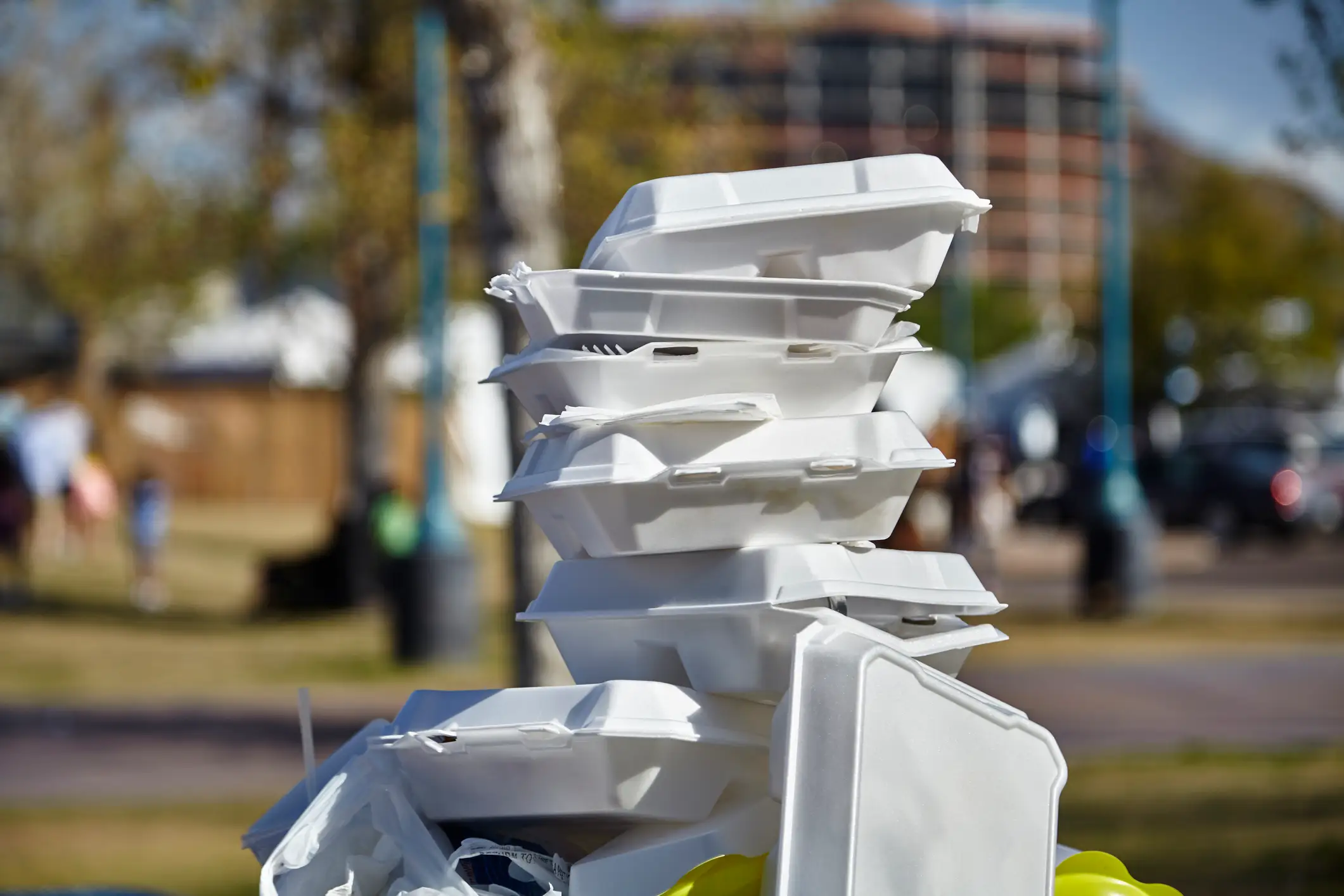
Many cities and states have banned Styrofoam food containers, but the substance still arrives in a lot of products and shipping packaging.
Styrofoam, also known as polystyrene, isn’t recyclable in most curbside bins. Many cities have drop-off sites, though they may only take certain types, like Styrofoam blocks.
19. Receipts
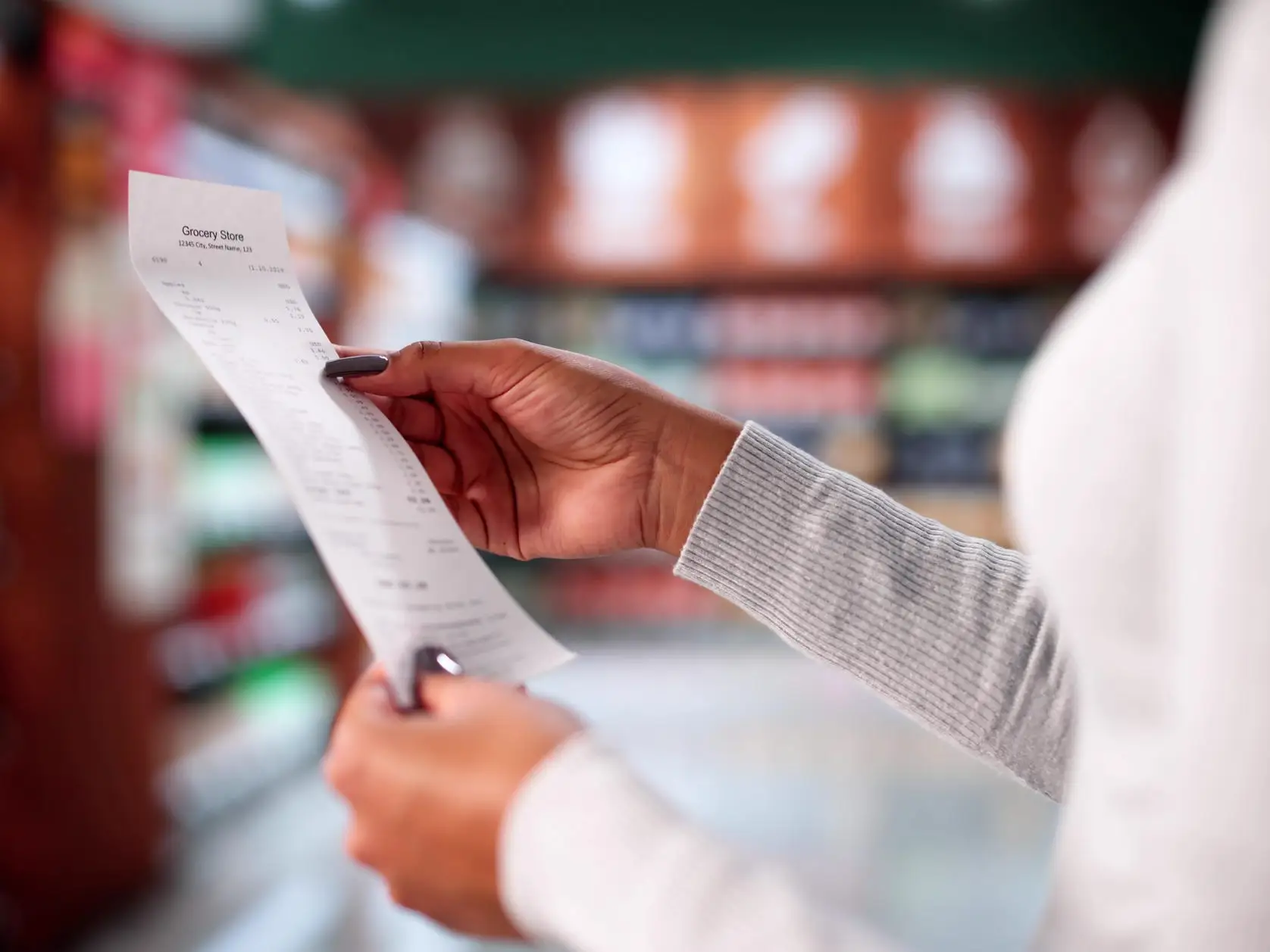
Though receipts can sometimes seem paper-like enough for the recycling bin, the thermal paper that most are printed on contains chemicals like Bisphenol-A and Bisphenol-S, which could contaminate other paper in the recycling stream or find their way into wastewater, per the Minnesota Pollution Control Agency.
So the next time you’re cleaning out your coat pockets, those receipts that have been in there for a year can go straight to the trash.
20. Photos and glossy photo paper

Much like receipts, recycling photos and glossy paper may seem acceptable, but the coating on most photo paper contains metals or plastic.
If you’re unsure about whether certain other glossy materials, like wrapping paper, can be recycled, you can perform the “rip test” as outlined by the Ecology Center. If the material doesn’t rip the way printer paper does, it’s most certainly not recyclable.
21. Cables, wires, garden hoses, and extension cords
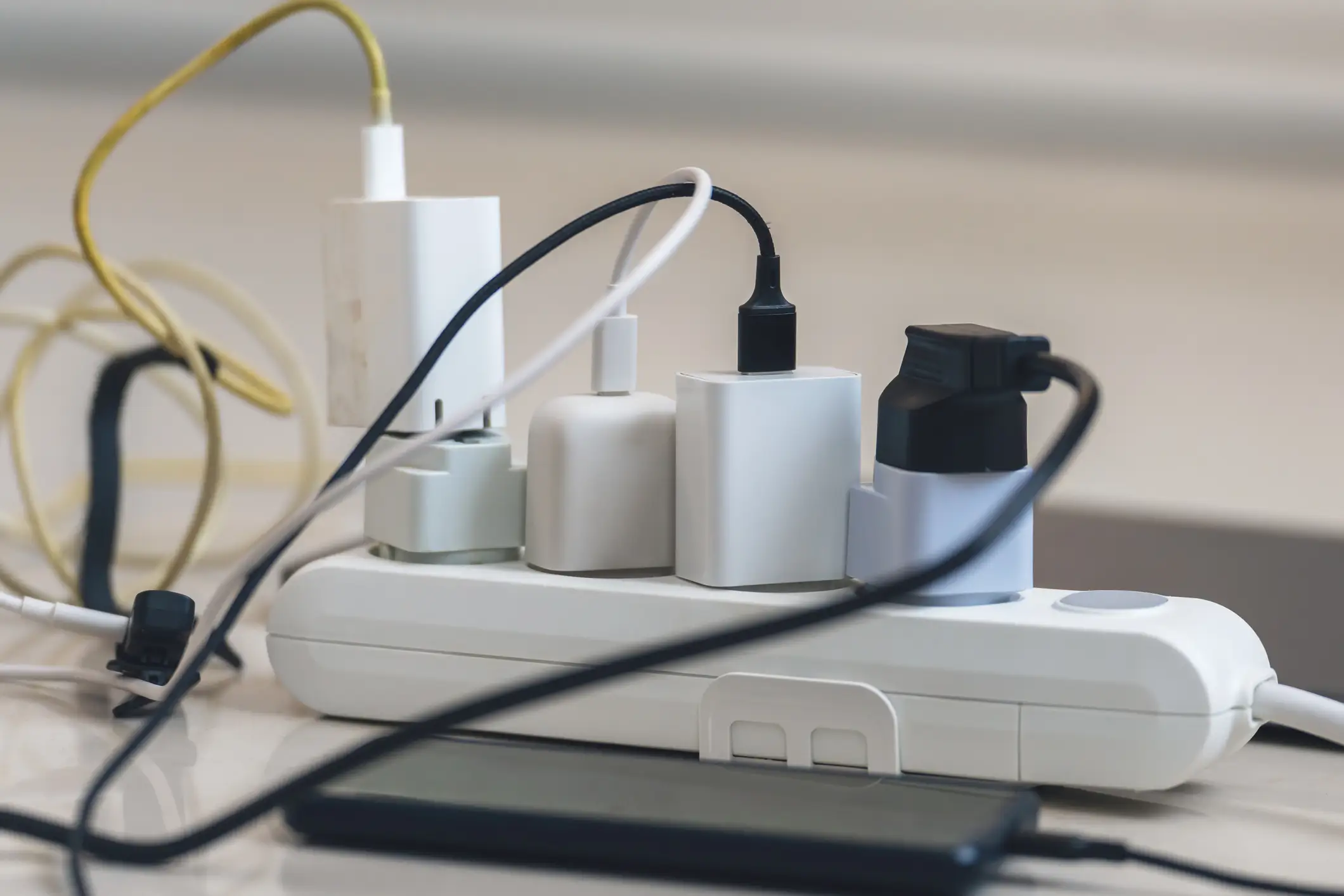
Like plastic bags, electrical cords and wires, string lights, and garden hoses are items that sanitation departments often describe as “tanglers.”
Portland’s garbage and recycling guidance notes that these materials can wrap around the recycling equipment and must be removed by hand, a process it describes as both inefficient and dangerous.
22. Clothing and shoes
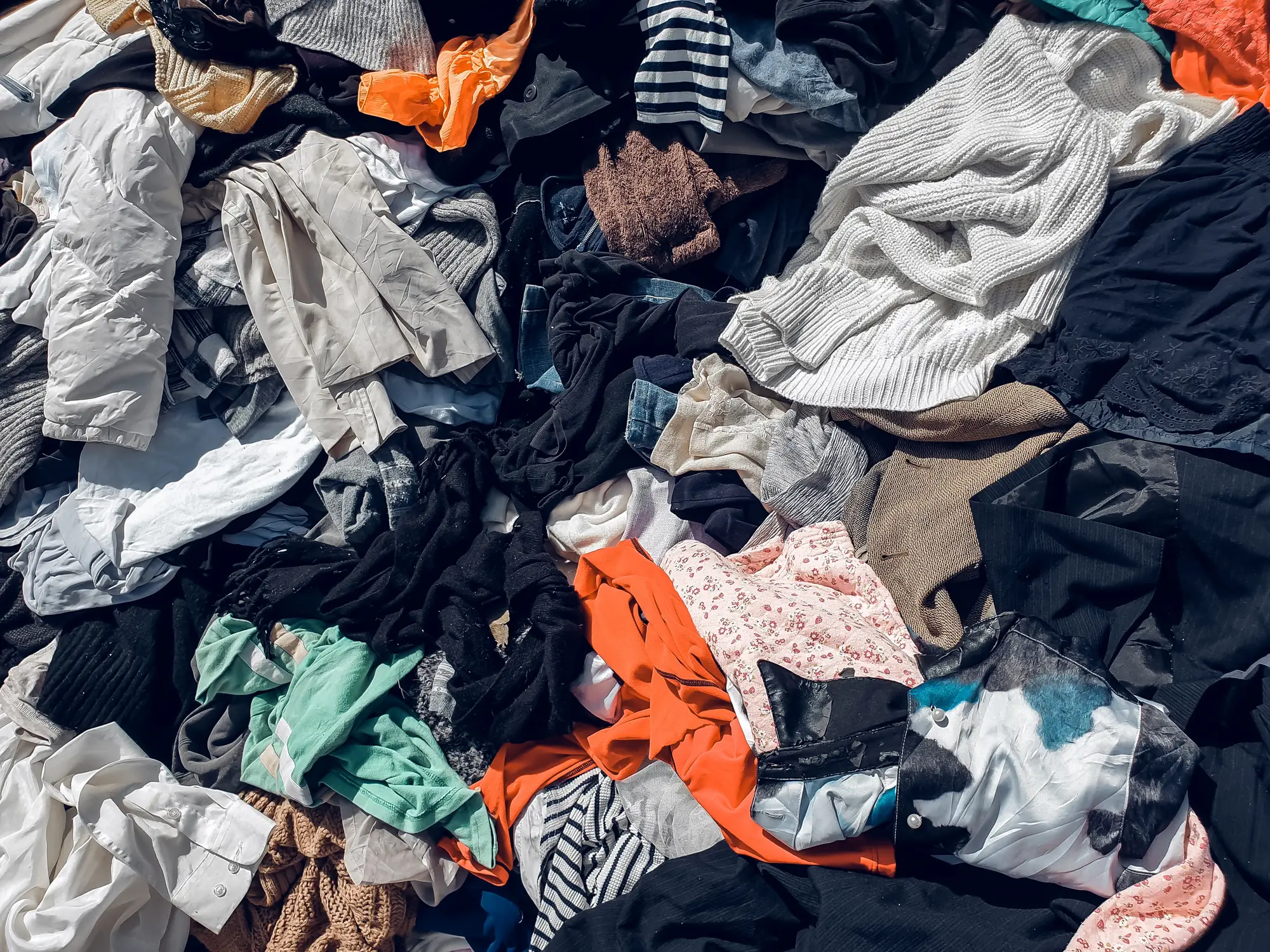
Clothing, shoes, and other textiles don’t belong in household recycling bins.
If they are in good condition, they can be donated to charity or even sold online for some extra cash. The US Environmental Protection Agency recommends checking with local charities to see whether they accept damaged clothing and shoes.
You can also check to see whether your local authority offers a textile recycling service. For example, Fairfax County, Virginia, has a pilot textile recycling program with bins for recycling old clothing, shoes, and other textiles.
23. Mirrors and window panes
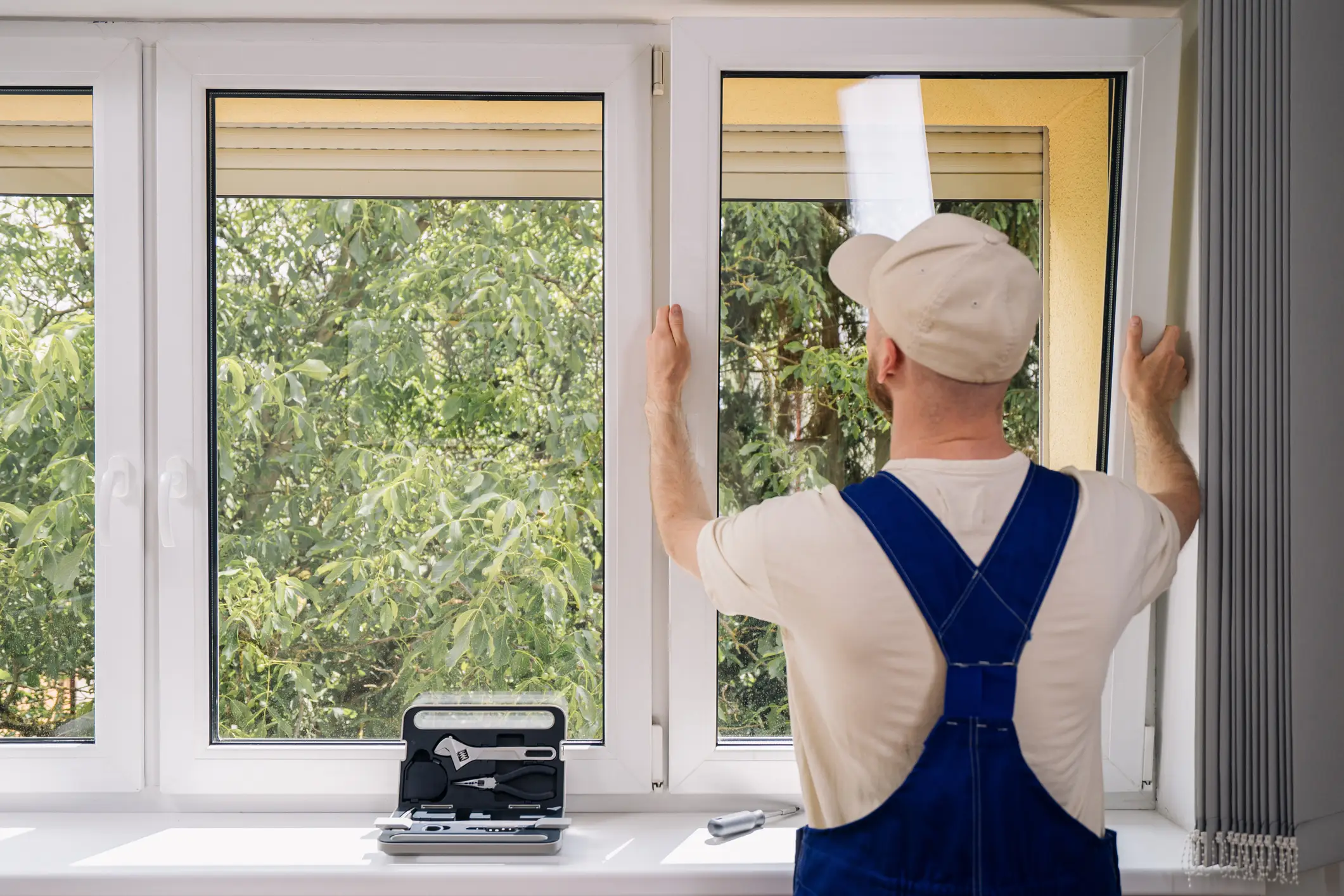
While you should generally be recycling your glass containers and bottles, mirrors and window panes are a different story.
This is because mirrors and window panes have a different melting point than glass jars and containers, which can contaminate the recycling stream.
If in good condition, mirrors can be donated to thrift stores, and windows to organizations like Habitat for Humanity ReStore.
24. Shredded paper — depending on your recycling program
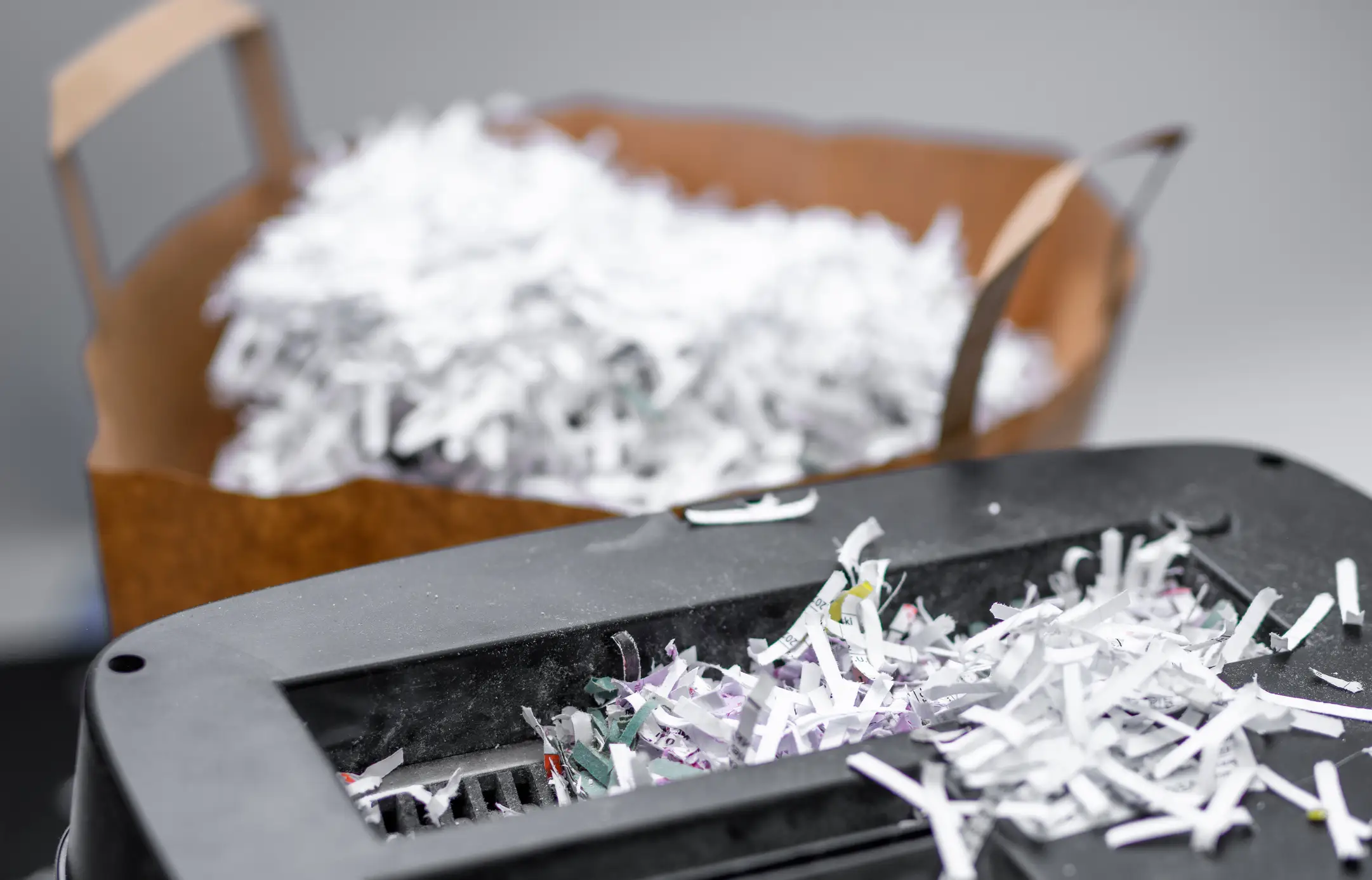
Whether you can recycle shredded paper depends on your local recycling program, according to the Environmental Protection Agency.
Its small size makes it challenging to sort at recycling facilities, and many facilities do not accept it for that reason. Some authorities, such as Gainesville, Florida, request that residents place it in a paper bag for recycling.
To avoid shredded paper going to waste, you can also use it for compost.
25. Compostable plastic cups and containers
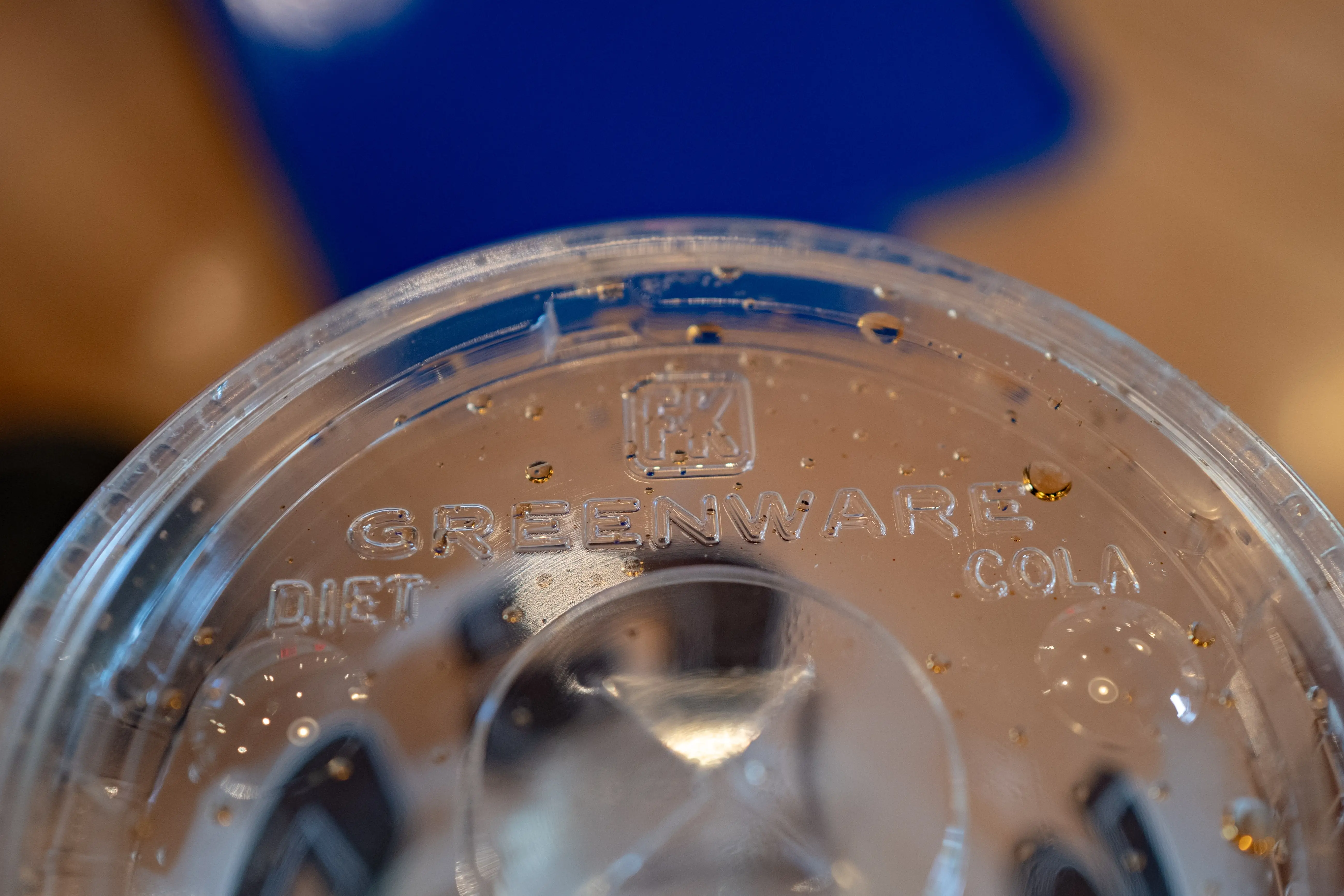
Compostable plastics can contaminate plastic recycling streams when mixed with non-compostable plastics.
The Environmental Protection Agency recommends checking whether your area has a recycling program that accepts compostable plastic or a local drop-off area for these items.
Read the original article on Business Insider
The post 25 items you may be recycling by mistake, and why you shouldn’t be appeared first on Business Insider.