Intense missile and drone attacks in global conflicts are showing the US Army how it needs to train its air defenders, as well as how to protect them from threats, Army officials said.
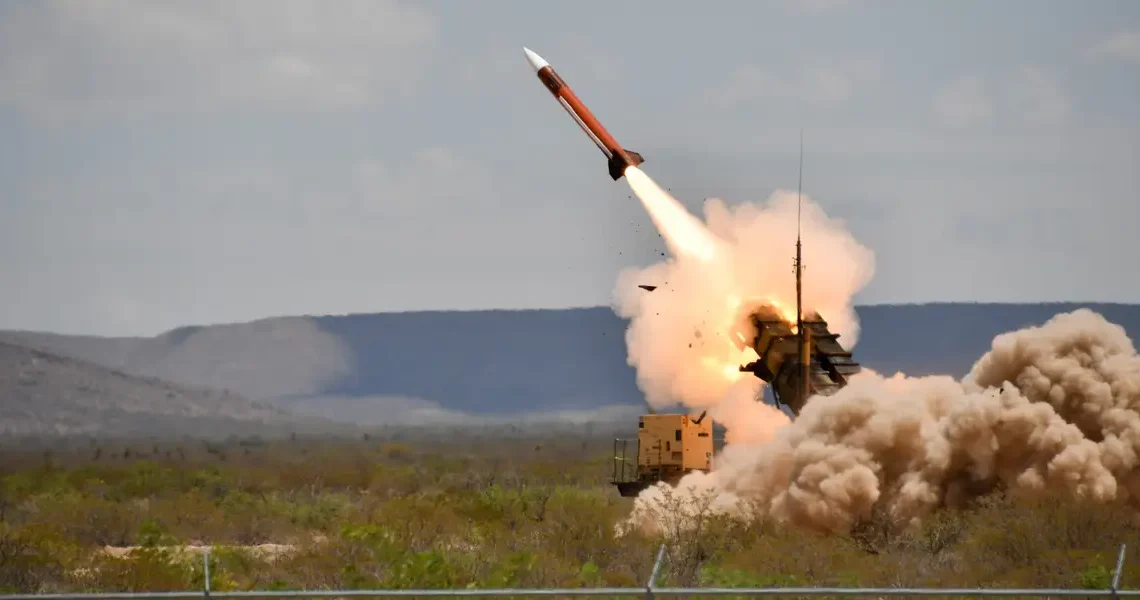
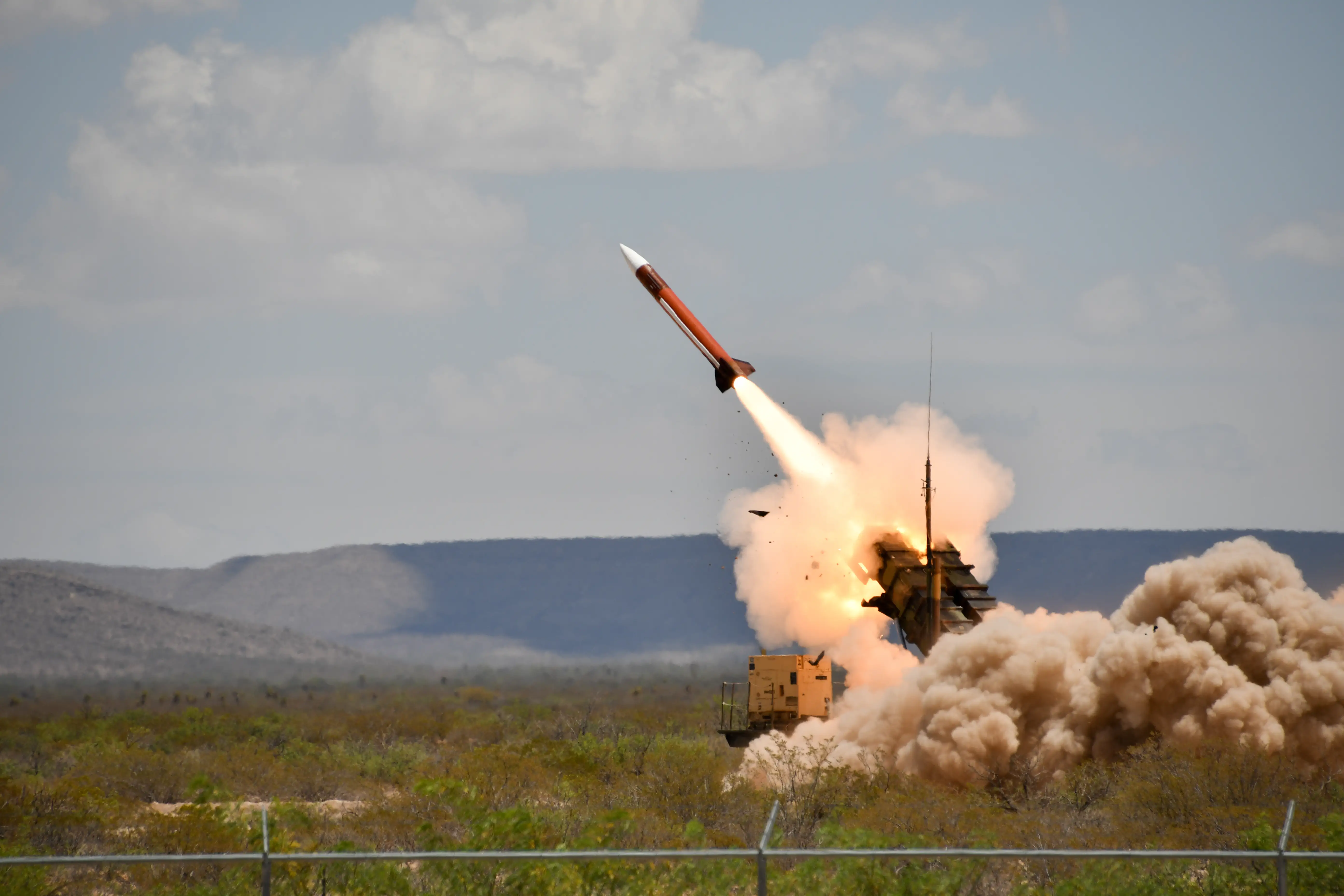
Lessons on protecting MIM-104 Patriot surface-to-air missile systems and crews are coming in, and Army leaders say those observations are being quickly incorporated into training to help troops keep pace with evolving threats and tactics.
In their war against Ukraine, Russian forces have hunted Patriot batteries and other air-defense systems while also trying to overwhelm them with complex barrages of one-way attack drones alongside ballistic and cruise missiles, providing lessons in mobility, concealment, deception, and dispersal. The war with Iran, meanwhile, has exposed American and allied air defenders to the challenge of defending against large-scale drone and missile bombardments while managing interceptor stocks. The Army is learning those lessons, officials say.
Lt. Gen. John Rafferty, the head of Army Space and Missile Defense Command, told reporters at the Association of the United States Army conference last week that air defenders have been “probably the most aggressive community in the Army for learning lessons from Ukraine,” with an emphasis on survivability and the protection of critical assets.
“How have we embraced those observations from Ukraine and then put them into action?” Rafferty said this was one of the first questions he asked when he took command earlier this year.
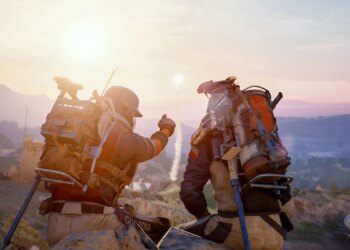
He said that he has seen how command teams have “put those lessons in place and how they are taking steps to protect their soldiers, to protect the critical systems of Patriots and sensors, protection, camouflage, deception, all of that.”
Officials with the 32nd Army Air and Missile Defense Command told Business Insider that observations and lessons from Ukraine are shared with its headquarters at Fort Bliss, Texas, where training materials for air defense soldiers are updated. The information is also shared with the larger Army and industry partners.
The 32nd Army Air and Missile Defense Command recently transferred to Army Space and Missile Defense Command and is tasked with missile defense planning across different regions. Its responsibilities include both active defenses, such as intercepting incoming missiles, and passive measures, such as camouflage and dispersal, as well as coordinating intelligence and command-and-control.
Rafferty and other officials said that the US war with Iran, which has stress-tested American air defense units, is providing valuable data on air defense. According to Rafferty, roughly 2,500 soldiers from his command are deployed to the Middle East, including both air defense formations and space specialists.
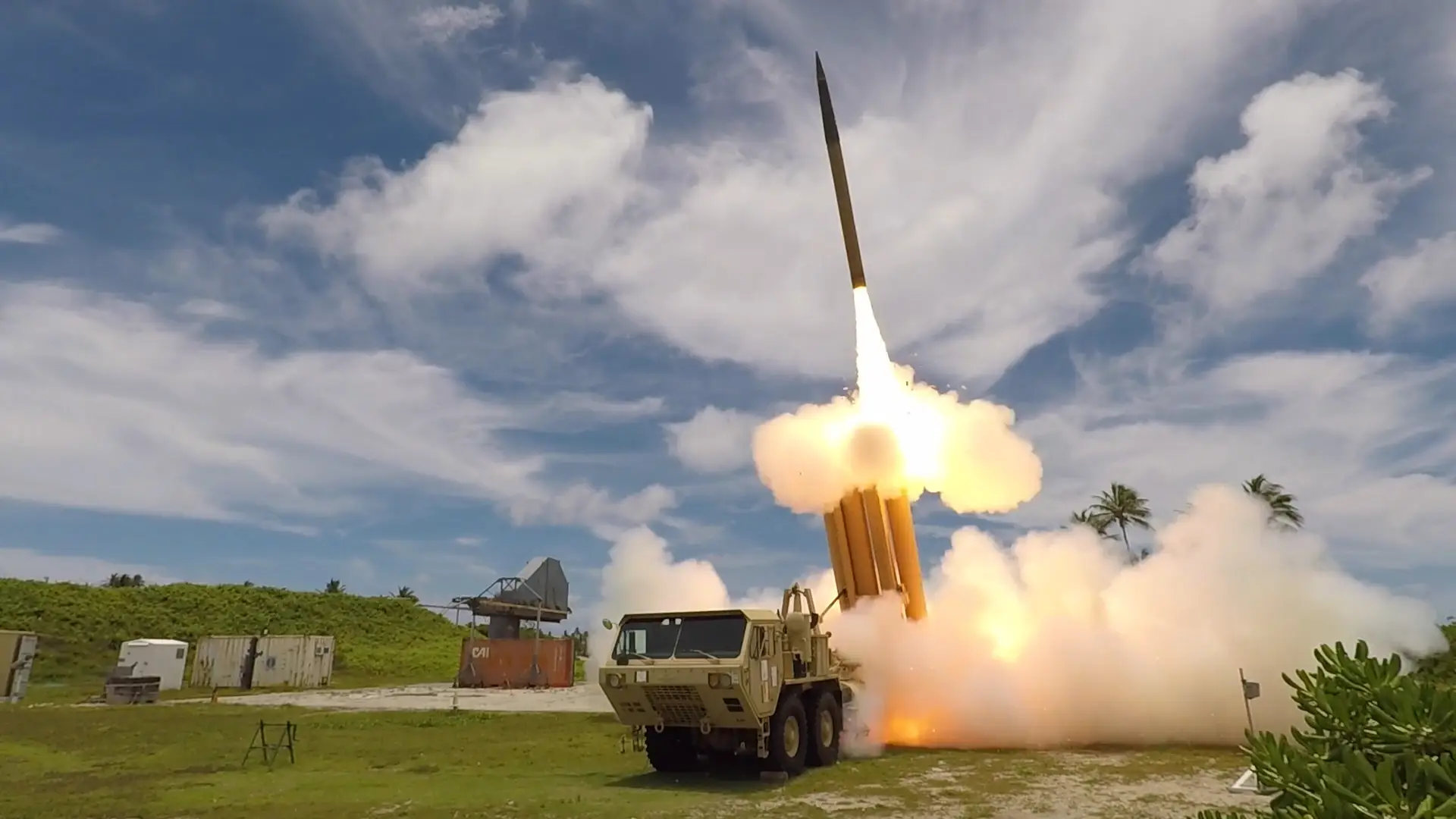
He said that roughly 25% to 30% of the command’s air defense formations are deployed. These forces consist primarily of Patriot units and Terminal High Altitude Area Defense anti-ballistic missile defense crews.
“We’re taking the things that we’re seeing in the Middle East and feeding it back to the other brigades in the formation,” Col. Matthew Ingils, deputy commanding officer for operations with the 32nd Army Air and Missile Defense Command, said.
Lessons include “the types of threats” as well as “the scale, the scope, the complexity of what we’re seeing,” and then training new formations on that insight so that individual soldiers who join an air defense unit can quickly catch up.
The conflicts in Ukraine and the Middle East present different challenges, giving the Army a broader range of lessons to incorporate into its training.
To prepare to counter new threats or employ new tactics, soldiers use combat simulations that are being updated with lessons from the Middle East and Ukraine.
Current conflicts have shown the Army and broader US military that air defenses are essential for intercepting missiles and drones, protecting critical assets, and challenging aircraft.
Heavy expenditure of air-defense interceptors and other munitions, however, have raised concerns about whether the US is sufficiently stocked for future fights.
At the same time, air defenders themselves have become priority targets for enemy forces, making dispersal, camouflage, and mobility increasingly important to their survival.
Read the original article on Business Insider
The post The US Army is learning hard lessons from Ukraine and the Middle East on how to prepare and protect air defenders appeared first on Business Insider.