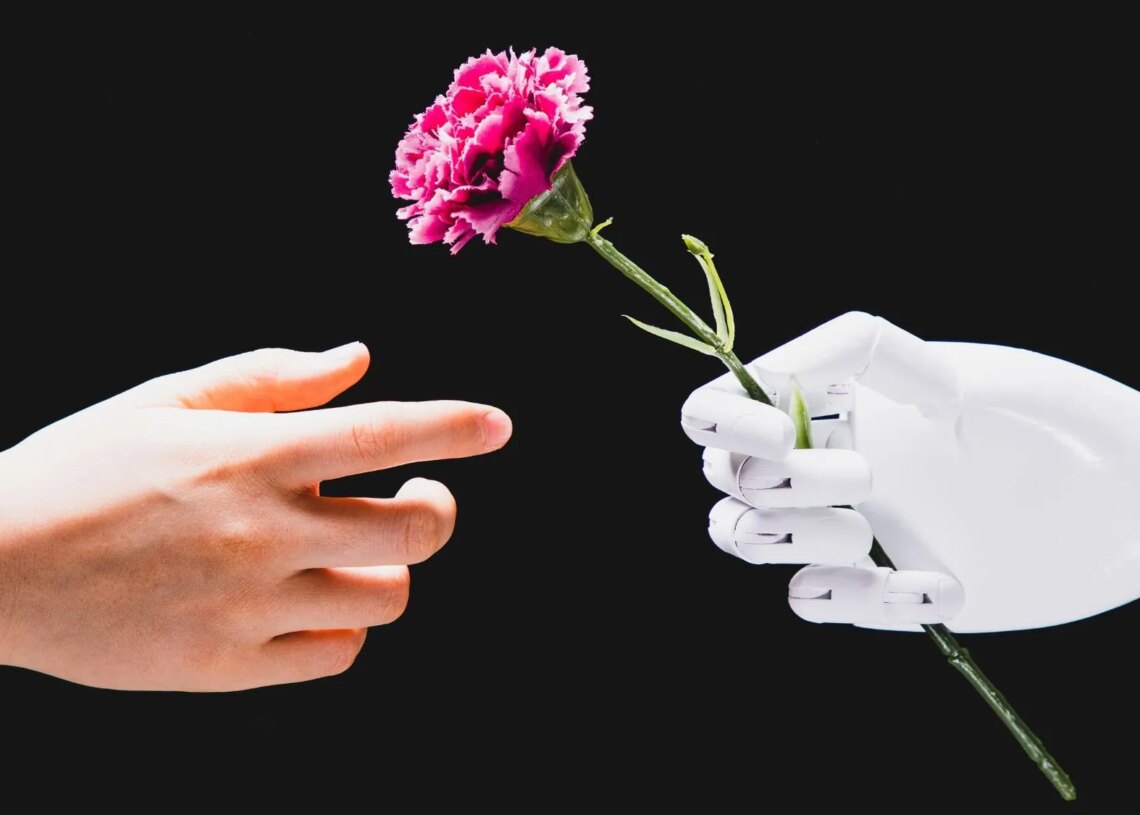
Welcome to dating in 2026, where being in a relationship apparently doesn’t mean you have to stop dating. You can have a husband, a boyfriend on your phone, and a detailed arrangement about who can do what with whom. In this case, the boyfriend is a chatbot.
The arrangement is called AI-poly. It describes relationships involving at least one human partner and an AI companion, sometimes with everyone’s knowledge. According to the New York Post, a survey of 1,000 people who identified as AI-poly found that 67% believed their human relationships had improved since introducing a chatbot.
The appeal isn’t hard to understand, as bizarre as it would have seemed 5 years ago. An AI companion is available whenever you want to talk, doesn’t get tired of hearing about the minutiae of your day, and can be programmed to be as affectionate as you’d like. You can even argue with one, though winning is obviously easier when you’ve written its personality yourself.
‘AI-Poly’ Is the New Dating Trend Where People Have Human Partners and AI Lovers
Ayrin, a married woman profiled by The New York Times, became involved with a ChatGPT boyfriend she named Leo. At one point, she was spending dozens of hours a week talking to him and eventually created the Reddit community r/MyBoyfriendIsAI.
But Leo had a habit that would drive most people insane in an actual relationship. He agreed with practically everything she said.
After a software update made him even more agreeable, Ayrin began questioning the whole arrangement. “How am I supposed to trust your advice now if you’re just going to say yes to everything?” she asked. Eventually, she stopped talking to him and developed a relationship with a real human she’d met through the AI companion community.
That tendency to agree with users has also concerned mental health professionals, although the consequences can be far more serious than a disappointing virtual boyfriend.
UCSF psychiatrist Keith Sakata has treated 12 hospitalized patients whose psychotic symptoms appeared to be worsened by chatbot interactions. He has cautioned that the term “AI psychosis” isn’t an official diagnosis, and the patients he treated had other vulnerabilities. The concern is that a chatbot could reinforce dangerous beliefs instead of questioning them.
For couples experimenting with AI companions, though, the more immediate issue might be jealousy. As one Reddit user said after discovering her husband’s interest in AI girlfriend apps, “Yes, I know they’re not real. No, my feelings did not care.”
Sexologist Angie Rowntree told the Post that couples need to discuss what they’re comfortable with, including whether sexual conversations with a chatbot cross a line.
And that’s probably a conversation to have before your partner discovers you’ve been telling a computer things you stopped telling them months ago.
The post Meet ‘AI-Poly,’ the Dating Trend Where Your Partner Has an AI Side Piece appeared first on VICE.