NATO member Latvia is building a wall of automated anti-drone defenses along its border with Russia, with human soldiers responsible only for deciding when and whether to fire.
It aims to detect and neutralize “any drone which flies in,” defense minister Raivis Melnis told Business Insider. And the goal, he explained, is to “build an autonomous system” that leverages the technology to “reduce the number of soldiers” required “to operate those systems.”
“The only thing which will be left for the soldier is the final decision to neutralize,” he said. “Otherwise, detection, tracking, and launching, that’s autonomous.”
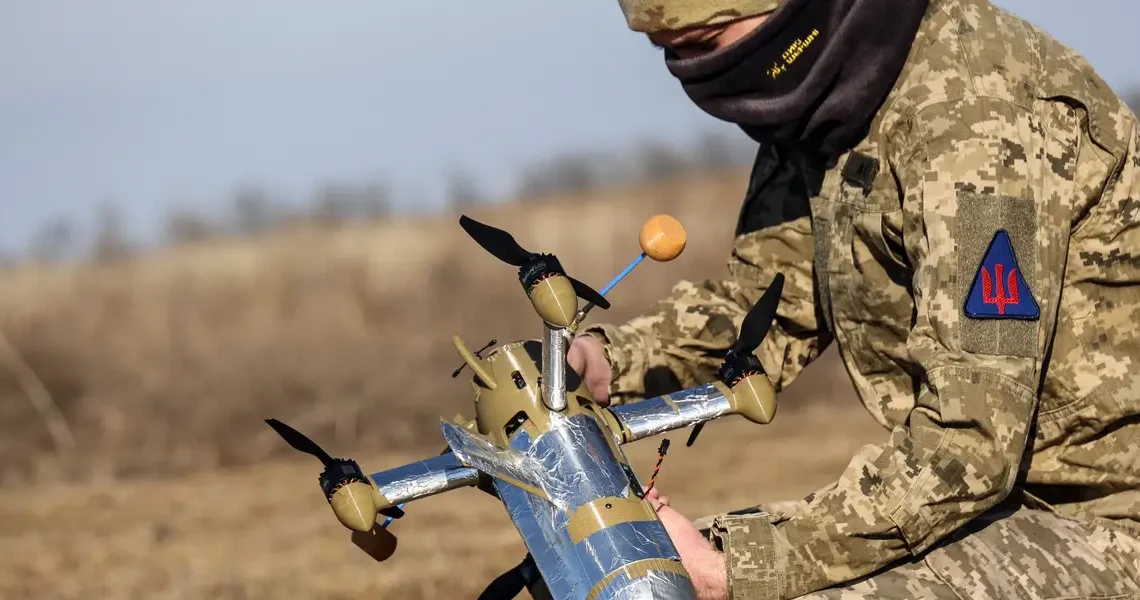
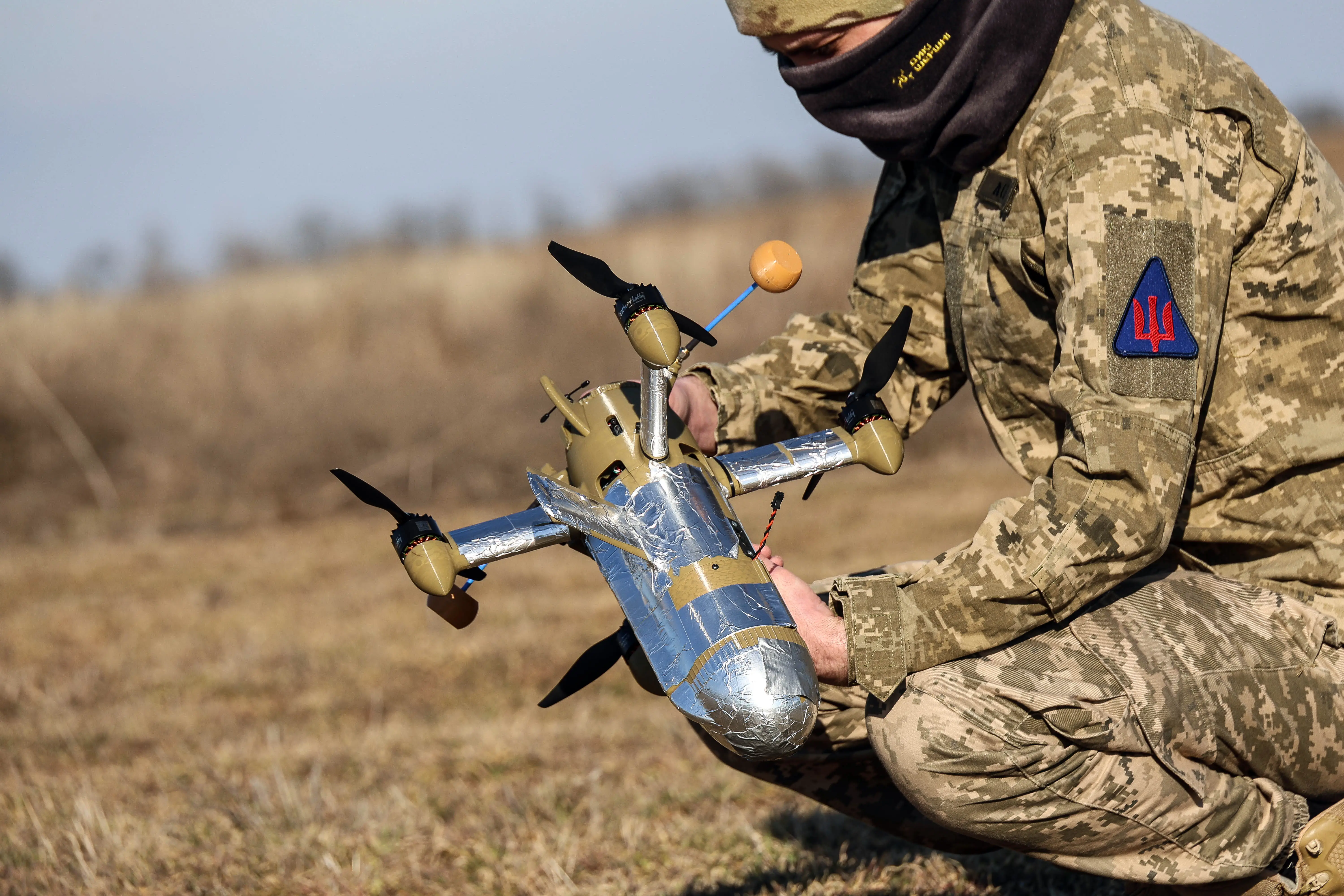
Latvia’s decision comes as automation is becoming increasingly common in weaponry and defense tech, including in Ukraine, where technology has advanced to enable AI and computer vision to find targets, fly drones, and drive robots even when connectivity with an operator is lost.
Latvia wants this kind of autonomy across its new network of radars, sensors, command-and-control systems, and interceptor drones.
As a neighboring country, Latvia is particularly concerned about the possibility of Russian aggression. It has reported multiple drone incursions. These have included drones that it said were Russian or that had entered its airspace as a result of Russian electronic warfare.
Latvia, a country of fewer than 2 million people, sees automation as a way to boost its combat power without more troops. Ukraine has made the same calculation, using increasingly autonomous weapons to help offset Russia’s larger military.
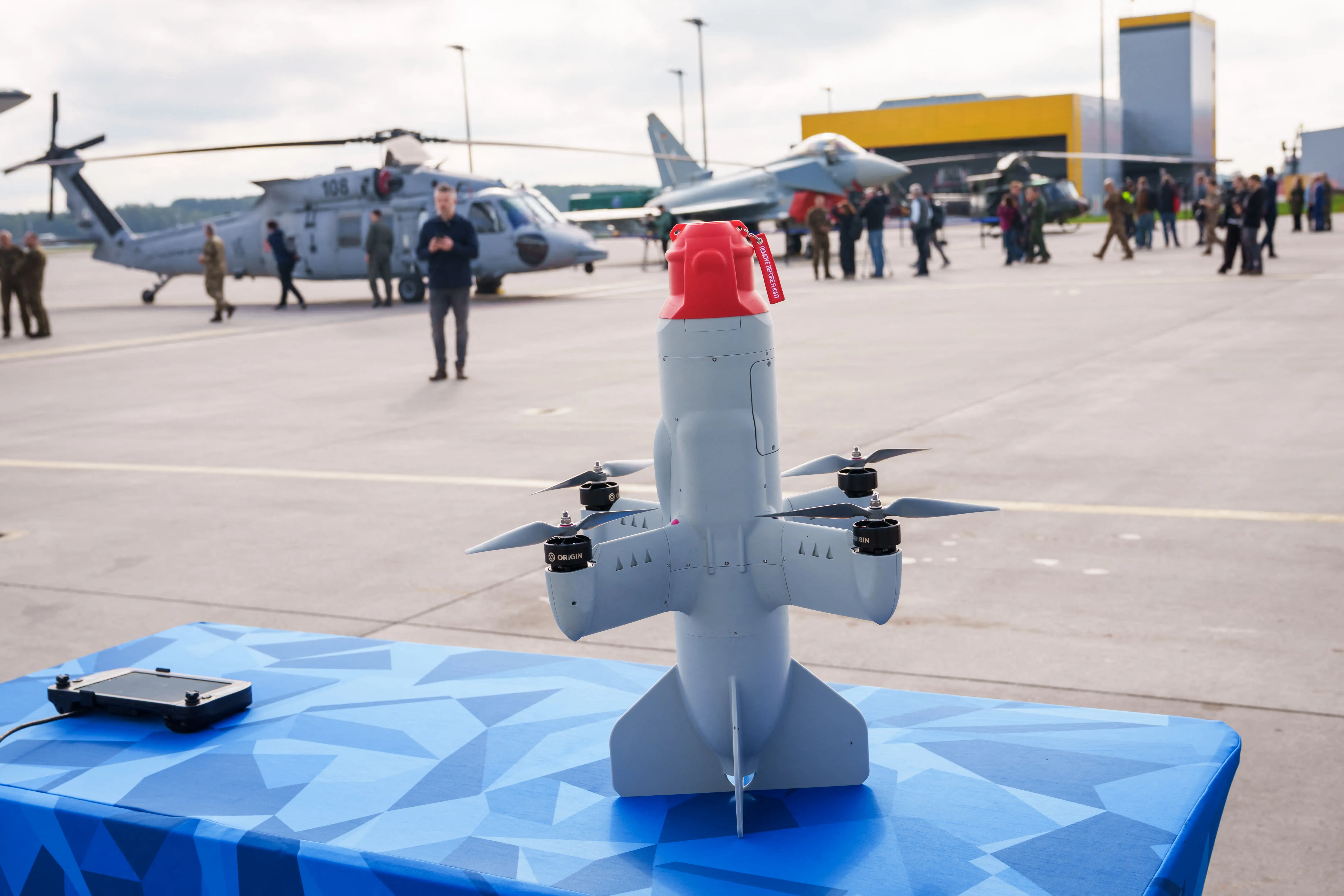
Agris Kipurs, CEO of Latvian drone maker Origin Robotics, previously told Business Insider that the smaller, front-line NATO nations need systems that let fewer operators do more. “And pretty much the only answer to that is autonomy,” he said.
The company makes drones used by Ukraine’s military. It also makes an AI-enabled drone interceptor called Blaze that has been bought by multiple NATO militaries.
Latvia’s new defensive project is directly inspired by Ukraine, which has developed cheap weaponry like interceptor drones to combat Russia’s attacks. Latvia has been one of Ukraine’s strongest supporters and one of the militaries most keenly adopting battlefield lessons from its fight.
Melnis said that interceptor drones have proved to have a “really high reliability and kill ratio in Ukraine, where the Ukrainians are fighting” one-way attack drone bombardments.
Ukraine is increasingly relying on autonomy to allow systems to decrease the cognitive load on soldiers while strengthening the defense overall.
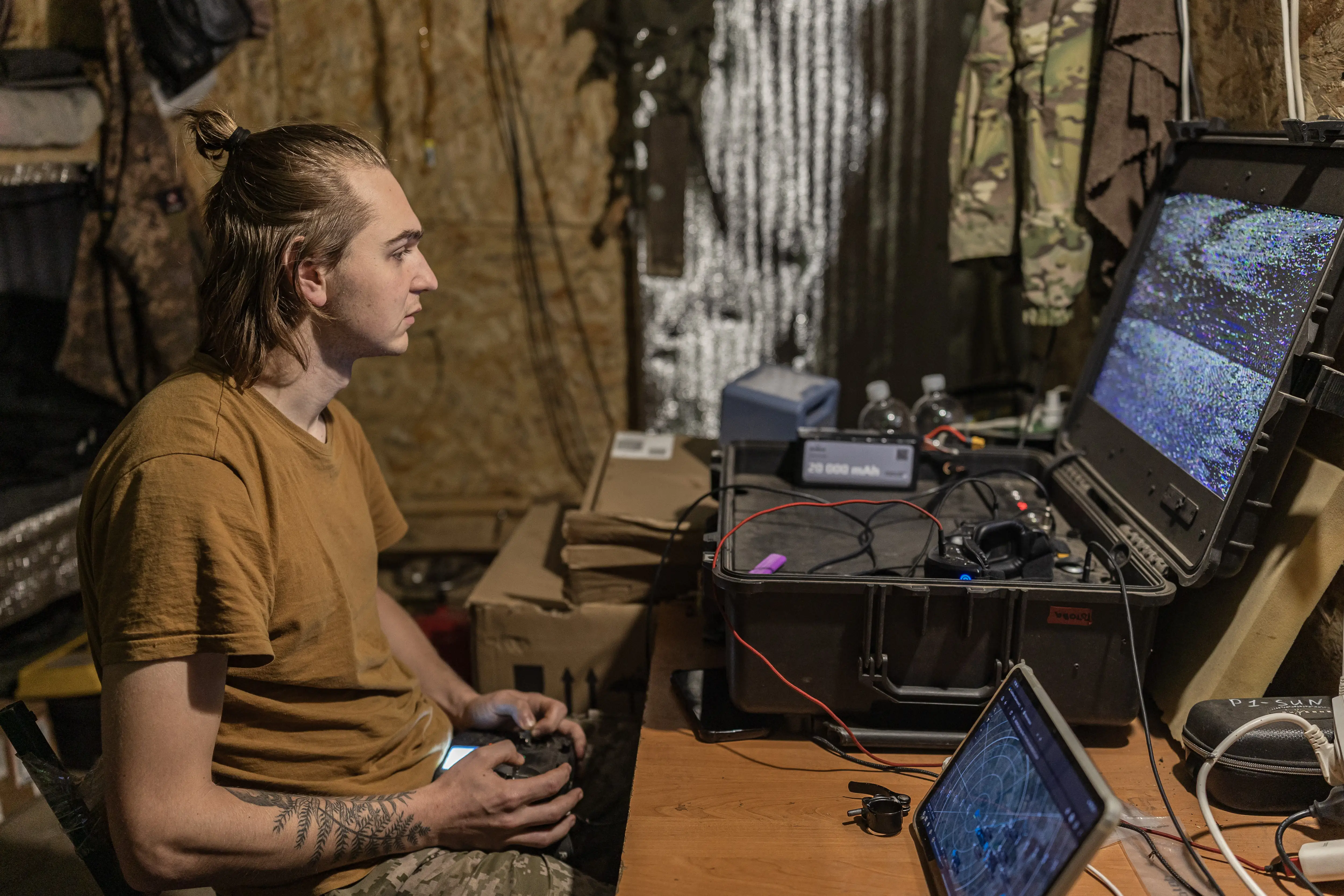
Automating processes reduces the demand for human input, though they remain important for engagement and kill decisions.
Tech used on the battlefield is becoming increasingly autonomous; however, there are still limits to how much they can act beyond human control. Ukraine says that it will also keep humans involved on principle, giving them the final decision whether to engage.
Latvia, Ukraine, and other allies want to use these kinds of anti-drone defenses because they’re so much cheaper than traditional, expensive methods like missiles. Those defenses are not sustainable as the only solution against the masses of cheap drones.
Melnis said that it’s key to have a “cheap but reliable system” to stop drones. Latvia is using “modern technology and a cheap technology in comparison with a missile,” he said.
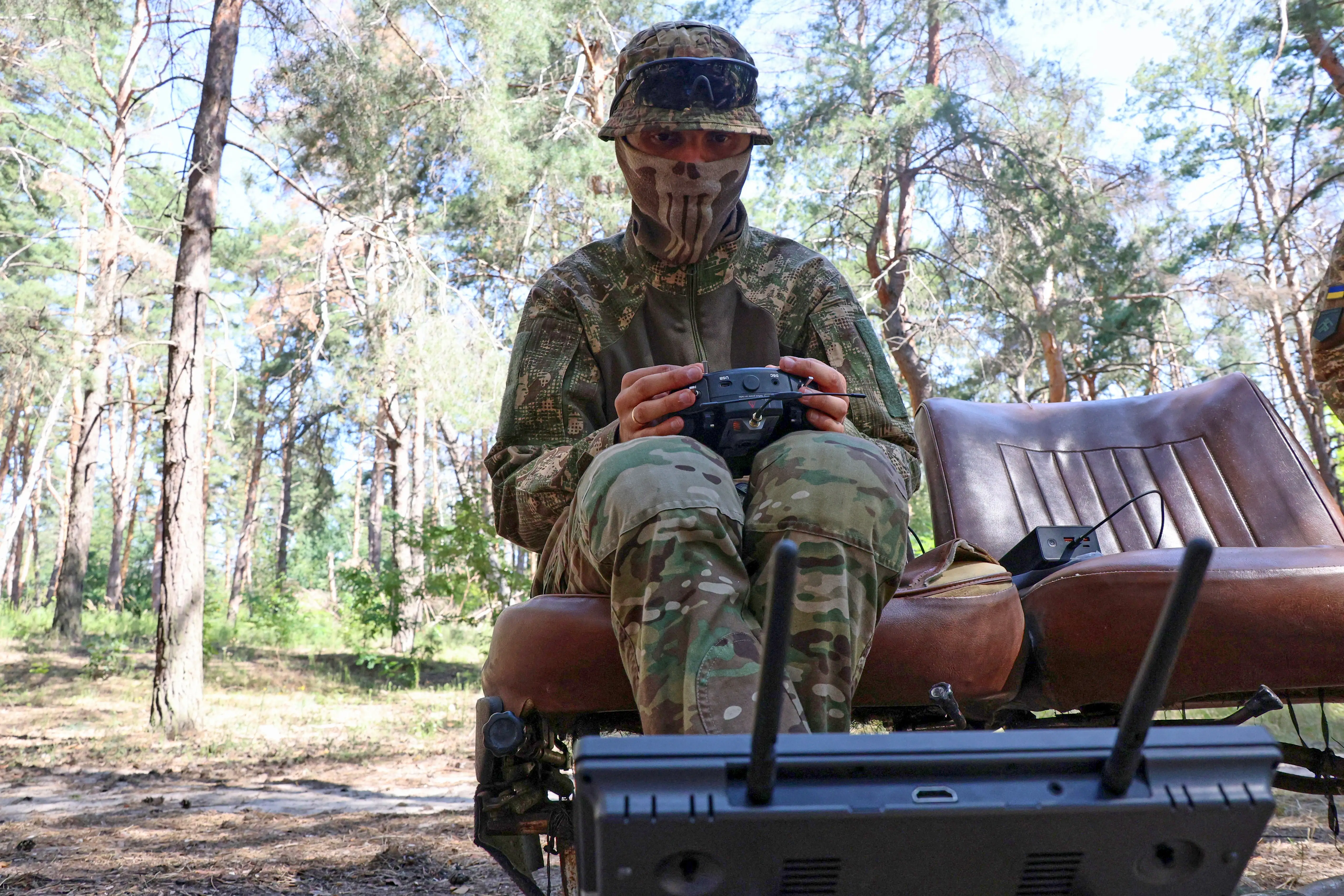
Allies are buying and developing these cheaper anti-drone systems. NATO Secretary General Mark Rutte said in June that “long-term we cannot continue by shooting down drones with very costly interceptors, so we have to find interception techniques which are of the same costs as the drones.”
Latvia and other NATO allies have used fighter jets like F-35s, F-16s, and Rafales to shoot down drones entering their airspace with expensive air-to-air missiles. Melnis said the new system is designed to make jets a backup, serving only as “the secondary means” of stopping any drone that penetrates the wall.
Melnis said the anti-drone wall is important for more than just his country’s defense. The “border is not a Russian-Latvian border,” he said. “It is a Russia-NATO, Russia-Europe border.”
He said that while this stretch of border is between Russia and Latvia, “we are NATO, and we are a European Union country.” Any drone that crosses the border, he said, “that’s the drone coming into NATO airspace. That’s the drone coming into Europe.”
Read the original article on Business Insider
The post A NATO ally is building automated defenses against Russia’s drones to let fewer soldiers do more appeared first on Business Insider.