Robert P. George is the McCormick professor of jurisprudence and director of the James Madison Program in American Ideals and Institutions at Princeton University.
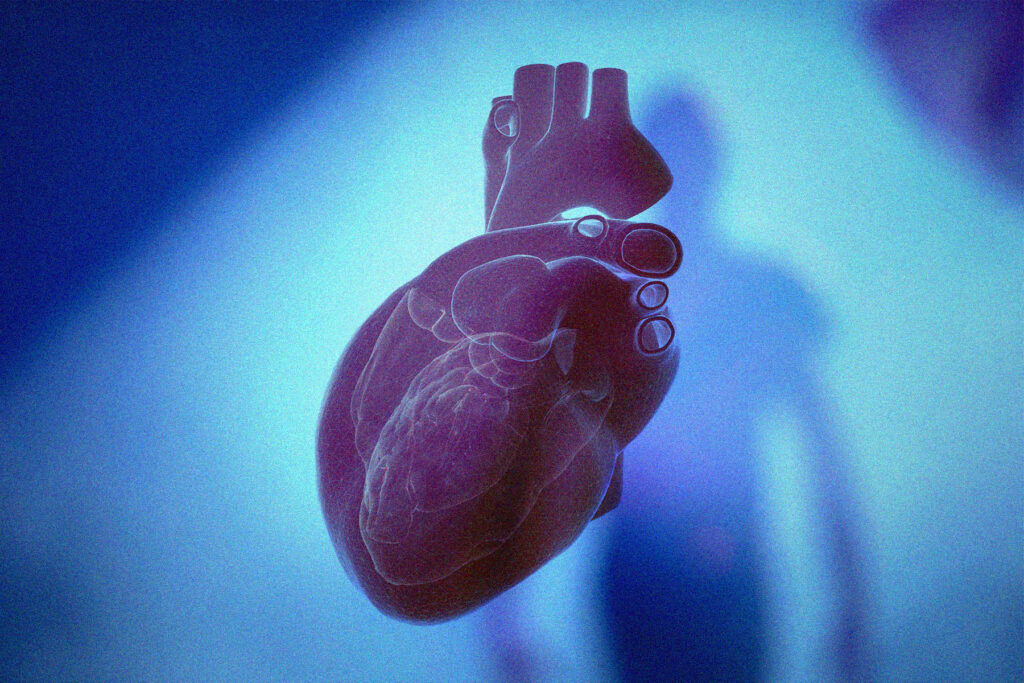
More than 170,000 solid organ transplants are performed each year, yet that constitutes less than 10 percent of global demand. Nefarious actors have long been keen to fill the gap through what international law describes as coercion, deception and abuse of power or of a position of vulnerability. The organ trade is estimated to generate between $840 million and $1.7 billion annually.
Many Americans have heard of the most egregious examples of forced organ harvesting. Communist China has been credibly accused of targeting members of ethnic and religious minority groups, such as Falun Gong and Uyghur Muslims, who are disfavored or regarded as a threat to the state.
The practice is a reality in many other parts of the world as well. Britain’s first successful prosecution for organ trafficking under the Modern Slavery Act took place in 2023. A 21-year-old Nigerian man had been brought to London for what he was told was a new job. In reality, the man’s host, a doctor, was planning to remove one of his kidneys in a private operation for the daughter of a Nigerian senator. Lagos state, in southwest Nigeria, enacted an organ harvesting prohibition law in 2024 in part because of threats of ritual harvesting and human sacrifice.
Closer to U.S. soil, Latin American cartels are getting involved in the illegal organ trade. A tragic case came to light last year in which the Jalisco New Generation Cartel allegedly performed Caesarean sections, killing the mothers to harvest their organs and sell the babies to families in the United States. According to intelligence officials, these infants were exchanged for roughly $14,000 each.
Organ donation can be a lifesaving gift of modern medicine. It must never, however, be an occasion of injustice or an assault on the sanctity of human life. Nor may it be conducted in such a way as to instrumentalize people, in effect treating the lives and well-being of some as worth more than others. Wherever people forget that all human lives have fundamental and equal value, such moral catastrophes abound. The Department of Health and Human Services, for example, recently decertified Network for Hope, a prominent organ donation provider based in Kentucky, because of concerns that “potential donors may not have been deceased at the time organ procurement was initiated.” (The group “strongly disagrees” with the decision and plans to appeal it.)
It was a good news, therefore, that in May 2025 the U.S. House considered H.R. 1503, the Stop Forced Organ Harvesting Act, from Rep. Chris Smith (R-New Jersey). The proposal, which passed by a vote of 406-1, affirms that it will be U.S. policy “to combat international trafficking in persons for purposes of the removal of organs” and to “hold accountable” anyone implicated in the practice. The bill now awaits a vote in the Senate, where it has stalled for months.
It could be that some members of that chamber wonder why Americans should care about violations of human rights in other countries. The answer lies in the Declaration of Independence and Constitution, which recognize that those rights aren’t granted by any government. No merely human authority created them, and no merely human authority may legitimately violate them. Thus, if another country attempts to do so or permits anyone else to, the U.S. ought to take such information seriously as it formulates its foreign policy. The provisions of the Stop Forced Organ Harvesting Act — imposing sanctions, asset freezes, visa bans and passport revocations on those complicit — would make clear that the U.S. opposes the theft of organs wherever it occurs.
That’s of a piece with long-standing policy on similar matters. The U.S. has affirmed the importance of human dignity through international treaties and conventions that oblige us to defend the vulnerable and condemn states that abuse human rights. One of these documents is the Universal Declaration of Human Rights, a great moral achievement in the wake of two world wars. Like our own Declaration, it reminds us that humans have worth — dignity — not in virtue of any special qualities (strength, beauty, intelligence, social standing), but simply because of their humanity. As its first article states: “They are endowed with reason and conscience and should act towards one another in a spirit of brotherhood.”
I’ve seen firsthand how policymakers can protect human dignity in practice. In 2015-16, when I served as chairman of the U.S. Commission on International Religious Freedom, we successfully called on the State Department to continue designating all severe violators of religious freedom as “countries of particular concern,” including China. We even addressed the subject of organ harvesting in China, especially the targeting of Falun Gong members, though we didn’t know nearly as much as we know now about the scope of the evil, such as the additional targeting of Uyghurs, Tibetans and Christians.
Identifying countries in this manner gives the government a toolbox of policy options to pressure offenders. The Stop Forced Organ Harvesting Act would do the same to individuals and entities that are complicit in such abuses.
The bill, then, is a model: a way to protect potential victims wherever abuse occurs and to show our allies how to preserve the dignity of the vulnerable. It should wait for passage — without any watering down of its provisions — no longer.
The post The U.S. can’t ignore the horrors of forced organ harvesting appeared first on Washington Post.