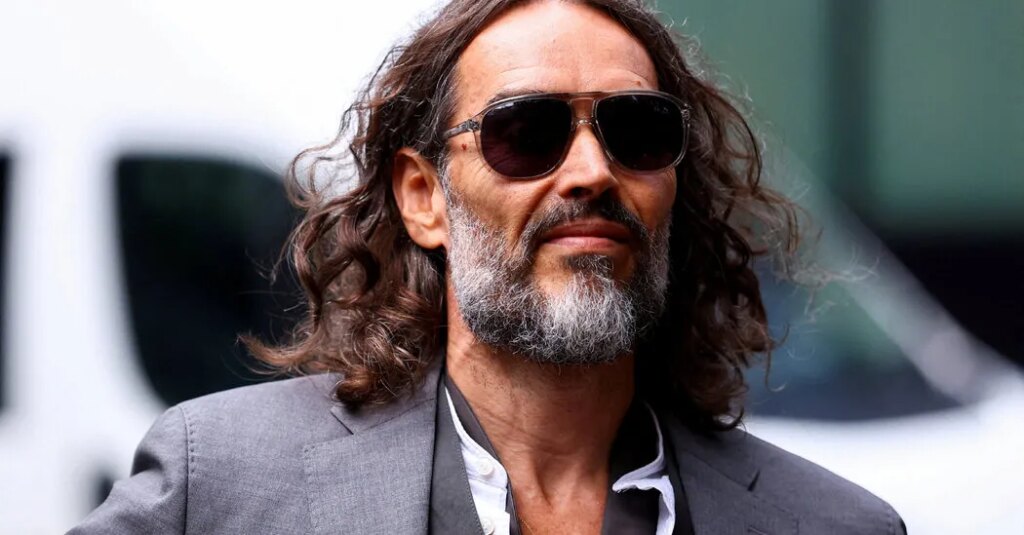
Russell Brand, the firebrand YouTuber, comedian and actor, is scheduled to appear in a London court on Monday for the start of a weekslong trial on charges of rape, sexual assault and indecent assault.
Mr. Brand, 51, faces seven charges related to incidents that the prosecution says involved six women. Prosecutors say the events occurred from 1999 to 2009, a period when Mr. Brand became a star in Britain as a standup comedian and television and radio presenter.
In two previous hearings, he pleaded not guilty to all of the charges, and last year he said in a video posted to his social media channels that he had “never engaged in non-consensual activity.”
Here’s what to know as the trial gets underway.
What are the accusations?
Prosecutors accuse Mr. Brand of raping a woman in a hotel room during a 1999 British political party conference, orally raping another woman in 2004 and raping a third woman in 2009.
Mr. Brand is also charged with sexual assault and indecent assault over incidents that prosecutors say took place in Britain. Full details of those accusations are expected to emerge during the trial.
What has Russell Brand said in his defense?
Mr. Brand has repeatedly denied ever having non-consensual sex, and has already pleaded not guilty to the charges.
In an interview with the journalist Megyn Kelly this year in which Mr. Brand discussed the trial, he said that although he had once been a sex addict, all of his past behavior “was consensual and therefore noncriminal.”
How will the trial proceed?
On Monday, the trial begins with the appointment of a jury. Later in the week, prosecutors and Mr. Brand’s legal team are expected to set out their opening arguments.
The first witnesses are unlikely to give evidence before Oct. 19.
The trial is scheduled to last up to 10 weeks, so the jury might not give any verdict until December.
How does British law affect reporting of the trial?
In Britain, anyone who makes sexual assault accusations has the right to lifelong anonymity, which means the news media is not allowed to report any details that might identify the accusers.
Under strict British laws aimed at preventing jury bias, reporters are restricted to reporting only what happens in the courtroom while a trial is underway.
The post Russell Brand’s Rape and Sexual Assault Trial: What to Know appeared first on New York Times.