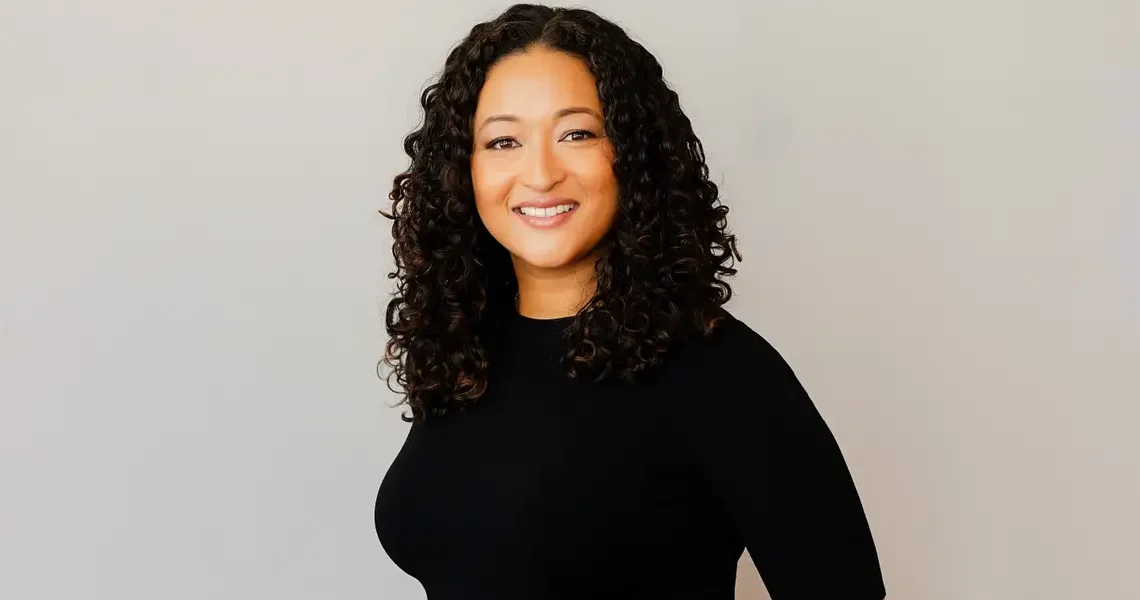
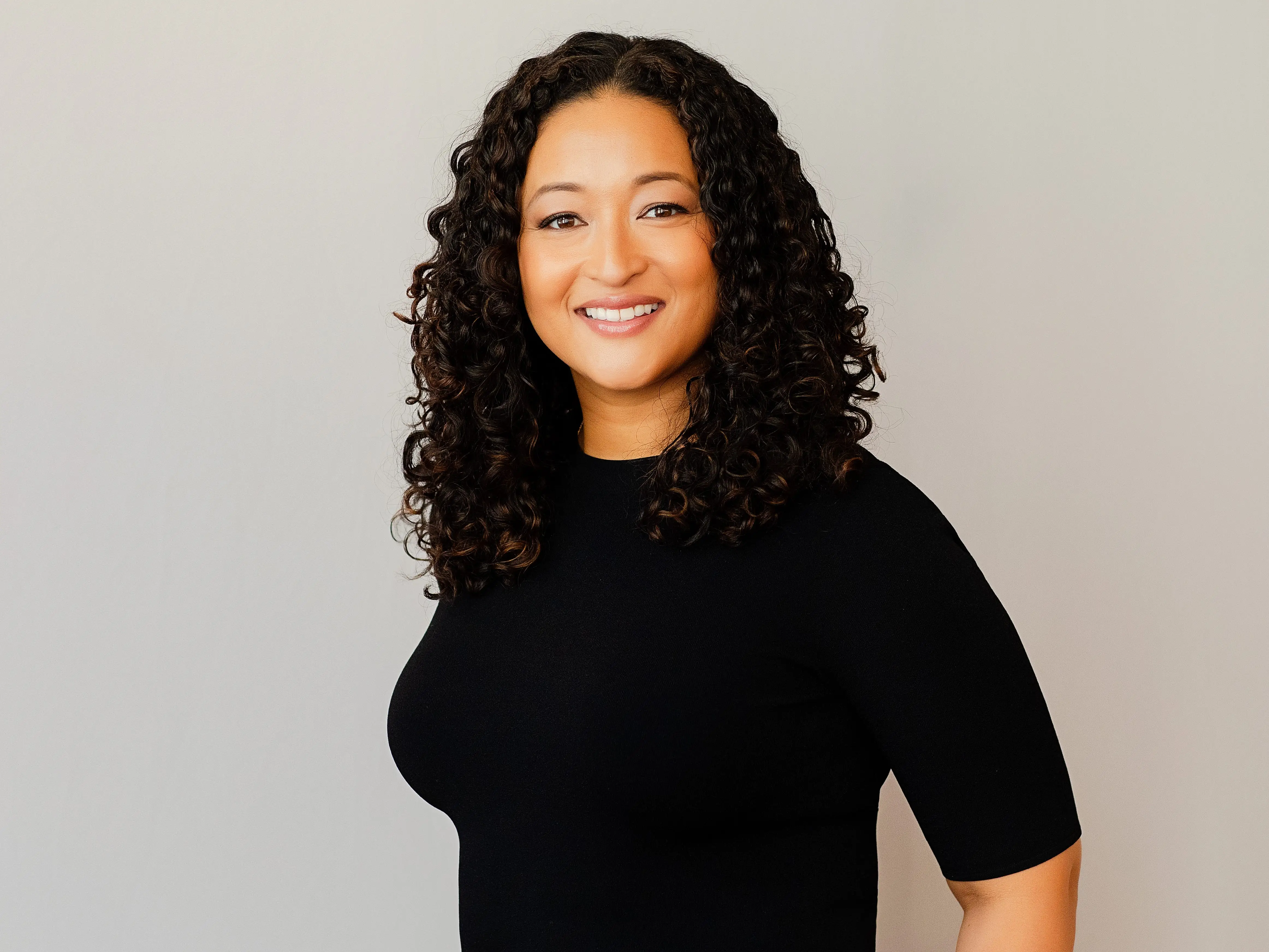
This as-told-to essay is based on a conversation with Denise Woodard, founder and CEO of Partake Foods. The following has been edited for length and clarity.
I spent my career in consumer packaged goods and spent significant time at The Coca-Cola Company. Then my daughter Vivienne came along.
She’s 11 now, but right around her first birthday, we had a couple of scary incidents that alerted us to the fact that she had multiple life-threatening food allergies. She was allergic to foods I consider to be super simple: eggs, tree nuts, bananas, and sesame.
I started to realize that food allergies were going to become a big part of our everyday lives. I was really frustrated with the options from a taste and nutritional perspective. Most of all, I thought about how, emotionally, she wouldn’t be able to partake in so many social events like birthday parties, playdates, and school snack time, and that she’d always feel excluded and othered.
I wanted to create a solution for that.
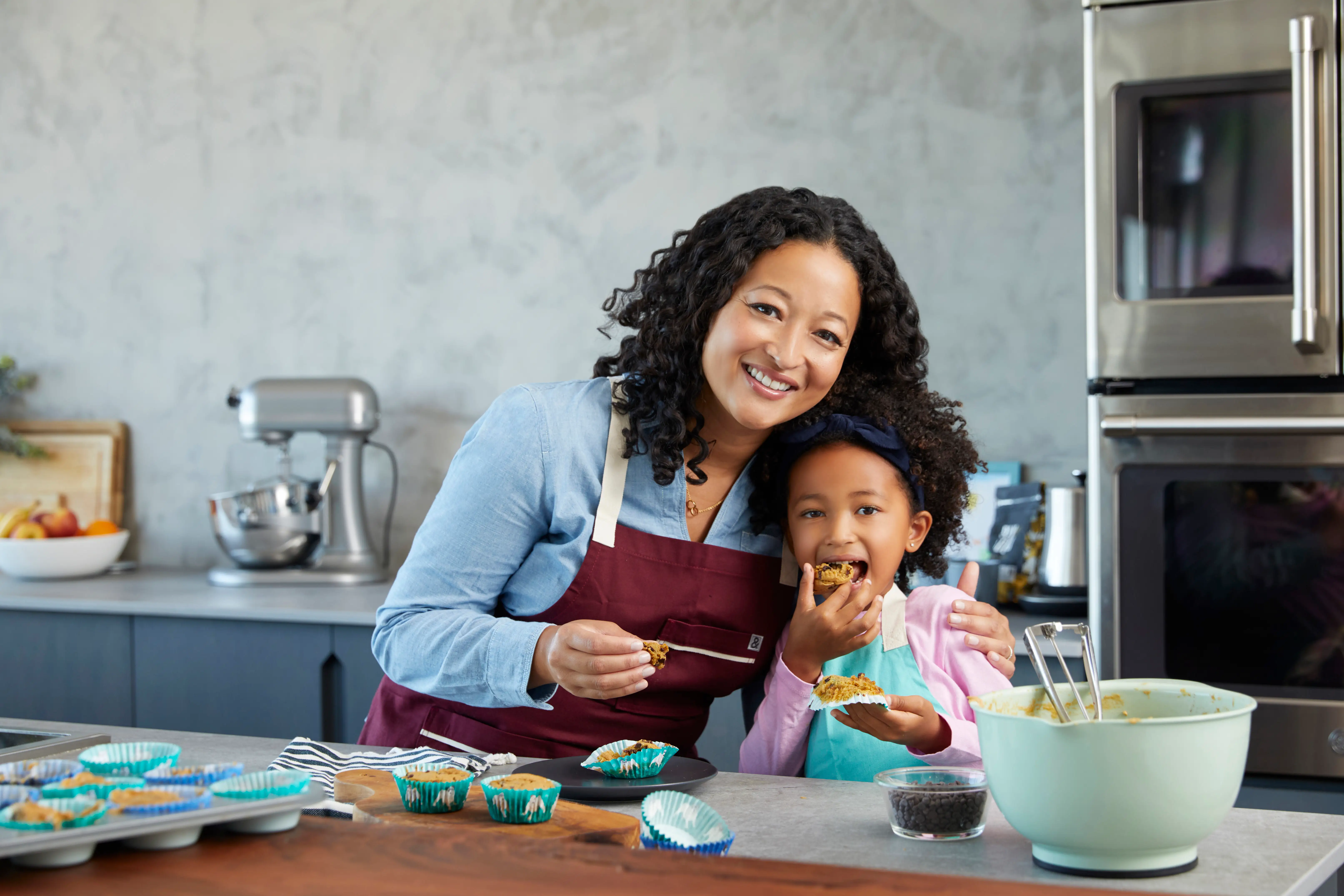
In June 2016, I incorporated my food company as Vivi’s Life LLC, because I just wanted to make my daughter’s life easier.
I was knocking on doors, selling cookies out of my car
We officially launched in the New York market, in independent stores, in August 2017, and from then all the way through 2019, I was knocking on doors and selling cookies out of my car.
Our marketing strategy was super grassroots: local trade shows and events, and demos in grocery stores. We didn’t have any extra dollars, and those things cost our family time. It was a full-family adventure. We used to drive around with a demo table in the back of our car, and if we were in the city for the day and went to a store that wasn’t selling cookies, we would literally pull up and do a demo in that moment.
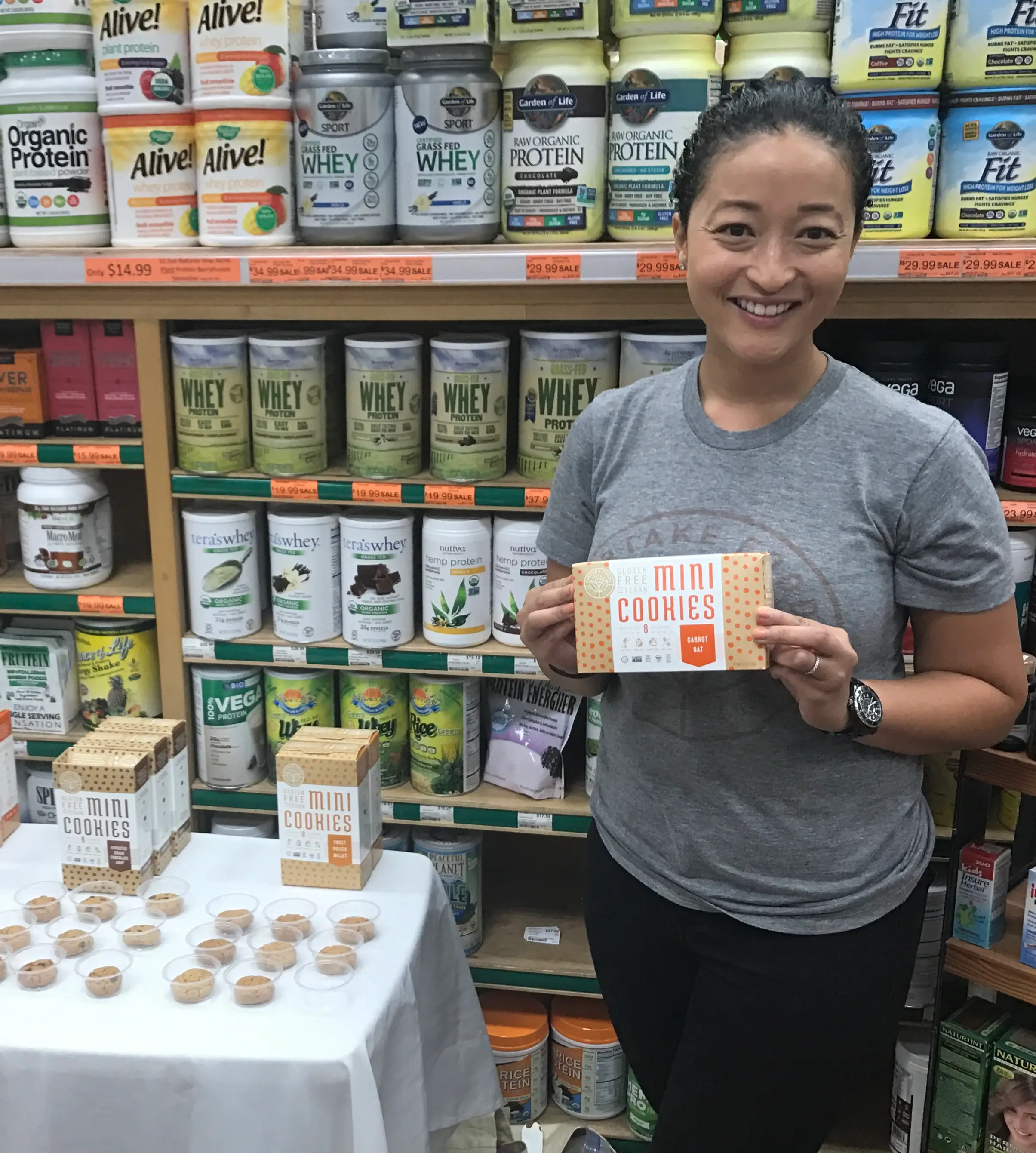
The storytelling and the tasting of the product were our entire marketing strategy for the first couple of years. Even as we’ve scaled and moved away from demos, storytelling is such a huge part of the business, and not just the consumer marketing.
When I think about how we got our first investors on board, like Marcy Venture Partners, the fund that Jay-Z co-founded, it was the storytelling of why I was doing what I was doing and what I wanted it to stand for that sold them.
If I were launching today, I’d still lean into a grassroots approach, but there are more scalable ways to tell your story now. There are only so many people I could talk to in a natural foods grocer in New York, whereas on TikTok, millions of people can literally see your story.
As the world gets more automated, I think human touch and storytelling are even more valuable.
I ran into one challenge that could’ve killed my small business
When we had an opportunity, we went after it, and I think we went after it too boldly in terms of distribution. In 2019, we were in 300 stores, doing $350,000 in revenue. We finished 2020 in 5,000 stores, doing 10 times that amount, and then we doubled our door count after that.
It costs money, and it takes infrastructure and process, and it requires brand awareness that we couldn’t pay for. That became an almost deadly challenge for the business. Rather than jumping in both feet first, we should have waited to prove some things out.
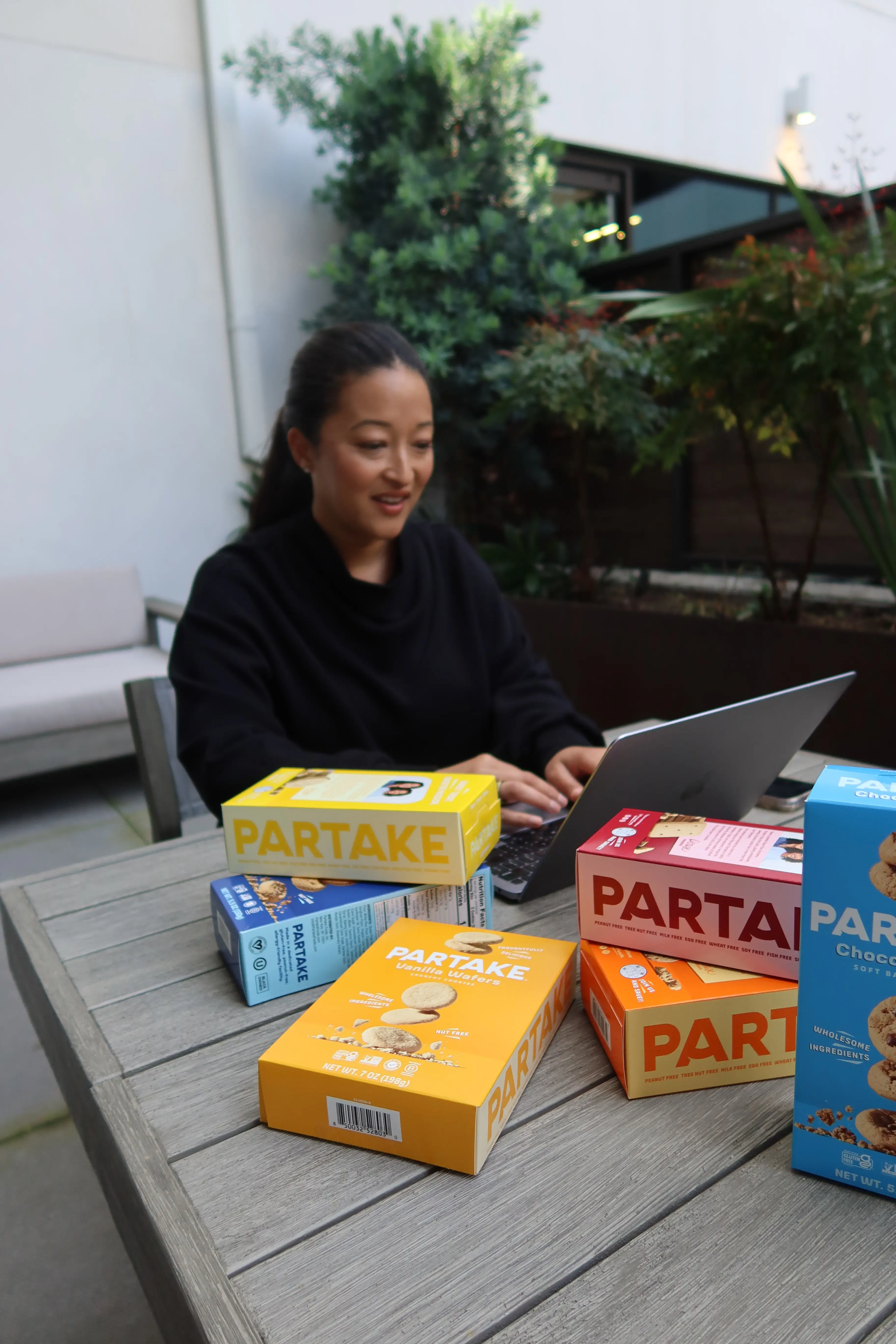
Like so many startups, we also got caught up in a growth-at-all-costs mentality. So many investors and other founders shooed away the focus on unit economics: you’ll get profitable when you scale. Then the market turned, and all of a sudden it was profitable at all costs. That’s not a switch you can flip on and off without affecting people’s careers and the trajectory of the business.
I wish I had taken a more temperate approach.
I’m still working on trusting my own intuition
It’s really important to get multiple perspectives, but as the founder, I know more about this business than anyone else. Someone’s years of experience doesn’t equate to them having more knowledge than you do about what’s right for your business.
Sometimes the advice wasn’t even given to me. I have such admiration for what Daniel Lubetzky built at KIND and Hamdi Ulukaya built at Chobani, but both of those were in a very focused category. I watched their journeys and then applied the way they built to my own company in a way that I shouldn’t have. We’re operating in a very different category. And I wish that we had innovated sooner.
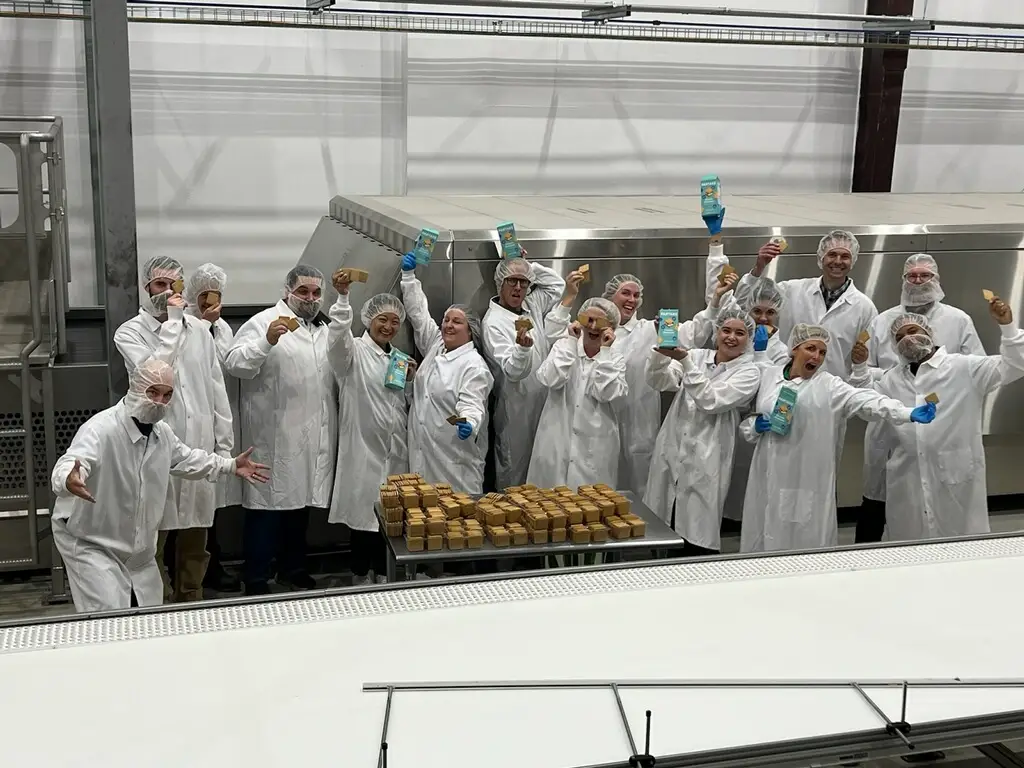
Now Partake Foods is launching a protein and fiber granola later this fall and soft-baked individually wrapped cookies in Q1 of 2027. Protein is on fire in all the data, and fiber-maxing is the next hot thing.
The cultural capital of your business is more important than the size
In September, we announced that the Girl Scouts cookie program chose to partner with us, and the cookies will be available for purchase from the Girl Scouts’ Digital Cookie mobile app in January 2027.
The Girl Scouts program is over 100 years old. I’d argue they probably have their choice of partners, but I think they chose us because of the brand equity we’ve built with the food allergy community. This has taught me that just because you’re not the biggest company doesn’t mean you don’t bring value to much larger partnerships.
To me, cultural capital is what’s important. It’s when a person or brand has earned enough relevance, trust, and authenticity that they don’t just participate in culture — they have the ability to move it. For Partake, the cultural capital I want us to build is around inclusivity.

We started with food allergies, but I’ve always believed the idea is much bigger than that.
Our board is 80% women of color, the team is extremely diverse, and we have a 501(c)(3) aimed at increasing diversity in the food industry. It’s all around this ethos of building a bigger table. I have this plus-one mentality: How can you always bring one more person into the room, make one more introduction? Somebody saying yes or making an introduction has completely changed the trajectory of my business and my life so many times over.
Size doesn’t necessarily matter when it comes to having influence. We slid into Ben & Jerry’s LinkedIn DMs in 2020 when we were a team of five people. In January 2023, we announced our partnership with them to provide the gluten-free oatmeal cookie pieces inside their varieties of Oatmeal Dream Pie available in pints and scoop shops.
I was one person selling cookies out of my car. What business did I have thinking I was going to go find Jay-Z? Dream big and shoot your shot. If you don’t, it’s not going to happen.
Do you have a small business lesson to share? Email the editor, Manseen Logan, at [email protected].
Read the original article on Business Insider
The post I started a cookie business and scaled too quickly. We got caught up in a growth-at-all-costs mentality — here’s how I turned it around. appeared first on Business Insider.