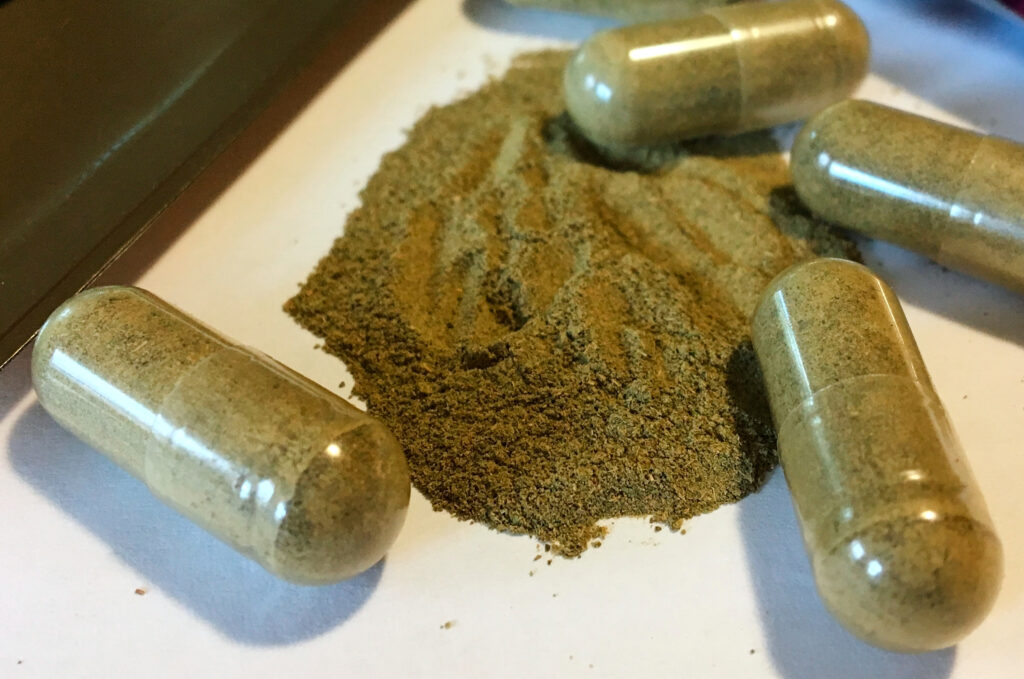
The deaths of two University of Mississippi students potentially linked to synthetic kratom triggered renewed calls to ban the addictive drug. But it remains legal, both federally and in most states, despite mounting evidence of its harms.
That could be changing, though, as state lawmakers move to ban kratom and synthetic versions of it, a Washington Post analysis of state legislation found.
Kratom, an opioid-like drug, has become widely available at gas stations, convenience stores and online retailers. Evidence of its harms has similarly grown: The number of kratom-related poison control reports more than doubled from 2024 to 2025, according to data from the Centers for Disease Control and Prevention.
There’s been a wave of legislation in response: The Washington Post identified more than 400 kratom-related bills introduced in state legislatures since 2015, with a significant uptick in recent years. The Post used an AI classifier to sort the bills based on whether they would ban kratom entirely or establish new regulations.
Many of those bills would regulate kratom rather than ban it outright, The Post’s analysis found. Of the roughly 400 bills, 108 were bans of kratom or its related chemicals, compared with 258 that set age limits, licensing requirements and potency limits, or banned synthetic kratom while keeping natural forms legal.
The tide appears to be shifting. Twenty-five states introduced bills to ban kratom in 2025 and 2026. Many of those bills specifically targeted a synthetic version of the drug that was linked to the Ole Miss students’ deaths in September.
Fewer than 1 in 5 of the kratom-related bills The Post analyzed passed; several remain pending. Kratom is still legal at the federal level, though the Drug Enforcement Administration describes it as one of its “drugs of concern.”
Catch up quickly every weekday morning with a rundown of the 7 most important and interesting stories. Sign up for The 7 newsletter.
The post Kratom, an opioid-like drug linked to deaths, remains legal in most states appeared first on Washington Post.