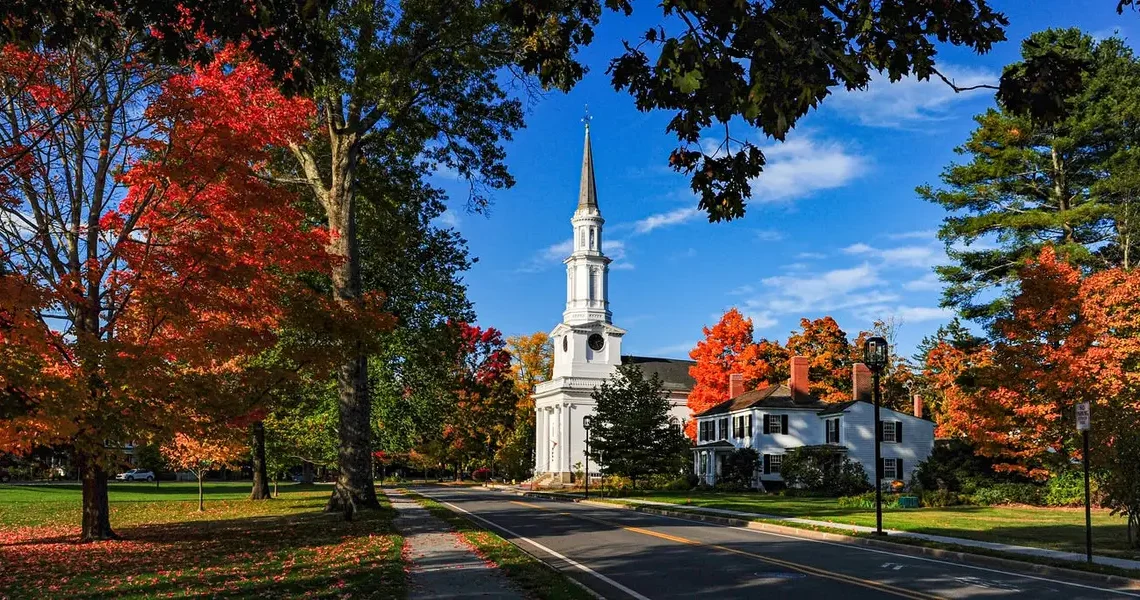
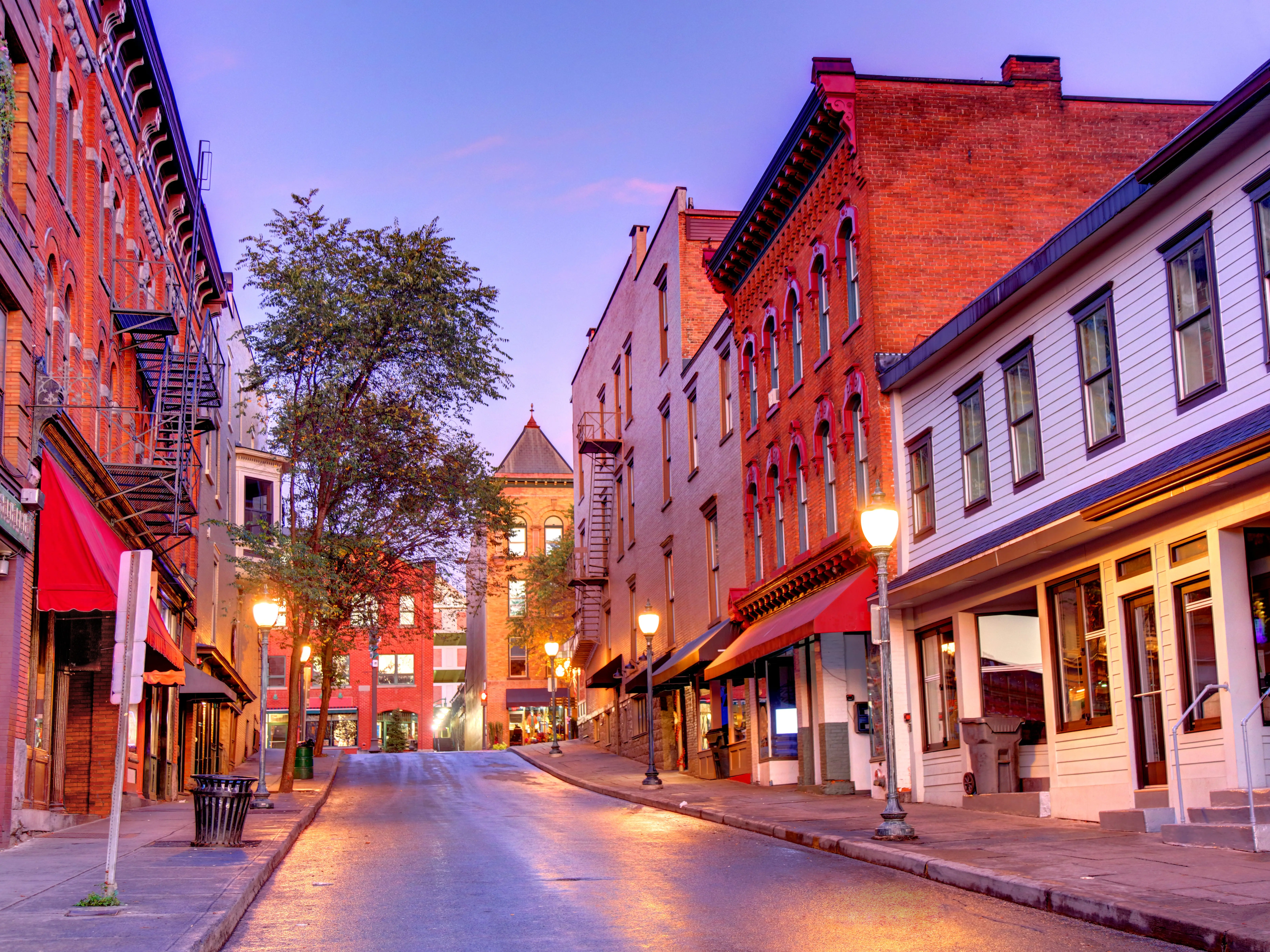
It’s a beautiful day in the neighborhood, especially if you live in one of these 20 small cities.
WalletHub compared more than 1,300 US cities with populations between 25,000 and 100,000 to identify the best places to live.
The analysis evaluated the cities using 45 “key indicators of livability,” and it ranked the cities across five categories: affordability, economic health, education and health, quality of life, and safety.
Within those five categories, it considered different criteria, such as median household income, job growth, unemployment rate, high school graduation rate, average commute time, parks per capita, violent crime rate, and pedestrian fatalities per capita.
For the study, WalletHub used data from sources including the US Census Bureau, Bureau of Labor Statistics, FBI, TransUnion, and the National Highway Traffic Safety Administration, among others.
Here are the 20 best small cities in America.
20. Fair Lawn, New Jersey
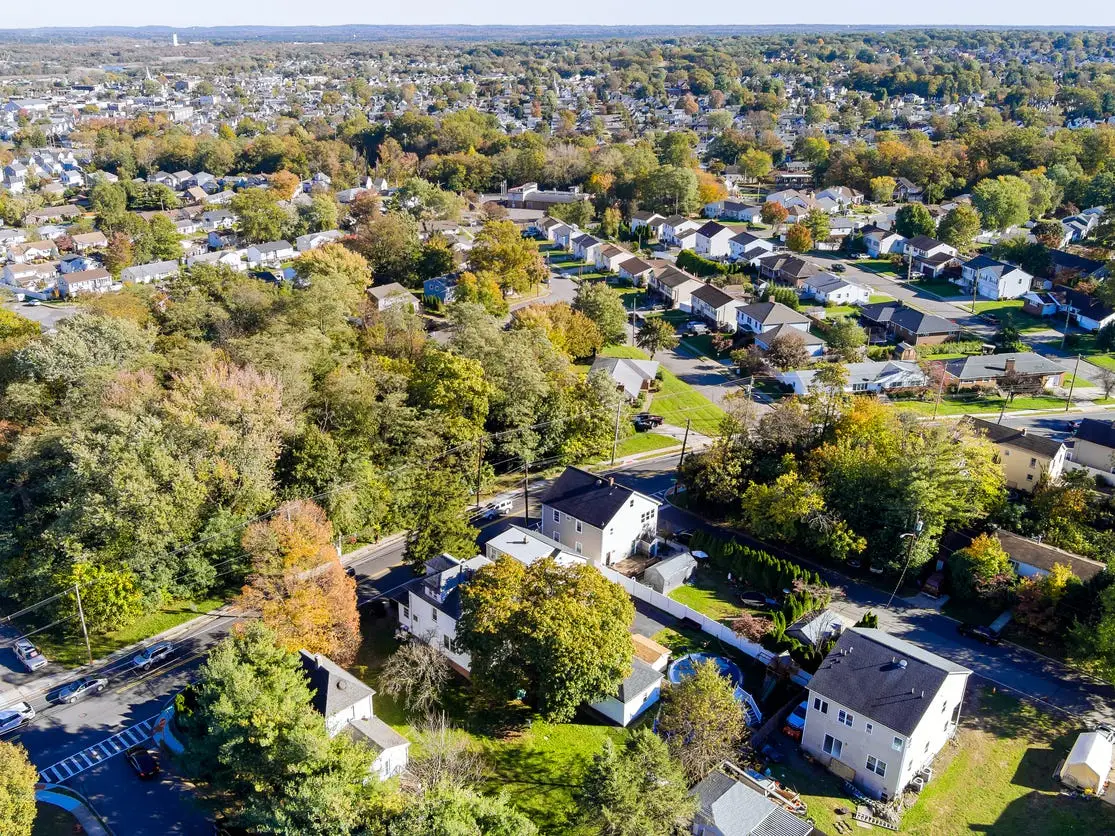
Fair Lawn, a suburb of New York City, has a population of about 37,000.
In WalletHub’s study, it ranked 29th for education and health and 49th for safety.
However, it ranked 806th for quality of life, which considered factors such as average commute time, average work hours, and local entertainment, including bars, clubs, and movie theaters per capita.
19. Glen Ellyn, Illinois

Glen Ellyn is a suburb of Chicago, located due west of the Windy City. About 28,000 people live there.
Glen Ellyn’s highest score was in the affordability category, ranking 51st. The affordability category considered median household income, cost of living, and housing costs, among other factors.
18. Lehi, Utah

Lehi is located on the north shore of Utah Lake, and is about 28 miles south of Salt Lake City and its eponymous lake.
Among all 1,318 cities in the study, it ranked 10th for economic health — which considered factors such as job growth, unemployment rate, foreclosure rate, and median credit score, among others — and 6th for safety.
17. Zionsville, Indiana
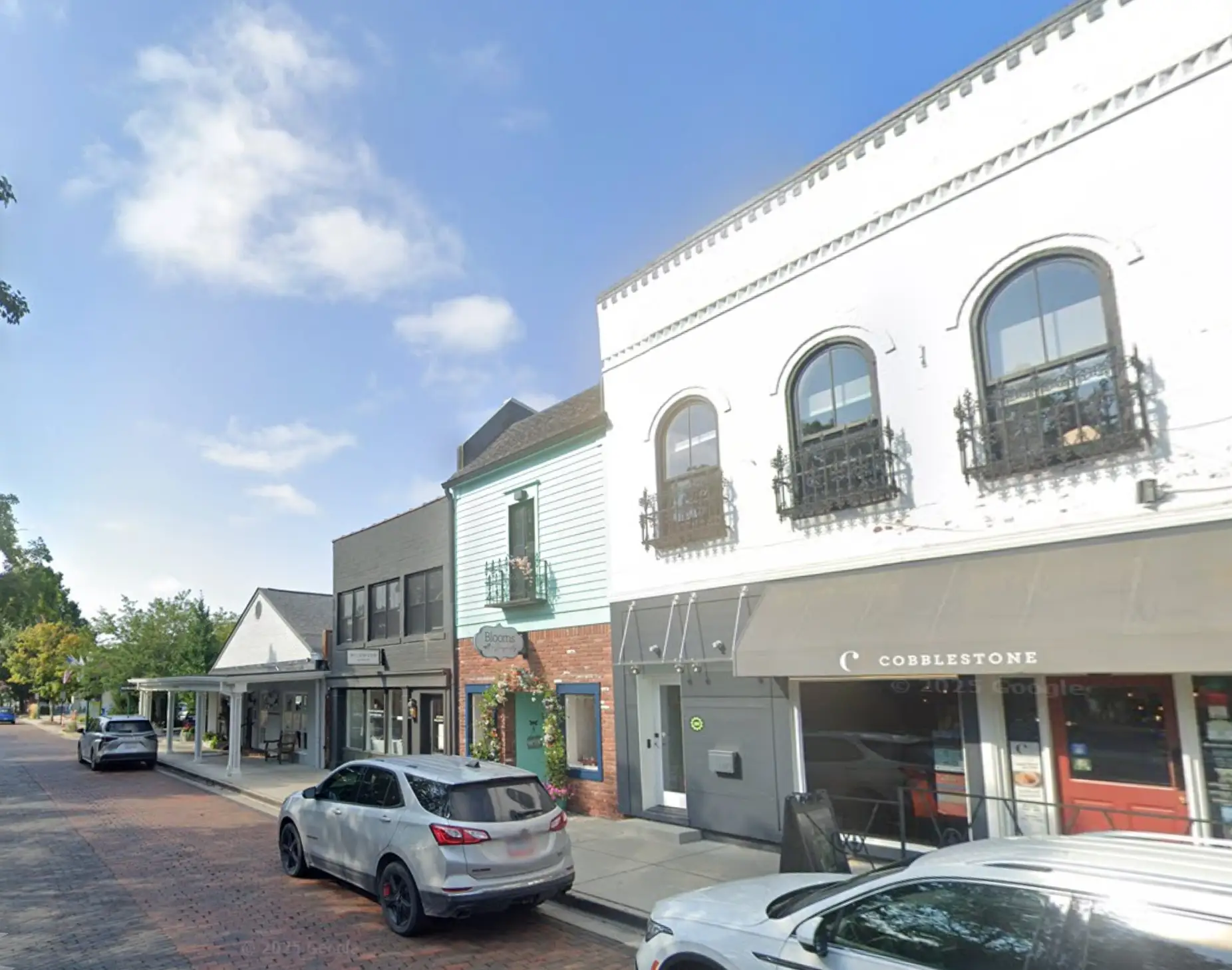
Zionsville is the first of a few Indianapolis suburbs on this list, with a population of about 33,000.
It ranked 9th for affordability among all the cities in the study.
16. Lancaster, Pennsylvania
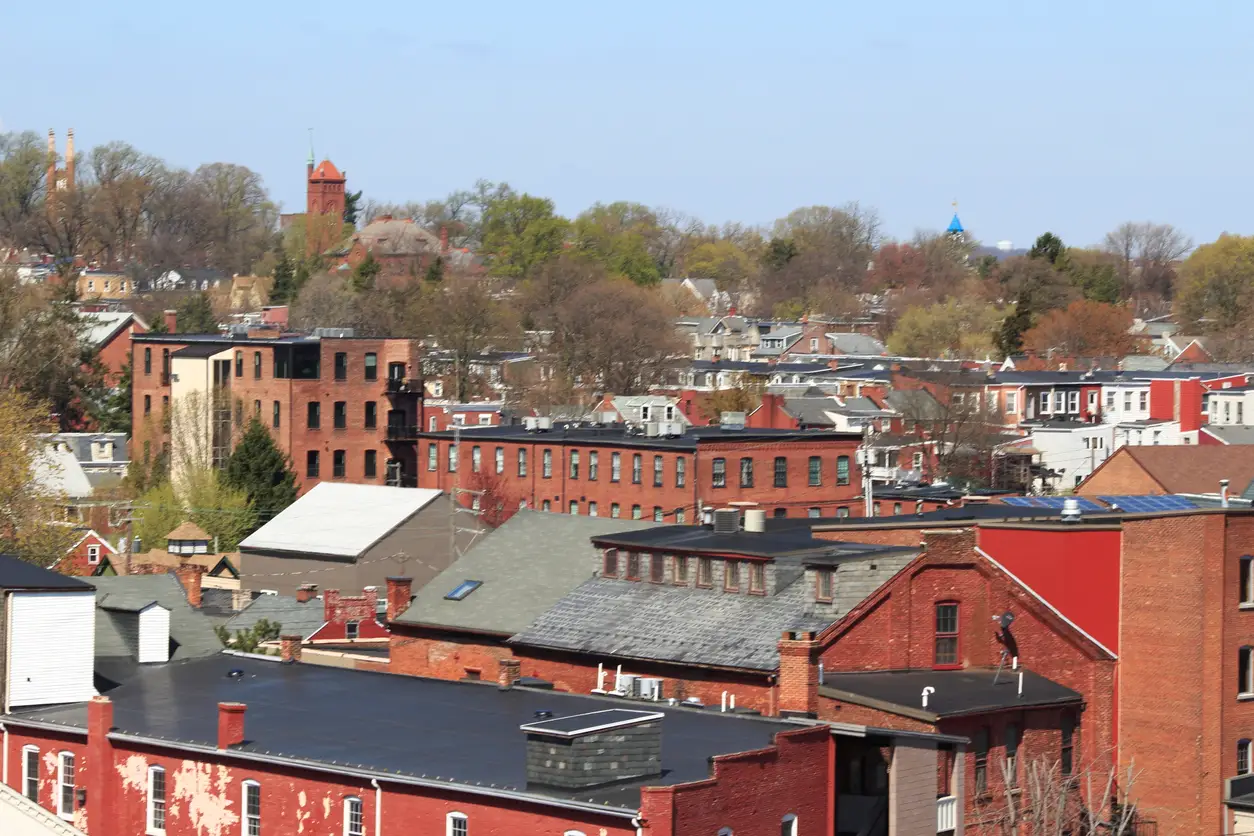
Lancaster is probably best known for its large Amish and Mennonite populations, but not everyone in Lancaster belongs to those communities. Most Amish residents live in the rural areas of Lancaster County rather than in Lancaster city, which has a population of about 58,000.
Lancaster (the city) ranked 10th for quality of life.
15. Castle Rock, Colorado
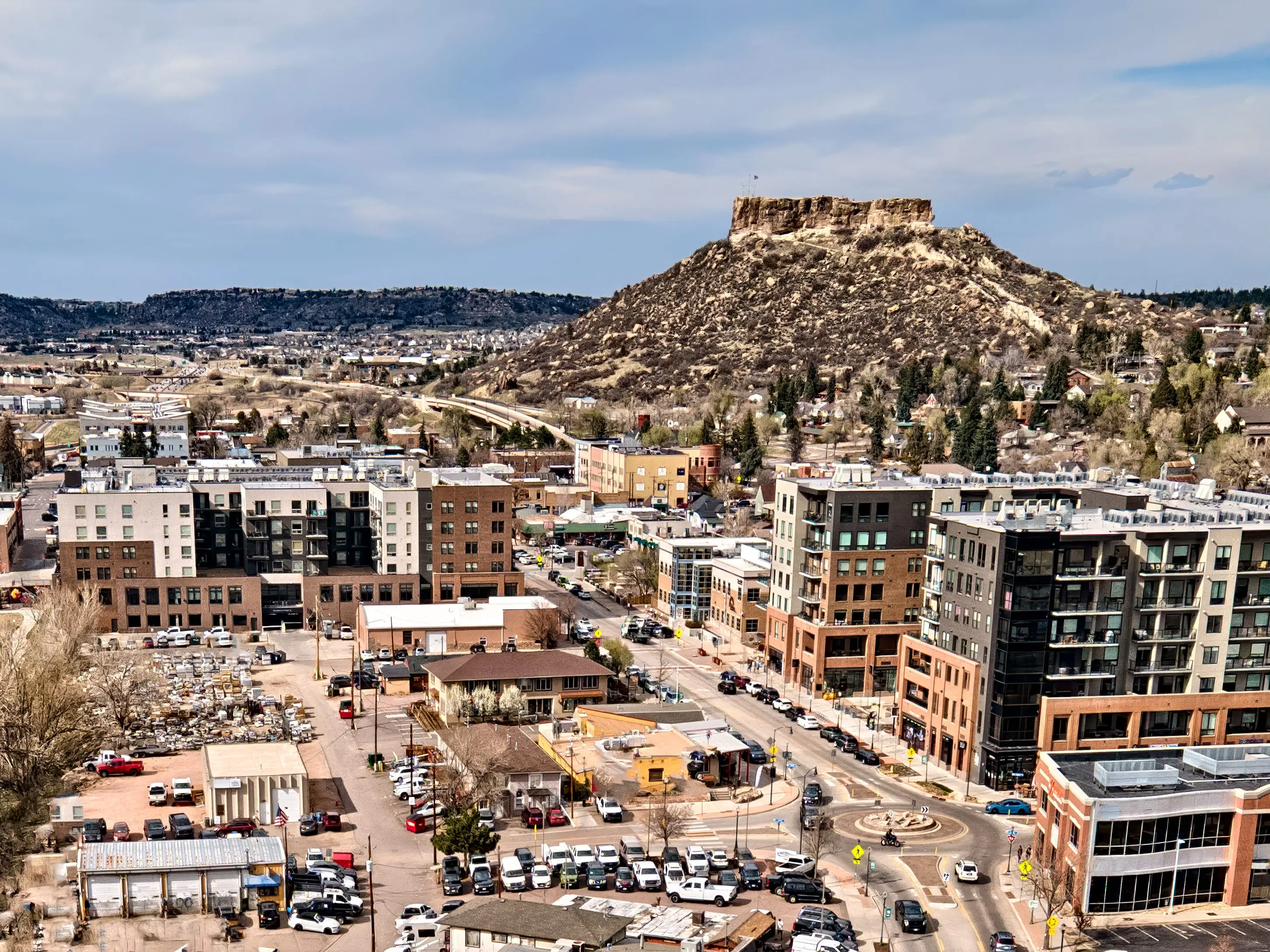
Castle Rock, part of the Denver metropolitan area, has a population of 88,000 people. It gets its name from the castle-shaped butte in the center of town, as pictured here.
The highest score Castle Rock received was for safety, at No. 32.
14. Brentwood, Tennessee
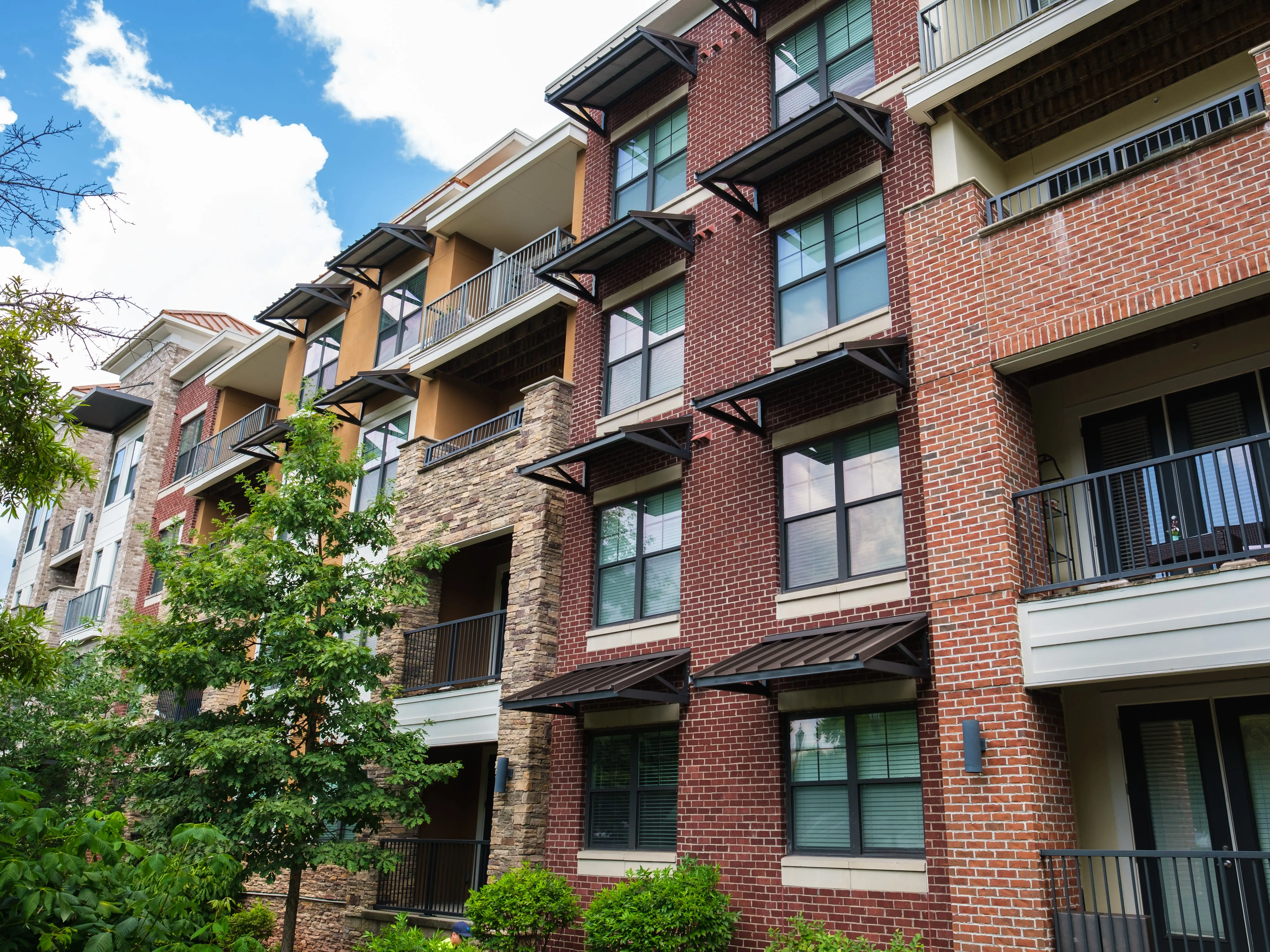
Brentwood is a suburb directly south of Nashville, and many country stars call this city their home — Dolly Parton‘s main home was here. About 91,000 other people are residents of Brentwood, too.
WalletHub reported that it’s a safe city — it ranked 12th in the safety category.
13. Leesburg, Virginia

Leesburg is part of the Washington, DC, metropolitan area, albeit 40 miles from downtown. The population is nearly 50,000.
It ranked 24th for education and health, although it fared less well in the economic health category, ranking 495th.
12. Appleton, Wisconsin
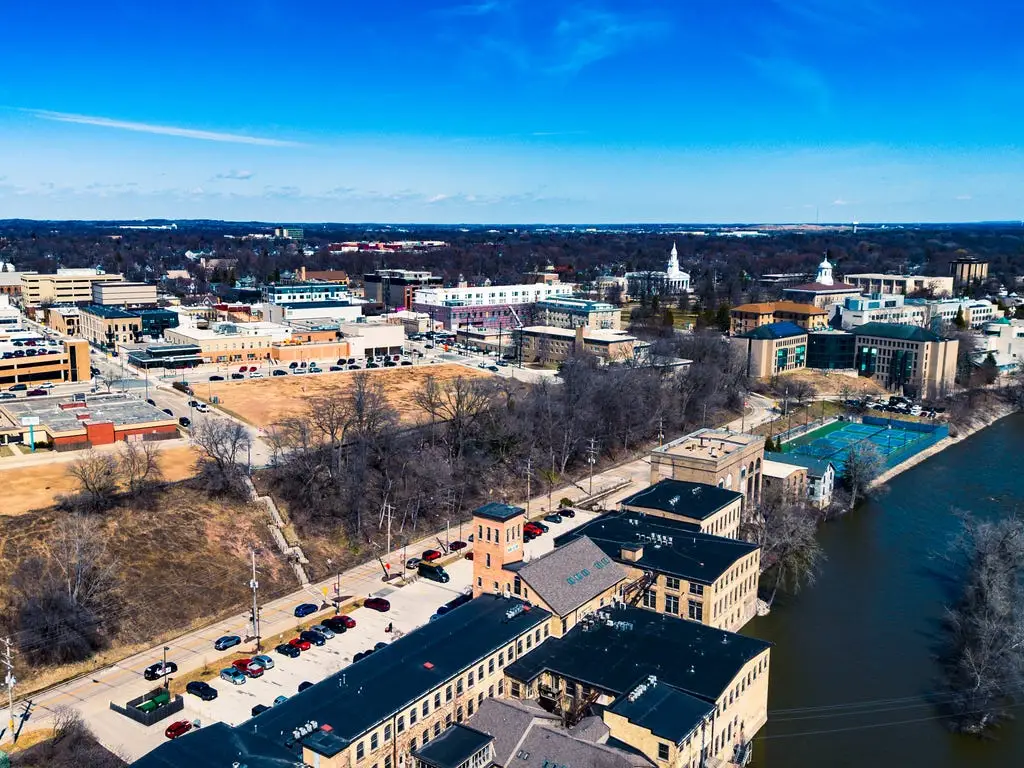
Appleton is located on the north shore of Lake Winnebago, in northeastern Wisconsin. Approximately 75,000 people call Appleton home.
Its highest ranking in WalletHub’s report was in quality of life, where it ranked 60th.
11. Stratford, Connecticut
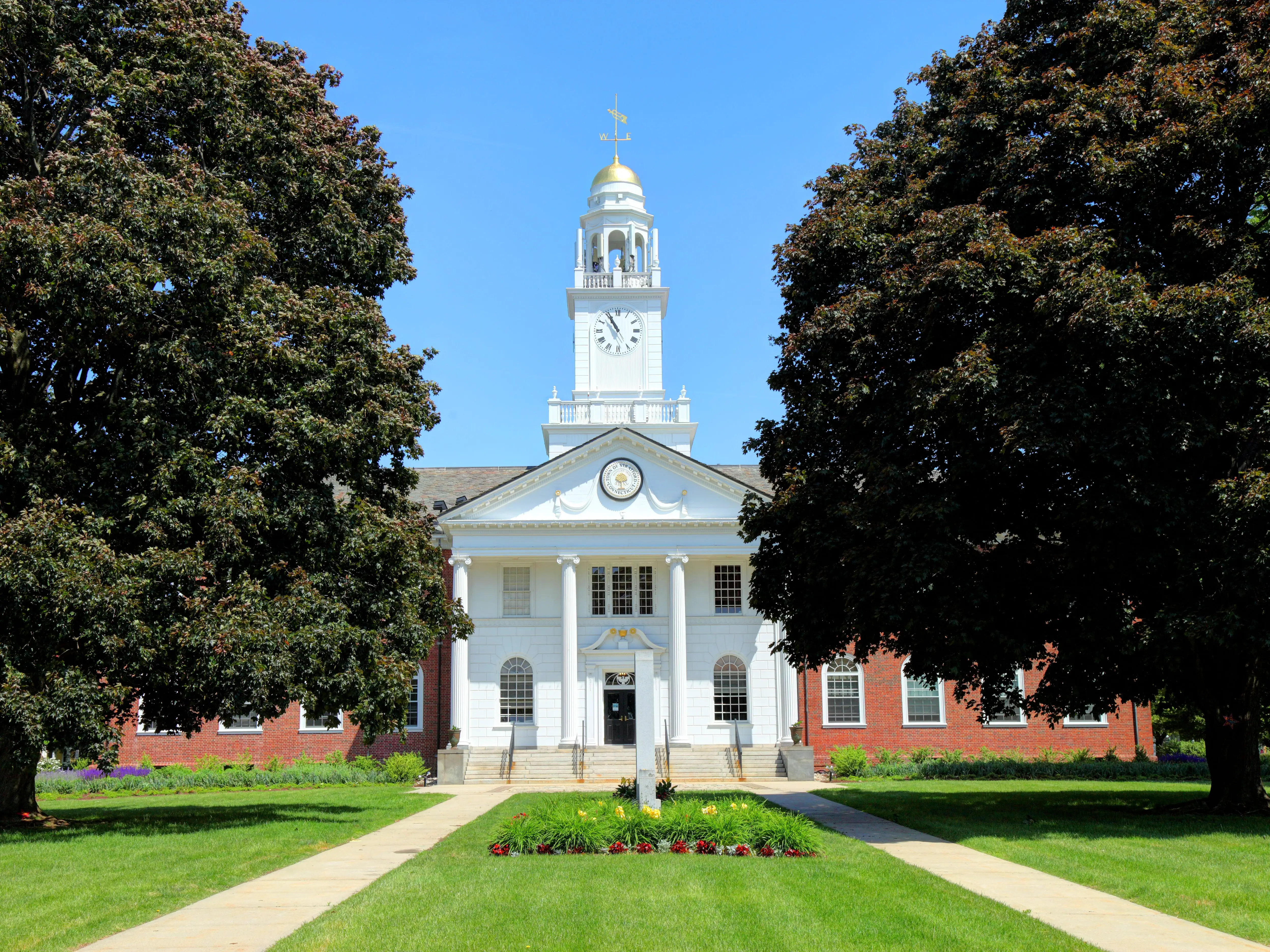
With a population of about 54,000, Stratford borders the most populous city in the state (Bridgeport) and is about 17 miles southwest of New Haven.
It placed high in WalletHub’s ranking due to its 34th place in education and health.
10. Fishers, Indiana
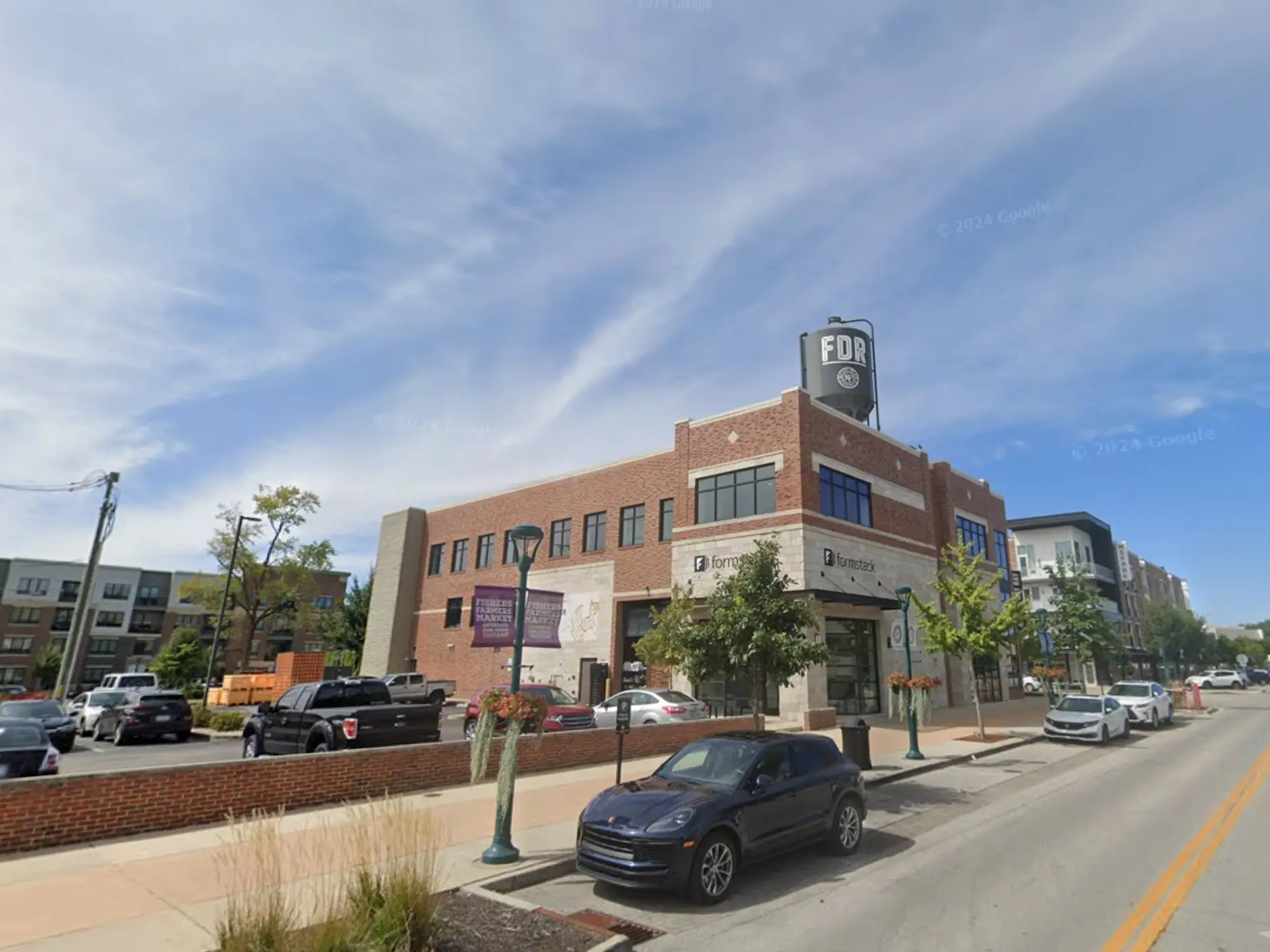
Fishers is the second Indianapolis suburb on this list. About 100,000 people live there.
It ranked 22nd for affordability, but at 615th for quality of life.
9. Franklin, Tennessee
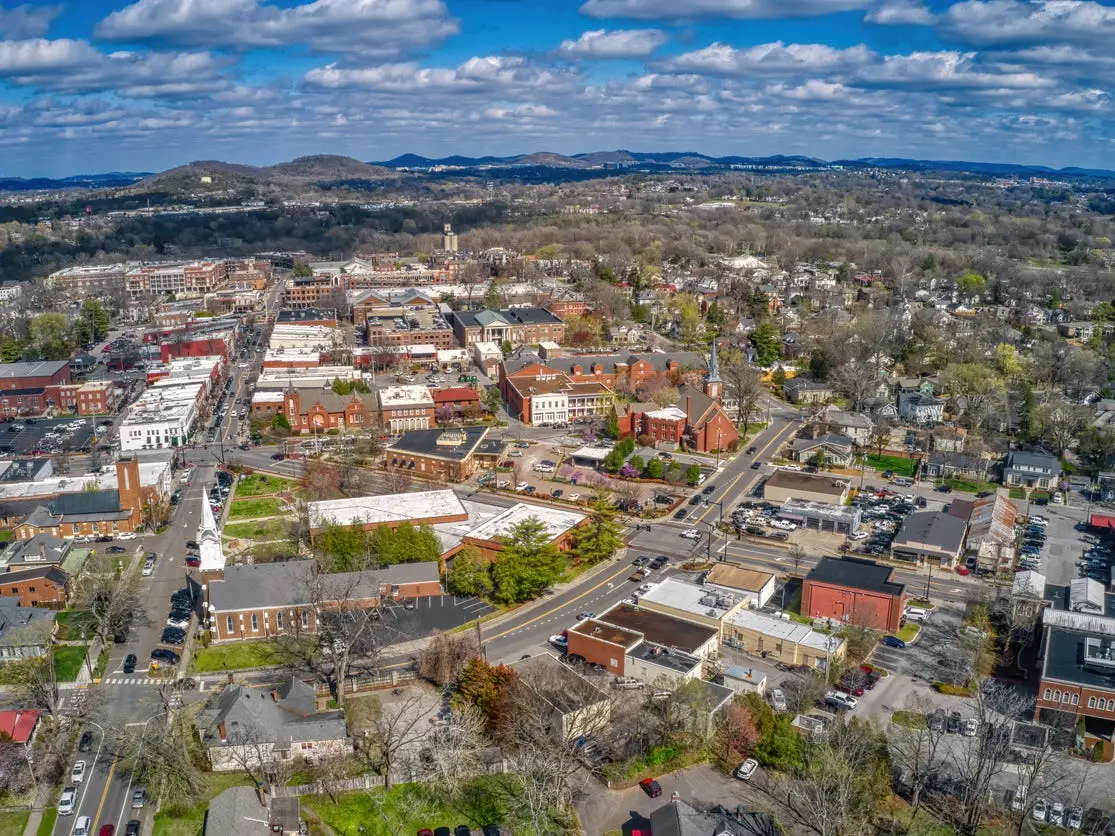
Franklin is one of the cities that make up the greater Nashville metropolitan area, with a population of about 91,000 residents.
A low affordability score was balanced by high scores in economic health and safety.
8. Arlington, Massachusetts

Arlington borders another city later on this list (spoiler: it’s the No. 1 small city), so it shouldn’t be too surprising that this northwest suburb of Boston placed high as well.
Arlington ranked first for education and health in WalletHub’s study. It also tied for fifth for the highest percentage of insured population.
7. Milton, Massachusetts

Milton is located less than 10 miles south of Boston and has a population of about 28,000.
While Milton ranked relatively low for quality of life (727th), a high education and health ranking (17th) made up for it.
6. Westfield, Indiana
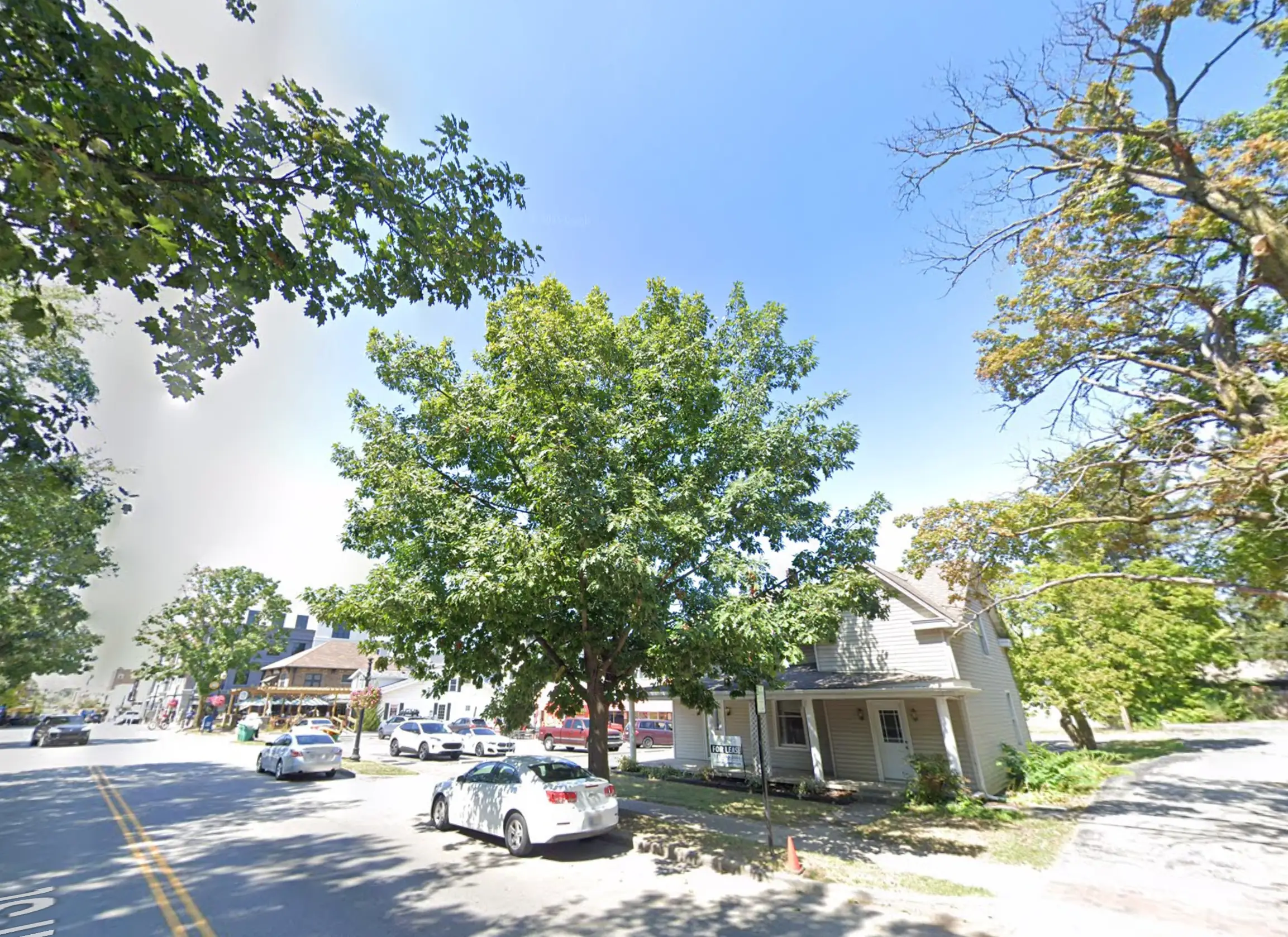
Westfield borders another city on this list, Carmel. Both are suburbs of Indianapolis.
About 66,000 people live in Westfield, which was ranked 12th for economic health in the study.
5. Saratoga Springs, New York
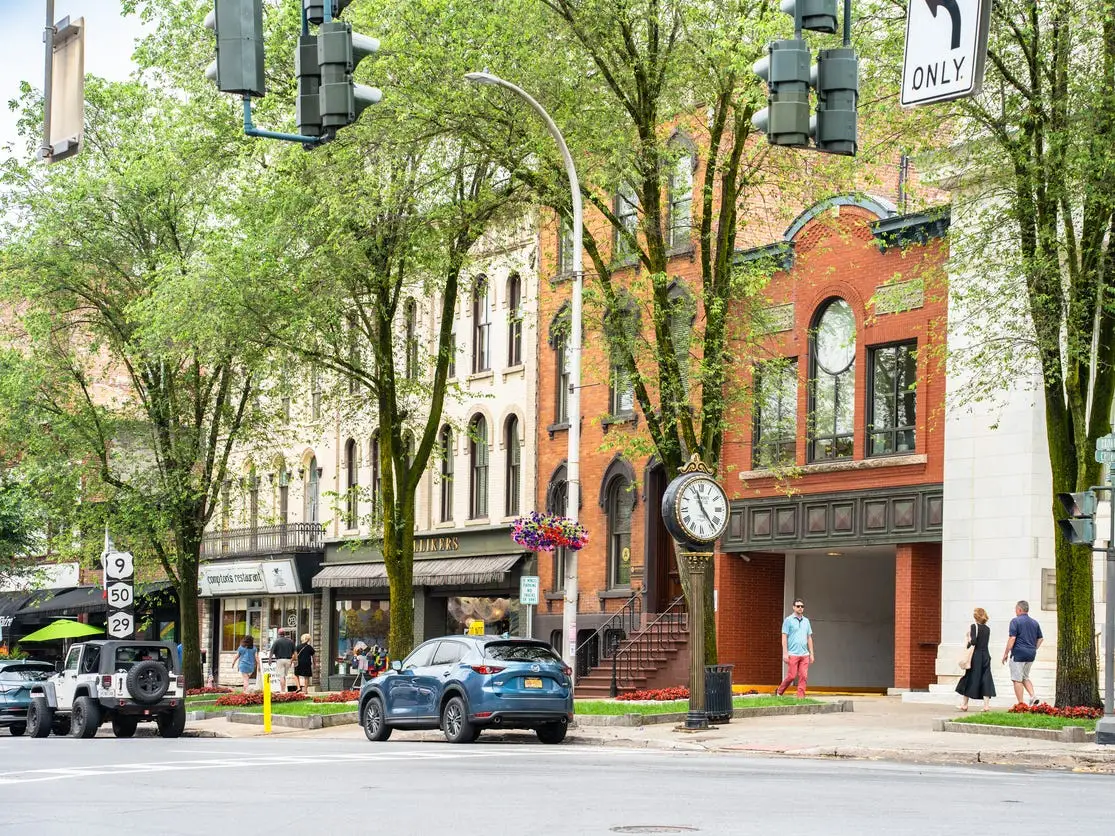
Saratoga Springs can’t really be considered a suburb of anything, since the closest city is Albany, if you drive 36 miles south. About 29,000 residents call the upstate city home.
Its highest-ranked metric in WalletHub’s study is for quality of life. It ranked 39th.
4. Apex, North Carolina
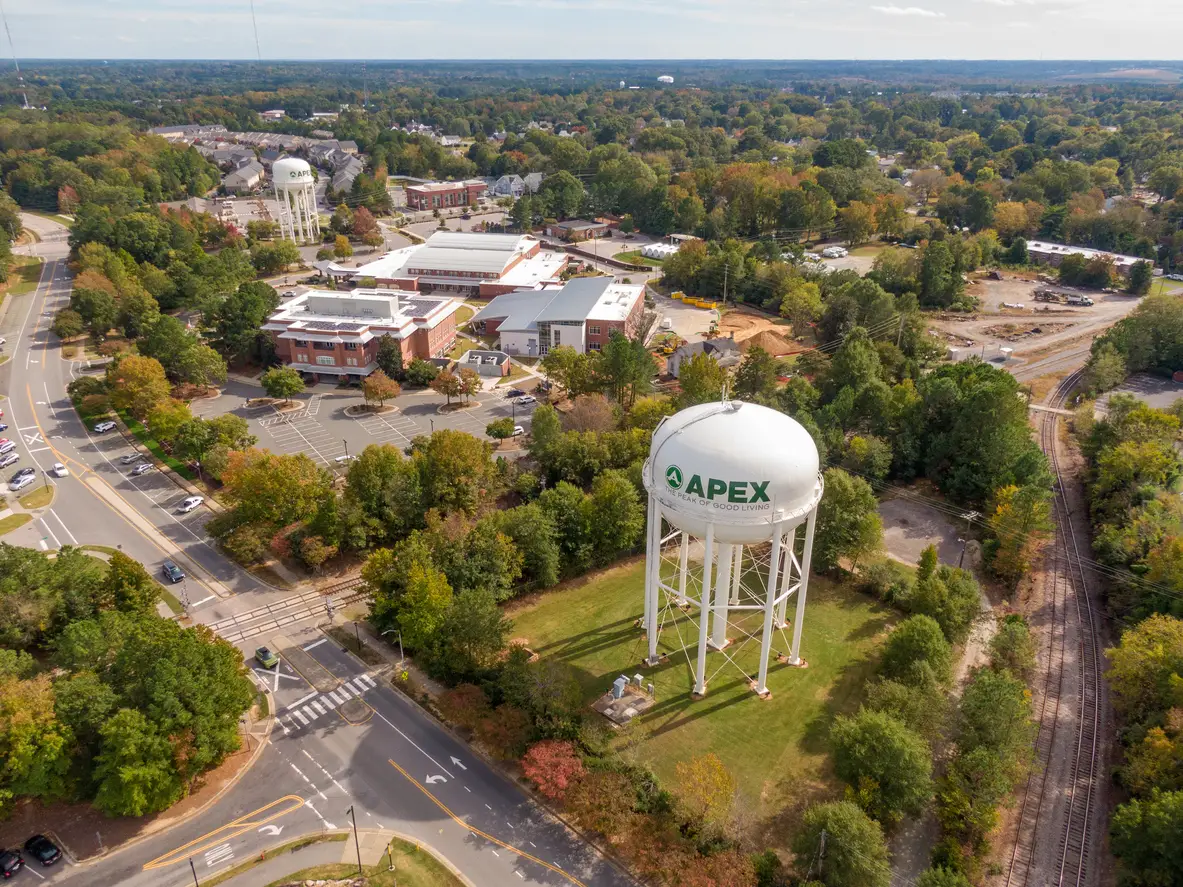
Apex is a city located southwest of Raleigh. About 86,000 people call Apex home — and luckily for them, it ranked No. 1 on the economic health scale, and No. 12 for affordability.
3. Carmel, Indiana
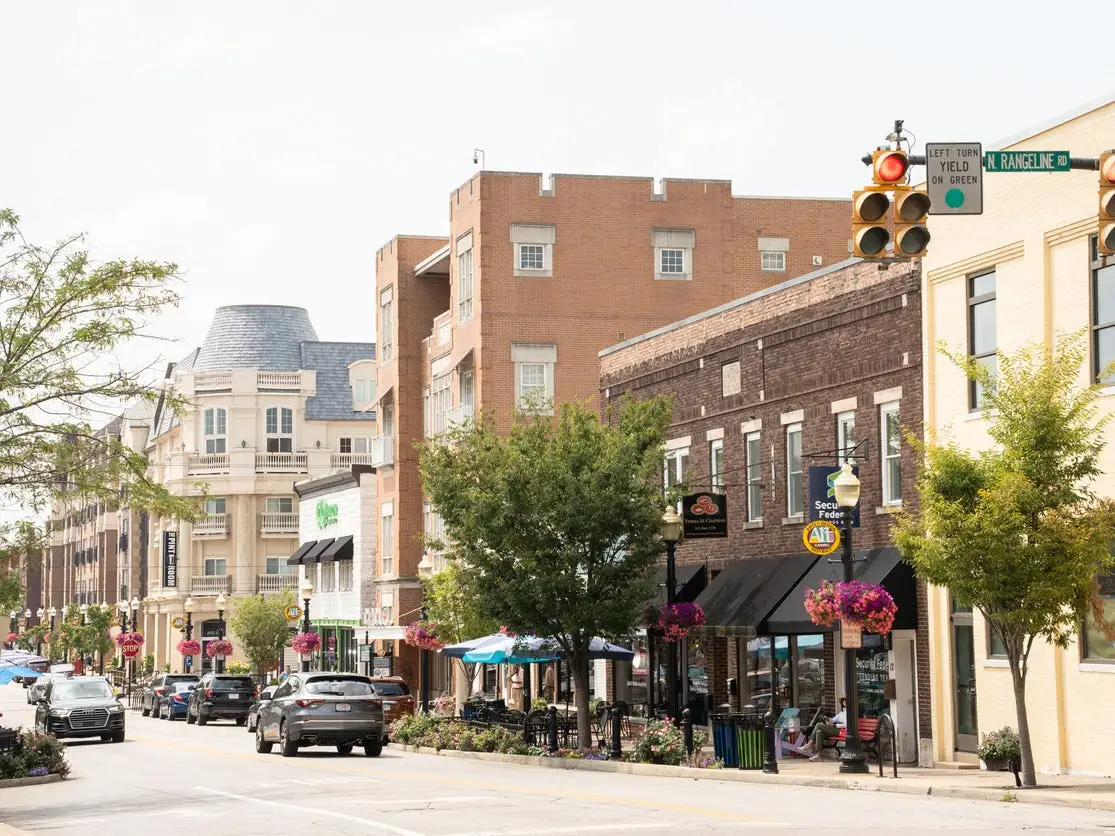
Carmel is a suburb of Indianapolis with a population of about 105,000. It borders other Indianapolis suburbs on this list, Westfield and Fishers.
What puts it at No. 3 overall is a low unemployment rate, a high median household income (nearly $142,000), and a high median credit score for its citizens.
It also has the ninth-lowest “share of adults in fair or poor health,” WalletHub reported.
2. Brookfield, Wisconsin
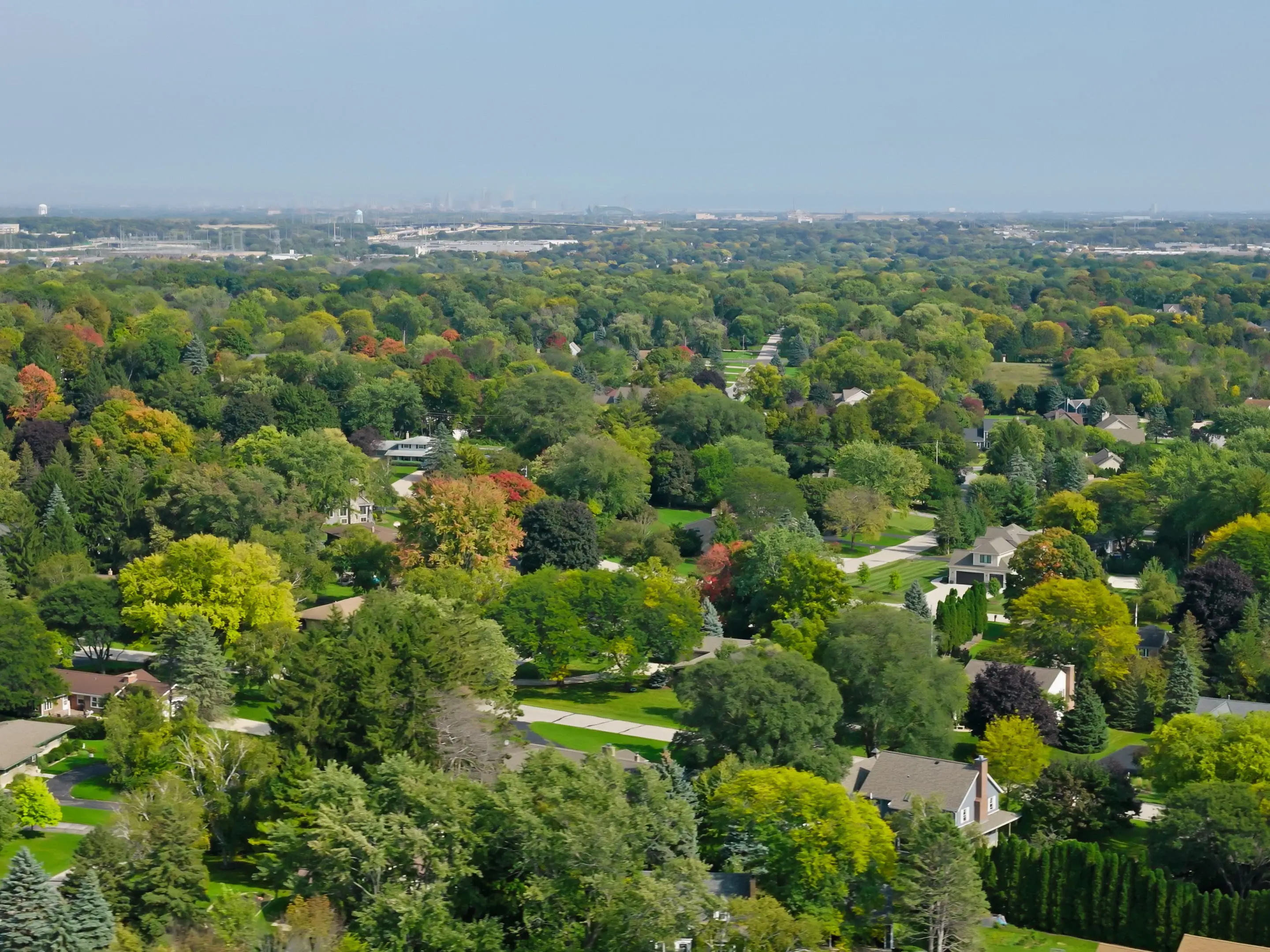
Brookfield is located 15 miles west of Milwaukee and has a population of about 41,000.
Per WalletHub, the city has a 3% unemployment rate, one of the lowest in the country. It also has one of the highest median credit scores in the US, at 785.
1. Lexington, Massachusetts
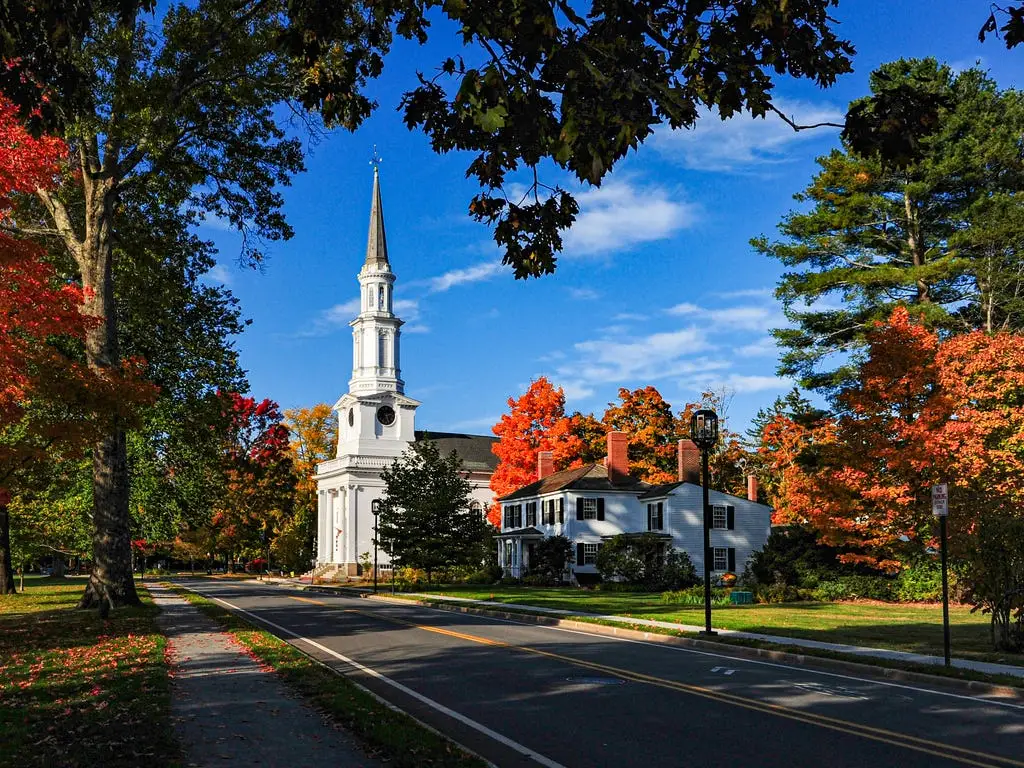
Lexington is a suburb of Boston located about 10 miles northwest of the city. It has a population of about 34,000 people.
While the city ranked low on WalletHub’s affordability scale (487th), it made up for it in other categories.
It ranked third in the education-and-health category — perhaps no surprise for a small city in the most-educated state in the US.
Lexington also ranked fifth for safety, with WalletHub citing its low property and violent crime rates among the cities in the study.
Read the original article on Business Insider
The post The 20 best small cities to live in across the US, ranked appeared first on Business Insider.