Sophie Gilbert is a wildlife ecologist and senior researcher at the Property and Environment Research Center.
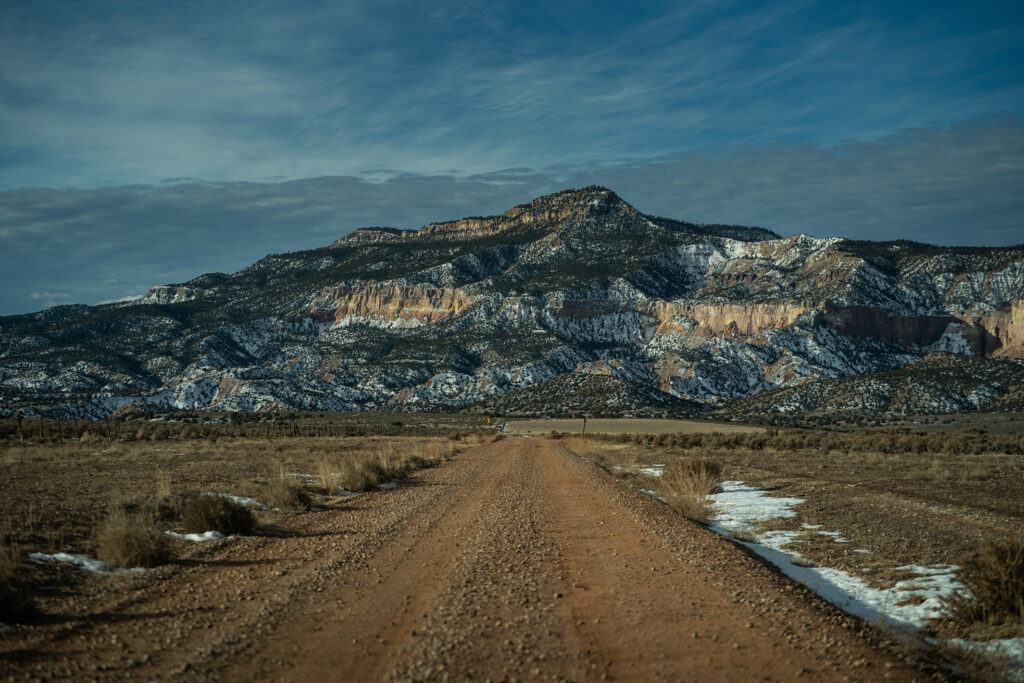
Mill City, Oregon, sits amid a patchwork of green. Across millions of acres at the base of the Cascades, deep-moss old-growth forests mingle with the bright lime of young trees recovering after timber harvests and fires. And roads thread through it all.
Most of these forest roads were built in the last century to move ancient fir trees to the mills that gave the town its name. Today, only two mills remain, and the aging roads are a maintenance nightmare for the U.S. Forest Service. The massive Beachie Creek Fire of 2020 compounded the problem, damaging roads as well as Mill City and other nearby towns.
Would more roads help or hurt places such as Mill City? A Trump administration proposal would repeal what’s called the “roadless rule,” which prohibits road building and many types of forest management on 45 million acres of national forest. The regulation could be repealed as soon as next year. Supporters of the administration’s plan argue that these areas should be actively managed to reduce wildfire risks, while many conservationists worry that new roads would hurt forests that are home to many vulnerable wildlife species. The forests also provide drinking water and other environmental benefits. Public comment is open through Oct. 6.
But the crumbling roads around Mill City point to one of the primary and still valid reasons the rule was passed in 2001: The Forest Service can’t afford to maintain the roads it already has.
Roads in national forests proliferated — in large part to facilitate harvesting rich old-growth forest — from 165,000 miles in the 1950s to nearly 400,000 in the 1990s. By then, the amount of timber cut on federal land had fallen sharply, while the expanding road network left the Forest Service with a roughly $10.5 billion road maintenance backlog. Forest Serviceleadership determined that allowing the construction of roads to remote areas would have decreasing economic returns but escalating costs. There was also increasing pressure from conservation groups to preserve roadless areas.
However you feel about the rule, the Forest Service currently lacks the capacity to maintain roads and conduct wildfire mitigation and forest restoration projects at the scale needed. There are just as many roads now as there were in the 1990s and still nearly $7 billion in deferred maintenance. The agency faces a backlog of 80 million acres that need forest restoration, including some areas covered by the roadless rule. It also faces a budget crisis and has lost significant staff under the Biden and Trump administrations, hampering its ability to reduce wildfire risk by undertaking measures such as forest thinning and prescribed burns.
For the sake of America’s forests, it’s critical that the Forest Service recover its capacity for action. It is possible to fairly weigh the costs and benefits of new road building. Expanding timber production, a goal of the Trump administration and a concern for many conservationists, could happen if the roadless rule is rescinded, but only slightly — the best timberland already has roads. Wildfires in roadless areas tend to be larger and more expensive to fight. Greater road access could make firefighting and fire prevention easier. But roadless areas also have fewer structures, resulting in less wildfire risk to property. Building forest roads results in more people and vehicles, which is associated with roughly four times more fires being started near roads due to campfires, cigarettes and sparks from vehicle undercarriages.
Roughly 7 million acres of roadless area in national forests overlap with the “transmission zone,” where wildfire can spread to homes. These high-risk areas should be targeted for fire prevention measures every 10 to 30 years to reduce risk; permanent roads are needed for this kind of maintenance, which involves moving people and machinery to the site. Fixing degraded ecosystems also often requires roads, if only temporarily. Lifting restrictions in these areas makes sense.
A good path forward is “roadless with wriggle room,” where states negotiate more flexible standards for national forests within their borders. Idaho and Colorado developed rules with the Forest Service to allow temporary roads for projects that would help with fire prevention and ecosystem restoration.
But there are political and legal obstacles to this solution. Alaska and Utah petitioned for custom roadless rules and faced court and administrative challenges. In its proposal to repeal the roadless rule, the Trump administration says it supports new state petitions. Perhaps it is time for states to try again.
The nation’s forests should be managed for long-term health, maintaining the broad benefits of roadless areas while providing focused flexibility to protect ecosystems. The current rule is rigid but has served a critical purpose. Ignoring its lessons will only imperil America’s forests and the communities that depend on them.
The post Trump wants more roads in the forests. Here’s the catch. appeared first on Washington Post.