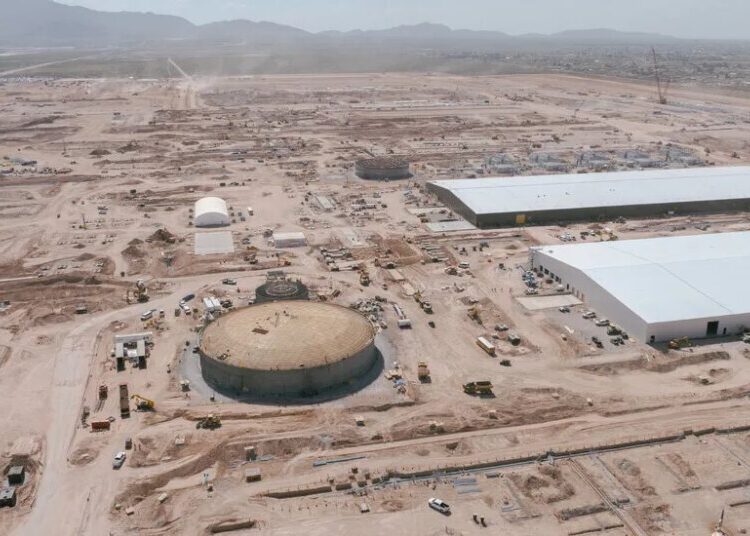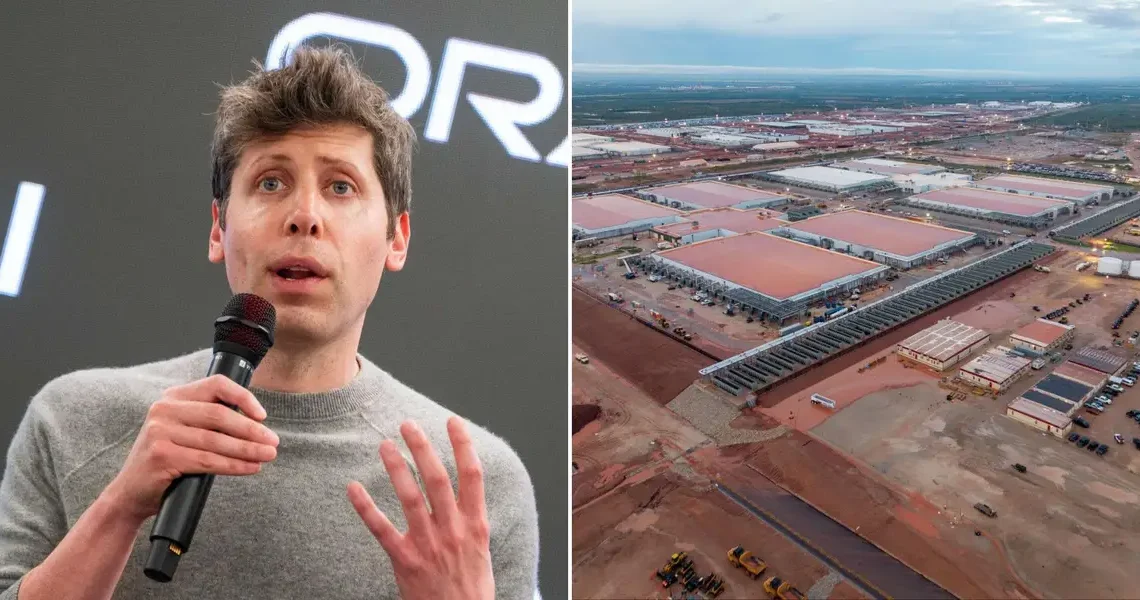
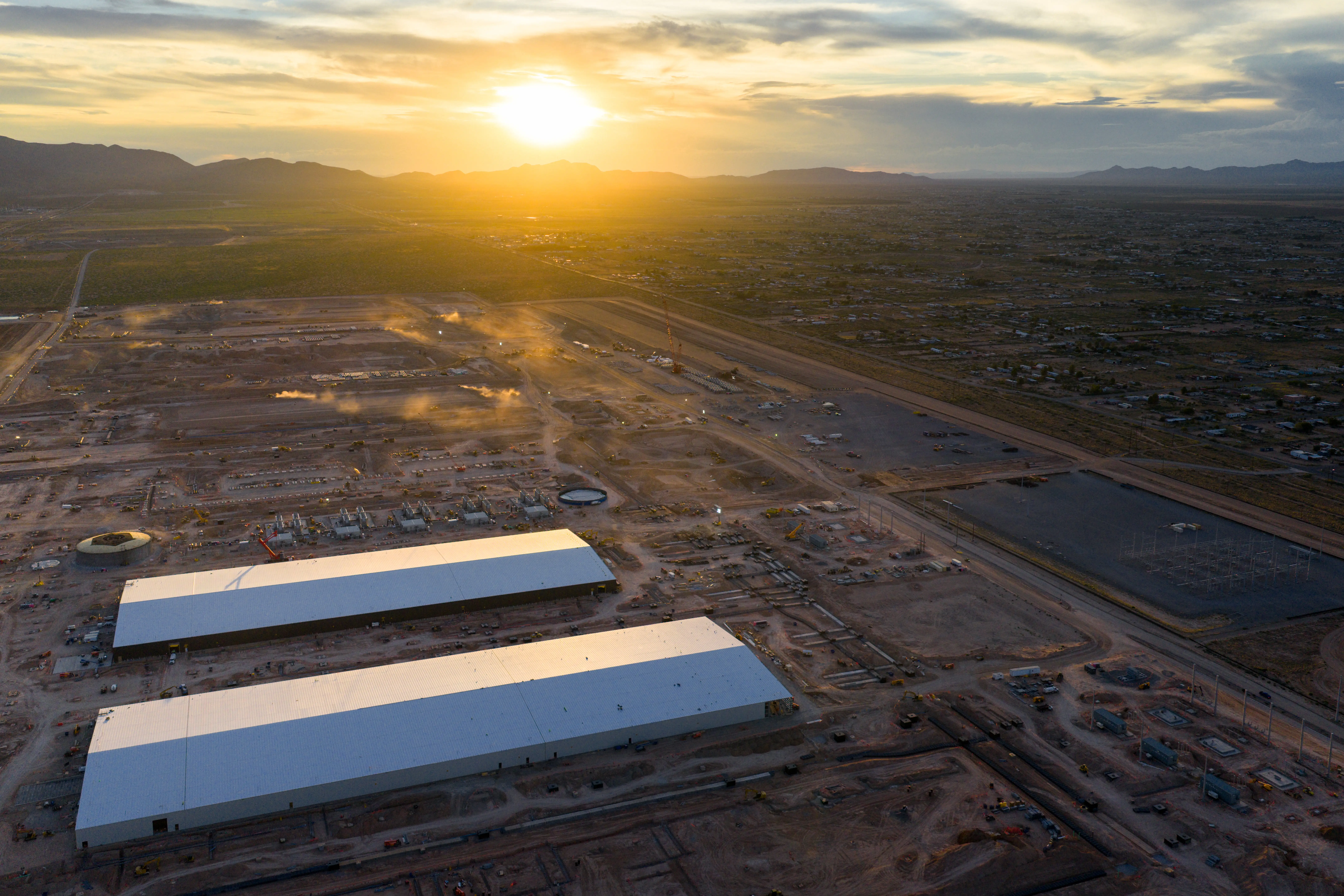
Some Americans have new next-door neighbors: data centers.
The US has been building these computing facilities for decades, but development has ramped up dramatically in recent years as AI increasingly drives demand for computing power.
Business Insider compiled a list of some of these enormous US data-center projects to illustrate the scale of what’s being built. Those on the list have at least 1 gigawatt of capacity and have broken ground.
Among the largest is a city-sized campus in Texas pursuing up to 17 gigawatts of power capacity. Another in Ohio is aiming to have up to 10 gigawatts of data-center capacity, most of which OpenAI has contracted to use. For reference, 1 gigawatt of electricity continuously supplied for a year could power roughly 835,000 average American homes.
In total, the Pew Research Center says the US has more than 3,000 operating data centers nationwide and over 1,500 more under development, mostly in rural areas. According to data from the Energy Institute’s 2026 Statistical Review of World Energy, US data centers accounted for nearly 40% of global data-center electricity use in 2025, consuming about 313 terawatt-hours. That’s more electricity than all of Australia used that year.
Planned capacity is the closest public proxy for how much computing these AI campuses can support, and that’s important because the electricity and water needed to run their servers and cooling systems can have major implications for local grids and sustainability.
Residents affected by developments in places like Texas and Utah have pushed back over concerns about noise, property values, and the effects on nearby communities. New York has temporarily paused the construction of new large-scale AI data centers.
Still, the 2025 US Data Center Energy Usage Report from Berkeley Lab projects that data centers will consume 11.8% of US electricity by 2030, up from about 4.4% in 2023. Oracle, SB Energy, xAI, Google, and Meta are among the leading developers and operators.
Here’s a closer look at some of the largest AI data-center campuses being built.
Meta Lebanon Campus — Indiana
Mark Zuckerberg’s Meta currently has 21 data centers under construction. Its Lebanon, Indiana, data center is one of its biggest investments — and the company’s second in the state.
The $10 billion center, which broke ground in early 2026, is planned to deliver 1 gigawatt of capacity and span 1,500 acres.
It’s expected to be completed by early 2028. Neighbors have complained about light pollution from the construction, while residents across Indiana have urged state lawmakers to regulate the growing data-center industry.
Meta El Paso Data Center — Texas
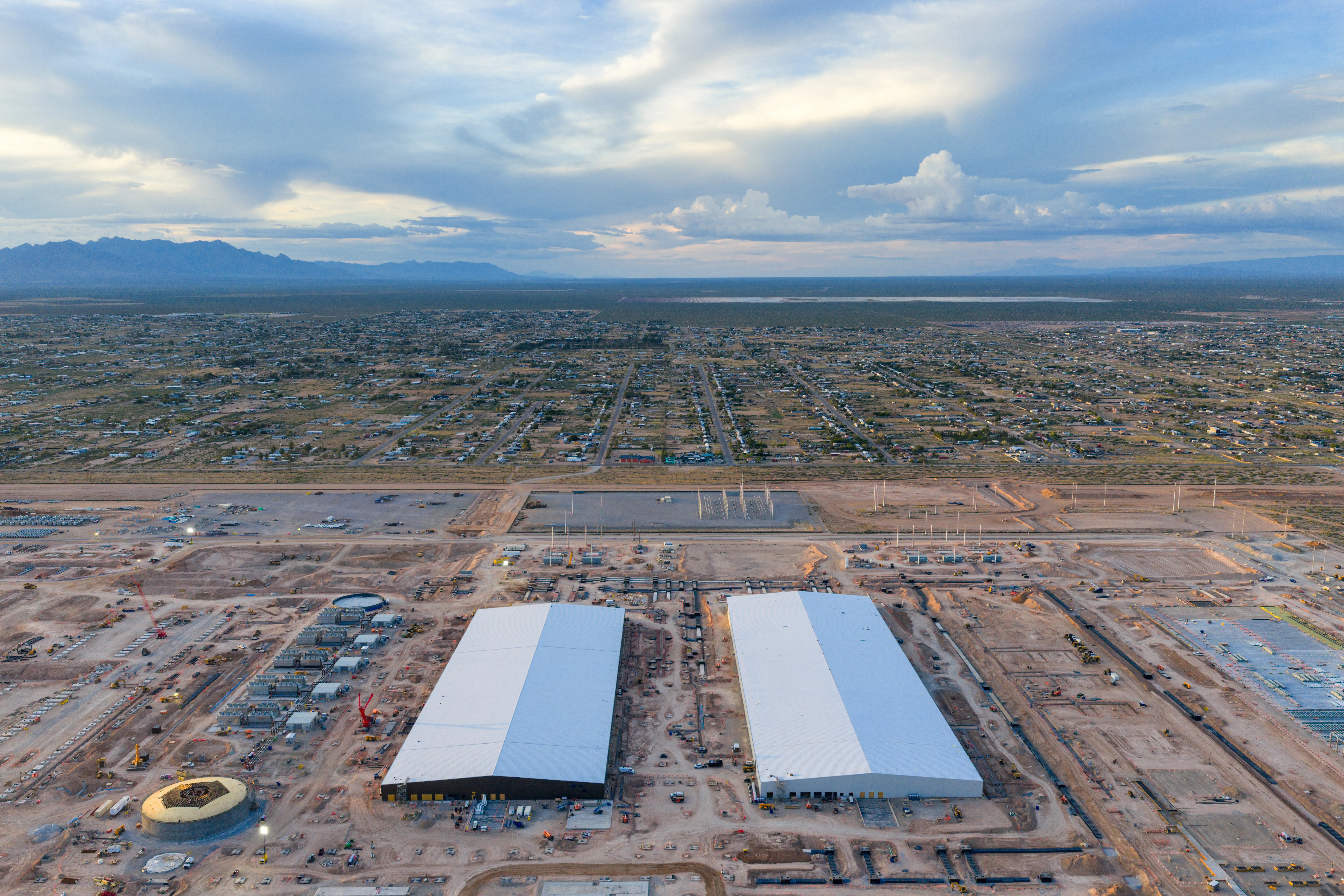
Meta’s data center in El Paso, Texas, is planned to be powered by 1 gigawatt of capacity and span roughly 1,000 acres. It originally called for $1.5 billion in investment, which later increased to $10 billion.
The center will support more than 300 workers once complete, while around 4,000 construction workers are expected to build it out.
The site broke ground in October 2025 and is expected to be finished in 2028. The site has also sparked backlash from residents.
Project Freebird (Stargate) — Texas

Project Freebird is part of Stargate, the AI-infrastructure initiative co-led by OpenAI and SoftBank, which OpenAI said in January 2025 would invest up to $500 billion in US infrastructure.
Freebird will be a 1.2-gigawatt data center campus in Milam County, Texas, near Austin. The first phase is expected to be completed by October, while additional phases are planned through 2028. Construction began in 2025.
The site, being developed by SB Energy, a SoftBank-backed infrastructure company, will span roughly 595 acres. Phase 1 has an estimated construction cost of $470 million, while total investment in the broader project is expected to range from $1.8 billion to $3 billion.
Fort Wayne Data Center — Indiana
In 2024, Google broke ground on a $2 billion data center campus in Fort Wayne, Indiana, to support its AI and cloud operations.
The campus is expected to require up to 1.2 gigawatts of power at full build-out. Some Indiana politicians have expressed concern about the amount of power required to run the data center and who will foot the energy bill.
“If companies want to build a data center here, and we have to build new power generation for them, then they need to share in that risk,” Indiana Rep. Ed Soliday, a Republican, previously told Business Insider. “There are a couple of data center folks who have said, ‘Oh no, that’s not fair.’ Yes, it is. Grandma down the street shouldn’t have to pay for your dreams.”
Stargate Abilene — Texas
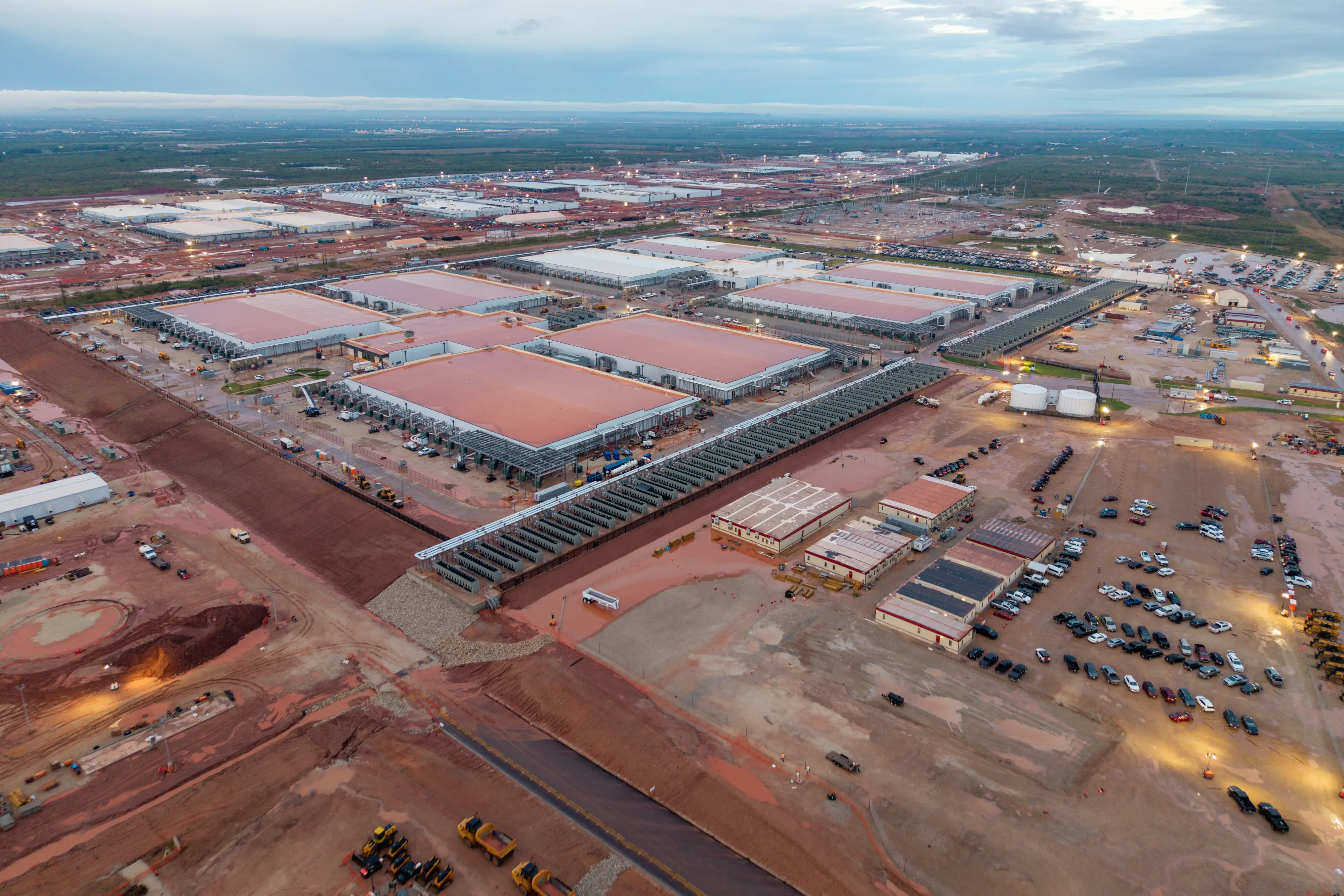
The Stargate AI data center campus outside Abilene, Texas, is expected to deliver 1.2 gigawatts of capacity. Crusoe, the lead developer and builder behind the project, broke ground on the campus in June 2024. The first phase is already operational.
The second phase, which is under construction, is backed by a $15 billion joint venture between Crusoe, Blue Owl Capital, and Primary Digital Infrastructure. It will add six buildings to the campus, bringing the total to eight and the planned capacity to 1.2 gigawatts. The site will span 875 acres.
Nebius AI Factory — Missouri
Nebius’ data center in Independence, Missouri, will span roughly 400 acres and reach a capacity of up to 1.2 gigawatts. The company broke ground in May and is expected to bring roughly 1,200 construction jobs and 130 permanent jobs.
Nebius has not announced a total investment amount, though the city expects to begin collecting tax revenue from the campus in 2028.
The site hasn’t come without controversy. A group of citizens is suing the city of Independence and companies involved with the project, alleging 16 counts, including claims that the city violated Missouri’s Sunshine Law several times by failing to provide finalized data center construction plans. Nebius did not offer a comment.
CloudBurst San Marcos Data Center I — Texas
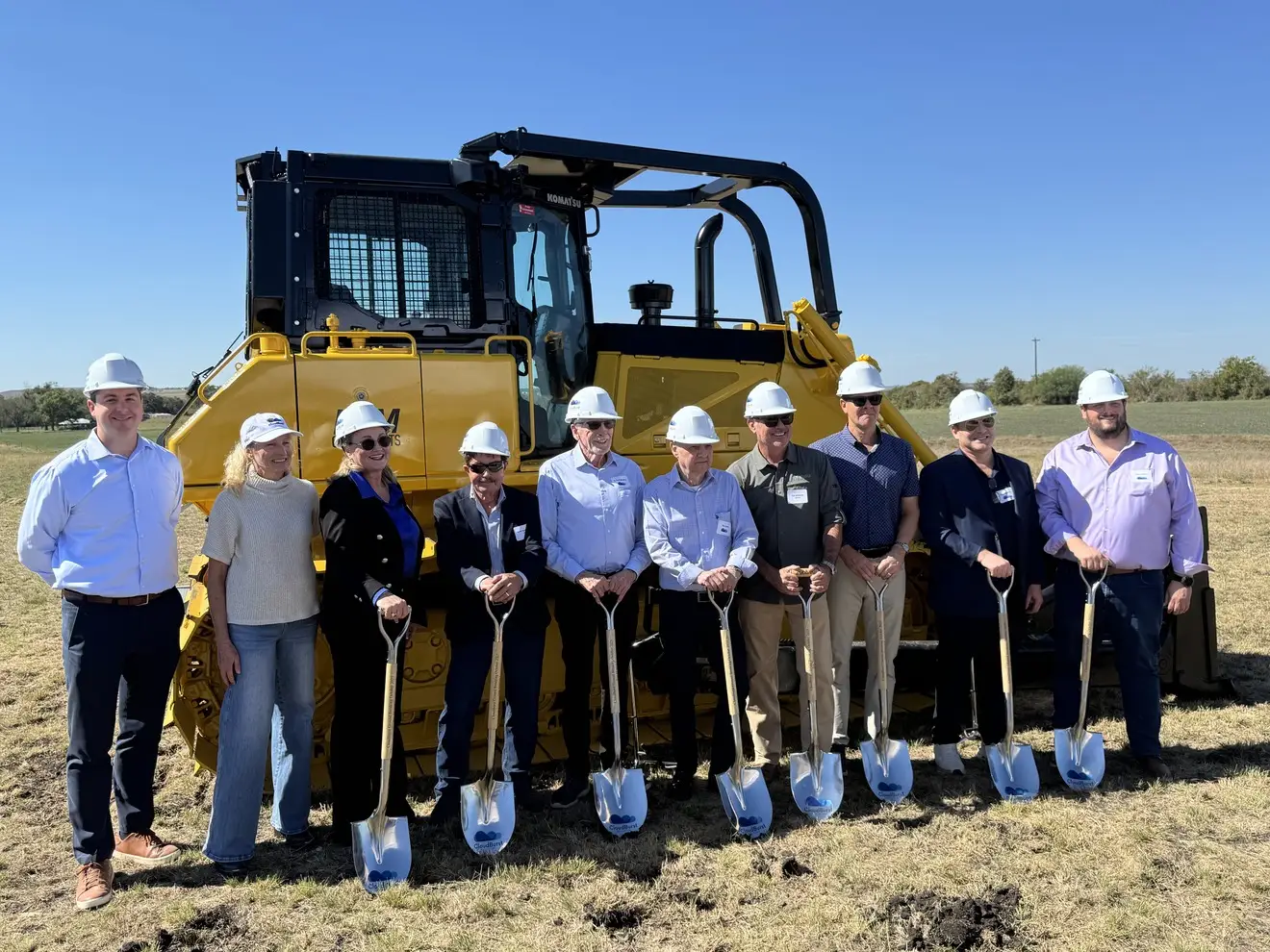
CloudBurst’s San Marcos Data Center I is a planned 1.2-gigawatt capacity campus on 706 acres in central Texas. Guadalupe County approved a $500 million tax abatement for the project.
The company and its development partner, Evolve, broke ground in November 2025, with an initial 50-megawatt phase expected to be complete by late 2026. Construction is expected to be complete in 2029.
San Marcos residents have protested proposed data centers over water and energy concerns. The city has since become the first in Texas to ban new data centers, though the ban won’t stop CloudBurst’s project, which is outside city limits.
The Barn Data Center — Michigan
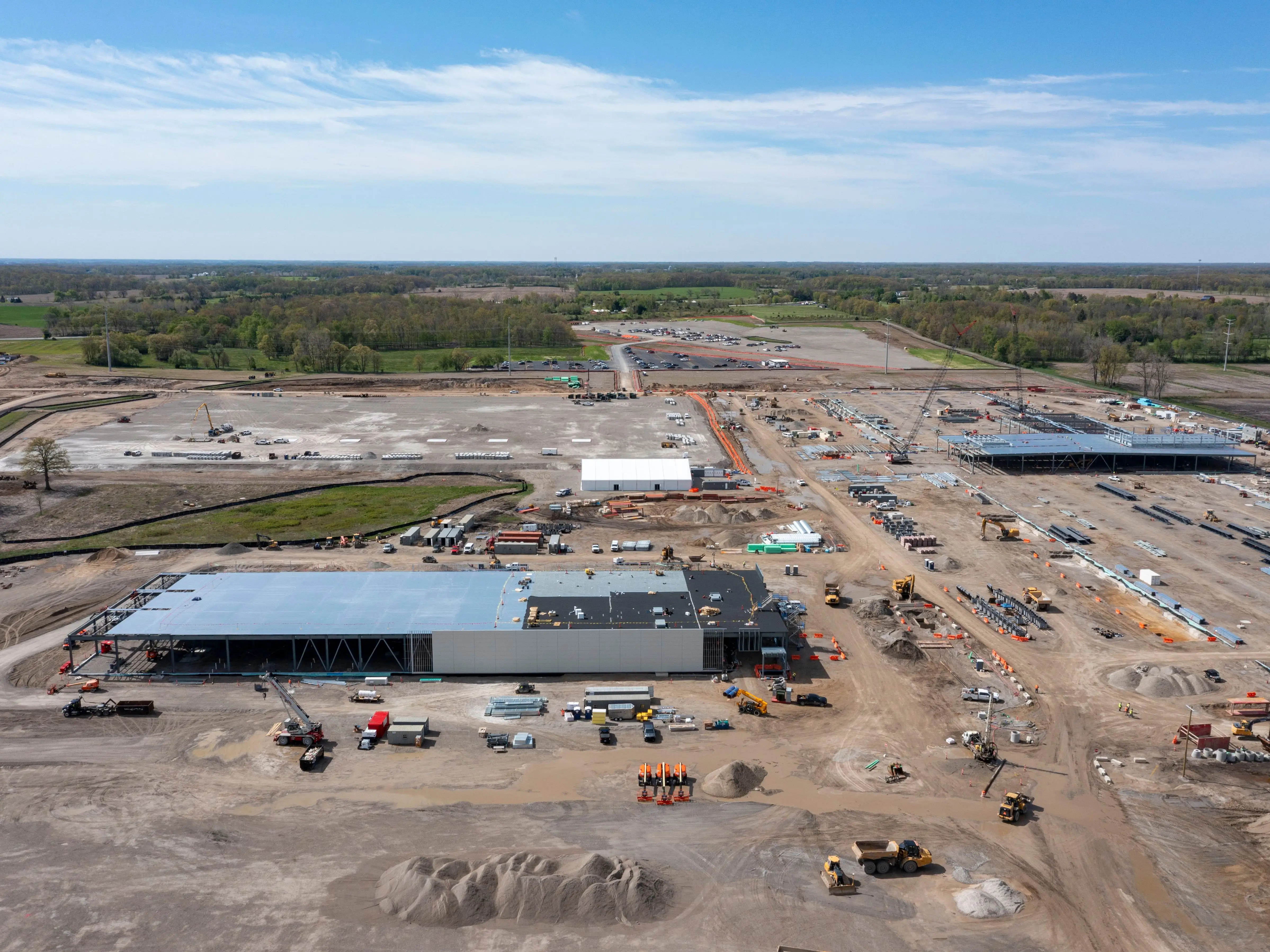
The Barn, part of the Stargate project, is a multi-billion-dollar AI data center campus in Saline Township, southwest of Ann Arbor, Michigan. Related Digital, a data-center developer, is building the campus for Oracle as part of its partnership with OpenAI. Construction for The Barn began in June.
The campus will comprise three data center buildings with a combined capacity of 1.4 gigawatts. The $16 billion project is backed by Related Digital and investment firm Blackstone. The first facilities are expected to enter service by the end of 2027.
Local residents have protested against the data center, citing concerns about its impact on the grid and pollution.
Stargate Frontier Campus — Texas
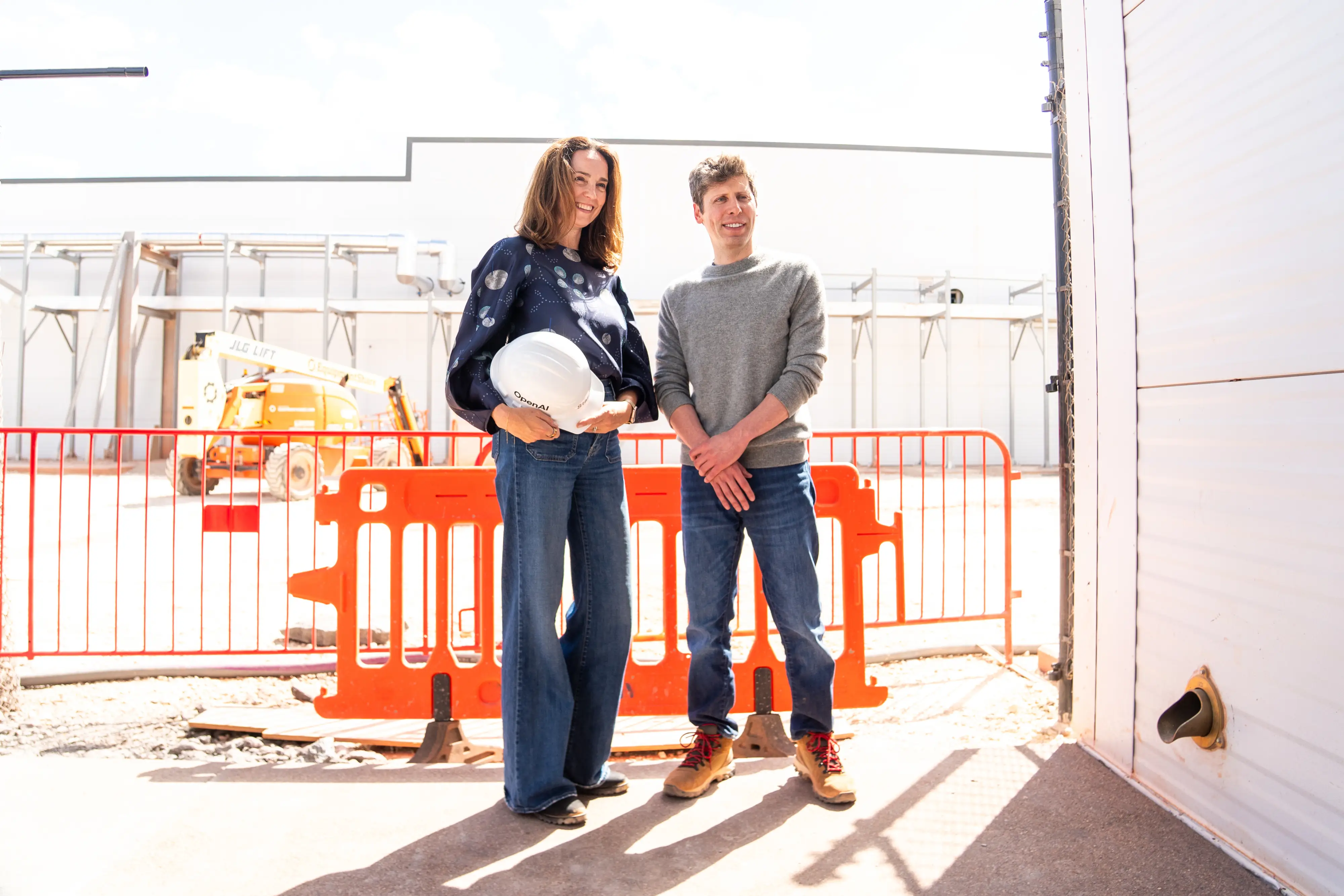
The Stargate Frontier Campus, developed by Vantage Data Centers, will be a 1.4 gigawatt, 1,200-acre data center in Shackelford County, Texas, near Albany in north-central Texas.
The campus is part of the broader Stargate initiative led by OpenAI, Oracle, and other partners, and is being designed for ultra-high-density AI workloads. Vantage plans to invest more than $25 billion in the project, which is expected to be fully built out by 2028.
Construction of the center began in late 2025.
xAI Colossus 2 — Tennessee
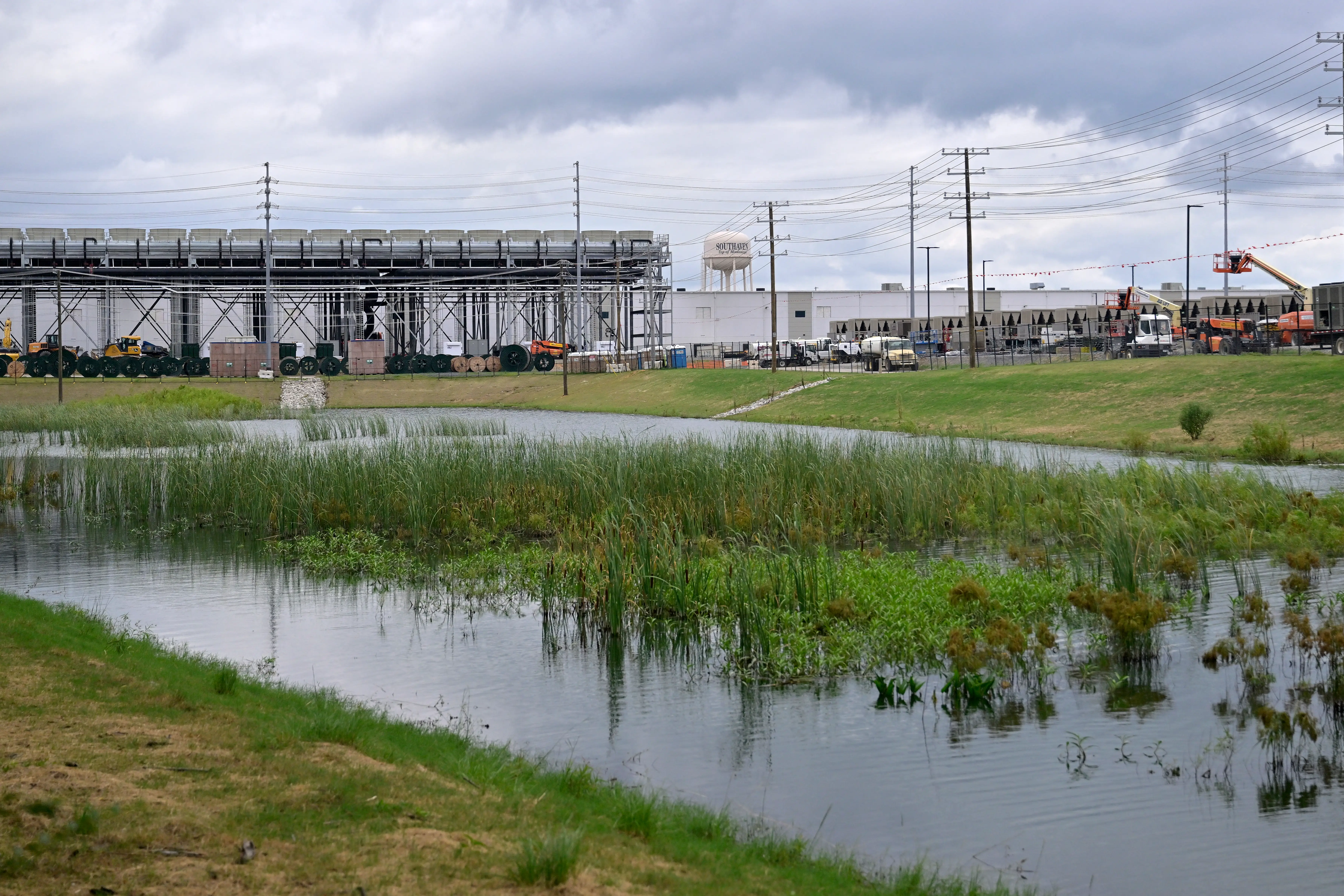
Elon Musk’s xAI is building Colossus 2 to power Grok, the AI chatbot on X. Construction began in 2025 in Memphis, Tennessee, and the company has said it plans to expand the site to 1.5 gigawatts. The nonprofit research institute Epoch AI estimates its current capacity at about 946 megawatts.
Environmental justice groups, led by the NAACP, sued xAI earlier this year, alleging that the company installed and operated gas turbines that power Colossus 2 in nearby Southaven, Mississippi, without the required air permits. In March, Mississippi regulators approved a permit for xAI to build and operate a new fleet of turbines at the site.
Local residents have also filed a class-action lawsuit against xAI, MZX Tech, and SpaceX, alleging that noise and vibrations from the gas turbines have disrupted their lives and harmed their property values.
Project Jupiter — New Mexico
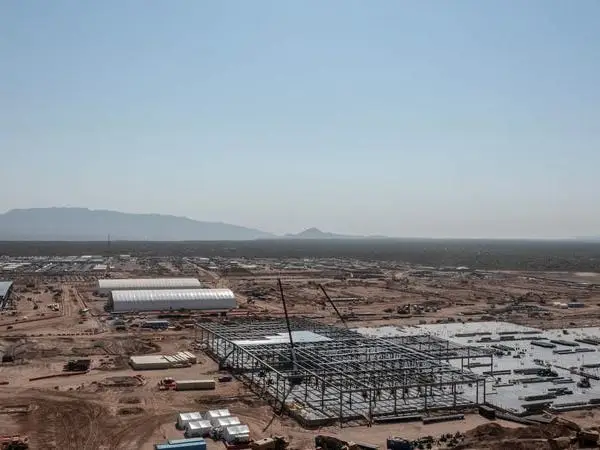
Developed by infrastructure companies STACK Infrastructure and BorderPlex Digital Assets, Project Jupiter will be an AI data center campus in Doña Ana County, New Mexico, near the Texas border. It is part of the Stargate initiative and is expected to support Oracle’s AI-computing operations for OpenAI.
Construction for Project Jupiter began in September 2025. The campus’s planned on-site power system could include up to 2.45 gigawatts of Bloom Energy fuel cells, replacing an earlier proposal centered on gas turbines and diesel generators.
In May, Oracle ditched its plan to construct a natural gas plant to power Project Jupiter, following local residents’ concerns over the potential negative water usage and air pollution effects it could cause.
Oracle issued a force majeure notice in September due to potential delays in the project’s power infrastructure, though it says the campus remains on track for 2028.
Meta Hyperion — Louisiana
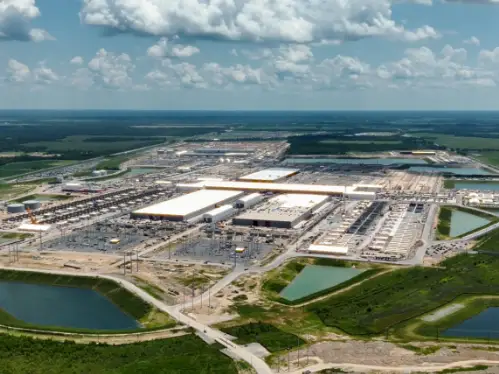
Meta’s Hyperion AI data center in rural northeast Louisiana, backed by more than $50 billion in investment, will span more than 3,600 acres and is planned to deliver 5 gigawatts of capacity once fully developed. Hyperion broke ground in December 2024.
Meta says Hyperion is designed to train and run its artificial-intelligence systems. Earlier this year, Louisiana gave Meta $3.3 billion in tax breaks for Meta to build Hyperion. The project is expected to be completed in 2030.
Since the center is located in a rural part of the state, the influx of 7,500 trade and construction workers has spurred a housing boom, with mobile homes built for workers that rent for $3,000 a month.
Still, the project has also faced pushback from local residents and environmental groups concerned about its impact on water, energy use, and the surrounding community.
PORTS-Pike Technology Campus — Ohio
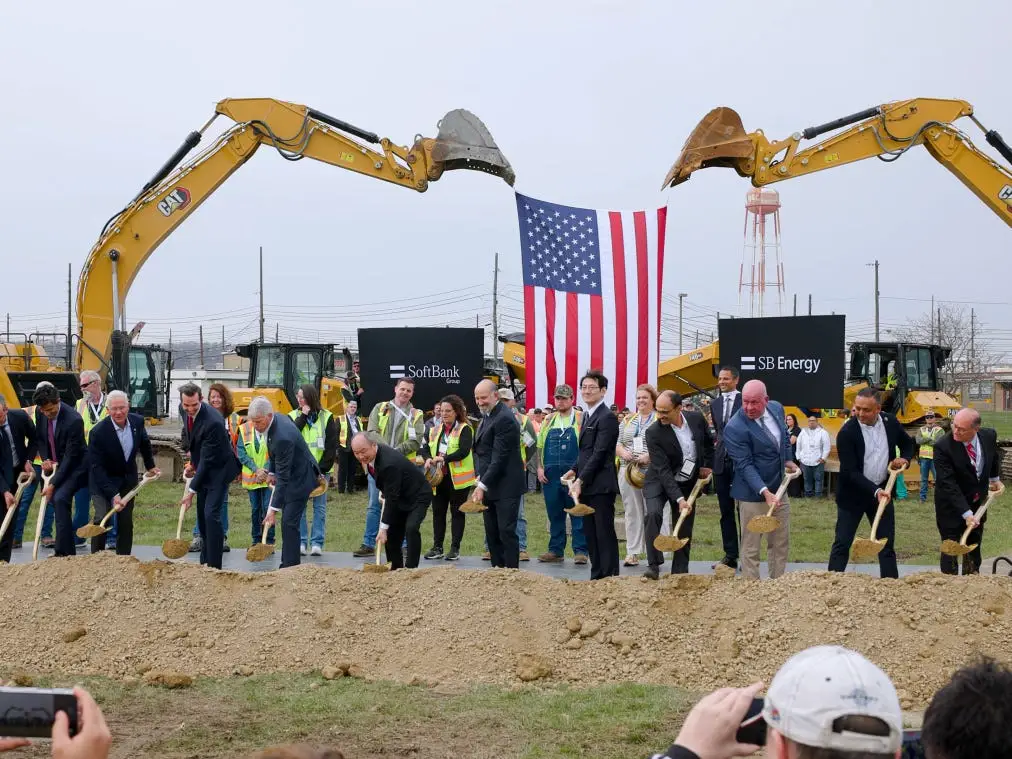
The Department of Energy said SB Energy broke ground in March in Ohio on the planned AI and cloud campus at the former Portsmouth Gaseous Diffusion Plant, known as PORTS, on land leased by the federal government.
The Nvidia-backed project is expected to include up to 10 gigawatts of data-center capacity, with OpenAI set to use up to 8 gigawatts of it for its workloads.
The project has raised concerns about potential health and environmental risks associated with the site’s history as a uranium enrichment plant. SB Energy did not offer a comment.
Project Matador — Texas
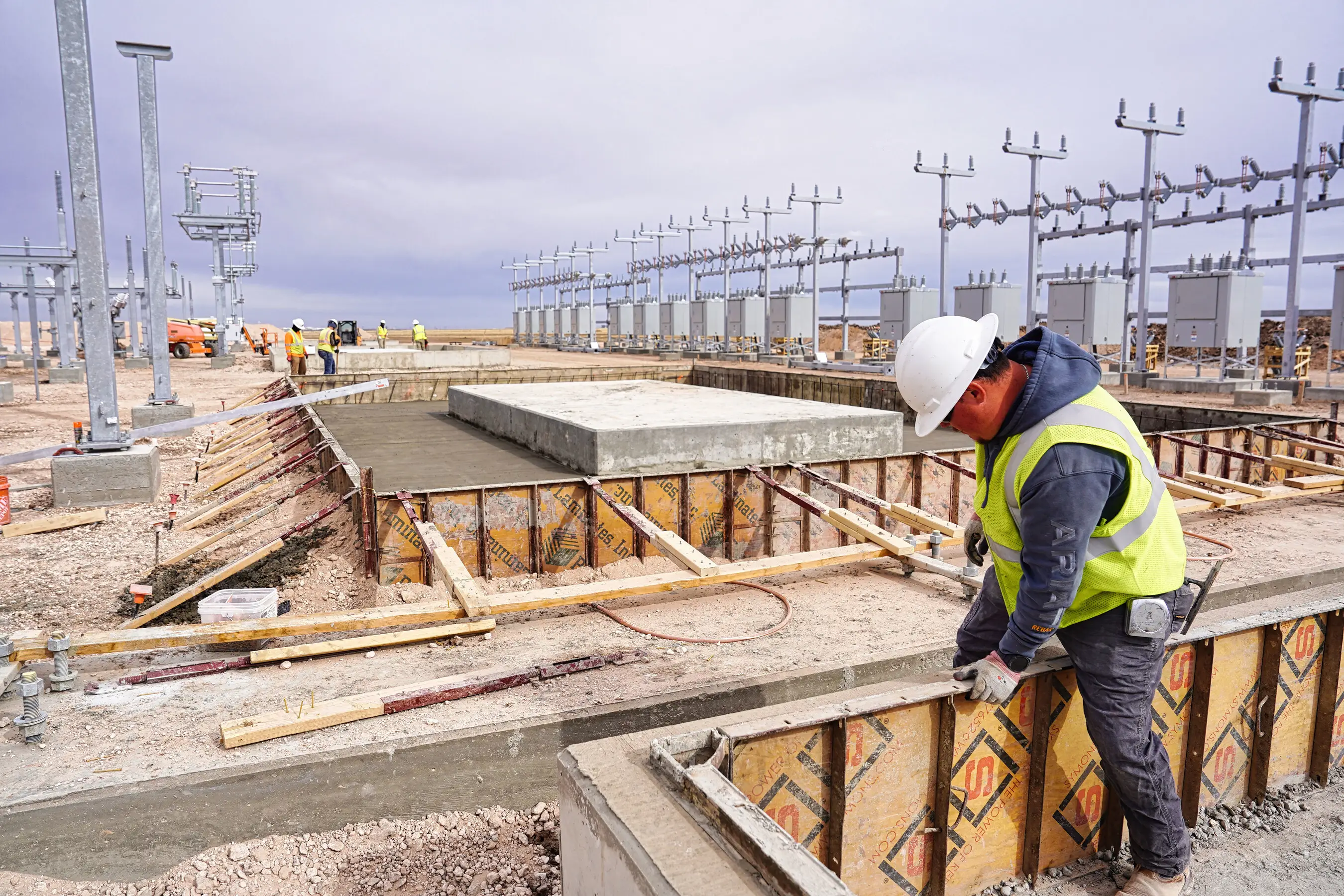
Fermi America’s Project Matador, also called HyperGrid, is an AI data center and private power campus being built near Amarillo, Texas.
Fermi, which was co-founded in 2025 by former Texas Gov. and US Energy Secretary Rick Perry, said it is pursuing roughly 17 gigawatts of private power for the campus, up from the initially planned 11 gigawatts. That means the campus would generate much of its own electricity on-site rather than relying entirely on the public grid. The company says 6 gigawatts have been permitted so far.
Fermi has a 99-year land lease with the Texas Tech University System for the core site, and the project could span roughly 8,400 acres at full build-out. Fermi says construction is underway, with completion planned for the 2030s, and AI cloud company TensorWave has signed a 15-year lease expected to generate about $6.5 billion in contracted revenue for the first phase. Fermi is also developing a cooling system designed to substantially reduce water use.
The company was hit with a class action lawsuit earlier this year. The investor lawsuit alleges Fermi misled investors about the status and prospects of Project Matador; its shares fell after Amazon withdrew a $150 million construction advance in December 2025.
Meta, Google, Oracle, Fermi America, CloudBurst, and xAI did not immediately respond to a request for comment from Business Insider.
Read the original article on Business Insider
The post AI is driving a data-center power boom. Here are some of the biggest US projects being built. appeared first on Business Insider.