I can’t help but think of the human lie detector test Larry David tried to use at various points throughout the run of Curb Your Enthusiasm. He’d stared deep into a person’s eyes to try to detect… something. Some sign of deceit, some kind of all-telling flicker.
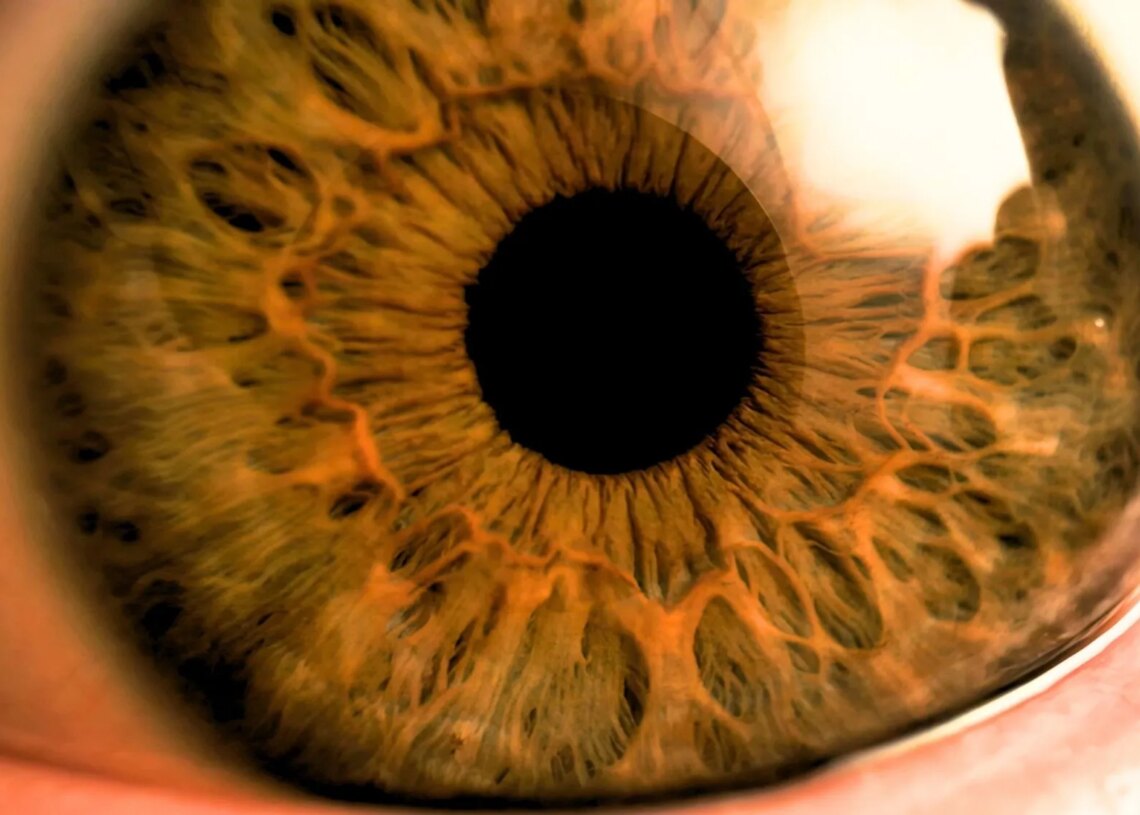
The running gag is that he was never good at it, but he was on to something with the general idea of trying to figure out something about another person by just staring into their eyes. A study published in Scientific Reports detailed how tiny, quick fluctuations in pupil size could eventually help researchers understand ADHD.
Researchers at the Indraprastha Institute of Information Technology Delhi analyzed eye-tracking data from 50 children in Chile as they performed a memory task. Instead of looking at static pupil sizes, the research team tracked pupil variability between trials.
Your Eyes Could Be Dropping Tiny Clues About ADHD
They found that unmedicated children with ADHD had 23 percent greater pupil response variability across tests compared to a neurotypical control group. One fascinating find is that when 17 of the kids were tested while taking methylphenidate, the active ingredient in ADHD meds like Ritalin and Concerta, their pupil fluctuations stabilized and started to look more like the control group’s eye movement.
The research team says eye tracking won’t replace diagnostic doctors anytime soon. Eye tracking will probably end up as just another tool, one that is well on its way to establishing itself as a way to diagnose ADHD, and maybe even autism.
For instance, as reported by Smithsonian Magazine this past May, a 17-year-old high school senior from New Jersey named Edward Kang recently earned second place and $175,000 at the 2026 Regeneron Science Talent Search for creating RetinaMind.
Kang learned how to build an AI tool that analyzes retinal images to diagnose ADHD and autism spectrum disorder with roughly 89 percent accuracy.
The post Scientists Just Found an ADHD Clue Hiding in Kids’ Pupils. Here’s What It Means for the Future. appeared first on VICE.