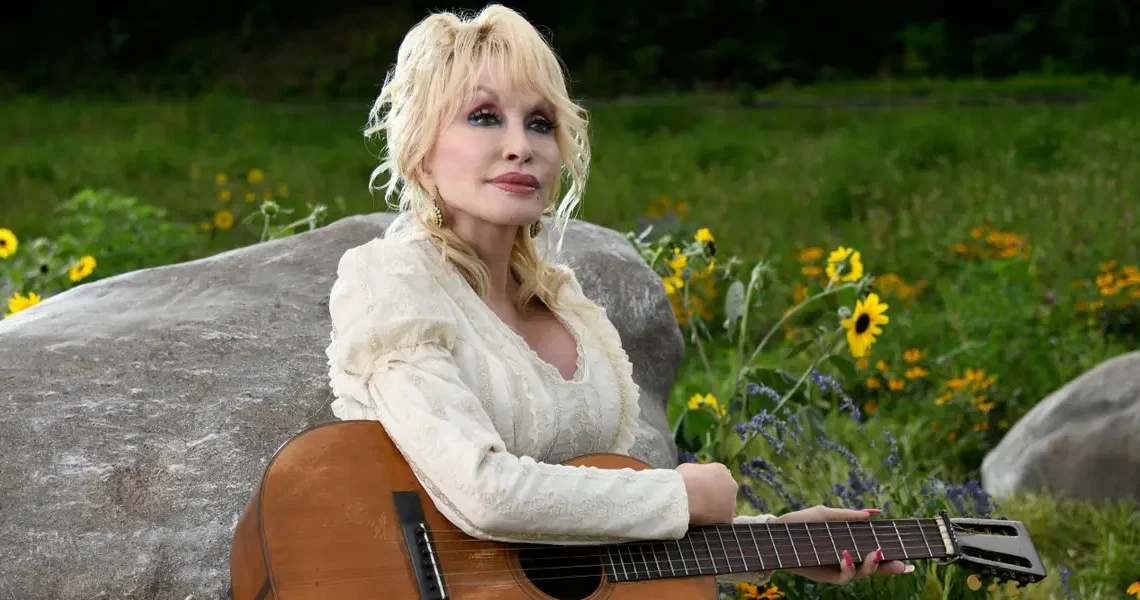
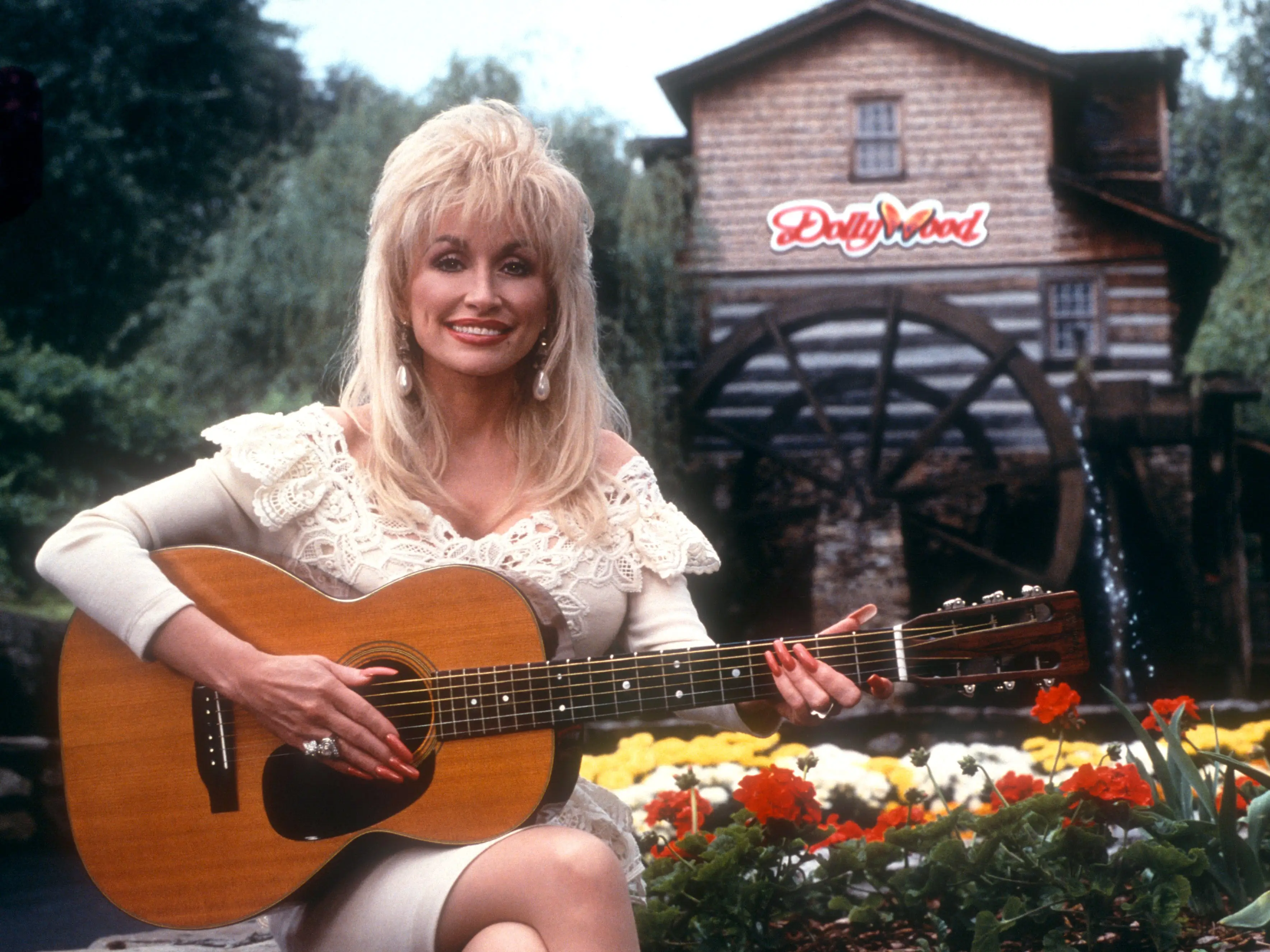
There’s legal drama swirling around Dolly Parton’s estimated $450 million estate.
Nearly a month after Parton’s death in August, her nephew and longtime head of security, Bryan Seaver, was fired and sued by Parton’s manager and one of the entities established to oversee Parton’s business affairs, She’s Alive LLC.
In court filings, Parton’s manager, Danny Nozell, and She’s Alive LLC allege that Seaver made violent threats against employees and vowed to damage her business empire unless his demands were met.
Seaver confirmed he was fired but disputed that he made threats, saying the language was taken out of context.
Seaver, Nozzell, and Parton’s estate did not respond to requests for comment from Business Insider.
The dispute casts a spotlight on the business empire Parton built over her decadeslong career and on the people now responsible for protecting it.
Here’s what you need to know about the fallout and what, exactly, is at stake in this conflict.
Dolly Parton died on August 25. She was 80.
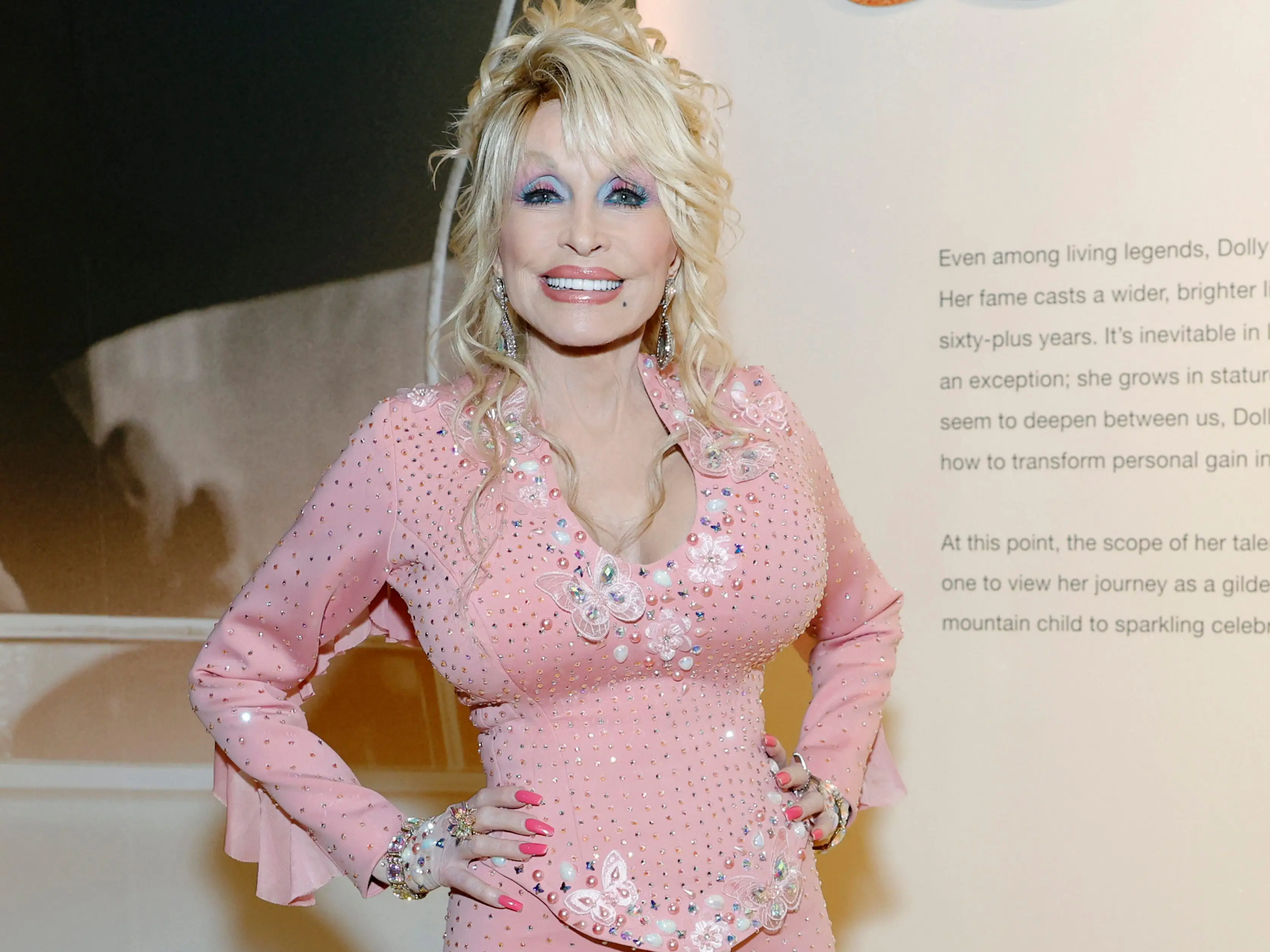
Parton died after a private battle with cancer, though she had referenced unspecified health issues earlier in the year.
Her death sent shockwaves around the world. There were tributes across the US, including a heartwarming one to her at the 2026 Emmys, with a song performed by Reba McEntire.
President Donald Trump ordered all the flags to be lowered to half-mast, a rare honor for a private citizen.
Her death was announced on Instagram by her nephew, Bryan Seaver. He was her head of security for over 20 years.
“This video announcement is something Dolly asked of me years ago, before I fully absorbed it as a future reality. As her head of security for more than two decades, a role my father Larry held before me, I have imagined the heaviness of this moment, but haven’t truly felt it until now,” said Seaver in the video.
“Rest in peace, Aunt Dolly, Aunt Granny, Gigi. My God bless Dolly Parton, and may God bless you all. She will always love you,” he concluded.
Seaver is the son of Parton’s younger sister, Cassie, one of her six surviving siblings.
About a month after Parton’s death, Seaver was fired from his role as her security.
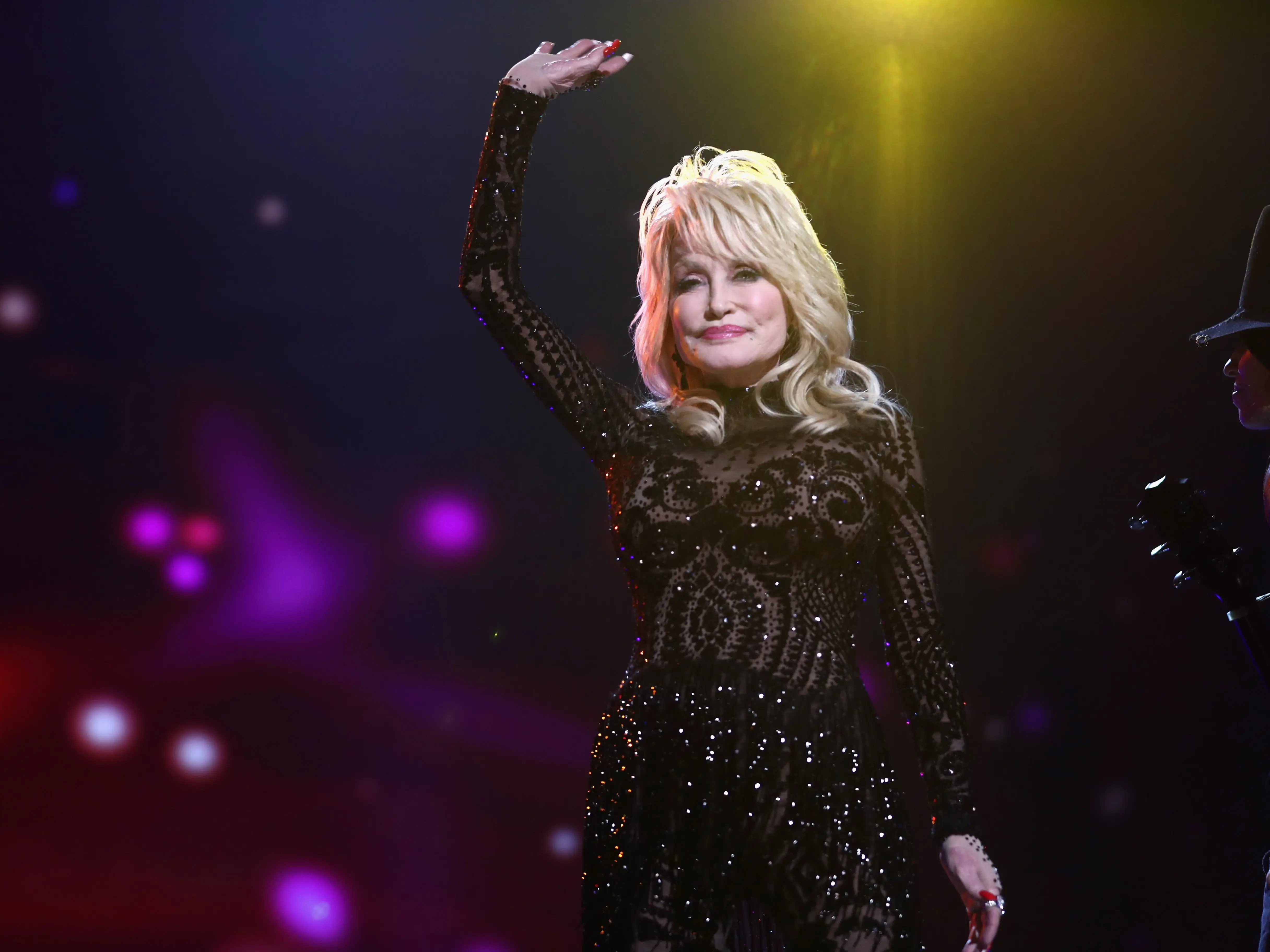
The New York Times reported that Seaver was fired from his role as head of security for Parton’s estate and properties. His firm was replaced by new security personnel.
On September 22, Nozell and She’s Alive LLC filed a lawsuit against Seaver and sought a temporary restraining order. On September 23, a judge granted the temporary restraining order.
Variety reported that Nozell alleges Seaver “engaged in a campaign of coercion, extortion and violent threats.”
The joint filing for the suit and restraining order says that Seaver referred to himself as “literally an international arms dealer and mercenary” and said he’s “not an entertainment person. I’m a killer.”
The next day, Seaver confirmed he had been fired but disputed Nozell’s version of events.
“The restraining order is spurious and simply a publicity stunt,” Seaver told ABC News.
“I was fired. After the estate negotiated with me and my company for services in perpetuity and agreed to that service provision from my company,” the statement continues. “A week later, they fired me for these contrived ‘threats.'”
“Dolly called me her killer. It was a joke we used around her camp,” he added. “Danny Nozell took that text out of context to somehow imagine that I was threatening him. He’s always called me The Killer.”
Nozell and She’s Alive LLC, an entity set up by Parton before her death to protect her legacy, allege that Seaver demanded money or else.
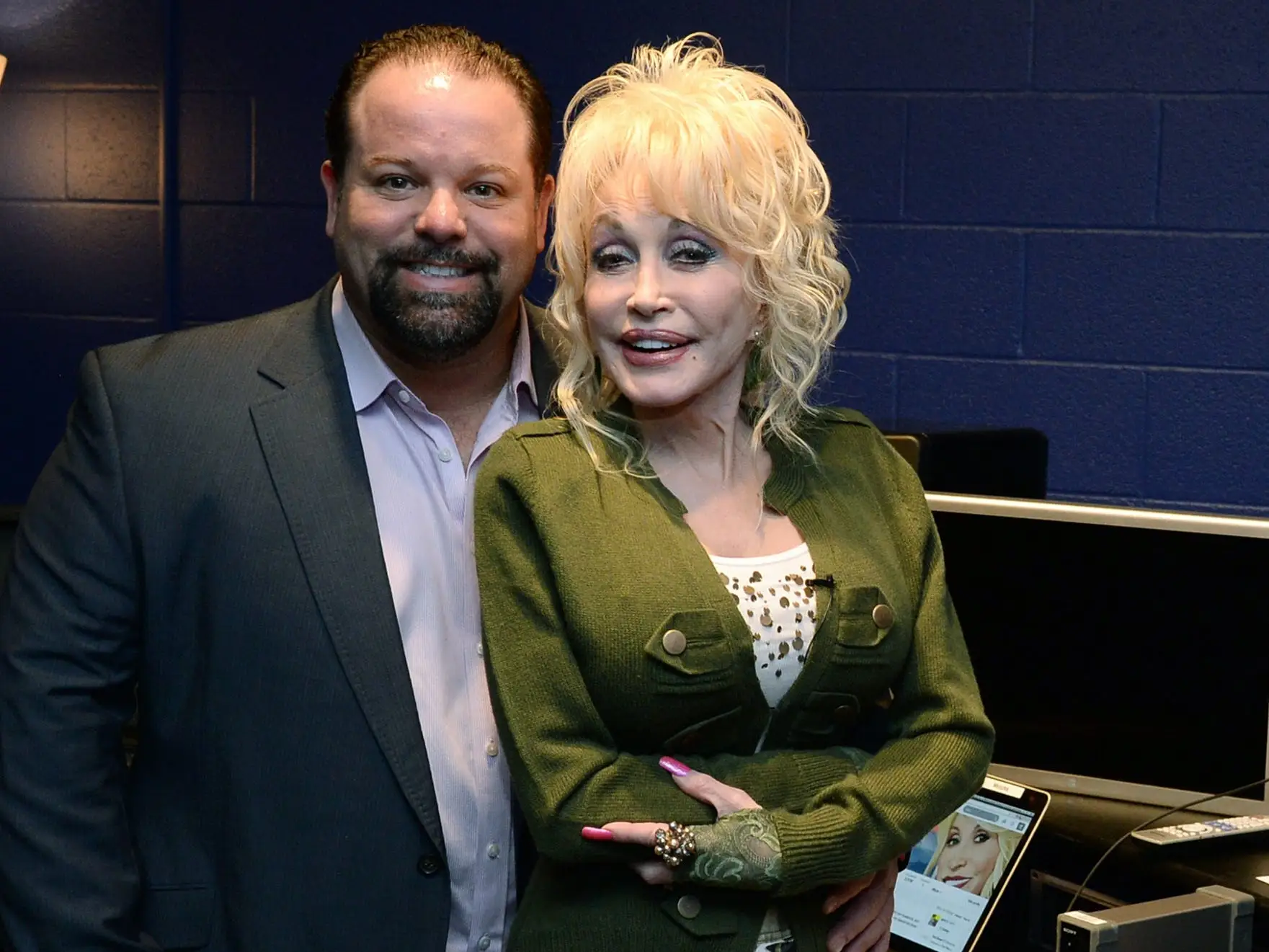
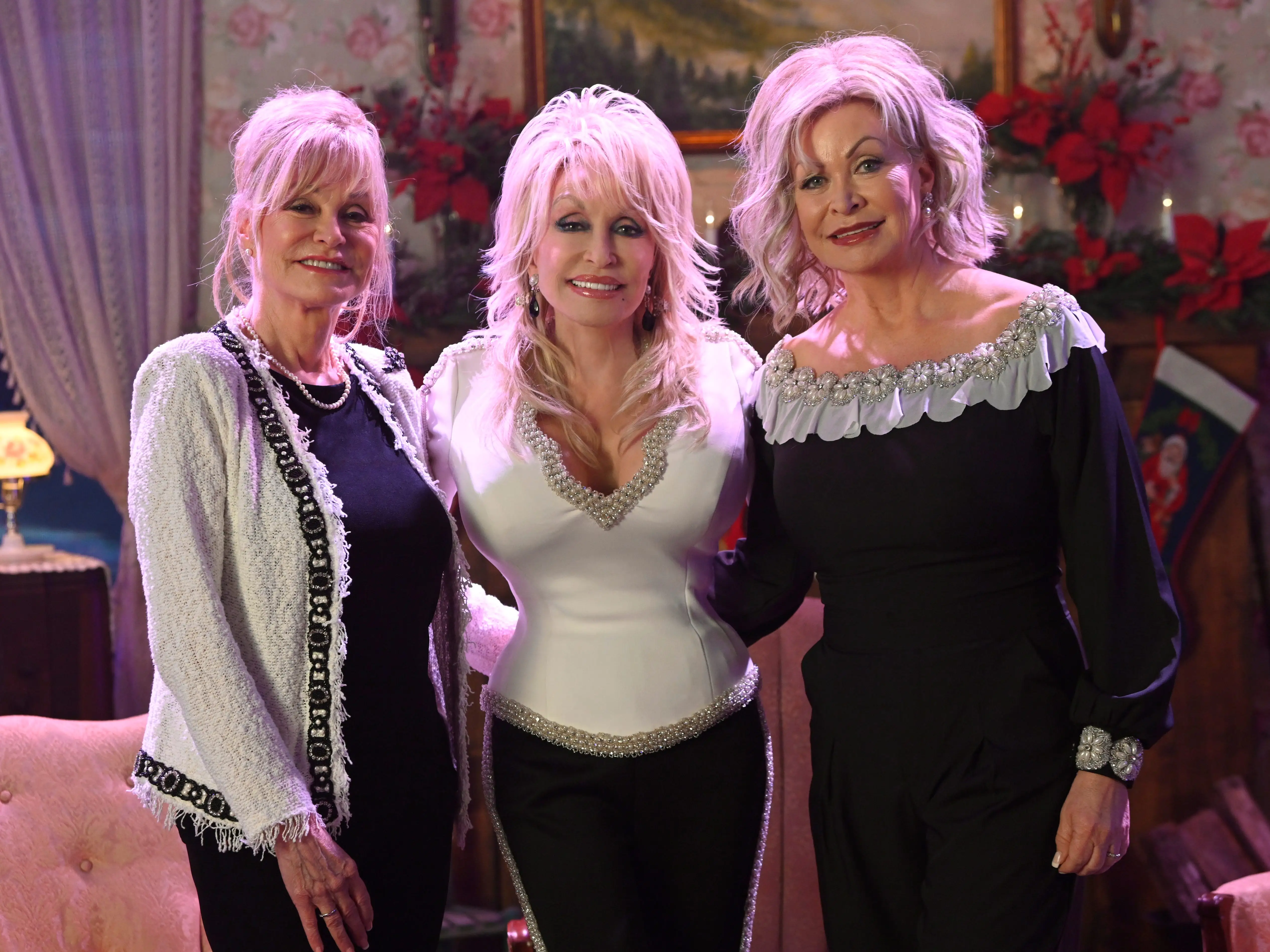
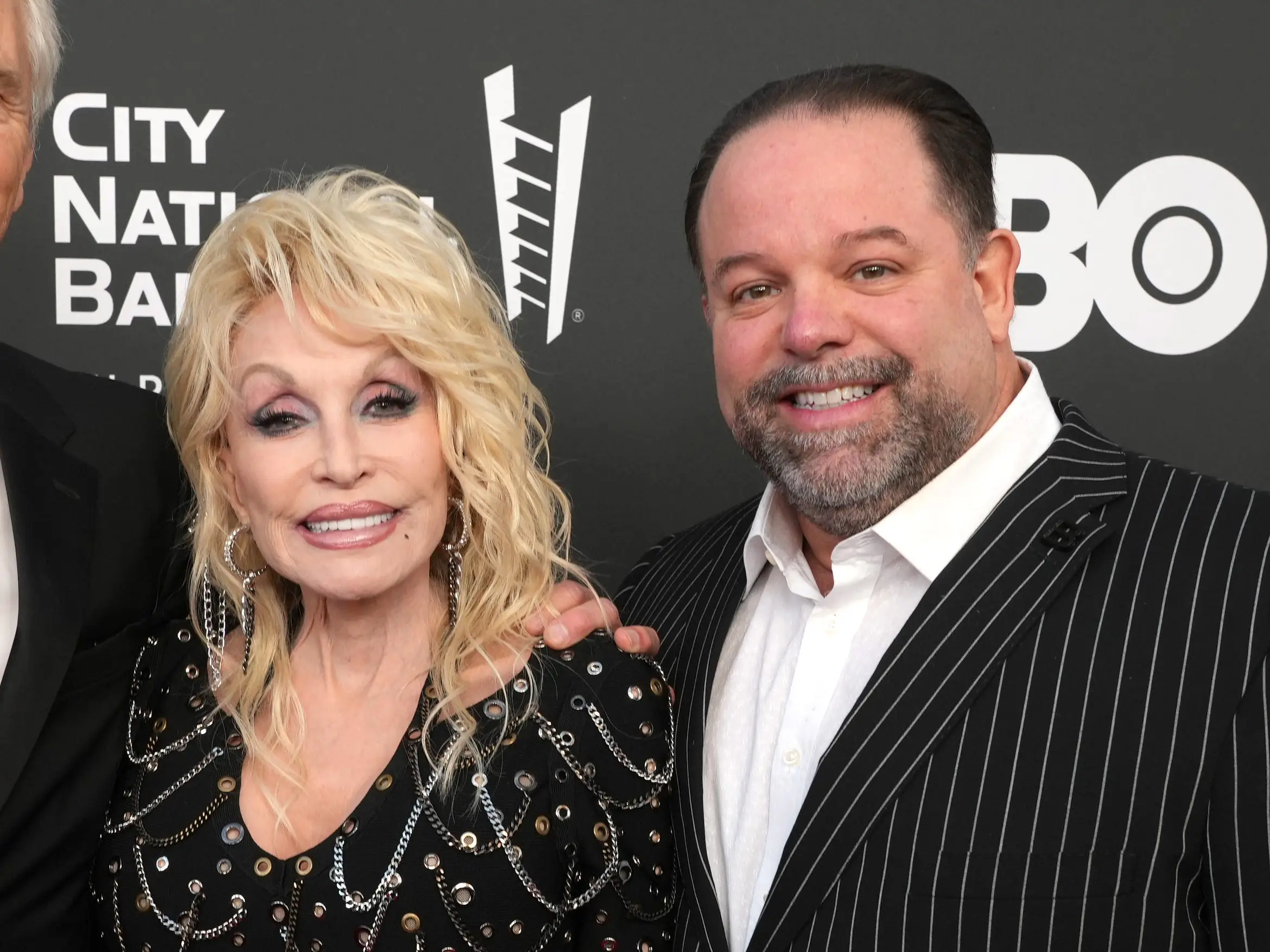
While Nozell (pictured with Parton above) is acting on behalf of She’s Alive LLC (SAL), dedicated to overseeing Parton’s posthumous legacy, it’s separate from the DP Dean Trust, the entity controlling Parton’s estate.
Variety reported that the suit alleges Seaver threatened to interfere with his aunt’s businesses unless he was paid. One filing said Seaver said he would start a podcast “dedicated to ruining Dolly’s brand partnerships” without financial compensation.
The suit also contains text messages that it says were sent by Seaver. One reads: “I am about to become the hand of retribution for my entire family.”
Seaver disputed the characterizations of his texts to The New York Times.
“This is a contrived out-of-context explanation of how this went down, and it is being done in an effort to solidify me as some sort of opposition to her brand in her legacy,” he wrote, “and that is not the case.”
He added, “I trusted Danny, and that’s what those messages were, two friends and brothers commiserating on the people that have screwed Dolly over for many, many years.”
Parton had an estimated net worth of $450 million.
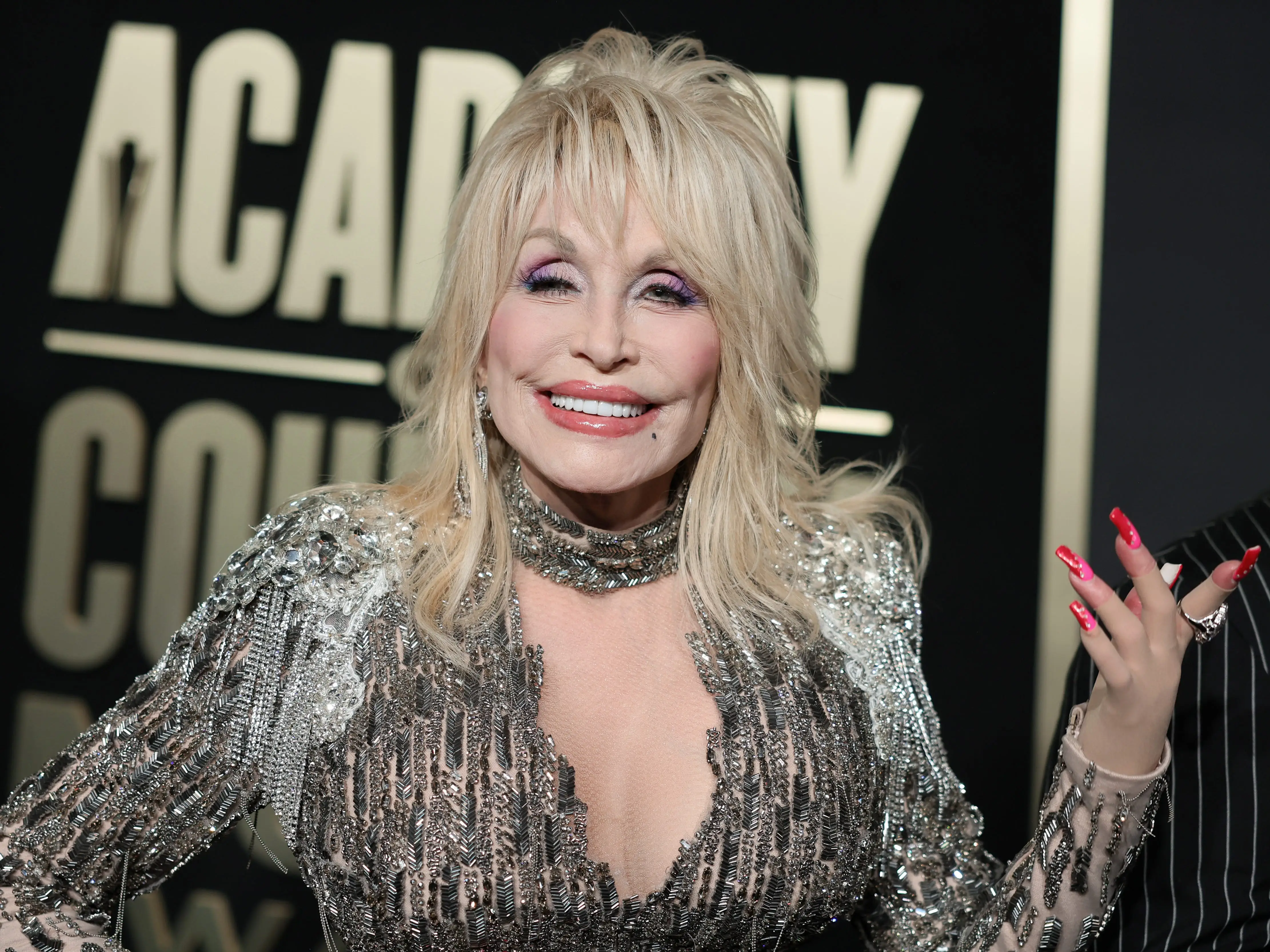
Forbes reported Parton’s net worth was $450 million in June 2025, about a year before her death.
Parton didn’t come from money — in fact, she had humbler beginnings than most. She and her 11 siblings grew up in a two-room log cabin in Sevierville, Tennessee. It had no electricity or running water.
But decades of iconic songs and smart business decisions led to her wealth growing.
Dollywood was her biggest asset.
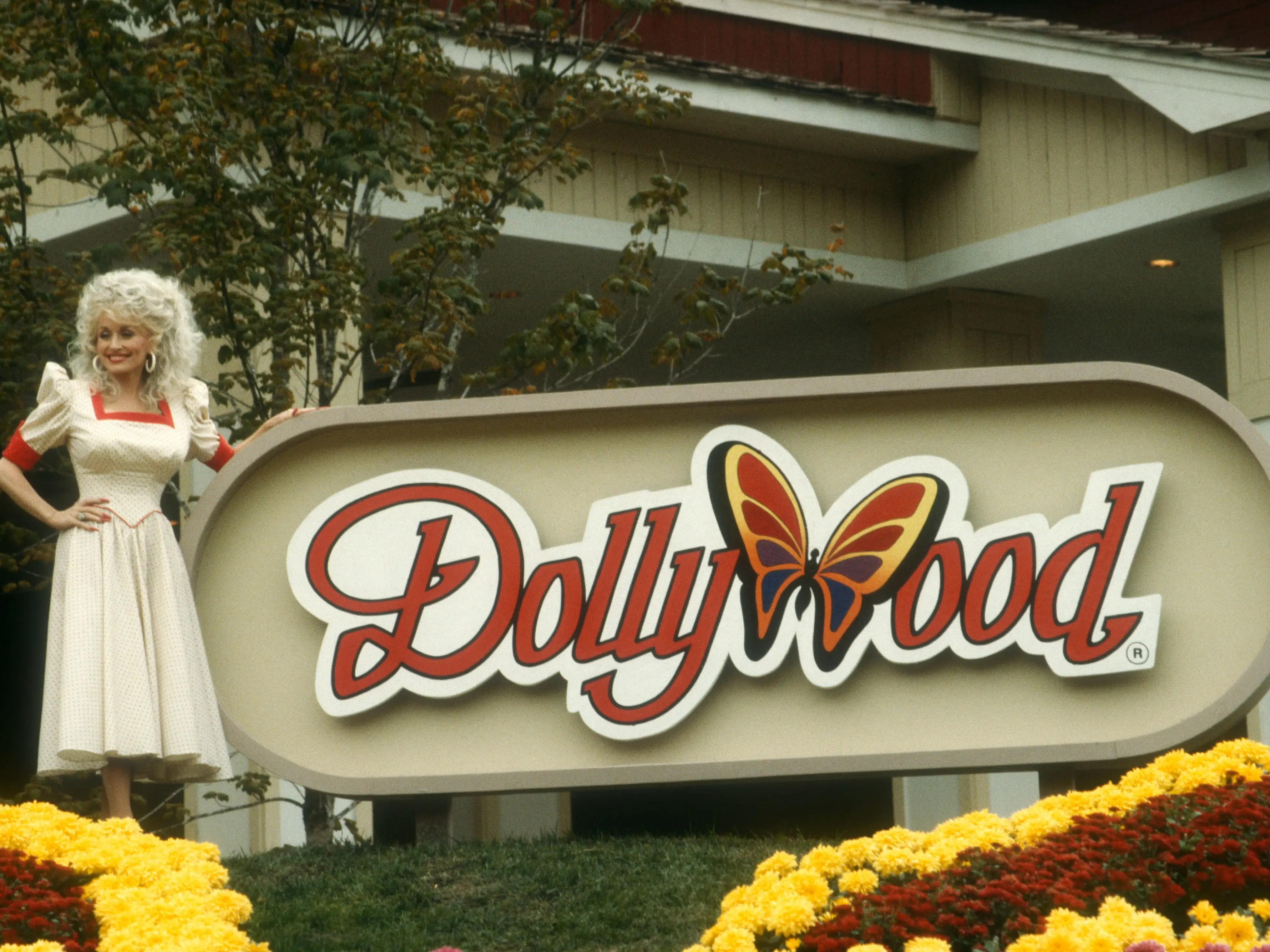
Dollywood is an amusement park located in Pigeon Forge, Tennessee. It opened in 1986 and has been a popular attraction in the area ever since.
According to a 2021 Forbes report, Parton retained a 50% stake in the park, worth about $165 million.
There’s also the adjacent water park, Dollywood’s Splash Country.
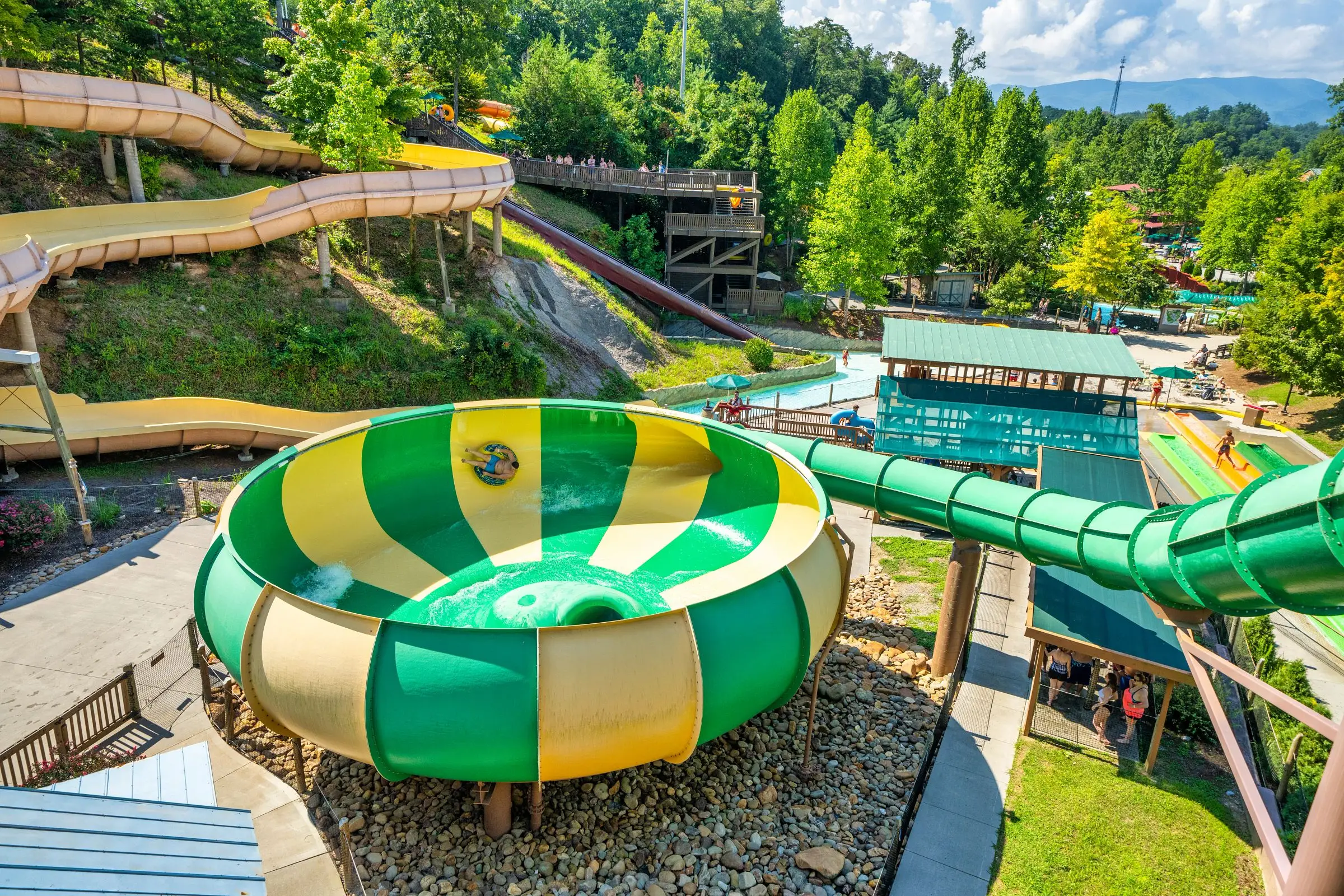
Splash Country, adjacent to the theme park, opened in 2001. Her shares in Splash Country were worth about $20 million, per the 2021 Forbes report.
She was a co-owner of DreamMore Resort and Spa and HeartSong Lodge and Resort in Pigeon Forge.
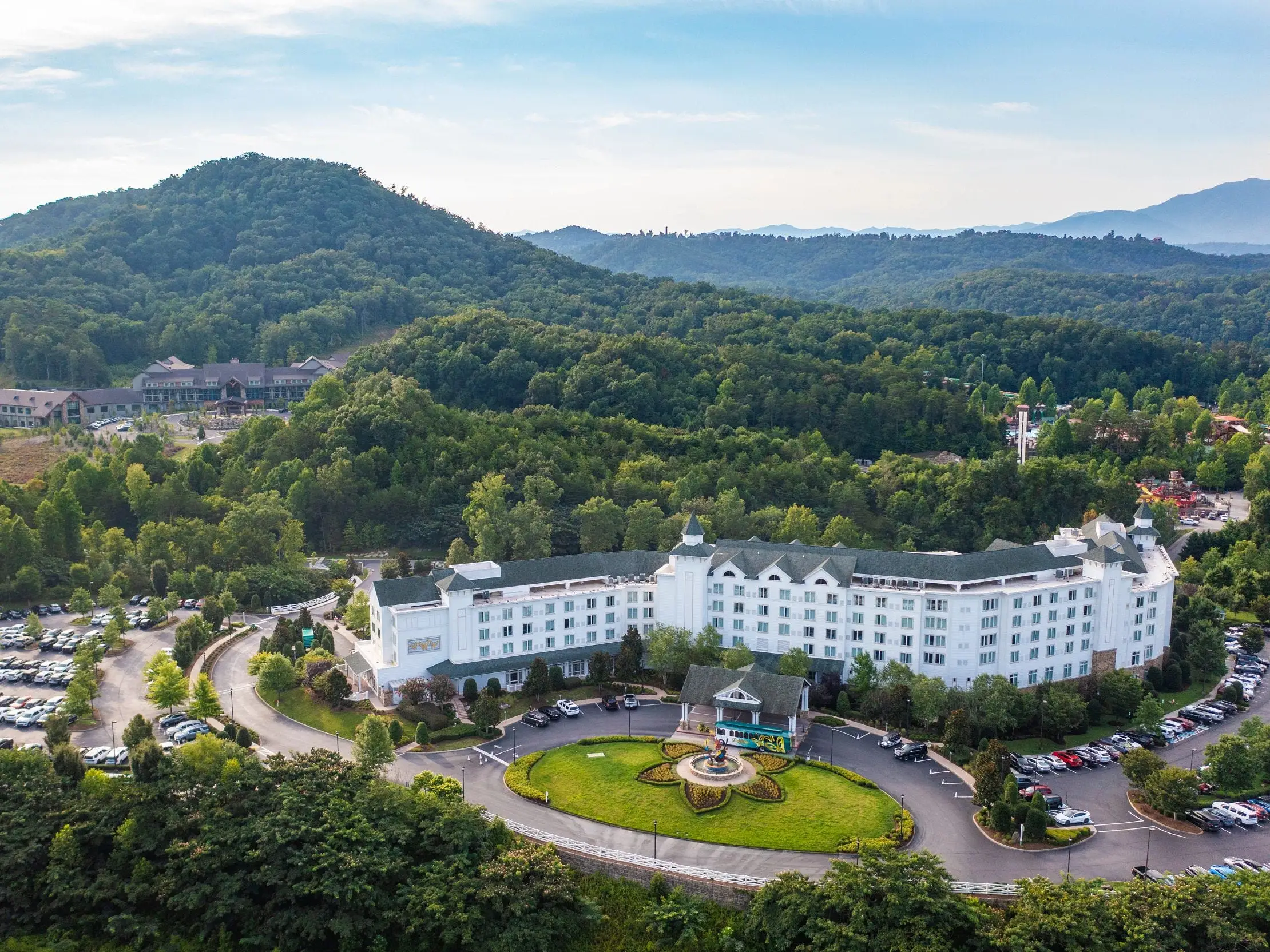
Dollywood has two affiliated resorts located in Pigeon Forge: DreamMore and HeartSong. Parton was a co-owner of both.
Her stake in DreamMore was worth $15 million.
Her songwriting catalog is estimated to be worth about $120 million.
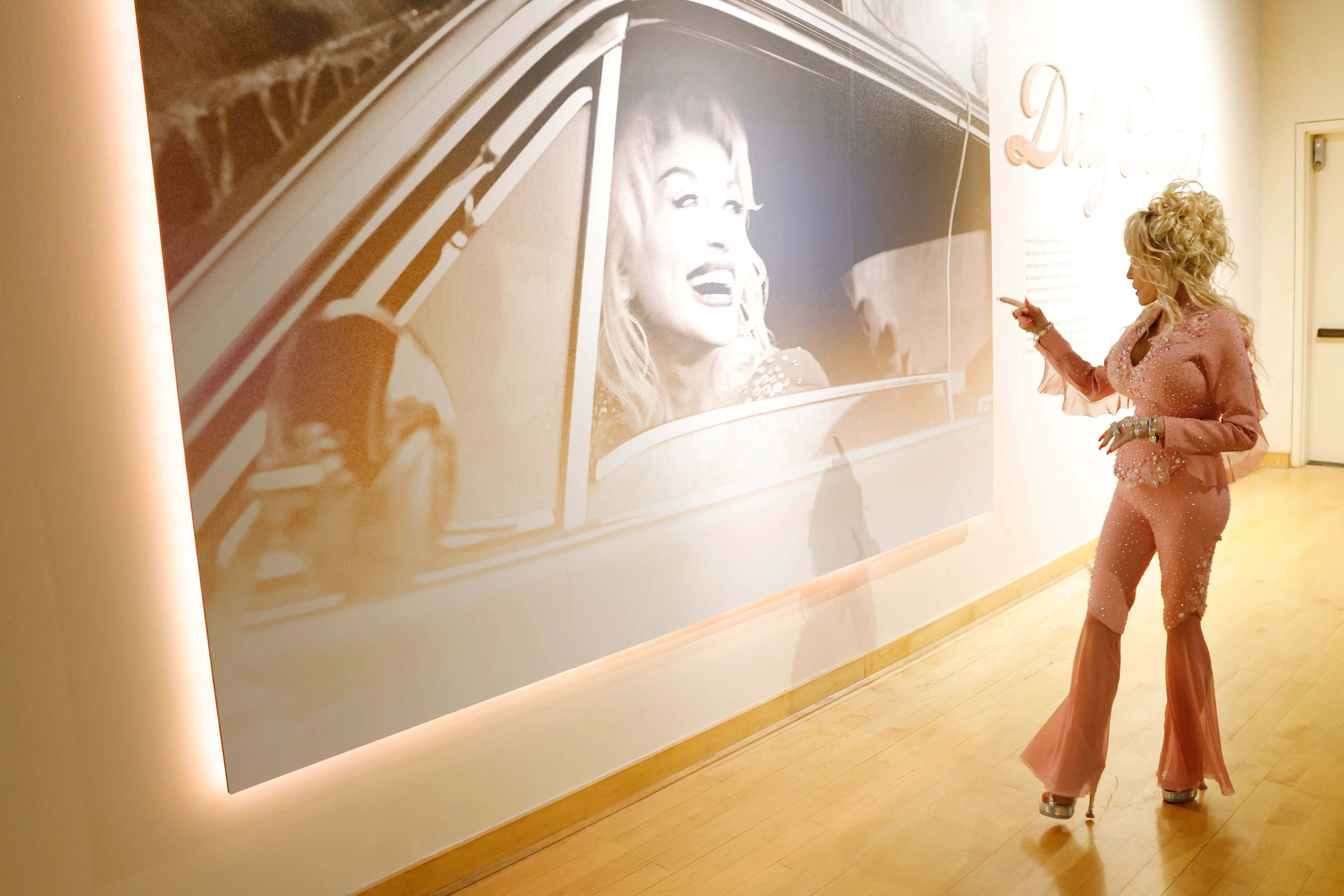
Parton recorded 49 studio albums (plus more compilations and live albums) over the course of her career, and thousands of songs — and she owned the publishing for most of them.
Famously, Elvis Presley wanted to record a cover of “I Will Always Love You,” but, as his (infamous) manager Colonel Tom Parker told her, Presley typically took 50% of the profits from covers he recorded.
Parton refused, later allowed Whitney Houston to cover the song while retaining ownership, and, as she famously said, earned enough money from that one cover to purchase Graceland itself.
As Forbes reported in 2021, her catalog was worth about $120 million.
Her likeness and brand have been licensed to everything from Duncan Hines baking mixes to pet gear.
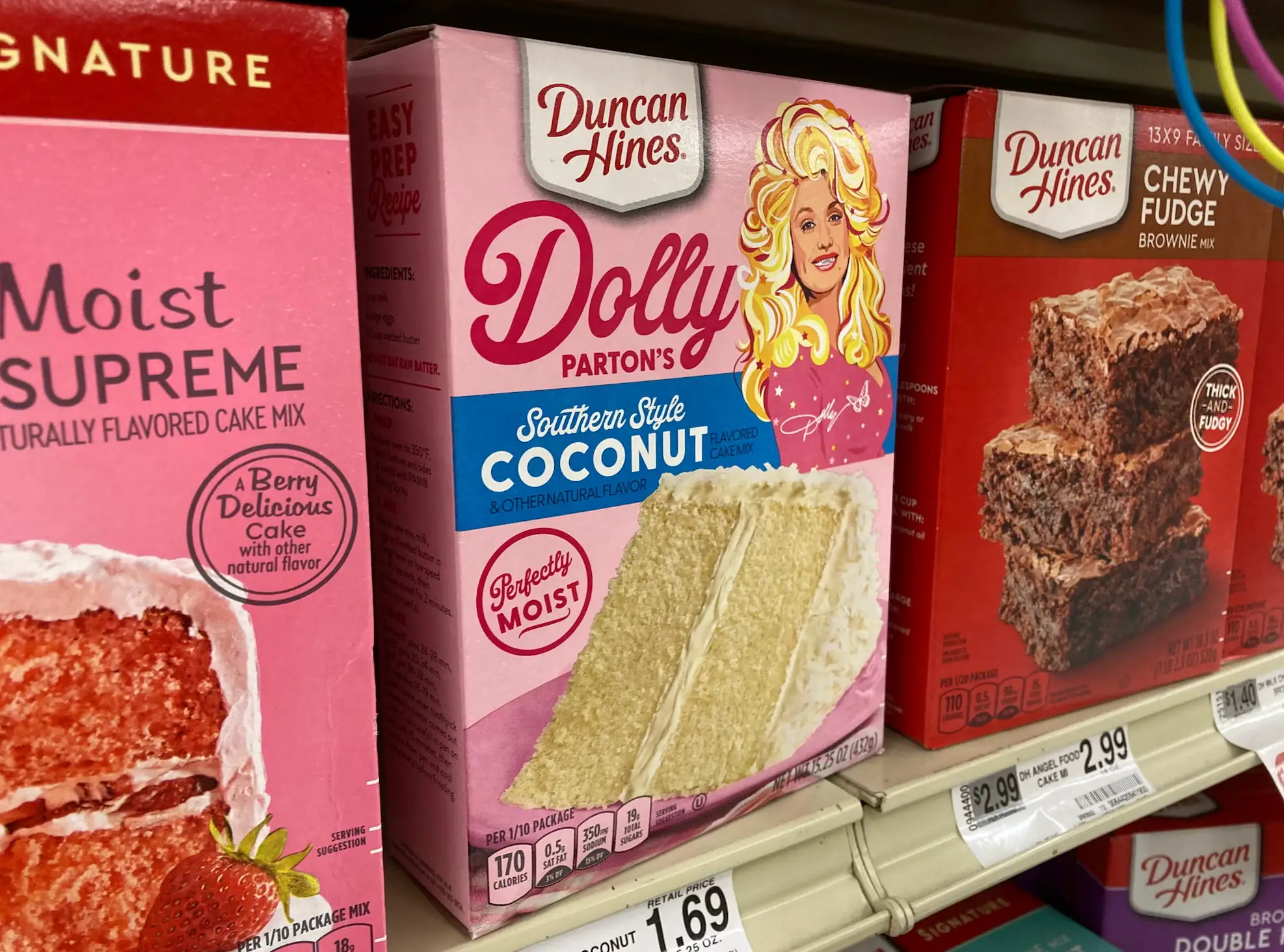
Parton had restaurants, cookware, jewelry, cookbooks, boxed mixes, home decor, and more, all of which bear her name and earned her a profit.
There are also multiple charities bearing Parton’s name.
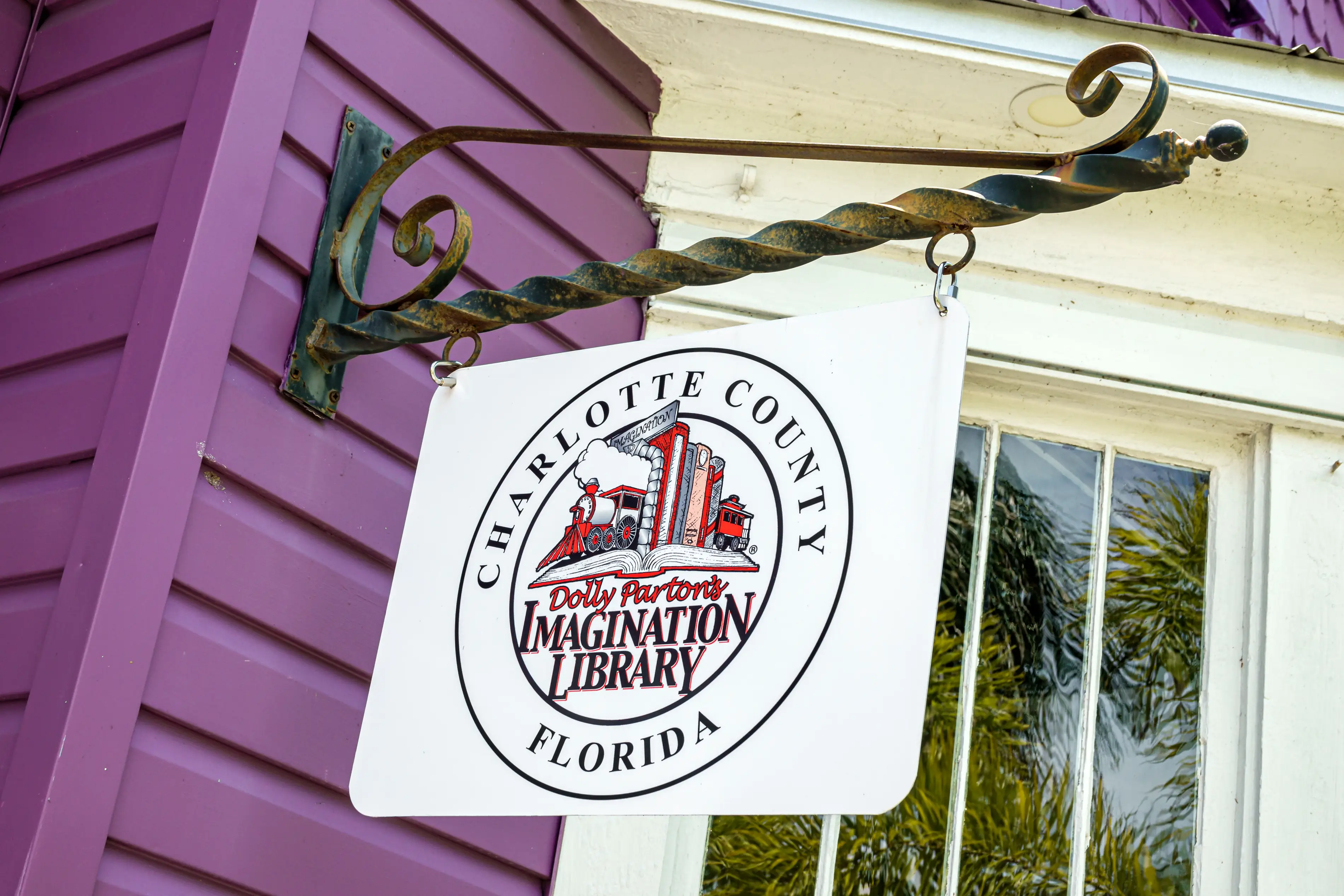
Parton was famously very giving. The Dollywood Foundation was founded in 1988 and has been responsible for efforts such as the Imagination Library, which distributes 3 million books a month to children from birth to age 5.
She also established the Dolly Parton COVID-19 Research Fund to support the Moderna vaccine, and funded the Dolly Parton Center for Women’s Services and Dolly Parton Birthing Unit at the LeConte Medical Center in Sevierville.
Nozell has asked for a jury trial.
In the request for the temporary restraining order, Nozell also requested a jury trial to resolve the matter, so we’ll have to wait and see what happens next. A hearing is scheduled for October 7.
Read the original article on Business Insider
The post Why Dolly Parton’s estate is suing her nephew — and what’s at stake for her business empire appeared first on Business Insider.