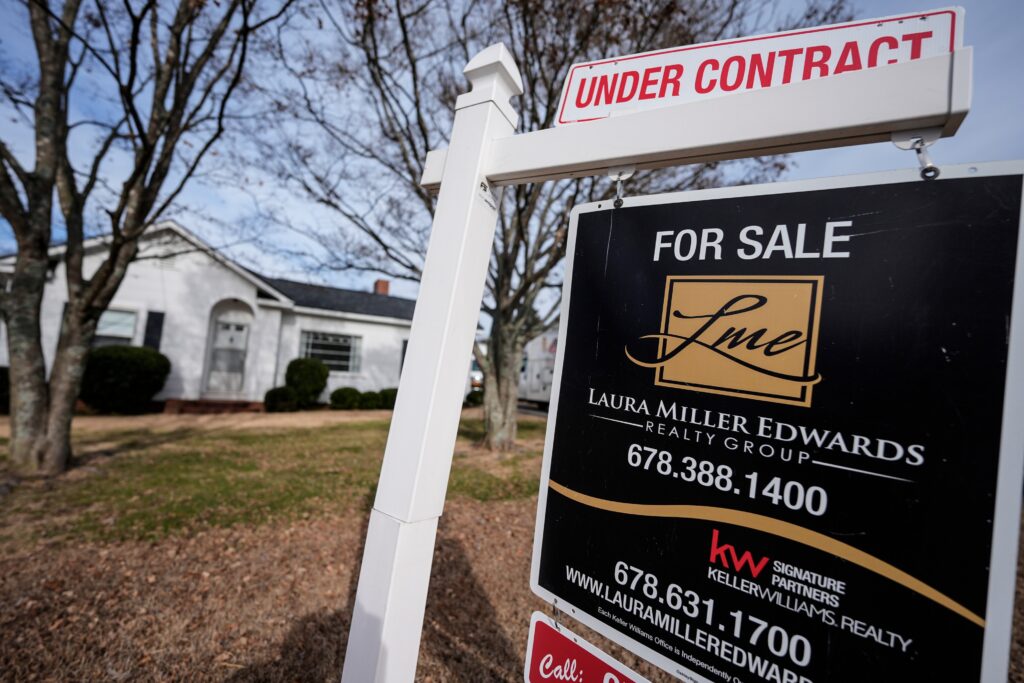
As home buyers face average 30-year fixed-rate mortgages near 7 percent, borrowing costs may rise even higher.
The 10-year Treasury yield, a benchmark that influences mortgage rates, rose above 5.1 percent Wednesday, a level it hadn’t seen in nearly two decades.
Rising mortgage rates on top of other factors are depressing home sales, analysts say.
The spike in bond yields was a continuation of recent sell-offs amid a variety of market pressures that include surging government debt, oil price spikes because of the conflict in the Middle East, competition for borrowing from artificial intelligence firms racing to build data centers and bets that the Federal Reserve will further raise interest rates to fight inflation.
When investors sell bonds, prices for those bonds fall. That move drives bond yields up, because buyers are paying less for the same fixed interest payments.
Voters are facing many rising costs as November’s midterm elections near. The national average gas price was $4.47 per gallon on Wednesday, according to AAA, well over a dollar higher than a year ago. The average price of diesel fuel was $6.52.
The cost-of-living pressures, which experts say are not likely to soon ease, are bedeviling Republicans as they try to hang on to control of Congress.
Catch up quickly every weekday morning with a rundown of the 7 most important and interesting stories. Sign up for The 7 newsletter.
The post Why mortgage rates could soon rise even more appeared first on Washington Post.