Everyone’s talking about Apple’s new foldable phone, but that’s only one of the new gadgets the iPhone maker unveiled on Wednesday.
At its annual product launch, Apple revealed a slew of novel products and features, from watch technology that tells users how old they really are to a version of Siri that listens to all your conversations.
Despite the new offerings, Apple’s stock price fell about 2% near the end of the launch presentation before recovering late Wednesday afternoon. The company also revealed it was raising the prices of its iPhones by $100 across the board, a move Apple says is due to the ongoing memory shortage.
Here’s a list of some of Apple’s new stuff.
The iPhone Duo
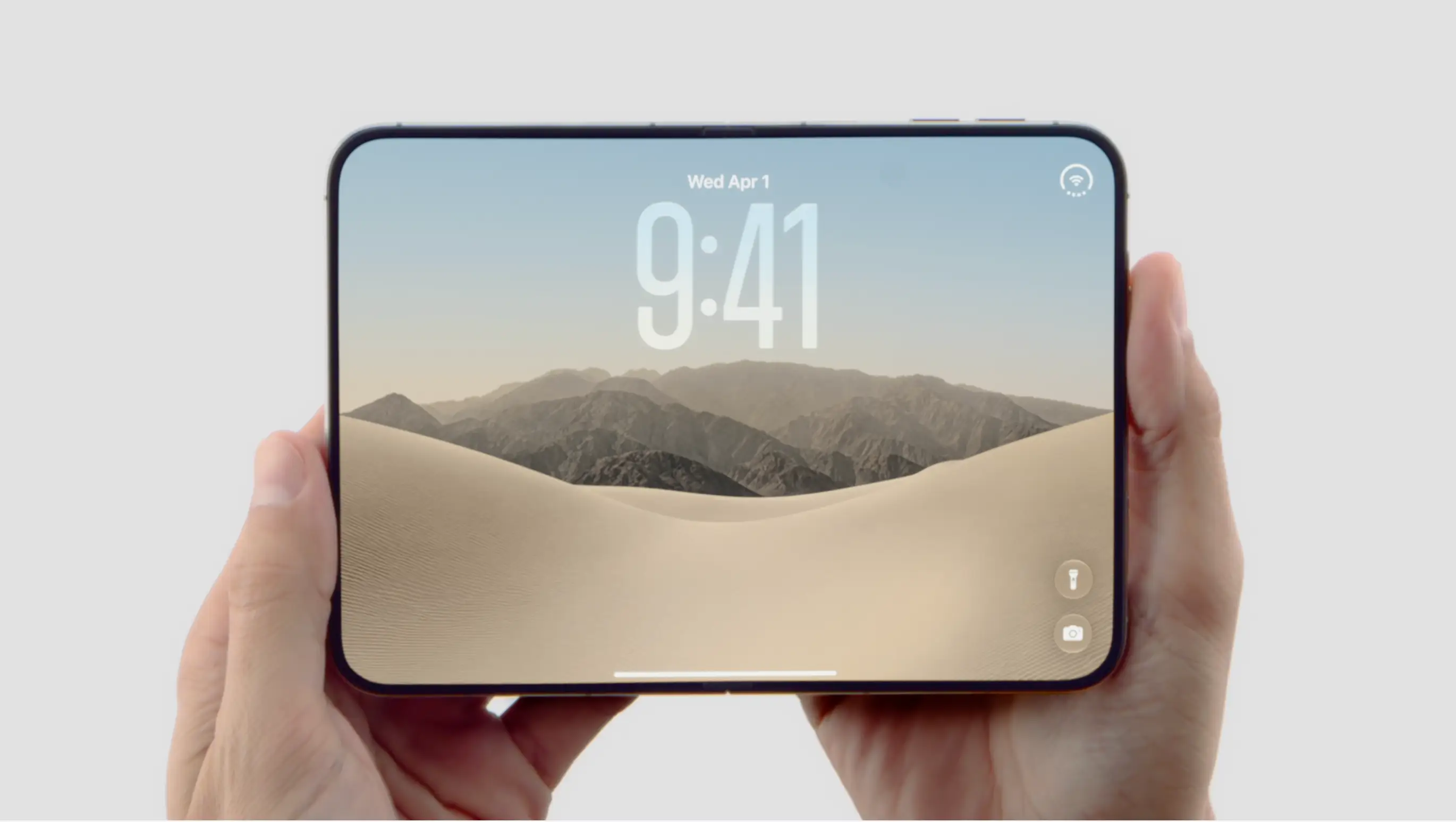
In its most anticipated announcement, Apple launched a new foldable iPhone — its first foray into foldable technology.
The iPhone Duo starts out as a 5.4-inch phone with a screen, and once opened up like a book, it becomes a 7.6-inch device that resembles an iPad. The device starts at $1,999. Pre-orders begin October 16, with availability beginning October 23.
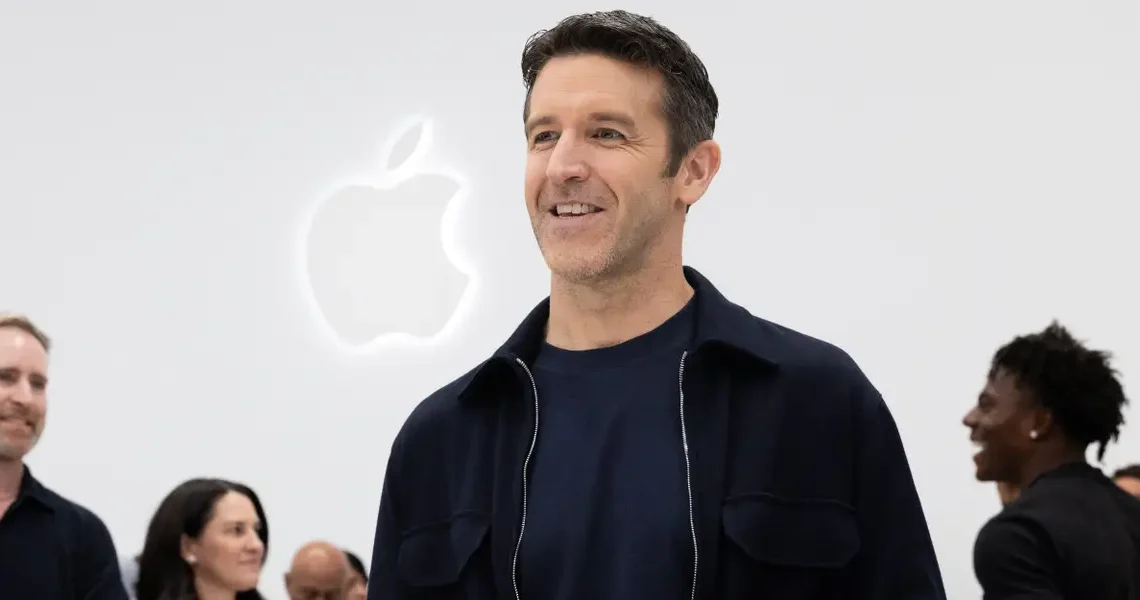
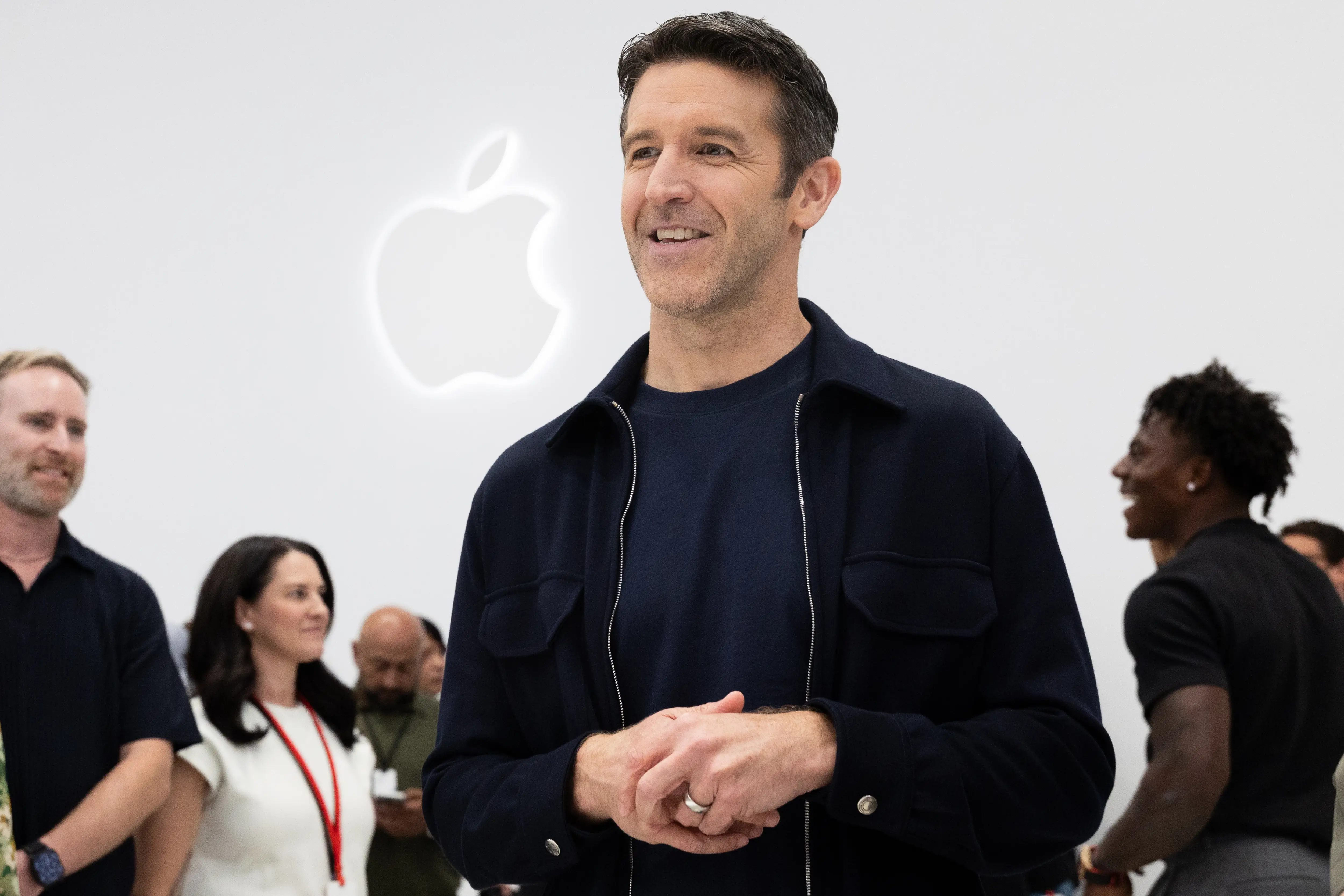
John Ternus, Apple’s CEO, said during the launch that other foldables feel too much “like two phones awkwardly stuck together.” The company instead wanted a larger display, one that Ternus said feels “as natural and intuitive as an iPad.”
Samsung, which first launched a foldable phone in 2019, shared its thoughts on Apple’s shiny new product in a post on X. “Let us know when you’re done reheating our leftovers,” it wrote.
iPhone 18
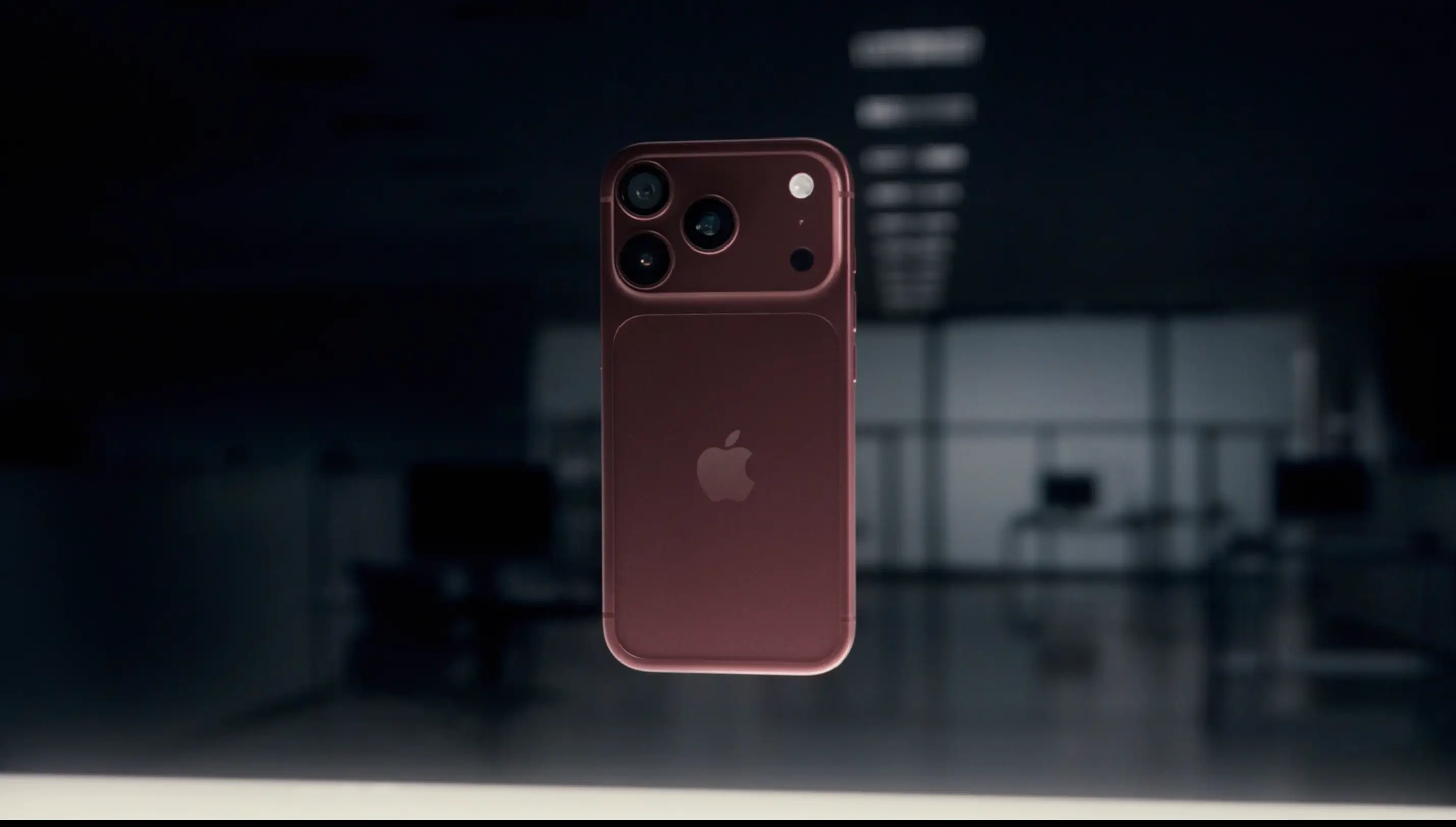
Apple’s new iPhone 18 model offers better battery life, camera capabilities, and performance than its predecessor, the company said. It comes in four colors: black, silver, glacier, and burgundy.
Available in two models, the Pro and Pro Max, the devices can be preordered on September 12, with availability beginning September 18.
In addition to camera upgrades, the new phone has improved graphics rendering and a more robust “dynamic island,” the small, black, cylindrical segment near the top of the phone’s display.
The Pro version starts at $1,199, or buyers can pay installments of $49.95 a month. The Pro Max starts at $1,299, or $54.12 a month for 24 months. The devices come with storage capacities of 256 gigabytes, 512 gigabytes, 1 terabyte, or 2 terabytes.
Apple Watch Series 12 and the Apple Watch Ultra 4
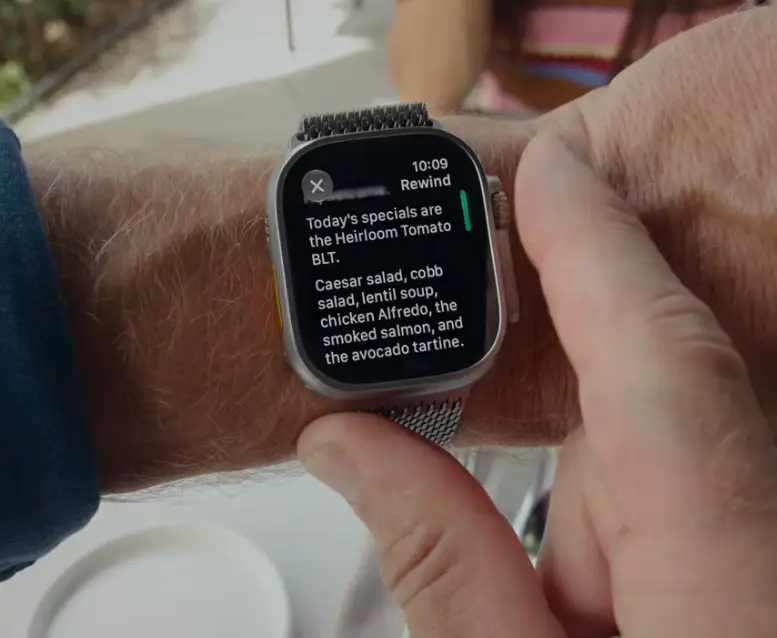
Apple unveiled two new smartwatch models on Wednesday: The Apple Watch Series 12 and the Apple Watch Ultra 4, the latter geared more for athletic wear.
Both models come equipped with “the most accurate heart rate sensing in a wearable,” Apple said. Each device measures a user’s heart rate every five seconds.
The company said other metrics, like heart rate variability, are also measured more accurately.
“Recovery HRV is best for identifying daily signals of stress and recovery, while overall HRV is best for insights into a user’s broader health, including cardiovascular health,” Apple said.
AirPods 5

Apple’s fifth-generation AirPods are getting a Pro-style upgrade: higher-quality active noise cancellation.
AirPods 5, which start at $129, can block up to 50% more external noise than the prior noise-canceling model, the company said. They also add hands-free Siri AI and live translation. A $149 version adds a wireless charging case, longer battery life, and on-stem volume sliders.
They launch on September 18 with preorders now available.
How old are you… really?
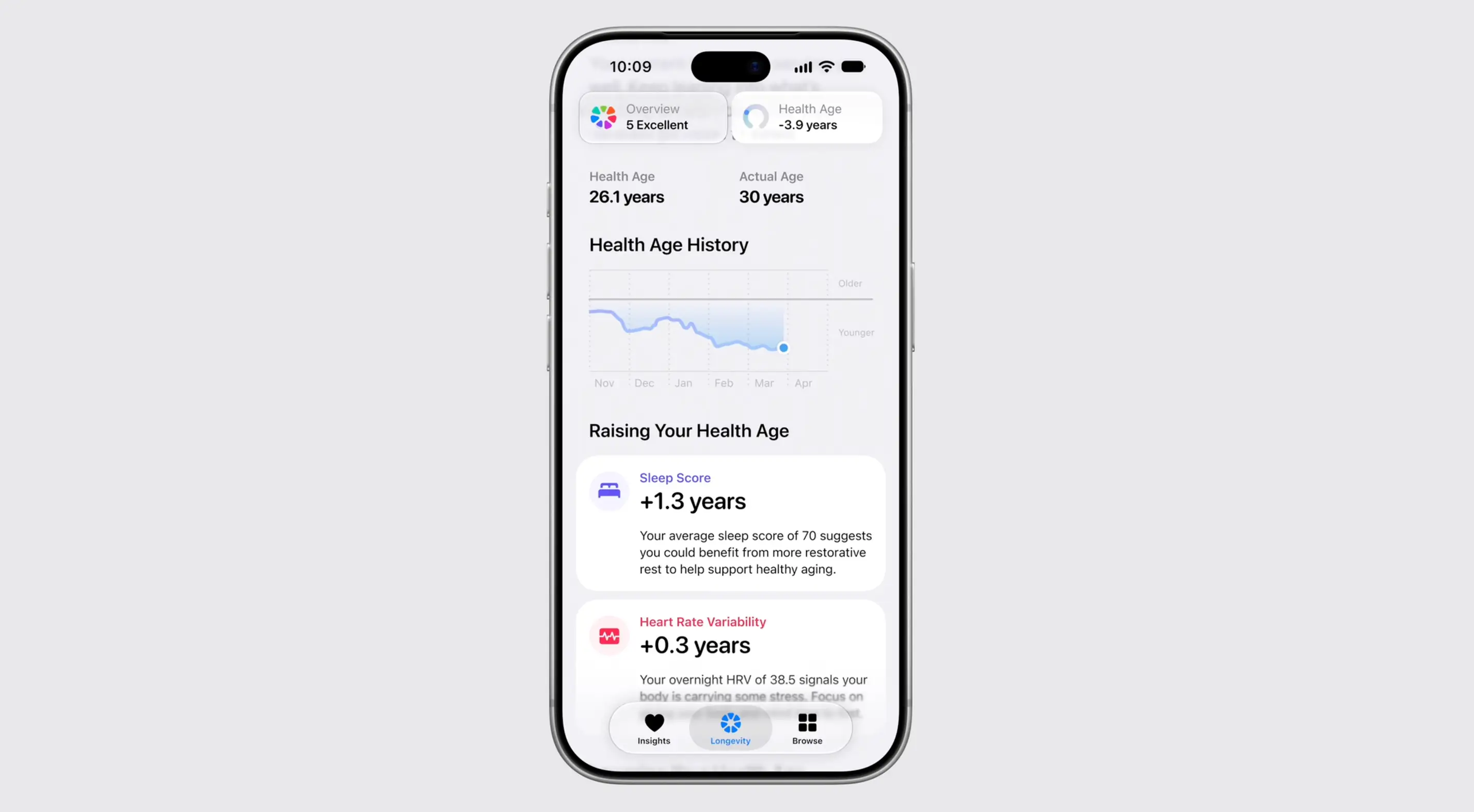
Apple’s new Watch-based monitor is meant to answer that question with a new feature coming to the Health app, called Health Age.
Sumbul Ahmad Desai, the company’s vice president of health and fitness, said it’s a “simple way to discover how key health metrics align with your actual age.”
The feature uses Apple Watch data to show how certain health metrics — like sleep patterns and blood composition — track against a user’s actual age. It’s part of Apple’s broader push to turn the Watch from a step counter into a more persistent health companion.
Siri AI release date
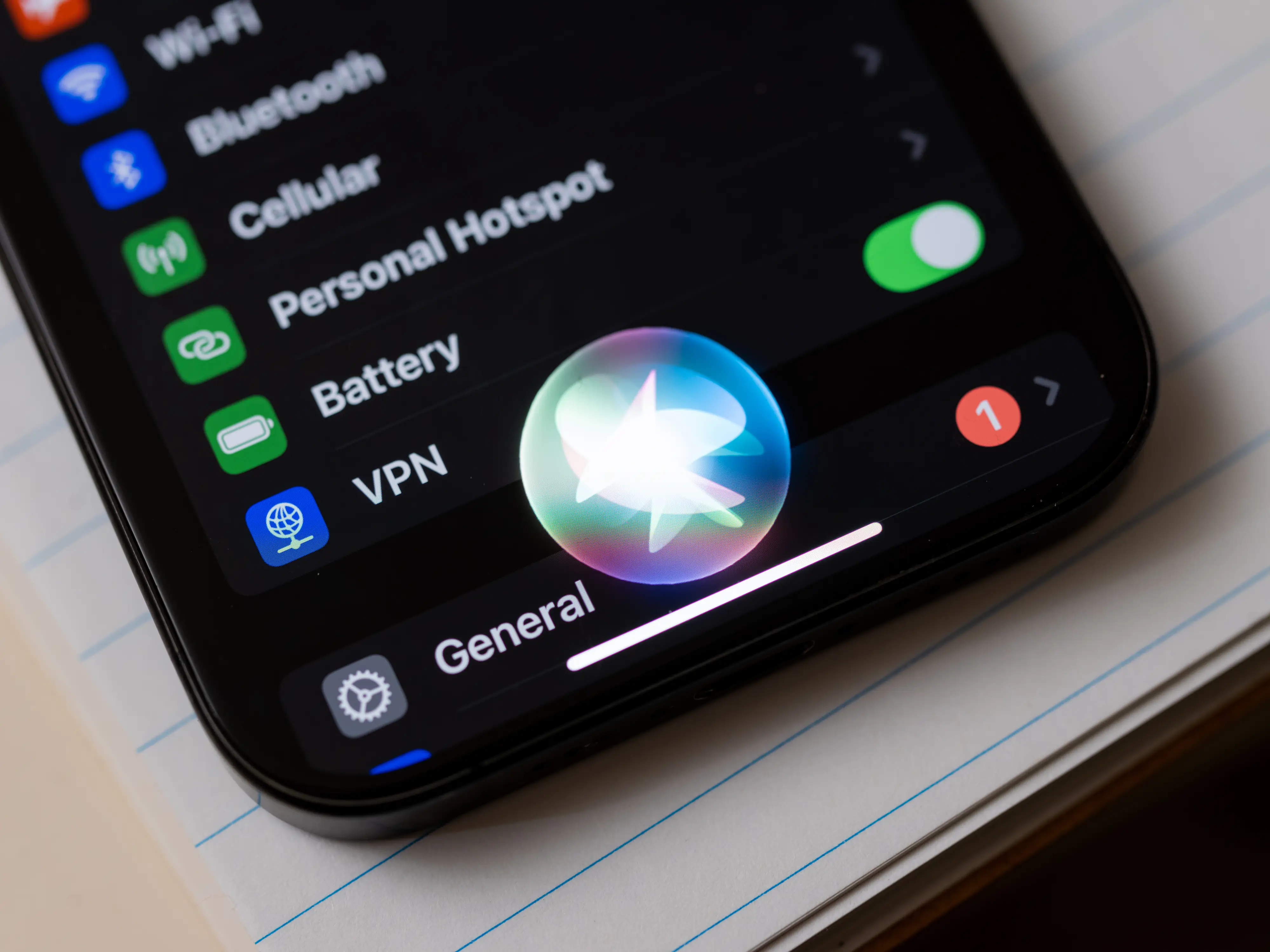
Siri AI, the revamped assistant Apple announced in June, starts rolling out in beta on September 14, initially in English.
Apple says it draws on a user’s personal context and answers broader questions. For example, it’s now capable of finding a dinner reservation buried in an email or remembering a song a friend recommended in a text.
It will work on Apple Watches dating back to the 2023 Series 9 when paired with a compatible iPhone.
Always listening…
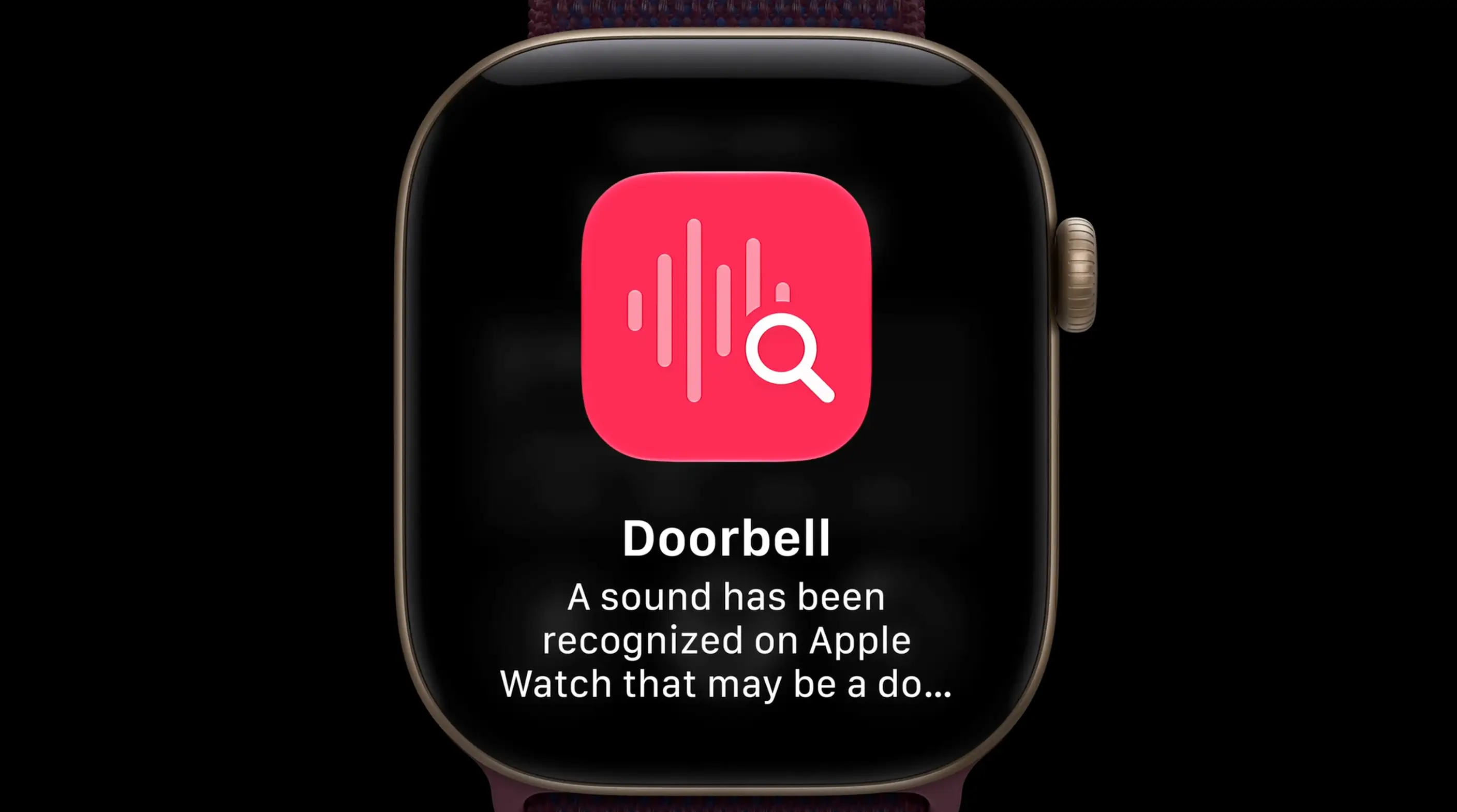
Apple is turning the Apple Watch into an AI-powered set of ears.
The coming Audio Intelligence suite uses the Watch’s microphone, the S11 chip, and Apple Intelligence models on a paired iPhone to help users catch sounds and conversations they might otherwise miss.
Apple says it will help hard-of-hearing users identify nearby alerts, transcribe conversations up to 15 seconds back, identify songs playing from a nearby speaker, or script notes from an important meeting.
“Apple Watch is always on your wrist,” Ron Huang, Apple’s vice president of sensing and connectivity, said. “It’s the perfect device to stay aware of the sounds around you, and keep track of your conversations.”
Apple says the features do not create or store audio recordings and that they do not identify speakers. Still, the rollout comes right as consumer tech companies face increasingly thorny questions about AI, privacy, and surveillance.
iPhone 18 will have an improved camera with variable aperture
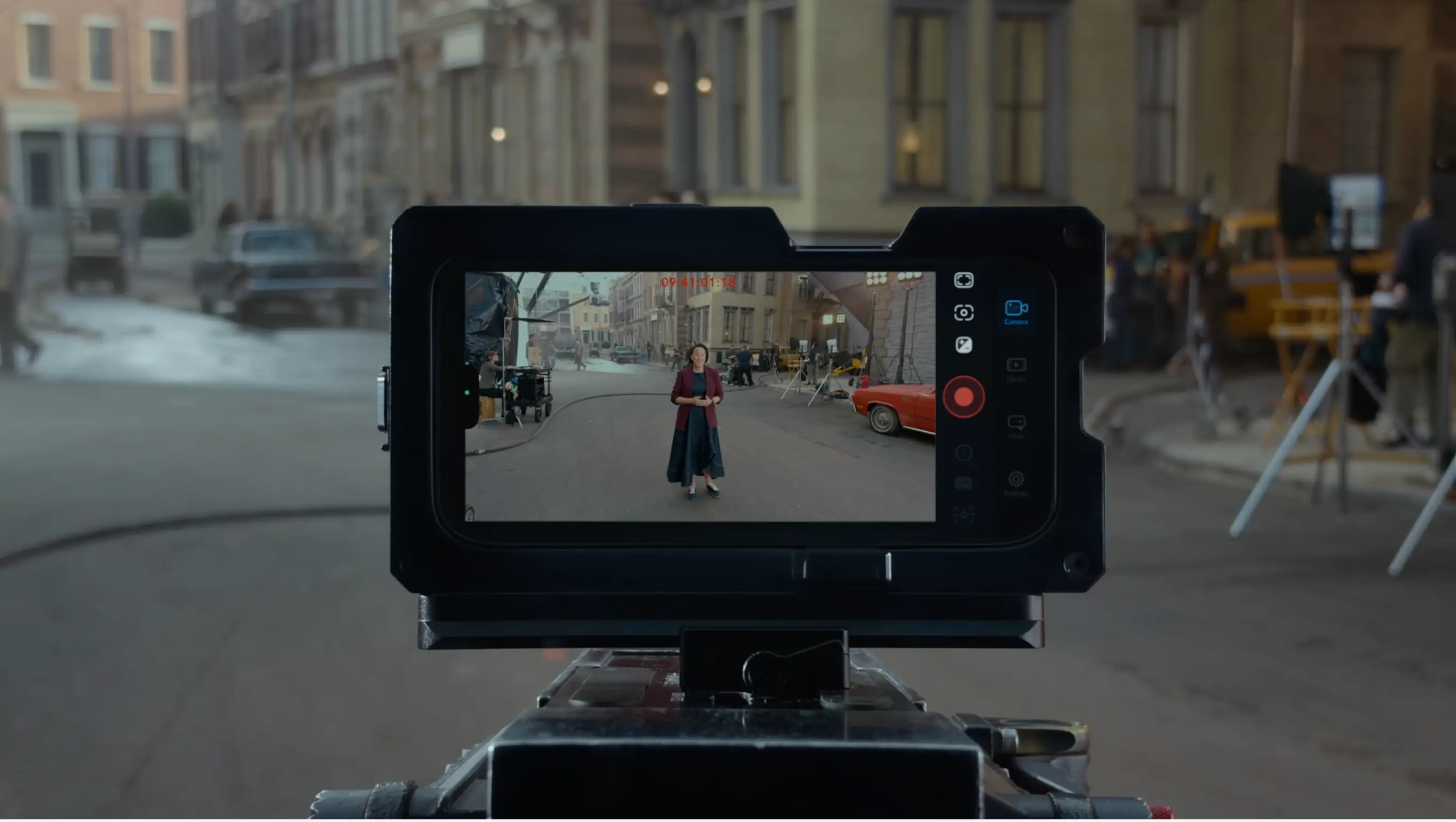
The cameras in both versions of the iPhone 18 have variable-aperture blades that automatically adjust to different lighting conditions. Adjustments in aperture change the amount of light that reaches a camera’s lens.
Apple said its new aperture system uses “six laser-cut blades, each thinner than a human hair.”
“We’ve optimized for the best balance of light gathering and depth of field, and the aperture can narrow for more depth of field, which means crisper detail further back in the scene for better group shots,” Kaiann Drance, Apple’s vice president of worldwide Apple Watch product marketing, said during the launch.
Read the original article on Business Insider
The post The 8 biggest Apple announcements from its launch event appeared first on Business Insider.