The U.S. Embassy in Havana issued a health alert Friday warning of a “significant increase in diarrheal illness across Cuba” caused by contaminated water and inadequate refrigeration.
“Recent cases have included E. coli, norovirus, Shigella, and other gastrointestinal pathogens,” said the alert posted on its website and social media.
The warning comes as a U.S. naval embargo and increased sanctions have blocked or severely limited Cuban imports of oil, medicine and other goods. The result has been island-wide electricity blackouts, food shortages and the shut down of medical and other services that the Trump administration blames on incompetence and corruption within Cuba’s government.
Apparently directed primarily at the dwindling number of U.S. citizens visiting Cuba, the alert advised those inside the country, “especially with frequent diarrhea or vomiting,” to avoid foods “that may have been inadequately stored” and to stay hydrated with water “known to be safe.”
Noting that antibiotics and over-the-counter medicines “are frequently unavailable in Cuba,” it advised visitors to bring their own supplies.
A separate security alert issued by the embassy earlier this week cited an increase in vehicle-related break-ins and said visitors should “always lock doors and roll up windows completely, even when in the vehicle.”
The U.S. State Department announced a new round of sanctions on Thursday, saying “the Communist Cuban regime continues to pose a deep, multifaceted threat to U.S. national security and our hemisphere’s stability.”
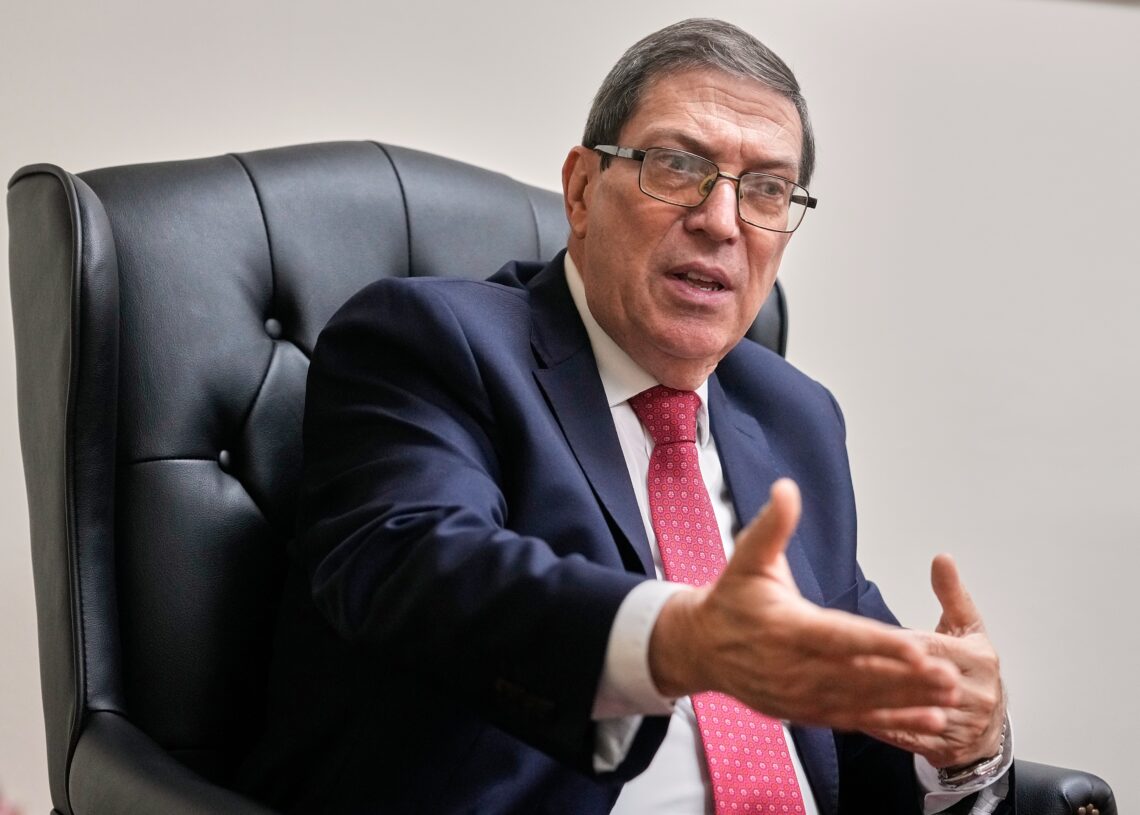
Cuban Foreign Minister Bruno Rodríguez Parrilla, in a social media post following that announcement, said, “Collective punishment is a crime. So, too, is inflicting suffering on an entire population through measures coldly calculated to trigger a humanitarian crisis.”
Catch up quickly every weekday morning with a rundown of the 7 most important and interesting stories. Sign up for The 7 newsletter.
The post U.S. Embassy in Havana issues health alert as sanctions limit imports to Cuba appeared first on Washington Post.