This is an edition of the Books Briefing, our editors’ weekly guide to the best in books. Sign up for it here.
When I read Thomas More’s Utopia in college, the main thing I retained was that the inhabitants of More’s imaginary island worked just six hours a day and earned what we might now call a universal basic income. But the fact that I came away from this 16th-century classic with only visions of a shorter workday and a generous allowance says more about my undergraduate habits than it does about More’s ideas or intentions. Looking back recently, I remembered that his civilization wasn’t exactly the campus commune of my dreams. Its citizens held slaves, some of whom were shackled for committing adultery. The punishment for premarital sex, meanwhile, was permanent celibacy; the whole place sounded like a punitive surveillance state. I’d somehow missed all of this initially. Still, as Gal Beckerman noted this week in an Atlantic essay about Silicon Valley’s misreadings of science fiction, I wasn’t the first person to make this type of error. Fortunately, my myopia was harmless. Not all misunderstandings are.
First, here are five new stories from The Atlantic Books Section:
- The sexual politics of the “bed trick”
- What Howard Zinn got wrong
- “Red Death,” a poem by Dorothea Lasky
- What to read to wake up your brain
- Roy Cohn did it first.
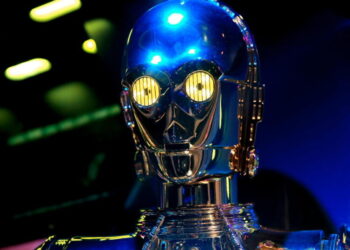
In her new book, The Rise and Fall of the Artificial State, the historian Jill Lepore close-reads the science-fiction books that proved formative for Elon Musk, Sam Altman, and Peter Thiel. In their early-teen years, these future billionaires devoured the works of Robert Heinlein, Isaac Asimov, Arthur C. Clarke, and other dark fantasists—but they seem to still hold on to the blinkered interpretations from their youth. Their collective misunderstandings fascinated Beckerman. “What they seemed not to get,” he writes of these men, “was that these were cautionary tales, stories that projected deep societal worries into space or onto a future many millennia away.” Instead of seeing the dysfunction behind these invented societies, “these boys just thought the killer robots sounded cool.” Lepore argues that these seeming misreads are partly responsible for their obsessions with technological progress—no matter the human cost.
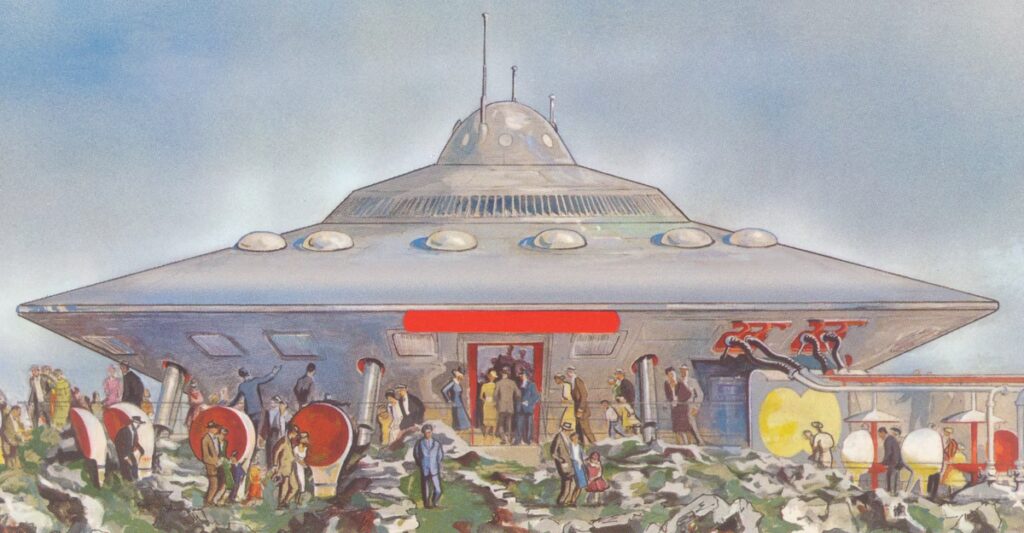
Three centuries after More coined the word utopia (which sounds in Greek like “good place” but actually means “no place”), the philosopher John Stuart Mill effectively popularized its opposite, dystopia, to describe worlds in which the worst things come to pass. In the 20th century, dystopia became a key feature of science fiction. Some of my favorite works in the genre introduce us to societies that seem idyllic, before revealing the rot within these supposedly perfect worlds. They aim, I think, to show that any utopia is probably too good to be true. It’s no place—or worse.
More’s Utopia isn’t all that different; it depicts a society that readers might not actually want to live in. More, an English Catholic leader who was executed by King Henry VIII, probably didn’t mean to advocate for an essentially communist society with legalized euthanasia. Critics have long speculated that his depiction was satirical—that the first utopian literary work was, at least in part, dystopian. This wouldn’t surprise me, because years of living and reading have conditioned me to accept that every paradise has a dark side.
This is why I was dismayed to hear Sam Altman say, earlier this year, that an AI-driven process to choose the U.S. president could be “awesome.” Seventy years ago, in his short story “Franchise,” Asimov imagined one variation on this scenario: A computer picks one median American to “vote” for president. In the story, democracy becomes nothing more than a statistical quirk. At a moment when artificial intelligence threatens to change society irrevocably, I have to agree with Beckerman: “What happens next,” he writes, “may depend on whether these boys grow up and finally recognize what they failed to see before.”
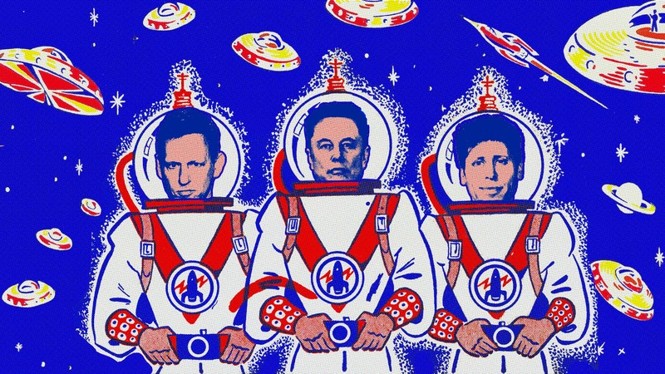
We Are Living in the Fantasy World of 13-Year-Old Boys
By Gal Beckerman
Many of the tech billionaires who built our world have taken the wrong lessons from their favorite science fiction.
What to Read
Providence, by Max Barry
Seven years before the start of this novel, an alien species slaughtered everyone aboard a human spaceship—Earth’s first contact with extraterrestrials. Providence follows the four-person crew of an interstellar warship on a multiyear mission of revenge. Through each voyager’s distinct perspective, the book explores artificial intelligence, social media, and the effects of extended isolation. One character doesn’t care about these aliens’ civilization; he is content just to kill as many as possible. Another is driven to discover more; a third is focused on maintaining the morale of the others, even as she herself unravels. And their captain has to balance their individual needs against the requirements of the mission. Barry provides riveting, rewarding action without sacrificing smarts or character development. This quick read explores mankind’s dueling urges to connect and destroy, our divergent responses to the unknown, and how far some among us will go to protect ourselves and the people we care about.
From our list: Six books that take you to space
Out Next Week
 All The Presidents’ Wars, by Peter Bergen
Everyman: The Untold Story of Economics, by Antara Haldar
Your Weekend Read
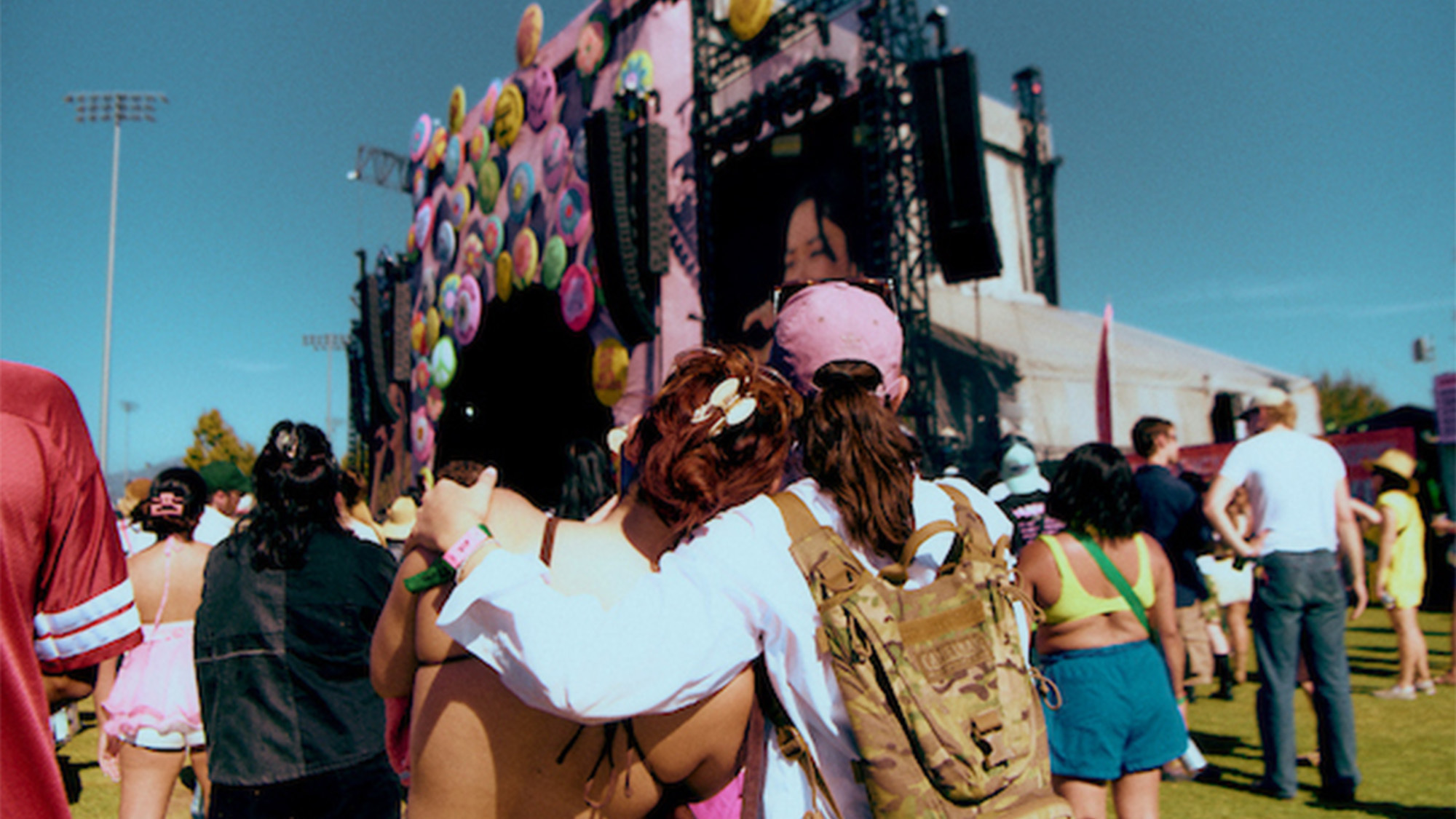
Woodstock, Lilith Fair, and Taco Bell Rolled Into One
By Spencer Kornhaber
Eli is a campy artist of questionable earnestness, but her statement was in line with the mood of Daisy Chain—a place where girlish aesthetics that are so often seen as frivolous could accompany calls for revolution. Organized by the 23-year-old pop star Olivia Rodrigo, the inaugural edition of the festival featured an all-female lineup and raised $20 million—half of which was donated by Melinda French Gates—for an array of women’s-rights organizations, including Planned Parenthood and the National Domestic Workers Alliance. Even as a brutal heat wave threatened to smother the energy, the fest felt like a cheerful coming-out party—an announcement of the political commitments of a generation of mainstream artists more famous for singing about the self than about society.
When you buy a book using a link in this newsletter, we receive a commission. Thank you for supporting The Atlantic.
Sign up for The Wonder Reader, a Saturday newsletter in which our editors recommend stories to spark your curiosity and fill you with delight.
Explore all of our newsletters.
The post What Tech Titans Don’t Understand About Sci-Fi appeared first on The Atlantic.