Why doesn’t my doctor automatically order a PSA test to screen for prostate cancer? Shouldn’t all men be tested regularly?
With over 330,000 new cases estimated for 2026, prostate cancer accounts for almost one-third of all invasive cancers in men. It is the fifth leading cause of male cancer-related deaths worldwide. Because prostate cancer is slow-growing, and symptoms may not occur for years after it develops, you might think that everyone who has a prostate (a walnut-sized gland that sits below the bladder) should get a blood test for prostate specific antigen, or PSA, which can detect it.
But not so fast. As I have written previously, a screening test is designed to identify cancer in an individual who does not yet have signs or symptoms — before you or your doctor even suspect it’s there. Ideal screening tests detect cancers in their early stages, when an intervention (such as removing a tumor with surgery) can prevent it from spreading and treat it in its entirety.
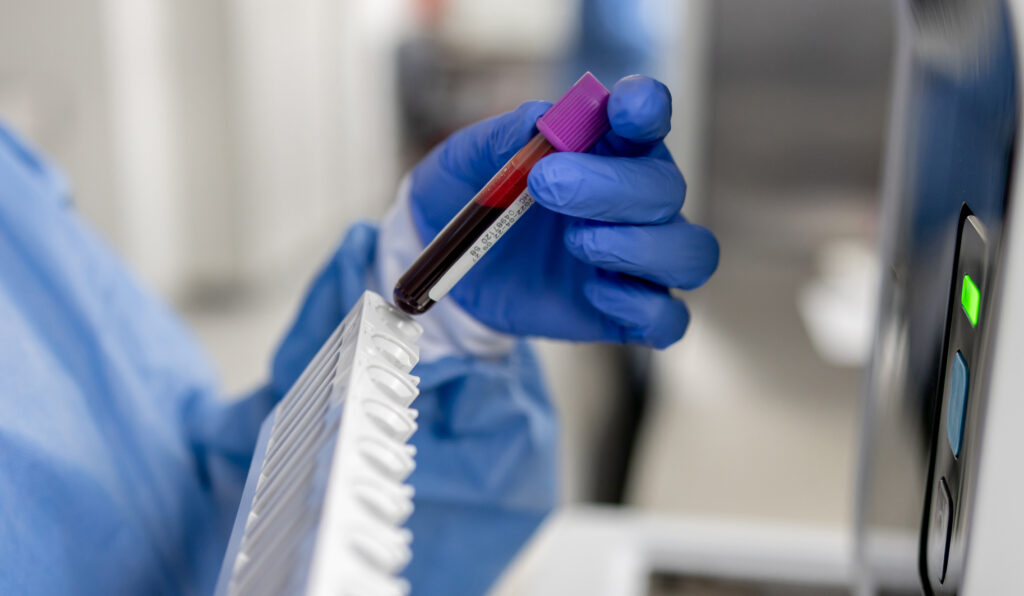
One of the most common screening tests for prostate cancer involves measuring blood levels of PSA, which is a protein produced by the prostate. PSA normally decreases the viscosity of semen. An elevated PSA level can be caused by cancer, and the higher the PSA, the more likely that cancer is present — although non-cancer-related triggers, such as infections, also can drive PSA levels higher.
Traditionally, a PSA level above 4.0 ng/ml has been considered abnormal and could result in a recommendation for prostate biopsy, where a tissue sample is taken and tested for cancerous cells. However, interpreting PSA levels is tricky. For example, because PSA levels normally increase with age, some doctors apply a higher cutoff (such as 5.0 ng/ml) for older men and a lower cutoff (such as 2.5 ng/ml) for younger men.
And in fact, it is estimated that during the period of PSA screening in the United States from 1988 to 2016, over 300,000 deaths were avoided.
Yet the U.S. Preventive Services Task Force does not provide a definitive recommendation that all men should undergo PSA screening. They only say that for men age 55 to 69 years, the decision to get periodic PSA tests for prostate cancer should be “an individual one,” and that “men should have an opportunity to discuss the potential benefits and harms of screening with their clinician and to incorporate their values and preferences in the decision.”
For men 70 years and over, the USPSTF recommends against PSA screening entirely.
Why not recommend PSA screening for prostate cancer for all adult men? The answer is a bit complex.
The PSA blood test has a high rate of false positives
An ideal screening test should accurately identify people who have cancer (it should be highly sensitive) and accurately identify people who don’t have cancer (it should also be highly specific).
The PSA blood test’s sensitivity is over 90 percent, meaning that the test catches over 90 out of 100 actual prostate cancer cases. So if your PSA blood test comes back normal, it is highly unlikely that you have prostate cancer.
Its specificity, on the other hand, is only 9 to 33 percent, meaning that most of the time, men with an elevated, potentially worrisome PSA level in the blood do not have prostate cancer. In one cancer-screening study enrolling over 37,000 men, almost 5,000 had an elevated PSA blood test that led to a prostate biopsy, the procedure to confirm a cancer diagnosis. More than two-thirds of these men, though, were found not to have prostate cancer, meaning they received a false-positive result.
How can this occur? A number of noncancerous conditions, such as benign prostatic hypertrophy or BPH (commonly known as an enlarged prostate, which almost all men will develop if they live long enough), infection, inflammation or trauma can also elevate PSA levels, with one study showing that over 60 percent of men with BPH had PSA levels above 4.0 ng/ml — levels that might lead to a biopsy.
The European Randomized Study of Screening for Prostate Cancer is the largest study ever conducted to assess the impact of PSA testing to screen for prostate cancer. Researchers randomized over 160,000 men to PSA screening or to no screening to see whether screening reduced the chances of dying of prostate cancer. After a median of 23 years of follow-up, death due to prostate cancer was found to be 13 percent lower in the screening group men compared with men in the non-screening group. One death from prostate cancer was averted for every 456 men invited to undergo PSA screening.
However, the study authors expressed concern over the harms associated with PSA-based screening, including unnecessary testing, biopsies, overdiagnosis (identifying cancer that would probably never progress enough to harm a man’s health) and overtreatment.
In another analysis of 63 studies enrolling almost 2 million men, overdiagnosis was estimated to occur in 20 to 50 percent of PSA screen-detected cancers, leading to unnecessary biopsies and even to invasive treatments with significant side effects.
For example, prostate cancer treatments can sometimes cause incontinence or erectile dysfunction, both of which can seriously harm quality of life, especially if used to treat a slow-growing cancer that could be followed with “watchful waiting” instead.
Not all prostate cancer is deadly or needs to be treated
A growing body of research suggests that many cases of what we consider “low-grade” prostate cancer — meaning tumors are small and slow-growing — may not ever progress to the point of causing a man any harm. Because of this, there’s a large area of controversy among oncology experts over whether low-risk prostate cancer should be called cancer at all; some argue that this leads to unnecessary treatment that doesn’t extend a person’s life more effectively than close monitoring, known as “active surveillance.”
For example, in autopsy studies that included over 6,000 men who died of other causes, more than 20 percent of men aged 50 to 59 years and more than 33 percent of men aged 70 to 79 years were found to have prostate cancer but were unaware of it, and had no symptoms during their lifetimes.
Another study conducted in Britain of over 1,600 men diagnosed with prostate cancer found that mortality was low regardless of treatment choice. Study participants were randomly assigned to undergo prostate removal, radiation therapy to treat the cancer or no therapy at all, just active monitoring. After 15 years of follow-up, 2.7 percent of the men died of prostate cancer, and the mortality rates were similar between those who received treatment and those who underwent simple monitoring.
Taking all of the most recent scientific evidence into consideration, the recommended subsequent evaluation for an elevated PSA has changed. Traditionally, the next step was to undergo a prostate biopsy. But now, many providers will first order repeat PSA testing to confirm the level is high, followed by blood and urine tests to check for biomarkers that help identify those most likely to benefit from treatment. The next step might be an MRI of the prostate to look for anything suspicious, such as a tumor, or monitoring of the PSA level to determine how rapidly it’s rising before doing any other testing.
According to prostate cancer specialist Timothy Gilligan, executive medical director and chair of the Sutter Health Cancer Center in San Francisco, “We’ve taken important steps to reduce overdiagnosis and overtreatment. Whereas in the past, an elevated PSA typically resulted in a reflex decision to get a biopsy and a finding of cancer led to treatment, we now have tools that allow us to be more selective about who needs a biopsy and, if a biopsy shows cancer, who needs treatment.”
As the USPSTF suggests, whether or not to undergo PSA screening really has become a personal choice based on your own tolerance of risk.
Mikkael A. Sekeres, MD, MS, is the chief of the division of hematology and professor of medicine at the Sylvester Comprehensive Cancer Center, University of Miami. He is author of the books “When Blood Breaks Down: Life Lessons From Leukemia” and “Drugs and the FDA: Safety, Efficacy, and the Public’s Trust.”
The post I’m an oncologist. Every man should know this about prostate cancer. appeared first on Washington Post.