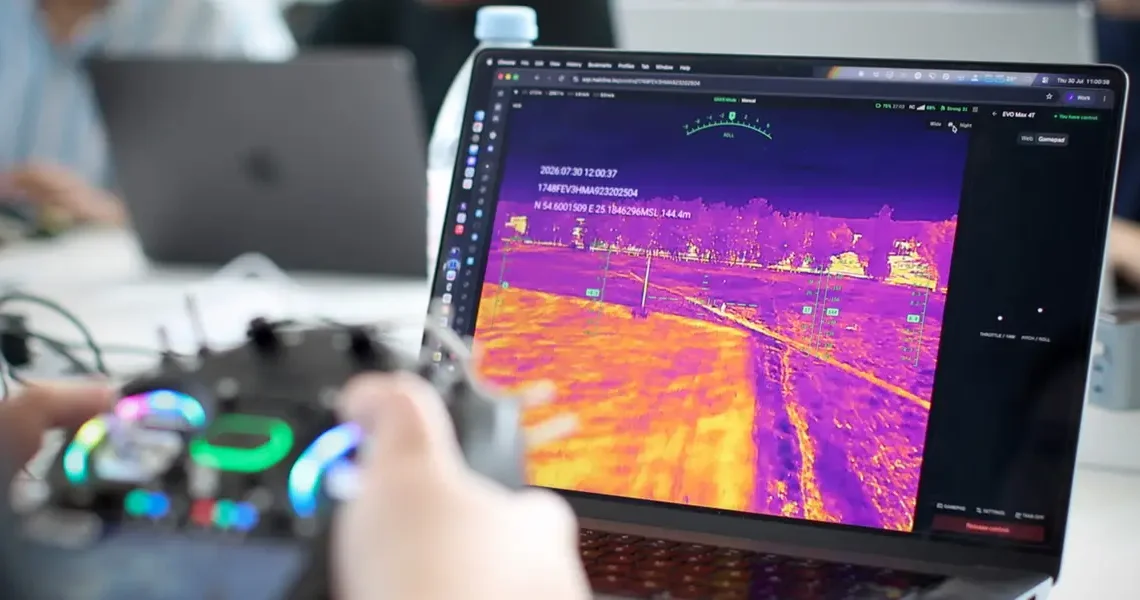
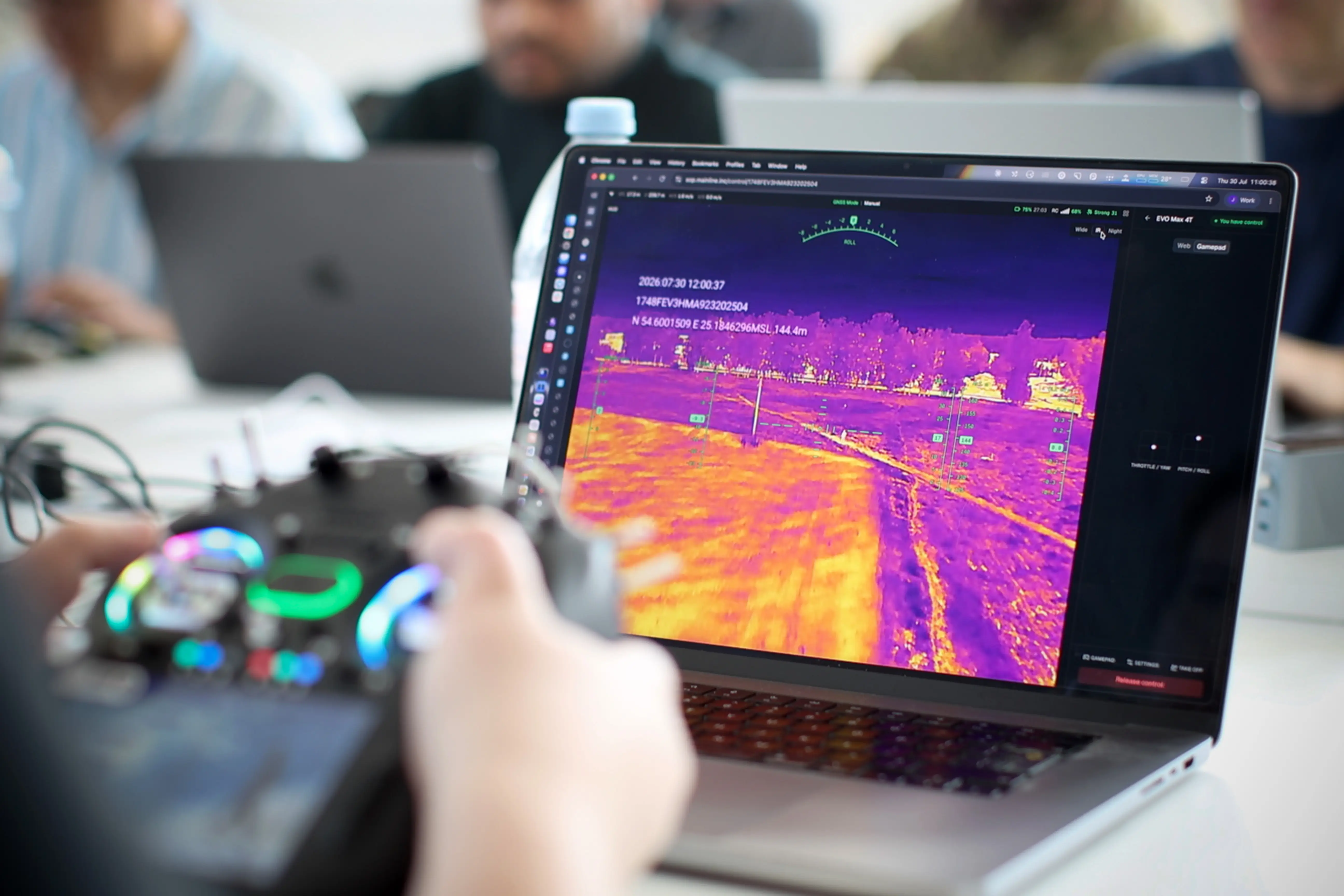
NATO plans to fortify its eastern edge using drones, sensors, and artificial intelligence in a massive network designed to spot and help repel a potential Russian attack.
As part of that plan, some systems may increasingly operate autonomously; however, humans will still decide what targets they engage.
Western officials say that the NATO alliance is exploring AI-assisted drone operations as part of the broad effort to bolster its defenses. The aim, however, isn’t full autonomy; instead, machines could help pilot the drones, while human operators ultimately make the call on what they strike.
The approach echoes Ukraine’s pursuits. The embattled country is increasingly incorporating AI into its drone operations, but both soldiers and defense tech firms have emphasized that humans must remain at the center of the fight, even as the war becomes more robotic.
For NATO, AI-assisted drones would be part of the Eastern Flank Deterrence Initiative, a digital battlespace network that the alliance is building to track threats along its borders with Russia and Belarus, which stretch from northern Finland down to the Black Sea.
The new concept will include thousands of drones, sensors, satellites, and artificial intelligence designed to detect potential breaches of allied territory and repel attacks as the first line of defense. Conventional military forces, such as tanks, fighter jets, and artillery, will remain the backbone.
US Army Maj. Ben Schiff, a software operations officer, told BILD — which, like Business Insider, is part of Axel Springer’s Global Reporters Network — that both Ukraine and Russia still rely on humans to control drones. While some systems have artificial intelligence or machine-learning capabilities that allow brief moments of autonomy in flight, piloting is primarily performed by operators on the ground.
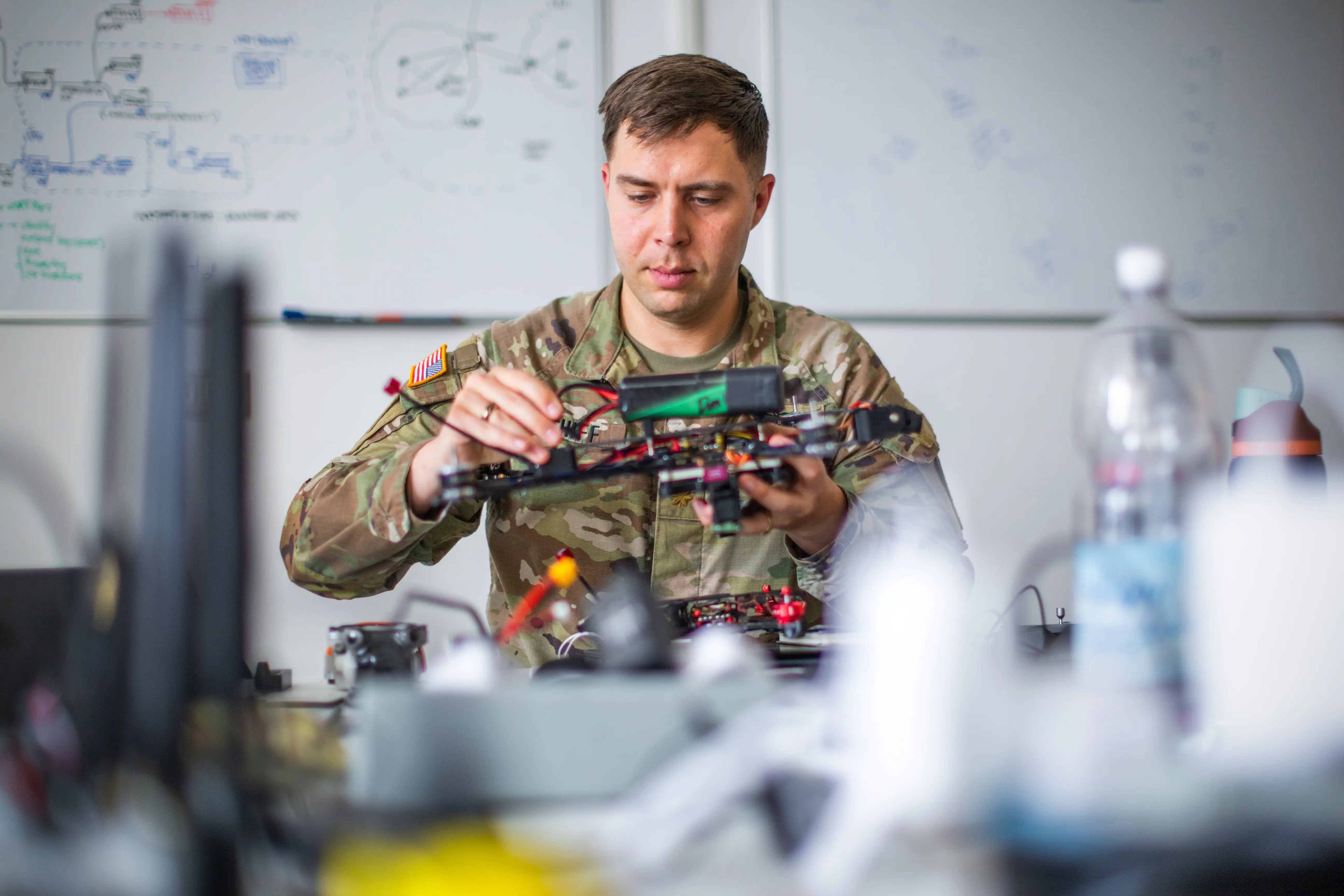
“What we’re trying to do is kind of reverse the concept,” Schiff said at the US Army Europe and Africa headquarters in Wiesbaden, Germany.
Schiff, a product manager for the EFDI Data Backbone, is the primary architect for the digital ‘nervous system’ that federates national systems across the alliance.
He said that “the most boring parts of flying”— drones loitering above the battlefield looking for targets — should be automated. When it comes to deciding what the drone should strike, though, that’s where a human comes into play.
“So the humans are deciding what the drone does, but they don’t necessarily need to take the action of flying it because we don’t have a million pilots,” he said. “We can’t fly a million drones at the same time,”
Instead, AI-assisted flight can free up operators to focus solely on making targeting and engagement decisions.
EFDI is intended to help move NATO beyond a linear “kill chain” to a decentralized “kill web,” where data from sensors can be rapidly passed to weapons systems and operators.
Often described as a “data highway,” the system allows nations to “plug and play” their existing systems into a shared environment without custom integrations. The concept has already been validated in combat; US forces in the Middle East recently used the same type of data-sharing architecture to coordinate the first American combat kill of an Iranian Shahed drone in Kuwait with the Merops interceptor system.
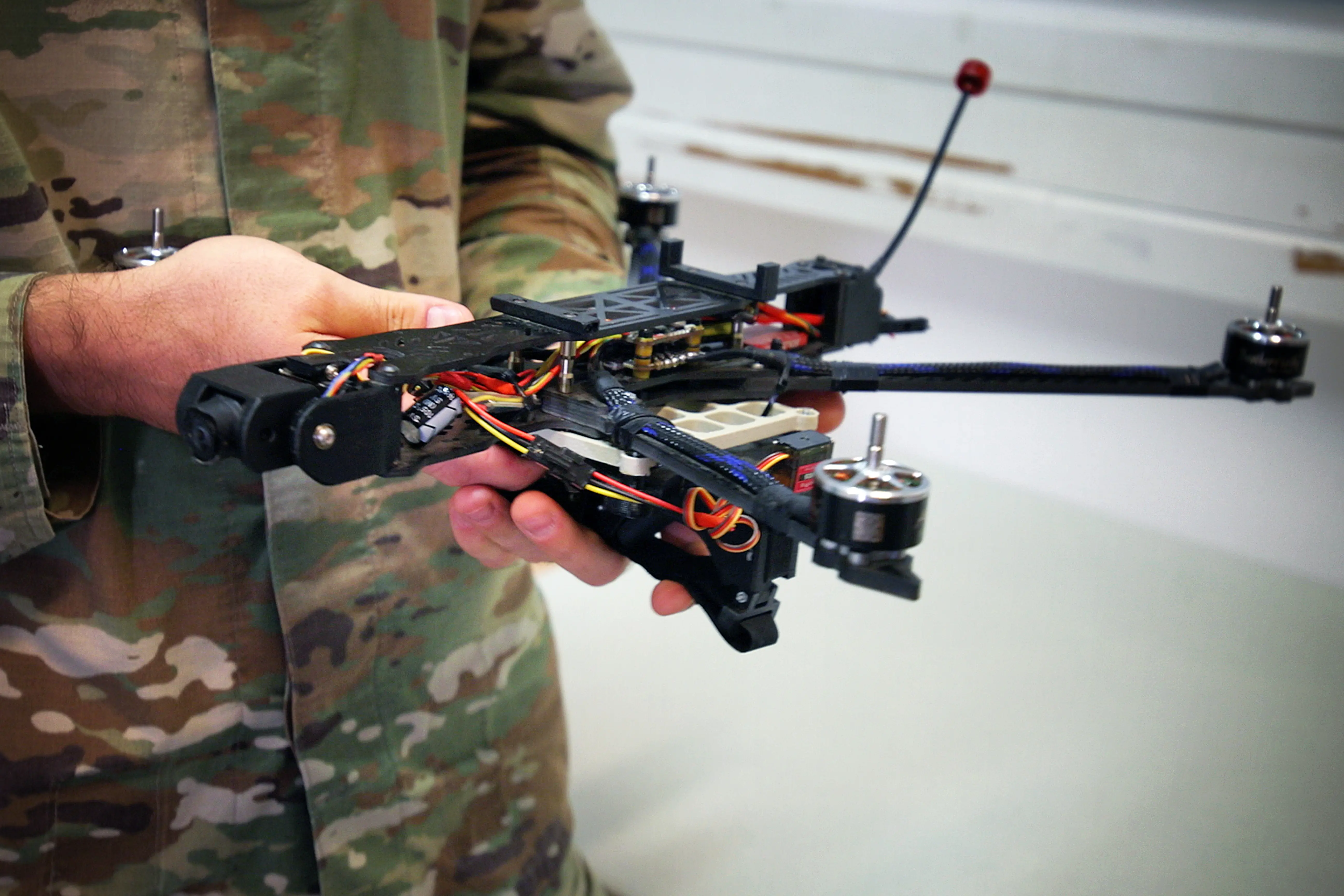
“The value of a drone, sensor, or other capability is not determined solely by its individual performance,” said Maj. Matt Blubaugh, a spokesperson for US Army Europe and Africa. “Its effectiveness depends on how well it integrates into the broader operational ecosystem.”
Ukraine is playing a significant role in pioneering the integration of AI into military operations. In March, for instance, the country’s defense ministry launched a first-of-its-kind program to incorporate AI into defense processes.
On the battlefield, Ukraine has made substantial progress in using AI to support functions such as decision-making, drone navigation, terminal guidance, and precision, said Andrii Hrytseniuk, the CEO of the Ukrainian state-backed innovation platform Brave1.
Hrytseniuk told Business Insider in Kyiv this spring that more than 200 local companies at the time were developing AI-based components for drones, missiles, radars, and other systems.
Ukrainian defense companies are integrating AI into their products to varying degrees. Many insist that machines won’t control drones from start to finish.
Wild Hornets, manufacturer of the popular Sting interceptor drones, told Business Insider in May that AI will be gradually integrated at almost every stage of flight operations: target detection, identification, and, later, terminal guidance.
A spokesperson for the company said humans will still make the decision on what they strike. Since Russia is constantly changing its tactics, interceptor operators must keep tabs on these changes and make necessary adjustments, they said.
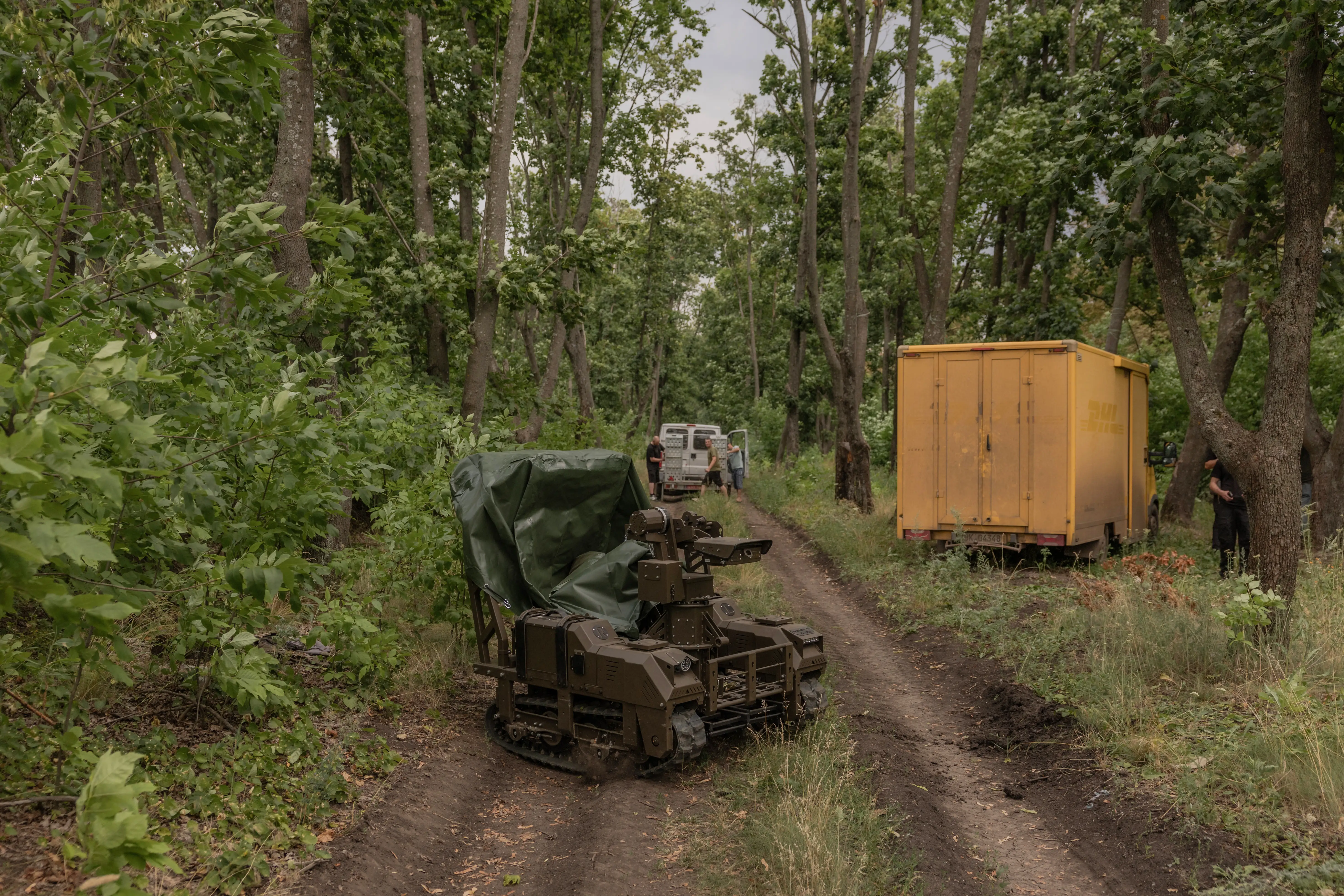
As autonomous systems become more common on the battlefield in Ukraine, commanders similarly told Business Insider that humans need to remain in the loop.
Ground robots, for instance, are increasingly replacing soldiers and taking on front-line logistics roles that have become extremely deadly. The push toward machines is intended to save lives, but not remove humans entirely from the battlefield, the Ukrainian commanders said.
Grek, a robot company commander with the 21st Unmanned Systems “Kraken” Regiment, who requested to be identified only by his call sign, said the goal is to “allow people to focus on the tasks where human judgment has the greatest value.”
US Army officers stressed that NATO is using the operational environment in Ukraine to inform military planning for a potential future confrontation.
“We’re not copying Ukraine,” said Capt. Ronan Sefton. “We’re learning from Ukraine.”
This story comes from the Axel Springer Global Reporters Network, which harnesses the resources of the company’s newsrooms to publish ambitious scoops, investigations, interviews, opinion pieces, and analysis. It allows journalists — including those from The Telegraph, Business Insider, POLITICO, WELT, BILD, Onet, and Fakt — to collaborate on major stories for an international audience of hundreds of millions across platforms.
Read the original article on Business Insider
The post NATO’s plan for a battlefield swarming with drones: Let AI fly, but keep lethal decisions human appeared first on Business Insider.